Ground Blind Rules on New York WMAs
Hunting on New York's Wildlife Management Areas (WMAs) offers incredible opportunities, but it also comes with a specific set of rules that can feel a bit overwhelming if you're not familiar with them. One common area of confusion for many hunters revolves around using ground blinds, which are fantastic tools for concealment but need to be deployed correctly. This guide will help you understand the precise regulations for ground blinds on New York WMAs, ensuring you stay legal, respectful, and effective in the field.
Understanding the "Leave No Trace" Ethos on New York WMAs
Before we dive into the nitty-gritty of ground blind rules, it’s crucial to grasp the overarching philosophy behind how New York manages its Wildlife Management Areas: a strong emphasis on "leave no trace." These public lands are stewarded for wildlife conservation, habitat management, and public recreation, including hunting. That means any activity, including setting up a ground blind, should ideally leave the area exactly as you found it. This principle guides most of the regulations you'll encounter and understanding it helps make sense of why certain rules exist.
Many hunters come from areas where private land dominates, and they might be used to setting up a blind for the season and leaving it. But on WMAs, the landscape is shared, and permanent alterations, even seemingly minor ones, aren't usually permitted. This isn't just about aesthetics; it's about preventing habitat degradation, ensuring fair access for all users, and maintaining the wild character of these important areas. If you walk into a WMA and see a well-used trail, that's one thing. If you see an abandoned ground blind full of trash, that's another, and it reflects poorly on all of us. When you're Scouting New York Public Land Before Season, keep this ethos in mind.
General Ground Blind Regulations on WMAs
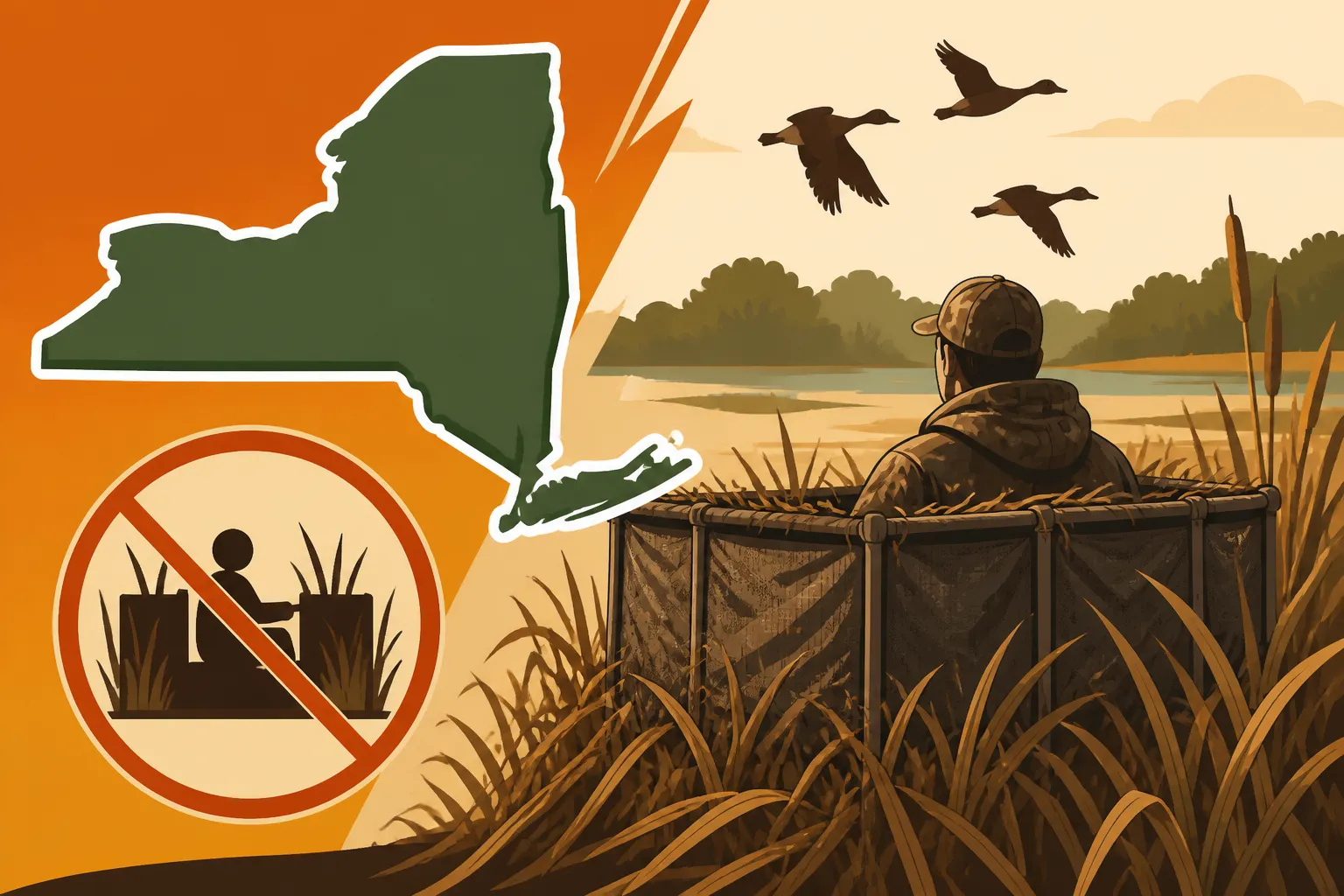
New York State's Department of Environmental Conservation (DEC) manages WMAs with specific guidelines to balance hunter access with environmental protection. For ground blinds, the core distinction lies between "temporary" and "permanent" structures. Generally, permanent blinds are a no-go, while temporary blinds are often allowed under strict conditions.
The key is that any structure you place on a WMA must be temporary and completely removable. This means no digging, no cutting, no nailing into trees, and absolutely no leaving anything behind for extended periods. Think of your blind as an extension of your gear, much like your backpack or your rifle – it comes in with you, and it leaves with you. This can be a frustration for hunters who want to avoid the hassle of packing a blind in and out every day, especially during the colder months when setup can feel like an extra chore. However, it's a critical rule that ensures the land remains wild and accessible for everyone.
What Constitutes a Temporary Blind?
A temporary ground blind is one that can be erected and dismantled quickly without altering the natural landscape. Typically, this means a manufactured blind made of fabric or synthetic materials, supported by poles that don't require any permanent anchors. Natural materials can sometimes be used to enhance concealment around a manufactured blind or to create a simple natural blind, but these materials generally need to be deadfall or readily available, and their use shouldn't leave a lasting impact. For instance, breaking off live branches to create a blind is almost always prohibited.
When considering a temporary blind, think about portability. Can you carry it in and out with relative ease? Does it fold up compactly? Does it blend in naturally? These are the types of questions that align with the DEC's expectations. Brands like Primos or Ameristep make many blinds that fit this description.
The Strict Rules Against Permanent Blinds
On the flip side, "permanent" blinds are strictly forbidden on New York WMAs. This includes any structure that is left in place for more than a single hunting day, or anything that requires significant alteration to the land. We're talking about wooden structures, blinds made from tarps and ropes left for weeks, or anything dug into the ground. Even a small, pop-up blind left out overnight or for a few days can be considered "abandoned property" and may be removed by DEC staff.
The temptation to leave a blind out, especially if you have a great spot and don't want to carry it every day, is understandable. But doing so not only violates WMA rules but also creates an eyesore and can attract unwanted attention from other hunters or even lead to your blind being stolen or damaged. It's simply not worth the risk. Treestand Rules on New York Public Land often follow similar temporary principles.
Material and Placement Guidelines for Ground Blinds
Beyond the temporary nature, there are other important considerations regarding the materials you use for your blind and where you place it. These guidelines are about safety, minimizing impact, and ensuring fair chase principles.
Permitted and Prohibited Materials
When it comes to materials, the rule of thumb is "minimal impact." Manufactured blinds are generally fine, as long as they are removed at the end of each hunting day. If you're building a blind from natural materials, you must only use dead and down wood, leaves, or other natural debris already present on the forest floor. You cannot cut live trees or branches, even small ones, to construct or brush in your blind. This protects the living ecosystem and prevents long-term damage.
It's important to remember that WMAs are managed specifically for wildlife. Cutting or damaging vegetation directly impacts the habitat the DEC works so hard to create and maintain. So, while it might seem easier to just snap off a few branches, resist the urge. Be creative with what nature has already provided on the ground.
| Blind Type | Description | Rules for WMAs |
|---|---|---|
| Manufactured | Pop-up, fabric, or synthetic blinds. | Allowed, but must be removed daily. No nails, screws, or permanent anchors. Must not damage vegetation. |
| Natural (Temporary) | Constructed from dead and down wood, leaves, branches found on site. | Allowed, but must be fully dismantled and scattered daily. No cutting live vegetation. Must leave no lasting trace. |
| Permanent | Wooden structures, tarps left for days/weeks, anything dug into ground. | Strictly Prohibited. Will be removed by DEC. May result in fines or loss of hunting privileges. |
Strategic Placement and Visibility
Where you place your ground blind is just as important as what it's made of and whether it's temporary. First and foremost, you must always be aware of property boundaries. Use a mapping app like onX Hunt or GoHunt to verify you are indeed on WMA land and not encroaching on private property. The last thing you want is to set up a perfect blind, only to discover you're on someone's backyard. These apps often have layers that clearly delineate public and private land, which is invaluable.
Consider visibility from other hunters. While ground blinds offer excellent concealment, they can sometimes be hard to spot for other hunters moving through the woods, especially in low light. For safety, many hunters opt to wear a blaze orange or blaze pink hat or vest outside their blind, or they tie a piece of orange fabric to the top of the blind. This makes you visible to other hunters while still allowing your blind to conceal you from game. Always follow the New York Blaze Orange Requirements.
Also, think about your shooting lanes. While ground blinds are great for close-range shots, you need clear lanes for ethical shots. Don't place your blind in such thick cover that you can't see beyond a few yards. This is where Reading a Ridge for Catskill Deer Movement and knowing how deer use the terrain becomes vital. A poorly placed blind might give you concealment but prevent you from getting a clean shot, which defeats the purpose.
Practical Considerations for WMA Ground Blind Use
Beyond the official rules, there are practical aspects to using ground blinds effectively and respectfully on New York WMAs. These tips can enhance your hunting experience while ensuring you adhere to the spirit of public land hunting.
Portability and Daily Removal
The biggest hurdle for WMA ground blind hunters is the daily pack-in and pack-out. This is especially true for pop-up blinds which, while convenient to set up, can be bulky and heavy. Invest in a lightweight, durable blind if you plan on covering significant ground, or consider a smaller, one-person blind if you primarily hunt alone. Some hunters even opt for a ghillie suit or a simple camo net rather than a full blind for ultimate portability and minimal impact.
Remember, the rule isn't just about not leaving the blind. It's about not leaving anything behind. Check your area thoroughly for forgotten shell casings, food wrappers, or any other debris before you head out. This simple act helps keep WMAs pristine for future hunters.
Scouting for Success
Effective ground blind use starts with diligent scouting. You need to know where the deer (or other game) are moving, what natural cover exists, and where a blind would provide the best advantage without breaking rules. Look for natural depressions, thickets, or terrain features that can help break up your silhouette even before you set up the blind. Scouting With the New York HuntFishNY App can be a huge asset here, allowing you to identify potential bedding areas, travel corridors, and access points from your couch.
When you're out scouting, mark potential blind locations on your onX Hunt or GoHunt app. This helps you remember prime spots and also lets you check for any unforeseen property line issues. You might find a natural funnel or a pinch point where a ground blind would be perfect for a close-range encounter.
Respecting Other Hunters and WMA Users
WMAs are multi-use lands. You'll encounter hikers, birdwatchers, photographers, and other hunters. Your ground blind, even if perfectly legal, should be placed with respect for others. Don't set up directly on a marked trail, in a high-traffic area, or too close to another hunter's setup if you can avoid it. Part of hunting public land is sharing it gracefully.
If you encounter another hunter near your desired spot, a friendly conversation can often resolve potential conflicts before they arise. Remember, everyone is out there to enjoy nature, and a little courtesy goes a long way.
Avoiding Common Mistakes and Ensuring Compliance
Even with good intentions, hunters sometimes make errors regarding ground blinds on WMAs. Knowing these common pitfalls can help you avoid problems and ensure a smooth hunting season.
The "Just for a Day" Becomes "Just for a Week"
One of the most frequent issues arises when a hunter decides to leave their pop-up blind "just for a day" or "just overnight." This often spirals into leaving it for several days, or even a week, thinking no one will notice. Not only is this against the rules, but it invites theft and abandonment issues. Blinds left for extended periods can also become weather-damaged, turning into litter. The DEC takes this seriously, and abandoned property on WMAs can be confiscated.
If you commit to hunting a WMA with a ground blind, you need to commit to packing it out every single time you leave the woods. There are no exceptions for bad weather, fatigue, or the promise to "be back tomorrow morning."
Not Understanding Local WMA Specifics
While the general rules for ground blinds are statewide for WMAs, some specific WMAs might have additional local regulations or seasonal closures. For example, some areas might have restrictions on access during certain times of the year, or they might have specific regulations regarding certain types of hunting. Always check the DEC website or the specific WMA's signage for any localized rules before you head out.
A quick search on the DEC website for your specific WMA, or checking the HuntFishNY app, can often provide crucial details. Don't assume that what applies to one WMA applies to all, especially if you're venturing into a new area. Understanding these nuances can save you a lot of grief. Finding a New York WMA Near You is a great first step.
Damaging Vegetation While Brushing In
It's tempting to want the perfect amount of natural cover around your blind. However, cutting branches, pulling up saplings, or otherwise damaging live vegetation to "brush in" your blind is a violation. As mentioned, only use dead, down, and readily available natural materials. This means moving dead branches, piling up leaves, or placing natural camouflage around your blind without altering anything living.
The goal is to blend into the environment without altering it. Think of it as decorating your blind with nature's existing elements, not remodeling nature to fit your blind. This respects the wildlife habitat and ensures you're not leaving a permanent scar on the landscape. This is especially important for areas where Aspen Management and New York Grouse are carefully balanced, or where Why New York Grouse Numbers Keep Falling is a concern due to habitat loss.
By understanding these regulations and adopting a responsible, leave-no-trace mindset, you can successfully and ethically use ground blinds to enhance your hunting experience on New York's Wildlife Management Areas.
Disclaimer
This article is for general informational purposes only and does not constitute professional advice. Laws, prices and regulations vary by location and change over time. Consult a qualified professional for guidance on your specific situation.