How Big the Adirondack Park Actually Is
If you've ever stared at a map of New York and tried to grasp the sheer expanse of the Adirondack Park, you've likely felt a little overwhelmed. It's not just a large park; it's a massive, complex mosaic of public and private lands that can feel utterly impenetrable for the uninitiated hunter. This guide is here to unravel that complexity, giving you a clear picture of just how big the Adirondacks really are and what that means for planning your next hunting adventure.
The Mind-Boggling Scale of the Adirondack Park
When we talk about the Adirondack Park, it's easy to just throw around numbers, but the reality of its size doesn't truly sink in until you start putting it into perspective. This isn't your average state park or even national forest; it's a geographic entity unlike almost anything else in the contiguous United States, encompassing an incredible diversity of landscapes from towering peaks to sprawling forests and countless waterways. It's an area so vast that it shapes the very character of hunting in New York's Northern Zone.
Putting the Numbers into Perspective
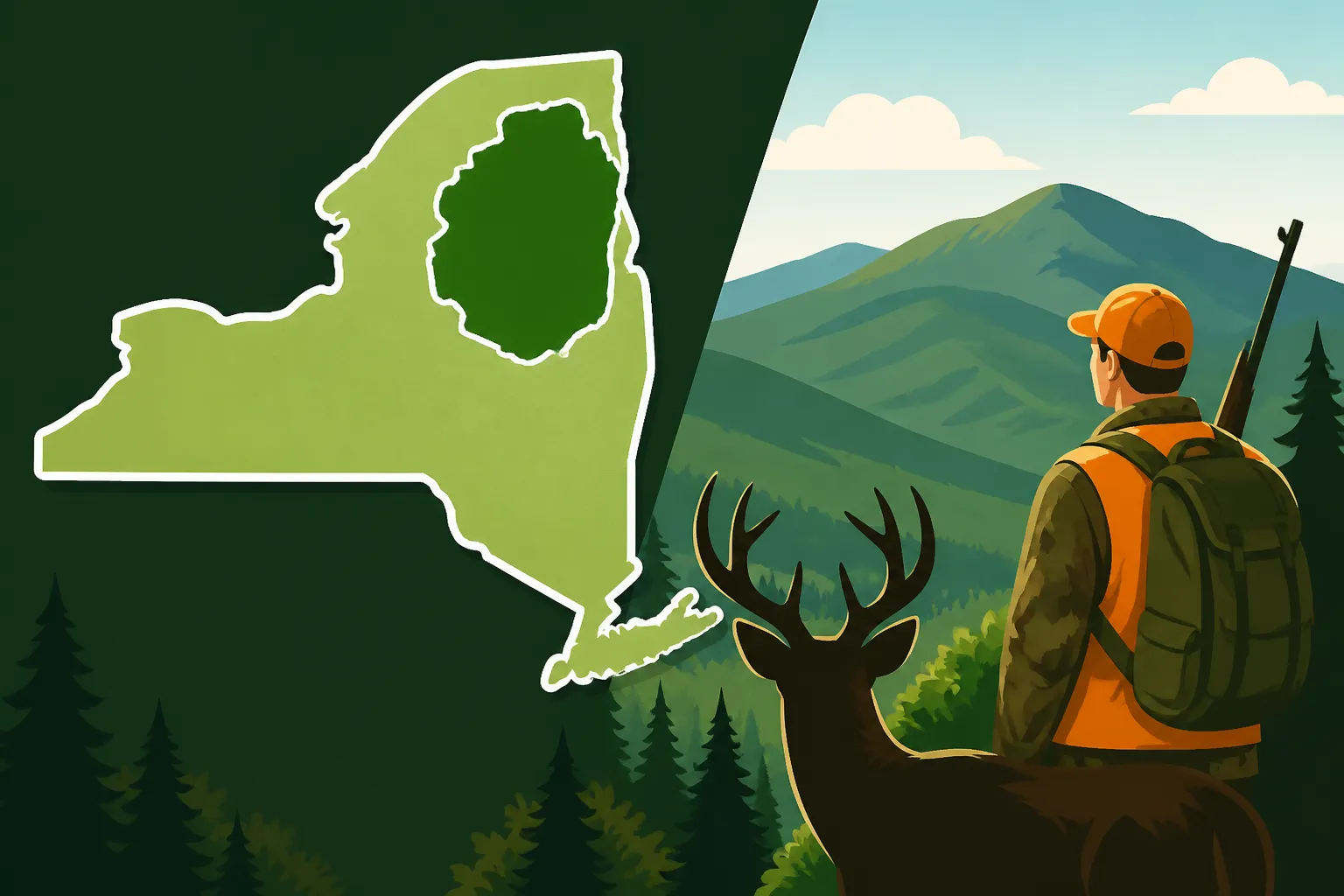
So, let's get down to brass tacks. The Adirondack Park covers approximately six million acres. Take a moment for that to sink in. Six million acres. To give you some context, that's roughly the size of the entire state of Vermont. Or, if you prefer another comparison, it's larger than the combined land area of Yellowstone, Glacier, Grand Canyon, and Yosemite National Parks. It’s absolutely massive, making it the largest publicly protected area in the Lower 48 states. This isn't just a place you drive through; it's a place you can get lost in, both literally and figuratively, which is part of its immense appeal for serious outdoors enthusiasts.
Imagine trying to explore Vermont, all its mountains, forests, and small towns, within one designated park boundary—that’s the challenge and the opportunity the Adirondacks present. This enormous scale is why you can find everything from easily accessible state forests to true wilderness areas within its borders, each offering a distinct experience for hunters, hikers, and anglers alike. Understanding this immense scale is the first step to appreciating the unique hunting opportunities found within the park.
The "Blue Line" and What it Encompasses
The Adirondack Park isn't defined by a simple, continuous fence line or a contiguous block of federal land. Instead, its boundaries are delineated by what's famously known as the "Blue Line." This isn't a physical barrier, of course, but an imaginary border on maps that encompasses a vast region within upstate New York. It was established way back in the late 19th century to protect the region's natural resources, primarily its forests and water quality, and to define the area under special state protection.
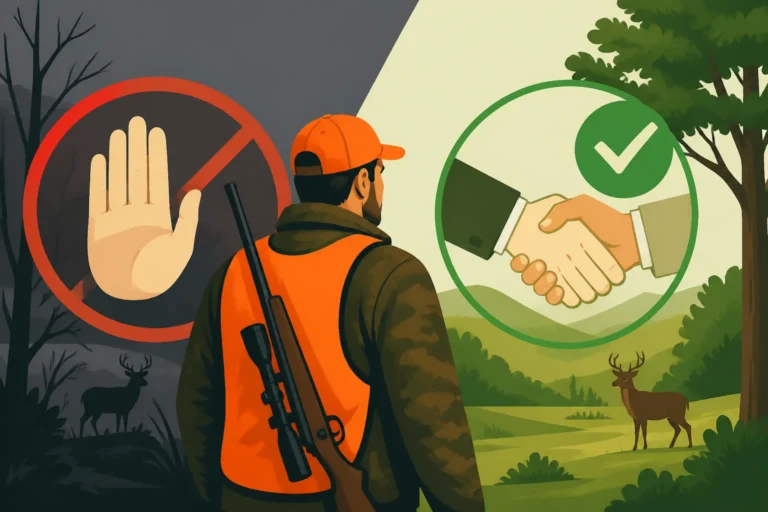
What's crucial to understand about the Blue Line is that it doesn't just enclose public land. In fact, roughly half of the six million acres within the Blue Line are privately owned, with the other half being public lands primarily managed as The Adirondack Forest Preserve. This unique blend of ownership types creates a complex checkerboard pattern that dictates where you can and cannot hunt, fish, or recreate. It’s not just one big chunk of wilderness; it’s an intricate mosaic where a farmer’s field might border a pristine state forest, and a remote lake might be surrounded by private camps. This complexity is what makes proper map reading and scouting absolutely essential for any hunter venturing into the Adirondacks.
A Mosaic of Land: Public, Private, and the Hunter's Challenge
The Adirondack Park's unique blend of public and private land is perhaps its most defining characteristic, presenting both incredible opportunities and significant challenges for hunters. Unlike a national park, where nearly everything is public and uniformly managed, the Adirondacks demand a more nuanced understanding of land ownership and access. This patchwork nature means that while vast tracts of wilderness beckon, you'll also be navigating areas with homes, businesses, and actively managed timberlands.
Understanding the Forest Preserve: "Forever Wild" and Public Access
Within the Blue Line, the public lands are largely part of The Adirondack Forest Preserve. These lands, totaling over 2.6 million acres, are protected by the New York State Constitution under the "Forever Wild" clause, meaning they must be "forever kept as wild forest lands." This designation prohibits logging, development, and many other activities that would alter their wild character. For hunters, this translates into vast, undisturbed tracts of mature forest, often with rugged terrain and minimal infrastructure.
Hunting on Forest Preserve land offers a truly primitive experience. You'll find few, if any, developed trails beyond those for hiking, and access often involves long walks or paddling into remote areas. This is where you can truly escape the crowds, especially if you're willing to go deep. It's also where you'll encounter deer and bear that see less human pressure, though their densities might be lower than in more agricultural areas. Understanding the specific regulations for Adirondack Wild Forest Versus Wilderness Areas is also key, as certain activities like camping or motorized vehicle use might differ.
The Role of Private Land Within the Park's Boundaries
Roughly half of the Adirondack Park is private land, which can be a source of confusion and frustration for hunters unfamiliar with the region. This private acreage includes everything from small residential lots and bustling village centers to vast timber company holdings and family estates. While public access on these lands is generally restricted, there are important exceptions and nuances that hunters need to be aware of.
Some large private landowners, particularly timber companies, participate in public access programs or offer leases, which can provide additional hunting opportunities. However, without explicit permission, hunting on private land is strictly prohibited. It’s crucial to know your boundaries, which is where tools like onX Hunt become invaluable. These apps allow you to see property lines and landowner information right on your phone, helping you avoid accidental trespass and ensuring you respect private property. Ignoring these boundaries not only risks legal trouble but also gives all hunters a bad name, making it harder for others to gain access in the future.
Navigating the Blend: Easements and Cooperative Lands
Adding another layer to the Adirondack land puzzle are conservation easements and state-owned cooperative lands. Conservation easements are agreements where private landowners sell or donate development rights to the state or a conservation organization, agreeing to keep their land wild while retaining ownership. Many of these easements include provisions for public recreational access, including hunting, creating more opportunities within the private land mosaic.
These easement lands often appear on maps as accessible, but it's vital to read the specific access rules for each parcel, as they can vary. Some might permit hunting but restrict vehicle use or camping. Similarly, New York also has programs where private landowners open their property for public hunting, sometimes in exchange for tax breaks or other benefits. These "Public Access Cooperator Farms" or similar programs add valuable acreage to the huntable landscape, often in areas that are otherwise heavily privatized. Always check the current DEC resources for maps and specific regulations on these unique tracts to make sure you’re hunting legally and ethically.
Here's a quick look at how the Adirondacks stack up against some other well-known large natural areas:
| Area Comparison | Size (Approximate) | Dominant Land Type | Primary Purpose | Hunter Access (General) |
|---|---|---|---|---|
| Adirondack Park, NY | 6 Million Acres | Mixed Public/Private | Conservation, Recreation | Extensive (Public), Permitted (Private) |
| Yellowstone NP, WY/MT/ID | 2.2 Million Acres | Federal Public | Preservation, Tourism | Restricted to None |
| Grand Canyon NP, AZ | 1.2 Million Acres | Federal Public | Preservation, Tourism | Restricted to None |
| State of Vermont | 6.1 Million Acres | Mixed Public/Private | Residential, Agriculture, Forestry | Extensive (Public & Private with Permission) |
| Baxter State Park, ME | 200,000 Acres | State Public | Wilderness Preservation | Limited (Backcountry) |
What the Park's Size Means for Hunters
The sheer scale and complex ownership of the Adirondack Park have profound implications for anyone looking to hunt within its borders. It’s not just about finding a spot; it’s about understanding the unique challenges and rewards that come with hunting such a vast and varied landscape. This isn't a place for casual, last-minute trips; it demands respect, preparation, and often, a willingness to work harder than you might elsewhere.
The Sheer Scope of Hunting Opportunities
With six million acres, the Adirondack Park offers an incredible diversity of hunting environments. From dense, mature hardwood forests in the interior where deer densities might be lower but trophy potential exists, to transitional areas bordering agricultural land on the park's periphery where deer thrive, there's truly something for every type of hunter. You can pursue whitetails, black bears, turkeys, grouse, and even various furbearers across vast tracts of public land. For example, hunters seeking solitude and a true wilderness experience for bear hunting often venture into the heart of the park, far from roads and human disturbance, relying on their tracking skills rather than bait. Hunting Bears in the Adirondack Interior can be a profound experience, but it demands serious planning.
The varied habitat supports a range of game, but it also means that tactics need to be adapted. What works for deer on the edges of agricultural fields in the Southern Tier simply won't cut it in the vast timber of the Adirondacks. Here, still-hunting, finding natural funnels, and understanding how deer use sparse food sources become paramount. The opportunity to find unpressured game, to truly feel like you're hunting in wild country, is a huge draw for many, and the size of the park ensures that such opportunities still exist.
Logistical Challenges of Such a Vast Area
While the vastness is a draw, it also presents significant logistical challenges. Navigation can be tricky, even with modern GPS devices, due to the sheer size and often featureless terrain of large tracts of unbroken timber. Cell service is notoriously spotty or non-existent in many parts of the park, making reliable, offline mapping tools crucial. Knowing Using HuntFishNY Without Cell Service or downloading maps beforehand is not just smart; it's essential for safety. Getting deep into the woods means long walks, which in turn requires careful planning regarding gear, water, food, and emergency supplies.
Recovery of game can also be a monumental task. A deer or bear downed a mile or two from the nearest road can turn into an all-day or even multi-day project, especially in challenging terrain or inclement weather. You need to consider how you’ll get an animal out before you even pull the trigger. Having a plan for field dressing, quartering, and potentially using a game cart or sled for longer hauls is critical. The scale of the Adirondacks demands a higher level of self-sufficiency and preparedness from hunters.
Different Hunting Experiences by Location
The Adirondack Park isn't monolithic; its vastness means that hunting experiences vary dramatically depending on where you are within the Blue Line. You have core wilderness areas, where strict regulations on motor vehicles and permanent structures create a truly wild, backcountry hunt. Then there are vast tracts of "wild forest" lands, still public and managed for wild character, but often with more access points and trails. Closer to communities and the park's perimeter, you find a greater mix of private land, agricultural fields, and smaller public parcels.
Each of these zones offers a different flavor of hunting. In the deep wilderness, you're hunting primarily for an experience of solitude and challenge, often pursuing mature bucks or bears that have grown wary from surviving harsh winters and avoiding human encounters. Here, understanding Where Adirondack Bucks Bed and how they use the terrain is vital. In the wild forest areas, you might find more diverse habitats due to past logging or natural disturbances, potentially leading to higher deer densities in certain areas. Along the edges, where public land meets private farms, hunting can involve more conventional tactics like setting up on field edges or near transitions between cover types. The park's size truly allows for a pick-your-own-adventure style of hunting, as long as you understand the nuances of each area.
Equipping Yourself to Conquer the Adirondacks
Successfully navigating and hunting the vast Adirondack Park requires more than just a hunting license and a firearm; it demands careful preparation and the right tools. Because of its immense size and often remote nature, being well-equipped is not just about comfort, but about safety and success. From navigation aids to appropriate clothing, every piece of gear plays a critical role in tackling the challenges of this immense landscape.
Essential Navigation Tools for the Big Woods
Given the potential for getting disoriented in the Adirondacks, reliable navigation is paramount. While a traditional compass and map (a physical, waterproof one!) are non-negotiable backups, modern technology has revolutionized how we approach the big woods. GPS units, ruggedized and designed for outdoor use, offer precise location data even without cell service. Companies like GoHunt and onX Hunt offer excellent mapping applications for your smartphone or dedicated GPS device that display detailed topographic maps, public/private land boundaries, and even features like logging roads or game trails.
Before you ever leave home, download your maps for offline use, mark potential access points, likely travel corridors for game, and any no-hunting zones. Knowing Finding New York Property Lines is critical, especially in the mixed land ownership of the park. Carry extra batteries or a power bank for any electronic devices. And practice with your compass and map. There will be times when technology fails, and your ability to read terrain and orient yourself with traditional tools could literally save your hunt, or even your life.
Scouting and Planning for Large Tracts
Hunting success in the Adirondacks often hinges on extensive scouting and meticulous planning, both before the season and on the ground. You can't just show up and expect to stumble upon game in such a vast area. Start by studying maps—topographical maps are your best friend for identifying ridges, valleys, water sources, and potential travel corridors. Look for changes in elevation, pinch points, or areas of thicker cover that might concentrate deer or bear movement. Reading Aerial Photos for Southern Tier Deer offers principles that can be adapted to identifying features in the Adirondacks, even if the habitat is different.
Pre-season boots-on-the-ground scouting, even if just for a day or two, can provide invaluable insight. Look for historical sign like old rubs or scrapes, bedding areas, and natural food sources. Pay attention to water sources, especially during dry spells, as they can be natural magnets for game. Remember, finding "ground others walk past" is a key strategy for public land hunting anywhere, but especially in the Adirondacks where many hunters stick to easily accessible areas. Don't be afraid to put in the miles to find those hidden pockets of activity.
Preparing for Remote Hunting Conditions
Hunting the Adirondacks means preparing for truly remote conditions, often far from immediate assistance. This isn't your suburban woodlot. Your gear choices need to reflect this reality. Layered clothing is essential, as temperatures can fluctuate wildly, and getting wet can quickly lead to dangerous situations, especially in late fall. Quality boots that can handle rough, wet, and often steep terrain are a must. A sturdy backpack, capable of carrying not just your daily essentials but also emergency gear, extra food, water, and perhaps even a quartered deer, is critical. Consider a pack like those designed for a Packs for a Backcountry Adirondack Hunt.
Always carry a well-stocked first-aid kit, fire-starting supplies, a headlamp, and a signaling device. Let someone reliable know your exact hunting plans, including your intended route and expected return time. The Adirondacks are beautiful but unforgiving, and its sheer size means that a minor mishap can quickly escalate if you're not prepared. Respect the vastness, plan diligently, and equip yourself properly, and the Adirondack Park will reward you with an unforgettable hunting experience.
Disclaimer
This article is for general informational purposes only and does not constitute professional advice. Laws, prices and regulations vary by location and change over time. Consult a qualified professional for guidance on your specific situation.