Packs for a Backcountry Adirondack Hunt
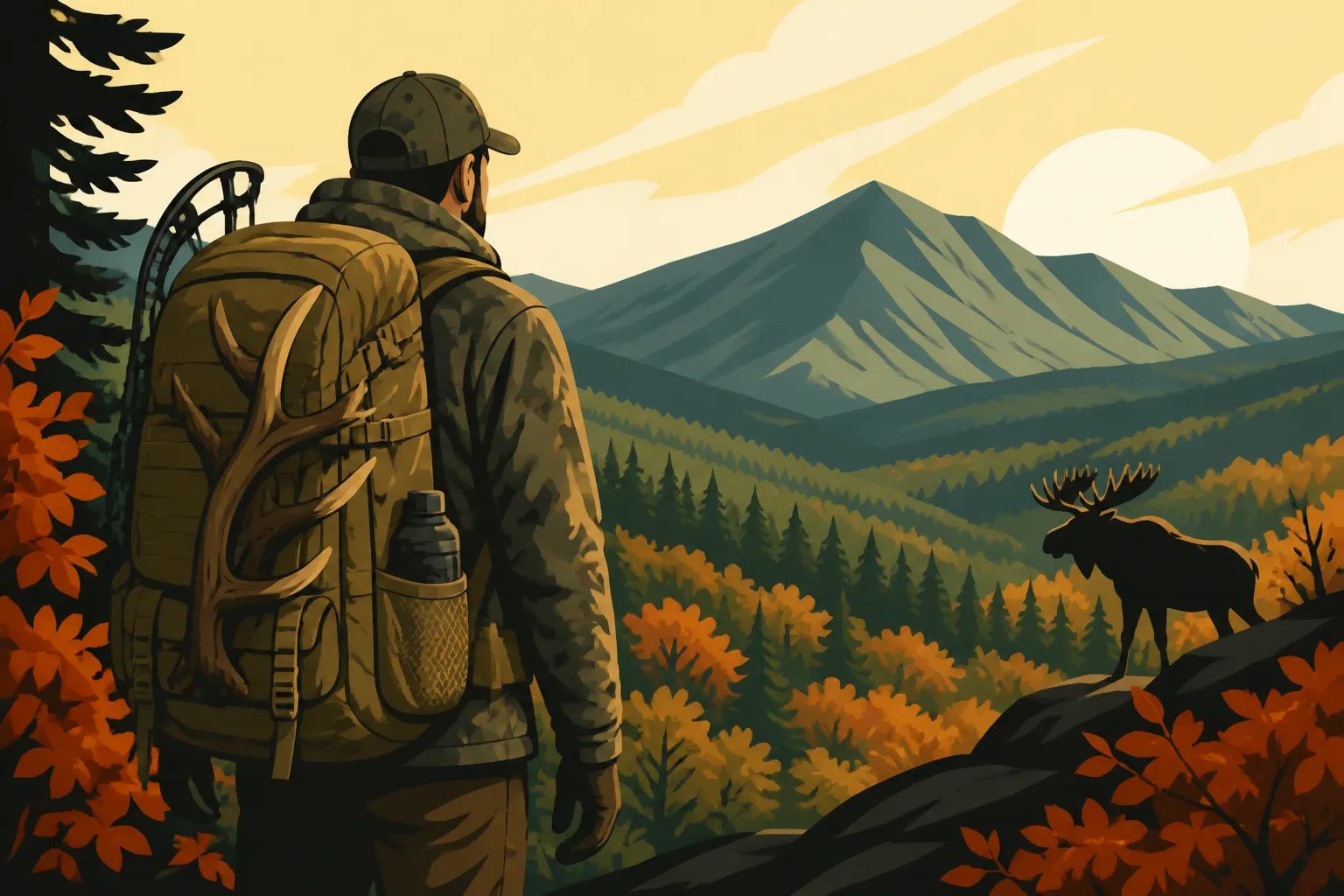
Heading into the vast, wild stretches of New York's Adirondack backcountry for a hunt is a truly unique experience, but it comes with a singular challenge: how do you carry everything you need to survive, hunt effectively, and then, if you're lucky, haul out hundreds of pounds of meat, all while navigating rugged terrain far from the nearest road? This guide will dive deep into selecting the right pack, understanding its critical features, and mastering the art of packing for a multi-day Adirondack adventure.
Understanding the Demands of an Adirondack Backcountry Hunt
Hunting in the Adirondack Park isn't like chasing deer in a suburban woodlot or sitting over a food plot. This is big, wild country, often without cell service, marked trails, or easy access. It demands a different approach to gear, especially when it comes to what you'll carry on your back for days on end.
Terrain and Weather Challenges
The Adirondacks are a tapestry of towering peaks, dense boreal forests, vast swamps, and hidden ponds. You'll encounter steep, rocky ascents, slippery moss-covered logs, thick blowdowns, and boggy sections that can swallow a boot whole. The trails, where they exist, are often rough and unmaintained, and off-trail travel means fighting through thick conifer stands and navigating by compass and GPS. This isn't a place for flimsy gear. Your pack needs to withstand abrasions from rocks and branches, repel moisture from persistent dew or sudden downpours, and remain comfortable while you're scrambling over obstacles.
Beyond the physical terrain, the weather in the Adirondacks is famously unpredictable. A crisp, sunny autumn morning can quickly turn into a freezing, sleeting afternoon, especially at higher elevations or in late season. Even in early archery season, nights can dip close to freezing. You might start a hunt in comfortable conditions and find yourself battling snow flurries or relentless rain by the second day. Your pack needs to protect your essential gear from the elements and accommodate extra layers, emergency shelter, and sufficient food and water to weather unexpected changes. The Adirondack Forest Preserve is a truly wild place, and your gear needs to reflect that.
The "Self-Sufficiency" Mindset
When you head deep into the Adirondacks, you are committing to a true backcountry experience. There's no running back to the truck for forgotten items, and help might be hours or even a full day away. This fosters a crucial "self-sufficiency" mindset. Every item in your pack must serve a purpose, and you need to carry what's necessary for survival, comfort, and the hunt itself. This includes navigation tools, first-aid, shelter, fire-starting materials, extra food, water filtration, and signaling devices, along with your hunting weapon and ammunition.
The challenge intensifies when you consider the potential for success. If you're fortunate enough to take a deer or a bear, your pack's role shifts dramatically. It needs to transform from a comfortable carrier of camp gear into a robust freight hauler, capable of distributing hundreds of pounds of meat, hide, and antlers across your frame for the long, arduous trek back to civilization. This dual requirement—carrying light for the hunt, but being ready to carry heavy for the extraction—is what truly defines the ideal pack for an Adirondack backcountry hunt. Thinking about Hunting Bears in the Adirondack Interior really drives home the need for this kind of versatility.
Types of Hunting Packs for the Backcountry
Choosing the right pack can feel overwhelming, especially with so many options on the market. For Adirondack backcountry hunting, you'll generally be looking at three main categories, each with its own strengths and weaknesses depending on your hunt style and expected load.
Day Packs with Expandable Capacity
Many hunters start with a solid day pack. These are typically designed for single-day excursions, carrying essentials like water, snacks, extra layers, and perhaps a small first-aid kit. However, for backcountry hunting, a standard day pack often falls short because it lacks the capacity for multi-day gear and, critically, the structural integrity to handle heavy meat loads.
An "expandable capacity" day pack aims to bridge this gap. These packs might offer compression straps that can cinch down a light load or expand to hold more gear. Some feature an external lashing system or a dedicated "meat shelf" that tucks away when not in use. While these can work for an ultralight, minimal two-day trip, they often compromise on comfort and weight distribution when pushed to their limits with heavy, awkward loads. They're excellent for the actual hunting portion of your trip once camp is set up, but relying solely on one for the initial haul into the backcountry with all your camp gear, and then out with a full animal, can lead to serious discomfort and even injury. They excel at being nimble for the stalk, but might struggle with the pack out from deep within areas like the Moose River Plains.
Internal Frame Backpacks
Internal frame backpacks are perhaps the most popular choice for modern backcountry hunters. These packs feature a frame (often aluminum stays or composite sheets) integrated directly into the pack body, close to your back. This design allows for excellent load transfer to your hips, which is crucial for carrying weight efficiently. The internal frame also tends to hug the body, making it more stable and less prone to snagging on branches when you're navigating dense cover.
These packs come in a wide range of capacities, from 3,000 cubic inches for shorter trips to 7,000+ cubic inches for extended excursions. Many internal frame packs designed specifically for hunting will incorporate a load shelf system, often allowing the main bag to be separated from the frame, creating space to sandwich meat directly against the frame and close to your back. This keeps the heaviest part of your load optimally positioned, reducing sway and improving comfort during a long pack-out. Look for robust hip belts, adjustable torso lengths, and plenty of external compression straps to secure loads both inside and out. Brands like Kifaru, Mystery Ranch, and Stone Glacier are well-regarded in this category, and you can often find reviews and comparisons on platforms like GoHunt to help you make an informed decision based on other hunters' experiences.
External Frame Packs for Heavy Hauls
External frame packs might seem a bit old-school to some, but they remain an incredibly effective tool for hauling truly heavy, bulky, or awkward loads. The frame on these packs is, as the name suggests, external to the pack bag, usually made of aluminum or sometimes carbon fiber. The pack bag itself attaches to this frame, and often, the bag can be completely removed, leaving just the bare frame.
This bare frame is where these packs shine for hunters. It creates an ideal platform for lashing out large quartered game, odd-shaped antlers, or even multiple treestands and camp gear that wouldn't fit inside a conventional pack bag. The rigid frame keeps the load away from your back, allowing for better ventilation, which is a blessing on a strenuous climb. While they might not hug your body as tightly as an internal frame pack, potentially leading to more sway in extremely rough terrain, their ability to handle massive, cumbersome loads with good weight distribution is unparalleled. If your primary concern is the most efficient way to haul a whole deer or a very large bear out of a deep wilderness area, an external frame pack or a hybrid internal/external frame system is definitely worth considering. These are often the choice for a dedicated meat hauler on a longer trip into areas where you might be Hunting a Funnel Between Two Swamps or other remote spots.
| Pack Type | Typical Capacity (Cu. In.) | Best Use | Pros | Cons |
|---|---|---|---|---|
| Day Pack (Expandable) | 1,500 – 3,500 | Day hunts, minimal overnight, camp excursions | Lightweight, agile, good for stalks | Limited capacity for multi-day, struggles with heavy meat loads, less support |
| Internal Frame Backpack | 3,000 – 7,000+ | Multi-day backcountry hunts, combined hunting and hauling | Excellent load transfer, stable, comfortable with moderate to heavy loads | Can be bulky in dense brush, slightly less adaptable for extreme loads |
| External Frame Pack | 4,000 – 8,000+ | Heavy meat hauling, oversized gear, extreme loads | Superior for heavy, awkward loads; excellent ventilation | Can be less stable in very rough terrain, frame can snag on branches |
Key Features to Look for in a Backcountry Pack
Once you've narrowed down the type of pack, it's time to dig into the details. Not all packs are created equal, and specific features can make or break your comfort and effectiveness in the Adirondack backcountry. Paying attention to these elements will ensure your pack is an asset, not a liability.
Frame Systems and Suspension
The heart of any good backcountry pack is its frame and suspension system. This is what transfers the weight from your shoulders to your hips, allowing your strong leg muscles to do most of the work. A well-designed frame will be rigid enough to prevent the pack from sagging or barreling into your back, even with heavy loads. Look for frames made from aircraft-grade aluminum or carbon fiber, as these offer the best strength-to-weight ratio.
Beyond the frame, the suspension system — which includes the shoulder straps, hip belt, and back panel — is paramount for comfort. Padded, adjustable shoulder straps should contour to your body without digging in. The hip belt is arguably the most important component; it should be wide, thickly padded, and rigid enough to hold its shape, effectively wrapping around your hips to distribute the load. Many high-quality hunting packs also offer adjustable torso lengths, allowing you to fine-tune the fit for your specific body measurements. A well-fitted pack ensures that 70-80% of the weight rests on your hips, leaving your shoulders free to move and minimizing fatigue. When you're facing a long slog through deep Adirondack timber, a quality suspension system will be your best friend.
Capacity and Compartmentalization
Pack capacity, measured in cubic inches or liters, dictates how much gear you can carry. For a multi-day Adirondack backcountry hunt, you'll generally want a pack in the 4,000 to 7,000+ cubic inch range, depending on the length of your trip, the season, and your gear list. Shorter, warmer trips might get away with smaller packs, but a late-season hunt requiring more bulky insulation and heavier sleeping gear will demand more space. Remember, you need room for camp essentials, hunting gear, food, water, and the potential space for meat.
Thoughtful compartmentalization can make a huge difference in staying organized and accessing gear quickly. Look for packs with:
- Main Compartment: A large, easily accessible area for bulky items like your sleeping bag, tent, and extra clothing.
- Access Points: Beyond a top-loading design, a full-length side zipper or bottom access zipper can save you from digging through your entire pack to find a needed item.
- External Pockets: Side pockets are great for water bottles, spotting scopes, or quick-grab items. Lid pockets are ideal for maps, headlamps, and other essentials you might need at a moment's notice.
- Hip Belt Pockets: Perfect for snacks, a small rangefinder, or a phone/GPS unit. This is especially useful if you use apps like GoHunt for navigation and want quick access.
- Rifle/Bow Carry System: Many hunting packs integrate dedicated sleeves or compression straps to securely carry your weapon, freeing up your hands for navigating rough terrain.
Careful planning of what goes where can save you precious time and frustration when you're cold, tired, and in a remote location.
Durability and Weather Resistance
The Adirondacks will test your gear. Your pack will be dragged, scraped, set down on wet ground, and exposed to all manner of weather. Durability is non-negotiable. Look for packs made from robust, high-denier nylons (like Cordura or similar ripstop fabrics). Reinforcements in high-wear areas, such as the bottom and corners, are a huge plus. Heavy-duty zippers from reputable brands are also crucial, as a broken zipper can quickly render a pocket or even a whole compartment useless.
While few packs are completely waterproof without an additional rain cover, good weather resistance is important. Fabrics with Durable Water Repellent (DWR) coatings and sealed seams will keep light rain and dew out. For serious downpours, a pack cover is essential, and many packs come with one integrated or available separately. Internally, using dry bags or waterproof stuff sacks for critical items like your sleeping bag, extra clothing, and electronics offers an additional layer of protection. Don't underestimate how quickly a prolonged rain can saturate your gear if it's not adequately protected. Wool Versus Synthetics in Wet Snow highlights the importance of keeping essential layers dry.
Fit and Adjustability
A pack that doesn't fit properly is a misery machine, no matter how well-made it is. Getting the right fit is critical for comfort and efficient weight distribution, especially when you're hauling heavy loads over varied terrain.
The most important aspect of fit is the torso length. Many quality packs offer an adjustable torso, allowing you to slide the shoulder straps up or down to match the distance from your C7 vertebra (the bony protrusion at the base of your neck) to the top of your hip bones. A properly set torso length ensures the hip belt sits correctly on your iliac crest, effectively transferring the weight.
Beyond torso length, look for:
- Adjustable Load Lifters: Straps that connect the top of the shoulder straps to the top of the pack frame. Tightening these pulls the top of the pack closer to your body, preventing it from leaning back and creating shoulder strain.
- Sternum Strap: This strap connects the shoulder straps across your chest, helping to stabilize the load and keep the shoulder straps from sliding off.
- Compression Straps: These are vital for cinching down the load inside your pack, preventing items from shifting and making the pack feel more stable. They can also be used externally to lash on extra gear like a sleeping pad, tent, or even a quartered game bag.
Don't just try on a pack in the store empty. Load it up with at least 30-40 pounds, adjust all the straps, and walk around for a bit. If a pack feels uncomfortable in the store, it will be unbearable a few miles deep into the Adirondacks. It's an investment in your hunt and your body, so take the time to get the fit right.
Packing Smart: What Goes Where
Choosing the right pack is only half the battle; knowing how to load it efficiently is equally important. A poorly packed bag can feel heavier, throw you off balance, and make finding crucial items a nightmare. For a backcountry hunt, you need a system that prioritizes both accessibility and weight distribution.
Essential Gear for Survival and Comfort
Your core survival and comfort items are the absolute non-negotiables. These are the things you need to stay alive, healthy, and reasonably comfortable for multiple days in the wilderness. Think of the "Ten Essentials," but tailored for a hunting trip:
- Navigation: GPS Units for Adirondack Backcountry Hunts or a reliable GPS device, map, compass, and knowledge of how to use them. Keep these easily accessible, perhaps in a hip belt pocket or lid.
- Shelter: A lightweight tent, tarp, or bivy sack, along with a sleeping bag and pad appropriate for the expected temperatures. Pack these at the bottom or middle of your main compartment.
- Fire Starters: Multiple reliable methods (lighter, waterproof matches, ferro rod). Keep one in a quick-access pocket and others safely stowed.
- First-Aid: A comprehensive First Aid Kits for Remote Adirondack Ground with trauma supplies, pain relievers, blister treatment, and any personal medications. Again, quick access is key, so often in a lid or external pocket.
- Lighting: Headlamp with extra batteries.
- Food and Water: Sufficient dehydrated meals, high-energy snacks, and a reliable water filter or purification tablets. Water bottles or a hydration bladder should be easily accessible.
- Clothing: Layers suitable for varying conditions. Packs Built for a Multi-Day Backcountry Hunt need to hold base layers, insulation, and waterproof outer shells.
- Knife/Multi-tool: Essential for countless tasks.
- Sun/Insect Protection: Depending on the season.
- Signaling Device: Whistle, signal mirror, or satellite communicator.
When loading your pack, place heavier but less frequently needed items (like your tent and sleeping bag) at the bottom. Mid-weight items (food, stove) go in the middle. Lighter, bulkier items (puffy jacket) can fill voids near the top. Items you'll need frequently or quickly (water, snacks, rain gear, first-aid, navigation) should be in external pockets, the lid, or the very top of the main compartment.
Planning for Meat Haul-Out
This is where hunting packs truly distinguish themselves. Unlike recreational backpacking, you must plan for the possibility of carrying a substantial, heavy, and awkward load of meat.
- Game Bags: Always carry multiple strong, breathable game bags. These protect the meat, keep it clean, and allow it to cool. Stash them in a dedicated pocket or easily accessible spot in your pack.
- Load Shelf: If your pack has a load shelf system, practice using it before you're standing over a downed animal. This system is designed to sandwich meat directly against the frame and closest to your back, creating the most stable and comfortable carry.
- Antlers: If you're successful with a buck, consider how you'll lash out the antlers. Many packs have external compression straps or specific loops for this. You might need to use paracord or extra straps. Positioning them so they don't catch on branches is crucial when you're trying to Drag a Deer Off a Catskill Ridge.
- Weight Distribution: Once you have meat in your pack, the heaviest part should still be close to your back and ideally between your shoulder blades and the small of your back. This keeps your center of gravity high and tight, preventing the pack from pulling you backward or swaying excessively. If you've quartered an animal, try to distribute the quarters evenly to maintain balance.
Remember, the pack-out is often the hardest part of the hunt. Being prepared with the right tools and knowing how to use your pack for this critical phase will save you immense effort and potential frustration.
Accessing Crucial Items
Imagine this scenario: a sudden Adirondack thunderstorm rolls in, and you're miles from camp. You need your rain gear now, not after you've emptied half your pack. This is why quick access to crucial items is so important.
- Rain Gear: Always store your rain jacket and pants in a top lid pocket or a large external pocket where they can be grabbed instantly.
- Water: Whether a hydration bladder or water bottles in side pockets, ensure you can drink without stopping and removing your pack.
- Snacks: Small, high-energy snacks in hip belt pockets mean you can fuel up on the go.
- Optics: Binoculars should be on a chest harness, but a spotting scope might go in a side pocket or small external pouch.
- Knife: Your primary hunting knife should be on your hip or in an easily accessible sheath on your pack.
- Navigation: Map, compass, and GPS (and your phone with a mapping app like GoHunt) in hip belt pockets or the lid. These are not items you want to be fumbling for when you're Finding Sign in Big Adirondack Timber and might be disoriented.
Take the time to develop a system for your gear that you can consistently follow. A systematic approach will pay dividends in the backcountry, especially when you're tired, it's dark, or the weather turns foul.
Testing and Preparing Your Pack for the Trail
Before you ever step foot on a trail deep in the Adirondack wilderness, your pack needs to be properly tested and prepared. This isn't just about loading it once; it's about understanding how it performs with weight and making sure it's ready for the rigors of a multi-day hunt.
Loading and Weight Distribution
The way you load your pack significantly impacts how it carries. Improper weight distribution can lead to shoulder pain, hip bruising, and an unstable load that constantly pulls you off balance.
- Heaviest items first: For general backpacking, it's often advised to put the heaviest items (like a water reservoir or densest food) close to your back, at shoulder blade height. However, for a hunting pack that might become a meat hauler, the design often allows for the heaviest load (meat) to be directly against the frame and as high as possible without becoming top-heavy.
- Dense items low: Lighter, bulkier items (like a sleeping bag or extra puffy jacket) should fill the bottom of the pack, creating a foundation.
- Medium weight in the middle: Your camp stove, fuel, and dehydrated meals can go in the middle.
- Lightweight, accessible items at the top: Rain gear, snacks, first-aid, navigation tools – things you might need immediately.
- Balance: Try to distribute weight evenly from side to side. An unbalanced pack will pull to one side, leading to fatigue and an increased risk of stumbling.
- Compression: Once packed, cinch down all internal and external compression straps. This prevents items from shifting and makes the pack feel more stable and integrated with your body. A loose load creates a "swaying" sensation that wastes energy and can be truly aggravating.
Practice loading your pack with the actual gear you intend to take. Even better, load it up with some dumbbells or sandbags to simulate a meat load and walk around your yard or neighborhood. This will reveal any hot spots or discomfort before you're miles from the truck.
Breaking In Your Pack and Your Body
Just like new boots, a new pack needs to be broken in – and so do you! Don't expect to throw on a brand new pack with a full load and hit the wildest parts of the Adirondacks without any issues.
- Pre-season Hikes: Take your loaded pack on several hikes before your hunt. Start with shorter distances and gradually increase the mileage and the weight. This helps the padding conform to your body and allows you to identify any areas of discomfort. It also allows you to dial in all the adjustments – shoulder straps, hip belt, load lifters, sternum strap – so they feel natural.
- Physical Conditioning: A pack, no matter how well-designed, is only as good as the body carrying it. Backcountry hunting in New York is physically demanding. Incorporate strength training (especially core and leg exercises), endurance training, and plenty of uphill hiking into your pre-season routine. Being in good physical shape will dramatically improve your comfort and performance with a heavy pack. Consider scouting trips to the actual hunting area as part of your conditioning, using tools like GoHunt to plan your routes and analyze elevation changes. This way you're Scouting New York Public Land Before Season and breaking in your pack simultaneously.
- Simulate the Pack-Out: If possible, practice hiking with a heavy, awkward load (like a sandbag or large bag of dog food) lashed to your pack's meat shelf or external frame. This specific type of load challenges different muscles and balance points than a neatly packed internal load, and practice is invaluable.
Maintenance and Longevity
Your backcountry pack is an investment, and proper care will ensure it serves you well for many seasons.
- Cleaning: After each trip, especially if the pack is dirty or blood-stained, clean it thoroughly. Spot clean with mild soap and water, avoiding harsh detergents that can damage fabric coatings. Let it air dry completely before storing to prevent mildew.
- Storage: Store your pack in a cool, dry place, away from direct sunlight, which can degrade fabrics over time.
- Inspect Regularly: Before and after each season, inspect your pack for any signs of wear and tear. Check zippers for smooth operation, look for frayed stitching on straps or seams, and examine the frame for cracks or bends. Address small issues proactively; a small tear can become a huge problem deep in the backcountry.
- Repair Kits: Consider carrying a small field repair kit that includes heavy-duty thread, a needle, duct tape, and safety pins. These can be lifesavers for minor tears or strap failures when you're far from civilization.
A well-maintained pack is a reliable partner in the wild. Investing time in its care is just as important as the initial investment you make in buying a quality pack for your Bowhunting New York's Long Archery Season or other backcountry adventures.
Disclaimer
This article is for general informational purposes only and does not constitute professional advice. Laws, prices and regulations vary by location and change over time. Consult a qualified professional for guidance on your specific situation.