Why New York Bear Hunters Cannot Use Bait
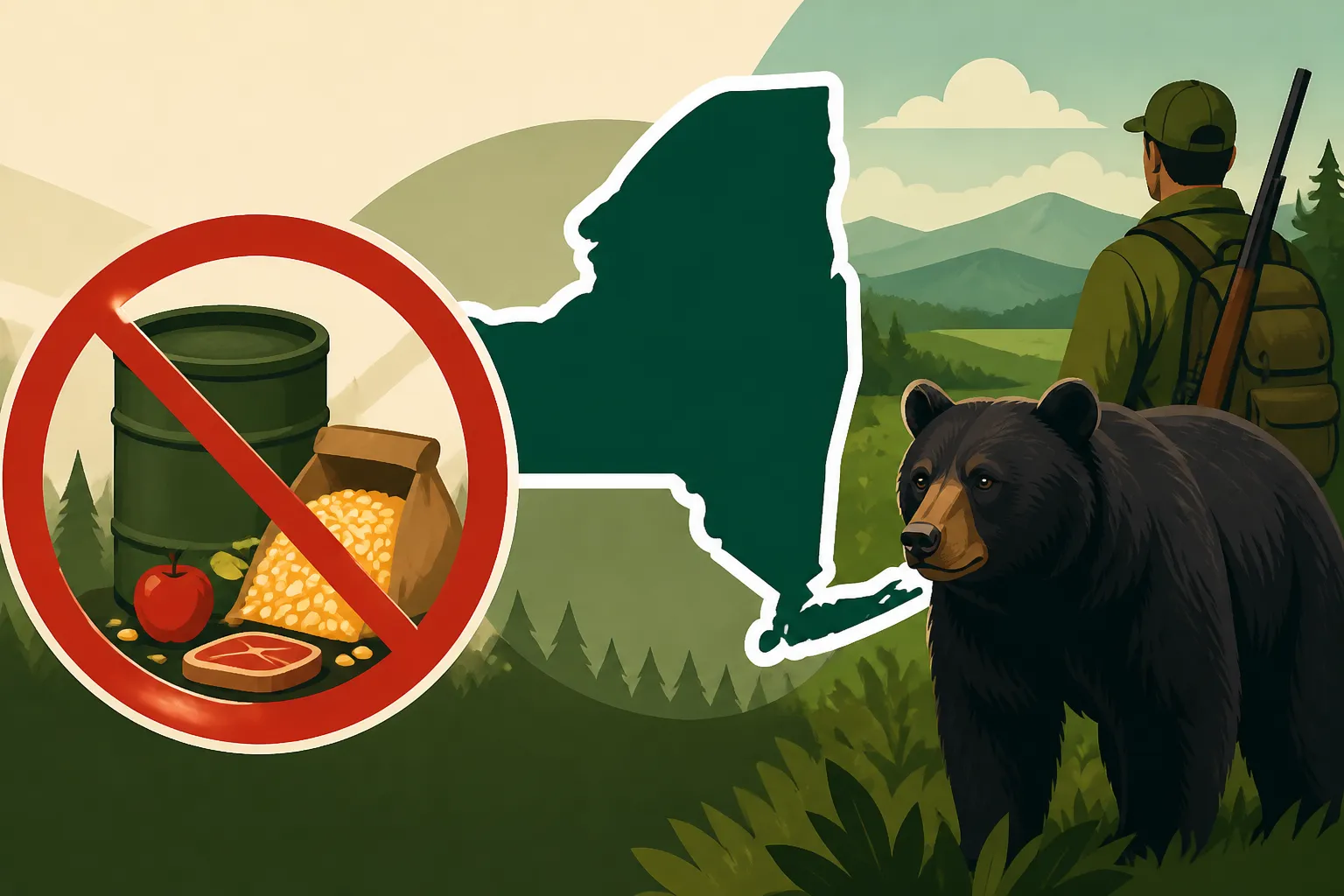
It's a common question, and honestly, a point of confusion for many hunters venturing into New York's bear woods: why can't we use bait? For those coming from states where baiting is a legitimate, widely accepted tactic for black bears, New York's strict "no baiting" rule can feel like an unnecessary hurdle, making an already challenging hunt even tougher. This guide will meticulously break down the rationale behind New York's regulations, help you understand exactly what's prohibited, and, most importantly, equip you with effective, legal strategies to successfully pursue black bears without a single donut hole.
Understanding New York's Bear Baiting Regulations
Navigating the rules for bear hunting in New York can sometimes feel like trying to solve a Rubik's Cube in the dark. The New York State Department of Environmental Conservation (DEC) has very clear, though often misunderstood, regulations regarding baiting for bears. It’s not just a suggestion; it’s a firmly established law designed to manage wildlife and preserve the integrity of the hunt.
The Legal Framework
The prohibition against bear baiting in New York is enshrined in the state's Environmental Conservation Law (ECL). Specifically, Title 3, Article 11, Section 11-0901, among other sections, outlines legal methods of taking big game, and the use of bait to attract bears is explicitly excluded. This isn't a new rule; it's been a foundational element of bear hunting in the state for a long time. The intent behind this law is multi-faceted, aiming to maintain fair chase principles, prevent undue concentration of wildlife, and mitigate potential human-wildlife conflicts. It ensures that the hunt remains a pursuit requiring skill, woodsmanship, and a deep understanding of bear behavior rather than simply setting up over a food source. For hunters, it means adapting to a different style of bear hunting than what might be common in other parts of the country, emphasizing the natural rhythms of the woods.
Defining "Baiting" in New York
This is where it gets particularly important for hunters. What exactly constitutes "baiting" in the eyes of the New York DEC? It's more than just putting out a pile of pastries. The regulation broadly prohibits placing, exposing, distributing, or scattering any food or other material to attract bears. This includes, but isn't limited to:
- Sweet Treats: Yes, those legendary donuts, candies, and sugary cereals that are common bait in other states are a definite no-go.
- Grains and Produce: Corn, apples, oats, or any other agricultural products intentionally left out to draw bears in. Even a small pile can be considered bait.
- Meat Scraps or Carcasses: Leaving out butcher scraps, old meat, or even parts of legally harvested game animals with the intent to attract bears is illegal. This can be a point of confusion, as hunting over a legally harvested deer carcass might be allowed under specific conditions for other species (like coyotes), but specifically to attract bears, it's prohibited.
- Scent Attractants: This is a trickier area. While general curiosity lures (like those made from anise or other strong smells) are generally not considered bait if they contain no nutritional value, placing something specifically designed to be ingested by a bear would fall under the baiting rule. The key is intent and whether the item provides sustenance. The DEC wants to prevent bears from associating specific locations with easy food rewards.
It's crucial to understand that even accidental baiting can lead to issues. If you're consistently dropping food scraps at a campsite or leaving pet food outside, and a bear starts frequenting that spot, you could inadvertently be creating a baiting situation. The best practice is to be meticulously clean and aware of anything that might intentionally or unintentionally draw bears.
Penalties for Violations
Let's be blunt: getting caught baiting for bears in New York is a serious offense, and the consequences can be significant. This isn't just a slap on the wrist. Violations of wildlife conservation laws, especially those pertaining to illegal methods of taking big game, can result in:
- Substantial Fines: You could be facing hundreds, potentially thousands, of dollars in penalties. These fines are designed to be a deterrent and reflect the seriousness with which the DEC views these infractions.
- Loss of Hunting Privileges: Your hunting license and privileges can be revoked for a period of time, sometimes for several years. For avid hunters, this can be one of the most painful consequences. Imagine having to sit out multiple seasons because of a poor decision.
- Confiscation of Equipment: The DEC has the authority to seize equipment used in the commission of a crime, which could include your firearm, bow, vehicle, or other gear.
- Potential Jail Time: In some egregious cases or repeat offenses, jail time is a possibility, though typically for more severe violations.
The point isn't to scare you, but to highlight the very real ramifications. It's simply not worth the risk. The financial and personal cost of a violation far outweighs any perceived benefit of baiting. Always err on the side of caution and ensure your hunting practices are fully compliant with New York's strict regulations.
Reasons Behind the Ban: DEC's Perspective on Bear Baiting
It's natural to wonder why New York maintains such a stringent stance against bear baiting, especially when it's permitted in many other states. The DEC's reasoning is rooted in a comprehensive approach to wildlife management, ethical hunting practices, and public safety. Understanding these deeper motivations can help hunters appreciate the regulation, even if it presents a greater challenge.
Ethical Considerations and Fair Chase
At the heart of many hunting regulations, including New York's baiting ban, lies the principle of "fair chase." This concept, championed by organizations like the Boone and Crockett Club, suggests that hunters should not have an unfair advantage over the animal they pursue. Baiting, from this perspective, can be seen as compromising fair chase by:
- Concentrating Animals: Bait piles bring bears to a predictable location, often at a specific time, reducing the need for hunters to scout, track, or understand natural bear movements. The challenge of locating and approaching a truly wild, free-ranging animal is significantly diminished.
- Habituating Bears: Regular baiting can accustom bears to human-provided food, making them less wary of people and more reliant on artificial sources rather than natural foraging. This can fundamentally alter their behavior, making them less "wild."
- Reducing Skill and Effort: A successful bait hunt often relies more on patience at a stand than on sophisticated woodsmanship. New York's regulations encourage a more active, skill-based hunt, where success is a direct result of a hunter's ability to interpret sign, read terrain, and move through the wilderness effectively. Many New York hunters pride themselves on the challenge of Hunting Bears Without Bait in New York because it feels like a truer test of their abilities.
For the DEC and many traditional hunters, fair chase is about respecting the animal and the hunting tradition itself. It ensures that the achievement of a successful hunt is genuinely earned through effort and knowledge.
Wildlife Management and Human-Bear Conflict
Beyond ethics, the baiting ban plays a critical role in sound wildlife management. New York's black bear population is thriving, and bears are increasingly expanding their range, even into more populated areas. Baiting can exacerbate potential human-bear conflicts in several ways:
- Altering Foraging Patterns: When bears become accustomed to a consistent, high-calorie food source from bait, they may abandon natural foraging behaviors. This can lead to nutritional deficiencies if baiting stops, or it can draw them into areas where their natural foods are scarce, forcing them closer to human habitation.
- Increased Density and Disease Spread: Bait piles act like a magnet, drawing multiple bears into close proximity. This increased density at a single location creates prime conditions for the rapid transmission of diseases and parasites among the bear population. While Chronic Wasting Disease is primarily a concern for deer, the principle of concentrated feeding sites increasing disease risk is universal among wildlife.
- Habituation to Human Presence: Bears that frequently visit bait sites learn to associate humans with food. This learned behavior can lead to increased boldness around homes, campsites, and rural communities, potentially resulting in property damage, garbage raiding, and dangerous encounters. The DEC works tirelessly to minimize these conflicts, and the baiting ban is a key tool in that effort. Imagine the chaos if dozens of bears became accustomed to easy meals right outside a small Catskills town.
- Skewed Population Data: Baiting can make it harder for wildlife managers to accurately assess bear populations and understand their natural movements and food preferences. Bears concentrating at bait sites might give a false impression of localized density, making effective management more challenging.
By prohibiting baiting, New York aims to keep its bear population wild, encourage natural foraging behaviors, and reduce the likelihood of bears becoming a nuisance or danger to people. This is particularly important given New York's Black Bear Population has seen significant growth and expansion.
Disease Transmission Risks
One of the most critical public health and wildlife management concerns related to baiting is the heightened risk of disease transmission. When animals congregate at a shared food source, the potential for infectious diseases and parasites to spread rapidly skyrockets.
- Direct Contact: Bears will often touch, sniff, and sometimes fight over bait, facilitating direct contact and the exchange of saliva, nasal secretions, and other bodily fluids. This is a perfect vector for viruses, bacteria, and parasites.
- Contaminated Food Source: Bait itself can become contaminated. A sick bear could defecate or urinate on the bait, or simply leave behind pathogens as it feeds. Subsequent bears consuming that bait could then become infected.
- Increased Stress: While not a direct cause of disease, the stress of competing for limited bait resources can weaken a bear's immune system, making it more susceptible to infections.
- Example Pathogens: Diseases like mange, various bacterial infections, and internal parasites can spread much more easily when bears are gathered at bait sites. These outbreaks can decimate local populations and pose ongoing challenges for wildlife health management.
The DEC's proactive approach to preventing disease transmission through measures like the baiting ban helps protect the overall health and resilience of New York's Black Bear Population, ensuring a healthier future for these magnificent animals.
Public Perception and Hunter Image
Another significant, though sometimes overlooked, reason for the baiting ban relates to public perception and the overall image of hunting. In an increasingly urbanized society, hunters are often under scrutiny, and public support for hunting can be fragile.
- Negative Perceptions: For many non-hunters, and even some hunters, the idea of baiting animals can be seen as unsporting, unethical, or even cruel. Images of bears feeding on large piles of human-provided food can easily be misinterpreted and contribute to a negative view of hunting.
- Maintaining Credibility: The DEC, as a steward of wildlife and public lands, has a vested interest in promoting responsible, ethical hunting practices. By prohibiting baiting, they uphold a higher standard of fair chase and demonstrate a commitment to sound wildlife management, which in turn helps maintain public trust and support for hunting as a conservation tool.
- Protecting Access: If hunting practices are perceived negatively by the general public, it can lead to increased calls for restrictions, bans, and reduced public land access. Maintaining a positive image helps safeguard hunting opportunities for future generations.
New York's approach reflects a desire to protect hunting's reputation and ensure it continues to be seen as a legitimate, respectful, and challenging endeavor. This aligns with the broader goals of preserving New York's rich hunting heritage.
Effective Bear Hunting Strategies Without Bait in New York
So, if you can't use bait, how do you hunt bears effectively in New York? This is where the true art of bear hunting comes into play. It requires diligence, patience, and a deep understanding of bear behavior and habitat. While it can be challenging, a successful bait-free bear hunt is incredibly rewarding, proving your skills as a true woodsman.
Scouting and Identifying Natural Food Sources
This is your number one priority when bear hunting in New York. Bears are driven by their stomachs, especially during the fall when they are packing on fat for hibernation. Knowing what they're eating and where they're finding it is key.
- Acorns and Beechnuts: Hard mast crops are king. In the Catskills and Adirondacks, oak and beech ridges can be absolute magnets for bears. During late summer and early fall, scout for areas with heavy acorn or beechnut production. Look for fresh droppings (often full of mast hulls), overturned rocks and logs where bears have dug for grubs, and even claw marks on trees where they've climbed for nuts. A tool like GoHunt can be incredibly useful here, allowing you to layer aerial imagery and topographic maps to identify promising hardwood ridges and potential travel corridors between them.
- Wild Apples and Berries: Early in the season, wild apple trees, blackberry patches, and blueberry thickets are hot spots. Look for old homesteads or abandoned fields where apple trees might still be producing. Bears will gorge themselves on these high-sugar fruits.
- Softwoods and Wetlands: Don't overlook swamps, bogs, and conifer stands. While not primary food sources, these areas often contain berry bushes, skunk cabbage, or simply offer thick, secure cover where bears feel safe bedding. Bear trails leading into or out of these areas are prime locations for an ambush.
- Pre-Season Scouting: This can't be stressed enough. Get out in the woods weeks before the season. Look for fresh sign, identify active feeding areas, and learn how bears are using the terrain. This is far more effective than just showing up on opening day. When scouting, focus on areas known for Hunting Bears Over Natural Food Sources.
Still-Hunting and Stalking Techniques
Still-hunting is perhaps the most challenging, yet ultimately most rewarding, method for bear hunting without bait. It demands extreme patience, keen observation, and silent movement.
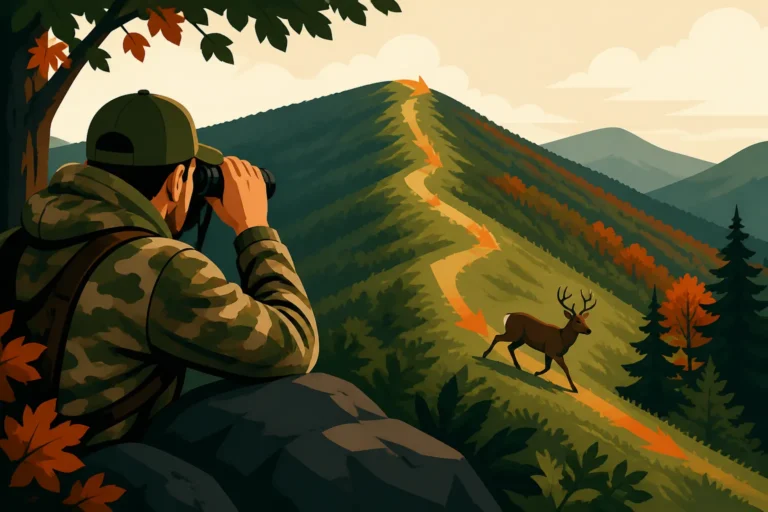
- Slow and Steady Wins the Race: Move at a snail's pace, often taking only a few steps every minute. Stop frequently and scan thoroughly with your binoculars. Bears can blend into the shadows surprisingly well. Look for subtle movements, a flick of an ear, or the dark outline of a bear against the forest floor.
- Utilize the Wind: This is paramount. Bears have an incredible sense of smell. Always hunt into the wind or with a crosswind. If the wind shifts unfavorably, either reposition or stop hunting until conditions improve. Learn how Wind and Thermals on a Catskill Ridge affect game movement and your scent dispersion.
- Focus on Cover and Shadows: Bears feel secure in thick cover. Target areas with dense undergrowth, blowdowns, or shadows where bears might be resting or moving unobserved.
- Read the Ground: Look for fresh tracks, scat, and rubs. Newer tracks mean a bear has recently passed through. Follow these signs slowly and carefully, constantly checking the wind. When Spot-and-Stalk Tactics for Catskill Bears are employed, moving with stealth and checking for fresh sign is key.
- Patience, Patience, Patience: Still-hunting isn't about covering ground quickly; it's about covering it effectively. Many bears are spotted because they move first, revealing their position. Your patience will pay off.
Ambush Hunting Near Travel Corridors and Rubs
Setting up an ambush can be highly effective, especially once you've identified key bear movement patterns. This method relies on putting yourself in a strategic location and letting the bears come to you.
- Natural Funnels: Look for geographical features that naturally funnel bear movement. These could be narrow strips of timber between open areas, saddles on a ridge, drainage crossings, or the edges of dense swamps. Bears, like deer, prefer the path of least resistance.
- Bedding to Feeding Areas: Identify likely bedding areas (thick cover, north-facing slopes in warm weather, south-facing slopes in cold weather) and connect them to active feeding sites. Bears will travel between these two points, often using consistent trails.
- Bear Trails and Rubs: Look for well-worn bear trails. These are often distinct from deer trails, wider and showing heavier impressions. Bears will also rub trees, often small conifers, to leave their scent, sometimes with claw marks visible. These rubs indicate a bear is active in the area.
- Stand Placement: Choose a treestand or ground blind location that offers good visibility, a clear shooting lane, and, most importantly, allows you to approach and exit undetected. Always consider the prevailing wind direction for your chosen stand. A good mapping app like GoHunt can help you identify these spots and plan your access. Knowing where Hunting Bears in the Adirondack Interior means setting up strategically near these natural funnels.
- Legal Shooting Hours: Remember to be in your stand well before legal shooting light and stay until the very end. Bears are often most active during the first and last hours of daylight.
Hunting Over Scavenged Carcasses (Legal Considerations)
This is a nuanced area and often a point of confusion for hunters. To be absolutely clear: you cannot place a carcass or parts of a carcass with the intent to attract bears for hunting. That would be baiting.
However, if you have legally harvested a deer (or other legally hunted big game) and you leave the gut pile in the woods, it is generally not illegal to then hunt over that naturally occurring, legally produced food source for bears if your primary intent is to hunt bears, not to create a bait station for deer. The DEC explicitly states that it is illegal to hunt over "put and take" game bird releases, but the rules around gut piles for other species are different than placing bait.
Crucial Caveats:
- No Enhancement: You cannot add anything to the gut pile. No additional scraps, no sweets, no oils. It must remain exactly as it was left from the field dressing process.
- Incidental Attraction: The gut pile should be a natural consequence of a legal harvest, not an intentional "baiting" setup. The intent here is paramount. You are hunting over a natural attractant, not bait.
- Local Regulations: Always double-check current DEC regulations and consult with a local Environmental Conservation Officer (ECO) if you have any doubts. Regulations can change, and interpretations can vary.
This is a strategy that requires careful understanding of the law and a commitment to ethical hunting. If you are uncertain, it is always best to avoid the situation entirely to prevent any potential legal issues. Focus on Late-Season Food Sources for New York Whitetails which can also be bear attractants for a less ambiguous approach.
Gear and Preparedness for Bait-Free Bear Hunting
Success in bait-free bear hunting in New York hinges not only on your knowledge and skill but also on having the right gear. Being prepared for the demands of long hikes, unpredictable weather, and potentially difficult recoveries is paramount.
Essential Optics and Navigation
When you're not relying on a fixed bait site, your eyes and your ability to navigate become your most critical tools.
- High-Quality Binoculars: A good pair of 8×42 or 10×42 binoculars is non-negotiable. You'll be spending a lot of time still-hunting and glassing vast tracts of timber, looking for the tell-tale black shape or movement. Invest in optics that perform well in low light conditions, as bears are often most active at dawn and dusk. Brands like Vortex, Leupold, or Swarovski offer excellent clarity and durability. You'll want to choose the Binocular Power for Timber Hunting that best suits your style.
- Rangefinder: While shots at bears are often close in the dense New York woods, a rangefinder is still invaluable. It helps you accurately judge distances in unfamiliar terrain, ensuring ethical shot placement when an opportunity arises.
- GPS Unit or Mapping App: Navigating the extensive state forests, WMAs, and forest preserves in New York requires reliable navigation. A dedicated GPS unit like a Garmin eTrex or a robust phone app such as GoHunt (which offers excellent mapping overlays, property boundaries, and aerial imagery) is essential. Make sure to download offline maps before you head out, as cell service is often nonexistent in prime bear country. Knowing how GPS Units Versus Phone Apps differ in their utility can save you a headache.
- Headlamp: For those early morning hikes in or late evening recoveries, a reliable headlamp with a red light option is crucial.
Scent Control and Quiet Movement
Bears have an incredible sense of smell, far superior to deer. Minimizing your scent is critical, especially when still-hunting or setting up an ambush.
- Scent-Eliminating Clothing and Sprays: Wash your hunting clothes in scent-free detergent and store them in airtight bags. Use scent-eliminating sprays on your outer layers, boots, and even your bow or rifle. While no method is 100% foolproof, every little bit helps.
- Odor-Absorbing Layers: Consider base layers with odor-absorbing properties, like activated carbon or silver-infused fabrics.
- Wind Direction is King: No amount of scent control will fully mask your presence if a bear gets directly downwind of you. Always prioritize the wind.
- Quiet Clothing: Choose outer layers made from quiet fabrics like fleece or wool that won't rustle or make noise as you move through brush. Avoid noisy synthetics or stiff waterproof shells unless absolutely necessary.
- Soft-Soled Boots: Your footwear should be comfortable for long hikes but also quiet. Soft-soled rubber boots or hiking boots can help you move silently through the woods, minimizing crunching leaves or snapping twigs.
Appropriate Firearms and Ammunition
When a bear finally presents a shot opportunity, you need a firearm and ammunition combination that can ethically and effectively do the job.
- Rifle Calibers: For black bears, many popular deer calibers work well, provided you use the right bullet. A .30-06, .308, .270, or even a 6.5 Creedmoor with a stout, controlled-expansion bullet is sufficient. Bigger calibers like a .300 Win Mag or .338 Win Mag are certainly effective but not strictly necessary for black bears. The key is bullet construction – you want a bullet that will penetrate deeply and hold together. Consider Rifle Calibers for New York Bear carefully.
- Shotguns: In areas where rifles are restricted, a 12-gauge or 20-gauge slug gun with heavy, accurate slugs (like sabot slugs) is a potent choice. Practice extensively to know your shotgun's effective range and accuracy.
- Bows and Crossbows: For archery hunters, a setup capable of delivering plenty of kinetic energy with heavy, sharp broadheads (fixed blade usually preferred for penetration) is crucial. Aim for maximum penetration through dense muscle and bone.
- Practice, Practice, Practice: Knowing your equipment and being proficient with it is paramount. Practice shooting from various positions you might encounter in the field, not just from a bench. A bear vital zone is relatively small, and a clean, ethical shot is your responsibility. Make sure to understand Shot Placement on a New York Black Bear before you head afield.
- Bear Spray: While not a hunting weapon, carrying bear spray is a wise safety precaution, especially when hunting in areas with high bear densities. It's a non-lethal deterrent for close encounters.
| Category | Legal for Bear Hunting in NY (Without Bait) | Illegal for Bear Hunting in NY |
|---|---|---|
| Attractants | Scouting natural food sources (acorns, berries, beechnuts), using non-nutritional scent lures (e.g., anise oil) | Placing any food item (donuts, corn, apples, meat scraps) to intentionally attract bears. |
| Methods | Still-hunting, stalking, ambush hunting from treestands/ground blinds, calling (distress calls, cub calls) | Hunting over intentional bait piles. (Note: Hunting over a legally harvested deer gut pile for bear can be legal, but intent is key and no enhancements are allowed) |
| Gear | Rifles (legal calibers), shotguns (slugs), bows, crossbows, quality optics, GPS/mapping apps (like GoHunt) | Devices that generate bait, electronic calls that emit actual animal sounds (check specific regulations on calls). |
| Carcass Use | Hunting near existing, legally harvested deer gut piles (with caveats regarding intent and no enhancement) | Placing new carcasses or carcass parts with the intent to attract bears. |
Being well-prepared with the right knowledge and gear will significantly increase your odds of success when hunting bears in New York's challenging, bait-free environment. For more information on New York Bear Harvest Trends or New York Bear Season by Zone, consult the DEC's official resources. Don't forget to pack a sturdy frame pack, especially if you anticipate success, as Packs Built for a Multi-Day Backcountry Hunt are essential for getting a bear out of remote territory.
Disclaimer
The information provided in this article is for general guidance and informational purposes only. Hunting regulations can change, and interpretations of laws may vary. It is the responsibility of every hunter to consult the most current New York State Department of Environmental Conservation (DEC) hunting regulations guide, available on their official website or at license vendors, before engaging in any hunting activity. Always confirm specific rules, seasons, and legal requirements for the Wildlife Management Unit (WMU) you plan to hunt. Failure to do so may result in penalties.