Hunting Tug Hill Plateau Deer
Hunting the Tug Hill Plateau for deer can feel like stepping back in time, a rugged challenge that tests even the most seasoned hunters. The deep snows, dense conifer swamps, and vast, wild woodlands present a unique set of obstacles that are a world apart from hunting typical farm country or rolling Catskill hills. This guide will walk you through the distinct characteristics of Tug Hill, equip you with the specialized tactics needed to succeed, and help you prepare for the demanding conditions you'll encounter in this untamed corner of New York.
Understanding the Unique Tug Hill Deer Habitat
The Tug Hill Plateau, nestled between Lake Ontario and the Adirondacks, is a truly distinct geographical region in New York State, known for its extreme lake-effect snows and rugged, remote landscape. This isn't your average deer hunting ground; it demands a different mindset and a tailored approach. For hunters, understanding this environment is the first step to success.
The Landscape and Its Challenges
The Tug Hill is largely characterized by expansive forests, a mix of hardwood ridges, vast spruce-fir swamps, and dense conifer stands. Unlike many other parts of New York, agriculture is sparse here, meaning deer rely heavily on natural browse. The elevation, though not as dramatic as the Adirondacks or Catskills, is still significant enough to create varied terrain, from rolling hills to steep river gorges carved by the Black River and its tributaries.
The defining feature, however, is the snow. Tug Hill is renowned for receiving some of the highest snowfall totals east of the Rocky Mountains, often accumulating several feet of snow by late November and maintaining it well into spring. This extreme snow depth profoundly impacts deer movement. When the snow gets deep enough, deer "yard up," congregating in sheltered areas, typically dense conifer swamps or thick evergreen stands, where the snow cover is less severe, and food sources are more accessible. For a hunter, this means knowing how to identify these wintering areas, but also acknowledging the immense physical challenge of navigating through deep, often crusty snow, especially when dragging a deer out. It’s a frustrating reality to know deer are present but be physically limited by the conditions.
Food Sources and Deer Behavior in Tug Hill
Deer on the Tug Hill Plateau have adapted to a diet primarily composed of natural browse. While you might find the occasional small, abandoned apple orchard or a logging cut with some regenerated saplings, vast fields of corn or soybeans are rare. Instead, deer browse on twigs, buds, and leaves from various trees and shrubs like maples, beech, and dogwood. During the fall, they'll seek out acorns, beechnuts, and even fallen apples from scattered wild trees, if available. However, these mast crops can be inconsistent, making deer movements less predictable than in agricultural areas.
As winter approaches and the snow deepens, their food sources become even more critical. They will concentrate their feeding efforts in areas that offer both cover and food, such as young forest clearings with regenerating hardwoods or edges of dense cedar swamps where they can reach browse protected by the canopy. Understanding these patterns is key. For example, after a poor acorn year, deer might be more focused on other browse species, and knowing this can help you predict where they'll be spending their time. This behavior is quite different from what you'd see when hunting the Southern Tier Farmland Deer, where food sources are more abundant and often concentrated. The deer here are hardy and resilient, but their survival depends on finding these crucial resources in a challenging environment.
Essential Tactics for Tug Hill Whitetails
Hunting the Tug Hill Plateau is less about high-volume deer sightings and more about strategic, patient hunting that capitalizes on understanding the terrain and weather. It's a game of chess, not checkers, and the board changes dramatically with every snowfall.
Scouting in a Snow-Dominated Environment
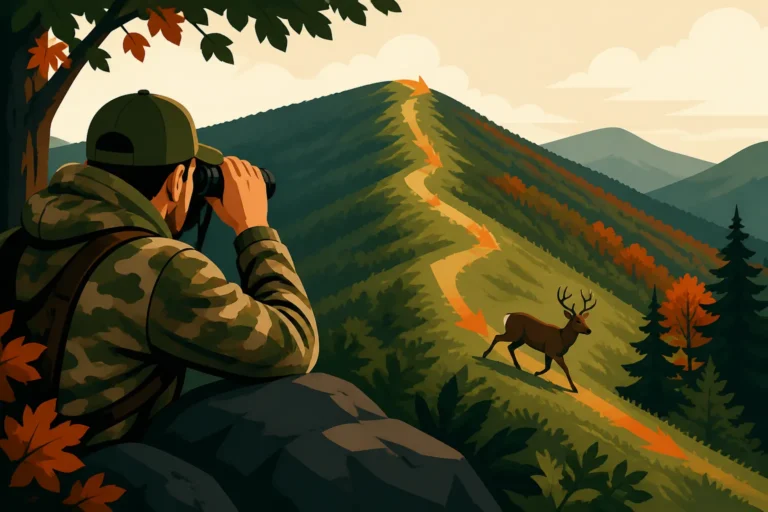
Scouting on the Tug Hill presents unique challenges. During the pre-season, especially late summer and early fall, the woods are incredibly dense, and bug pressure can be intense. Finding definitive deer sign like rubs and scrapes can be tough in such thick cover, and navigating without getting turned around is a skill in itself. This is where tools like the GoHunt app or other robust mapping software become invaluable. You can pour over aerial photos and topographical maps, identifying potential travel corridors, conifer thickets, and elevation changes that might funnel deer movement. Look for saddles, benches, and the transition lines between hardwoods and evergreens. These are often the same places you might consider when Hanging a Stand on an Adirondack Funnel, albeit with different tree species.
Once the snow arrives, however, the game changes. Fresh snow becomes your best friend, transforming the landscape into a giant, readable canvas. Now, you’re looking for tracks, not just any tracks, but consistent travel routes, concentrated feeding areas, and most importantly, deer yards. These yards are often in the thickest cedar or hemlock swamps, offering shelter from the brutal winds and deep snow. Identifying these areas is crucial, as deer will often remain there for weeks or even months once the snow depth forces them to congregate. Scouting during the snow can also help you understand how deer are using thermal cover and micro-terrain features to avoid the harshest conditions. This kind of diligent post-snow scouting is far more effective than trying to interpret faint sign from months prior.
Still-Hunting and Drives in Dense Cover
Given the dense nature of Tug Hill cover, still-hunting is an incredibly effective, albeit slow and deliberate, tactic. The idea is to move through the woods at a snail's pace, taking only a few steps, then pausing to scan, listen, and look for any flick of an ear, a horizontal line in a vertical world, or the subtle glint of an antler. You're not trying to cover miles; you're trying to dissect a small piece of ground. Pay close attention to wind direction, using it to your advantage, and utilize natural terrain features for cover as you move. This method requires immense patience, but it allows you to adapt to the unpredictable nature of deer in thickets.
Deer drives can also be highly successful, especially later in the season when deer are yarded up or concentrated in specific cover types. However, "drives" on Tug Hill aren't often the sprawling, many-man affairs you might see in more open country. Here, smaller, more controlled drives with three or four hunters are often more effective. A couple of hunters act as "drivers," slowly pushing a thicket or a section of a swamp, while one or two "posters" set up along anticipated escape routes. The key is to understand how deer will naturally try to escape pressure in that specific piece of terrain. Often, they'll circle back, sneak out the side, or try to slip through the thickest part of the cover. Knowing the subtle nuances of the terrain, like a hidden logging road or a slight rise in elevation, can be the difference between success and failure.
Treestand and Ground Blind Strategies
While treestands are a staple for many deer hunters, their deployment on the Tug Hill comes with considerations. The remote nature of much of the public land means hauling heavy stands can be a significant undertaking, and finding the "perfect" tree in a sea of conifers isn't always easy. Mobile setups, like hang-on stands with climbing sticks, or even saddle hunting, can offer more flexibility. Focus on identifying natural funnels, pinch points, or travel corridors leading into or out of winter yarding areas or feeding locations. Setting up during the late archery season might put you in a good spot for when the snow really starts to fly, but remember the impact of deep snow on your ability to reach and exit your stand.
Ground blinds, on the other hand, can be incredibly effective, especially in dense conifer cover where they blend in naturally. They offer excellent concealment, provide a barrier against the elements, and allow for a quick setup and takedown. Imagine slipping into a thick cedar swamp during a snowstorm, setting up a brushed-in pop-up blind along a well-used deer trail leading to a browse patch. The deer are already seeking shelter, and your blind provides you with the same. Remember, scent control is paramount, even in cold weather, as deer will often be moving slowly and deliberately. Using a Ground Blind on New York Public Land effectively means understanding the subtle ways deer use cover for security and travel.
Gear and Preparation for Tug Hill Hunting
The Tug Hill's notorious snow and cold demand a serious approach to gear and preparation. This isn't a place where you can skimp on quality or overlook details; your comfort, safety, and success hinge on being adequately equipped.
Cold Weather and Deep Snow Gear
Staying warm and dry is the absolute priority when hunting Tug Hill. Layering is not just a suggestion; it's a survival strategy. Start with a moisture-wicking base layer (wool or synthetic), add insulating mid-layers (fleece or down), and top it with a waterproof, windproof outer shell. Your outer layer should also be quiet, as brush will be scraping against you constantly.
Footwear is perhaps the most critical component. Forget your lightweight hiking boots; you'll need seriously insulated, waterproof boots rated for extreme cold, like those from brands such as Irish Setter or Schnee's. Look for boots with 1000 grams or more of Thinsulate, and make sure they are tall enough to handle deep snow, possibly 16 inches or more. Carrying extra socks and changing them mid-day can be a game-changer for foot warmth. Once the snow gets deep, snowshoes or backcountry skis are essential for covering ground efficiently and quietly. Nothing will ruin a hunt faster than cold, wet feet, so invest in quality. You might also want to look into specialized gear for Hunting Deer in Deep Tug Hill Snow.
Navigation and Safety in Remote Terrain
The Tug Hill, particularly its vast public lands, can be disorienting. Dense, uniform timber, combined with heavy snow, makes it easy to lose your bearings. A reliable GPS unit is non-negotiable. While smartphone apps like GoHunt offer incredible mapping capabilities, remember that cell service can be spotty to non-existent in many remote areas. Download offline maps of your hunting area before you go. Always carry a traditional compass and a physical map as a backup. Knowing how to use them without relying on batteries could literally save your life.
Beyond navigation, personal safety requires careful planning. Carry a fully charged cell phone (in a waterproof bag), but also a satellite communication device like a Garmin inReach or a Zoleo. These allow you to send emergency messages even without cell service. A well-stocked first-aid kit, fire-starting materials, a headlamp with extra batteries, and emergency food and water are also crucial. When you're focused on Tracking a Deer in Fresh New York Snow, it's easy to push deeper than planned, and the conditions can change rapidly. Always let someone know where you're going and when you expect to return.
Firearm and Ammunition Considerations
Choosing the right firearm for Tug Hill often comes down to personal preference and the specific regulations of New York's Northern Zone. Rifles are generally allowed in the Northern Zone, and a reliable bolt-action in a common caliber like .30-06, .308, or even a .270 is a solid choice. In the dense cover, shots are often close, but having the power to punch through light brush or drop a deer quickly is advantageous. Consider a scope with good low-light gathering capabilities, as hunting in thick timber can mean perpetual twilight.
For those hunting during the muzzleloader season, the challenges are amplified. Keeping a Muzzleloader Dry in Lake-Effect Snow is a constant battle. A good scope cover, electrical tape over the muzzle, and even a simple piece of inner tube around the breech can help. Modern inline muzzleloaders are generally more weather-resistant than traditional percussion caps. Regardless of your firearm, make sure it's sighted in for the distances you expect to shoot, which on Tug Hill, often means 100 yards or less. Practice shooting with gloves on, and understand that frozen fingers can significantly impact your dexterity and trigger pull.
Key Seasons and Regulations on the Tug Hill
Navigating the hunting seasons and regulations on the Tug Hill Plateau requires a clear understanding of New York's zoning system, particularly its Northern Zone rules. This isn't a "one-size-fits-all" scenario across the state.
Understanding the Northern Zone Calendar
The Tug Hill Plateau falls squarely within New York's Northern Zone, which operates on a different deer season calendar than the Southern Zone. This distinction is vital for planning your hunt. The Northern Zone generally has an earlier archery season, followed by a firearm season that is often shorter and starts earlier than its Southern Zone counterpart. For instance, the regular firearm season in the Northern Zone typically opens in late October and concludes in early December. This shorter window, combined with often rapidly deteriorating weather conditions, means hunters need to be prepared for cold and snow right from opening day. There are also specific rules for muzzleloader hunting, which often follows the regular firearm season.
It's critical to consult the current New York DEC hunting regulations guide each year, as dates can shift slightly. You'll want to pay close attention to the specific dates for archery, regular firearm, and muzzleloader seasons. These unique calendars are a key aspect of How New York's Two Deer Zones Split the Calendar, and understanding them is fundamental to successful hunting on Tug Hill. Knowing these specific season structures will allow you to plan your trips when deer are most active or when conditions might be most favorable for tracking in snow.
Deer Management Permits (DMPs) and Antler Restrictions
Deer Management Permits (DMPs), often referred to as antlerless tags, play a significant role in managing deer populations across New York, and the Tug Hill is no exception. Availability of DMPs varies by Wildlife Management Unit (WMU) and is dependent on the local deer population goals. Many areas on the Tug Hill, due to the colder winters and historic deer population challenges, may have more limited DMP availability compared to, say, the Finger Lakes Region. However, this isn't always the case, and some WMUs might have more DMPs available to address localized population concerns.
New York also implements antler restrictions in certain WMUs to promote an older age structure in the buck population. While many of the Tug Hill WMUs historically have not had strict antler restrictions, always double-check the current regulations for the specific WMU you plan to hunt. These restrictions dictate whether a buck needs to have a minimum number of points on one side or a certain antler spread to be legal. Understanding New York Deer Management Permits Explained is crucial, as is checking the specific rules for antler restrictions in your chosen WMU, as they directly impact what deer you can legally harvest. These regulations are designed to help maintain a healthy deer herd, but they absolutely require hunters to be informed and compliant.
| Hunting Tactic | Ideal Snow Depth | Recommended Gear | Notes for Tug Hill |
|---|---|---|---|
| Early Season Scouting | 0-6 inches | GPS, good boots, bug spray, binoculars | Focus on identifying funnels and sign before heavy snow. |
| Still-Hunting | 6-18 inches | Snowshoes/skis, warm layers, quiet outer shell | Move slowly, use wind to your advantage, look for subtle movement. |
| Deer Drives (Small) | 12-36 inches | Snowshoes, warm clothes, communication device | Effective in thick cover or yarding areas; posters and drivers. |
| Treestand Hunting | 0-12 inches (or less) | Mobile stand/saddle, lifeline, insulated layers | Set up on travel routes to/from feed or cover; access can be tough with deep snow. |
| Ground Blind Hunting | Any depth | Portable blind, brush-in material, warm layers | Excellent in dense conifer cover, provides concealment and weather protection. |
| Tracking in Fresh Snow | 3-12 inches | Snowshoes/skis, good optics, durable knife | Best after a fresh snowfall; follow distinct tracks to deer. |
Disclaimer
Please remember that hunting regulations, season dates, and permit availability can change annually. Always consult the most current New York State Department of Environmental Conservation (DEC) hunting regulations guide before heading afield. Safety should always be your top priority when hunting.