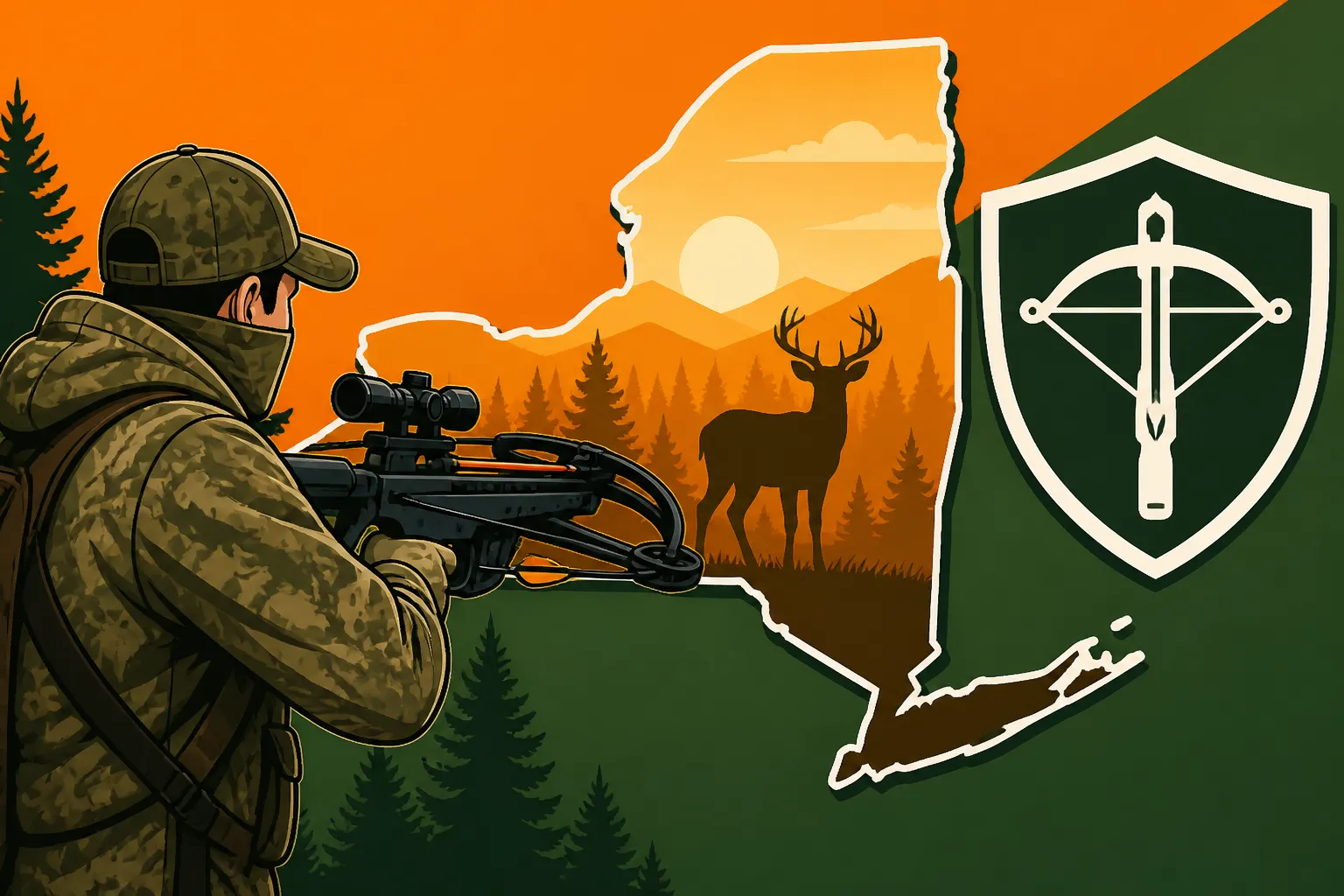
Crossbow Rules During New York Archery Season
For many New York hunters, the idea of using a crossbow during archery season has been a bit of a moving target, often shrouded in confusion and changing regulations. It’s tough to keep up when the rules seem to shift, leaving you wondering if your preferred method is even legal for the upcoming season. This guide aims to clear the air, diving deep into the current crossbow regulations for deer hunting in New York's archery season, so you can head to the woods with confidence and clarity.
The Shifting Landscape of Crossbow Use in New York
Crossbows in New York hunting have certainly had a journey, evolving from a highly restricted tool to one that’s now more widely accepted, albeit with specific guidelines. For years, only hunters with specific disabilities or those over a certain age could even consider picking one up for deer season, creating a real divide in the hunting community.
A History of Debate and Regulation Changes
The conversation around crossbows has been a passionate one, with traditional archers often expressing concerns about "fair chase" and potential impacts on deer populations, while advocates highlighted increased accessibility for older hunters, those with physical limitations, or new hunters drawn to the sport. It wasn't that long ago that the thought of a general crossbow season was met with significant resistance. I remember when the debate raged on forums and at sportsman's shows, with both sides making valid points. The New York State Department of Environmental Conservation (DEC) carefully considered these arguments, looking at data from other states and hunter participation trends.
Eventually, the DEC recognized the potential benefits of allowing broader crossbow use, particularly in boosting hunter recruitment and retention. This led to significant legislative changes over the past decade, gradually expanding where and when crossbows could be legally used. This gradual rollout has, unfortunately, contributed to some of the ongoing confusion, as hunters accustomed to older rules might not be fully aware of the latest updates. It’s why staying informed is so crucial; what was true five years ago might be completely different now.
Current Legal Framework for Archery Season
As of today, crossbows are a legitimate tool for deer hunting during New York's archery seasons, but it’s not a blanket allowance. The state has distinct zones, the Northern Zone and the Southern Zone, each with its own calendar for hunting seasons. These zones are crucial to understand because they dictate specific start and end dates for various weapon types, including crossbows. You can find a comprehensive breakdown of these dates by checking out New York Deer Seasons by Zone.
For both the Southern Zone and the Northern Zone, crossbows are generally permitted throughout the entire open archery season. This means that if you're hunting in the Southern Zone, you can use a crossbow from the traditional archery opener right through to the final day, including during the late-season archery reopener in certain areas. Similarly, hunters pursuing deer in the Northern Zone can utilize crossbows for the full duration of their respective archery season. This expanded access has been a game-changer for many hunters who previously felt left out of the early-season action or found the physical demands of a compound or traditional bow too great. It’s important, however, to always double-check the current year's regulations on the DEC website, as minor adjustments or specific Wildlife Management Unit (WMU) restrictions can sometimes apply.
Key Regulations for New York Crossbow Hunters
Beyond simply being allowed, there are specific criteria and equipment standards that New York crossbow hunters must adhere to. This isn't just about safety; it's about ensuring fair chase and responsible hunting practices, protecting the resource for everyone.
Who Can Use a Crossbow and When
To legally hunt with a crossbow during New York's archery season, you first need to possess a valid New York State hunting license with bowhunting privileges. This isn't just a regular hunting license; it specifically requires completing a New York State Bowhunter Education course, which covers everything from shot placement and deer anatomy to tracking and safety. Many hunters take this course online, but there are also in-person field days. This requirement ensures that anyone using a bow, be it traditional, compound, or crossbow, has a fundamental understanding of ethical bowhunting practices. The rules around New York Hunter Education Requirements are critical for anyone getting started.
Once you have your bowhunting privileges, you are generally permitted to use a crossbow throughout the entire designated archery season in both the Northern and Southern Zones. There are no additional special permits or stamps required specifically for crossbows beyond the standard bowhunting privilege. This is a common point of confusion for new crossbow users, but the DEC simplified it to be included under the general bowhunting umbrella. While there was talk of Proposed Changes to New York Crossbow Limits in the past, for now, it's generally consistent with the broader archery season. This means if you're planning to hunt New York's Long Archery Season, your crossbow is a viable option from day one.
Crossbow Specifications and Equipment Requirements
New York State has established clear specifications for the crossbows themselves to ensure they meet certain performance and safety standards. These aren't arbitrary; they’re designed to ensure humane kills and prevent unsafe equipment from being used in the field. Here’s a breakdown of the key requirements:
- Minimum Draw Weight: Your crossbow must have a minimum draw weight of 100 pounds. This isn't just a number; it ensures that the crossbow can generate enough kinetic energy to deliver a lethal shot on a deer, especially when encountering tougher hide or bone.
- Maximum Draw Weight: There's also a maximum draw weight of 200 pounds. While powerful, extremely heavy draw weight crossbows can sometimes lead to issues with noise, vibration, and even structural integrity, which could affect accuracy and safety.
- Minimum Limb Width: The limbs of the crossbow must be at least 17 inches in width when uncocked. This helps define what constitutes a legal crossbow and prevents the use of highly compact, often unregulated devices that might not be designed for hunting.
- Minimum Arrow Length: You must use bolts (arrows) that are at least 14 inches long, measured from the nock to the point of the broadhead. Shorter bolts can be unstable and less accurate, compromising ethical shot placement.
- Broadhead Requirements: Like all archery hunting in New York, broadheads used with crossbows must have at least two cutting edges and be at least 7/8 inches wide. Expanding broadheads are allowed as long as they meet these minimum width requirements when fully expanded. Using dull or undersized broadheads is not only illegal but deeply unethical, as it significantly reduces the chances of a quick, humane kill.
- Safety Devices: Crossbows must be equipped with a working safety device to prevent accidental discharge. This is a non-negotiable safety feature, crucial for handling the weapon responsibly, especially when navigating dense cover or climbing into a stand.
It's crucial to inspect your crossbow and bolts before each season to ensure everything is in compliance and good working order. Don't assume your equipment is legal just because it worked last year; always double-check against the current regulations.
Here's a quick reference table for crossbow specifications in New York:
| Specification | Requirement | Purpose |
|---|---|---|
| Minimum Draw Weight | 100 lbs | Ensure sufficient kinetic energy for humane kill |
| Maximum Draw Weight | 200 lbs | Maintain safety and manageable performance |
| Minimum Limb Width | 17 inches (uncocked) | Define legal crossbow configuration |
| Minimum Bolt Length | 14 inches (nock to broadhead point) | Promote stable flight and accuracy |
| Broadhead Width | Minimum 7/8 inches (expanded if mechanical) | Ensure effective cutting for humane kill |
| Safety Device | Functional safety mechanism | Prevent accidental discharge and enhance safety |
Understanding Zone-Specific Rules and Exceptions
While crossbows are generally permitted throughout the archery seasons in both the Northern and Southern Zones, it’s vital to understand that New York’s hunting regulations can be granular. The state is divided into numerous Wildlife Management Units (WMUs), and occasionally, special rules or exceptions might apply to certain WMUs or specific areas. For instance, some urban or suburban WMUs might have unique regulations designed to manage deer populations in close proximity to human dwellings, which could affect weapon choice or season dates.
For example, when considering Hunting the Southern Zone Holiday Hunt, crossbows are often legal, extending opportunities well into December. However, in other specific areas, particularly those with very high human population density or unique local ordinances, there could be restrictions on weapon types or hunting methods. Always verify the specific rules for the WMU you plan to hunt. A powerful tool for this is the Scouting With the New York HuntFishNY App. This app provides detailed maps, regulations by WMU, and can even help you understand boundary lines, preventing accidental trespass or hunting in a restricted zone. The GoHunt platform is also an excellent resource for overlaying property lines and understanding specific WMU regulations, helping hunters plan their trips more effectively and ensuring they stay within legal boundaries.
Avoiding Common Pitfalls and Staying Compliant
Even with the best intentions, it's easy to make a mistake if you're not meticulous. One of the most common pitfalls is simply not knowing the most current regulations. Laws can change year to year, and what you learned a decade ago might no longer apply. Always check the official DEC hunting guide each season. Another common error is failing to carry all required documentation. You need your physical hunting license, bowhunting privileges, and potentially a signed tag or permit for any additional deer you might harvest through programs like New York Deer Management Permits Explained.
It’s also critical to understand New York Legal Shooting Hours for archery season, which generally extend from one-half hour before sunrise to one-half hour after sunset. Shooting outside these hours, even by a few minutes, is a serious violation. Additionally, reporting your harvest correctly and promptly is not just a courtesy, it’s a legal requirement. New York mandates that all deer harvested be reported to the DEC, usually through the HuntFishNY app or website. Failure to report a kill can lead to fines and penalties. Many hunters find platforms like GoHunt invaluable for keeping track of these nuances. The mapping features can help you identify public land boundaries and even anticipate areas of high hunting pressure, while their frequently updated regulatory information is a lifesaver.
Why These Rules Matter for Conservation and Fair Chase
The regulations surrounding crossbow use, like all hunting rules, aren't arbitrary. They're carefully crafted to serve multiple purposes, from managing wildlife populations responsibly to upholding ethical hunting standards that ensure a future for our sport.
Balancing Hunter Opportunity with Deer Management
The DEC's decision to expand crossbow use was a direct result of balancing increased hunter opportunity with sound deer management principles. On one hand, allowing crossbows brings more people into the field, whether they're seasoned hunters who can no longer draw a compound bow, or newcomers looking for an accessible entry point into archery. This expanded participation is crucial for conservation, as license sales and Pittman-Robertson excise taxes on hunting equipment fund the vast majority of wildlife management and habitat restoration efforts in the state. By making bowhunting more inclusive, New York aims to reverse declining hunter numbers and secure funding for future generations.
On the other hand, the regulations are designed to prevent overharvest. The DEC closely monitors deer populations across the state, and the length and timing of seasons, combined with bag limits and permit systems, are all tools used to keep the deer herd healthy and in balance with its habitat. Crossbows, with their increased accuracy and flatter trajectory compared to traditional bows, are considered in these management equations. The goal is to maximize hunter satisfaction while still achieving deer population objectives, ensuring that the resource remains sustainable for years to come. Understanding this delicate balance is key to appreciating why these rules are in place, even if they sometimes feel restrictive.
Ethical Considerations for Crossbow Hunting
Ethical hunting is at the core of New York's regulations, and crossbows are no exception. The rules regarding draw weight, broadhead size, and even hunter education are all aimed at promoting humane and responsible hunting. For any hunter, regardless of weapon, the paramount ethical consideration is ensuring a quick, clean kill. With a crossbow, just like with a compound bow, this means:
- Shot Placement: Prioritizing broadside or slightly quartering-away shots that target the vital organs (lungs and heart). Avoid risky shots, especially quartering-to or straight-on shots, which have a much higher chance of only wounding the animal.
- Distance Management: Understand your effective range. While a crossbow is mechanically more accurate at longer distances than a freehand compound bow for many shooters, ethical hunting dictates knowing your personal maximum range for a lethal shot. This isn't just about hitting the target; it's about hitting it precisely where it needs to be hit. Practice regularly at various distances, and never take a shot in the field that you aren't 100% confident in making in practice.
- Knowing Your Equipment: Being intimately familiar with your crossbow, its trigger pull, its sound, and how different bolts fly. This familiarity comes from consistent practice on the range, not just a few shots before opening day. A well-tuned crossbow, paired with sharp, legal broadheads, significantly increases the likelihood of a humane harvest.
- Patience and Tracking: Just because you can shoot from a distance doesn't mean you always should. Patience in the stand to wait for the perfect shot opportunity is critical. And if you do make a shot, responsible hunters dedicate themselves to tracking and recovering the animal, even if it takes hours or extends into the next day (within legal recovery periods and with landowner permission if needed).
These ethical considerations are universal to all forms of archery, and crossbow hunters are held to the same high standards. Tools like GoHunt can help you scout and understand terrain, which aids in setting up for ethical shot opportunities and makes tracking more efficient. Being a responsible crossbow hunter means not just following the letter of the law, but also embracing the spirit of fair chase and respect for the game we pursue.
Disclaimer
The information provided in this guide is for general informational purposes only and is not a substitute for the official regulations published by the New York State Department of Environmental Conservation (DEC). Hunting laws and regulations can change frequently. Always consult the current year's official New York State Hunting and Trapping Regulations Guide or the DEC website before participating in any hunting activities. It is the hunter's responsibility to know and comply with all applicable laws and regulations.