New York Disability Hunting Permits
For hunters in New York facing physical challenges, the dream of pursuing game can often feel out of reach, burdened by concerns about accessibility, specific regulations, and the physical demands of the field. This comprehensive guide is here to shed light on New York's disability hunting permits, detailing the requirements, privileges, and practical considerations so you can confidently continue your passion for the outdoors.
Understanding New York's Disability Hunting Permit Options
Navigating the world of hunting with a disability can feel like an uphill battle, but New York State offers specific permits designed to help. These aren't just special tags; they’re a recognition that for some, traditional hunting methods or access points simply aren't feasible. It's about leveling the playing field and ensuring that everyone who wants to experience the thrill of the hunt has a fair shot. The New York Department of Environmental Conservation (DEC) has provisions for hunters with qualifying disabilities to use certain adaptive equipment or methods that would otherwise be prohibited.
Who Qualifies for a Disability Hunting Permit?
The first hurdle is always eligibility. It's not a generic permit for anyone with a health issue; there are specific criteria that must be met, usually involving a medical certification of a permanent physical disability. This often means providing documentation from a licensed physician that clearly outlines the nature and extent of your disability, and how it impacts your ability to perform standard hunting actions, such as walking, holding a firearm steady, or getting to remote hunting locations. For instance, someone with a severe and permanent mobility impairment that prevents them from walking long distances or safely ascending a treestand might qualify. Likewise, individuals with certain neurological conditions affecting muscle control or stability could also be candidates. The DEC is looking for clear evidence that without these special provisions, a hunter would be significantly disadvantaged or outright unable to participate.
The application process typically involves a detailed form where your physician certifies your condition. It’s crucial that the doctor understands the implications for hunting, as they’ll need to attest to specific limitations, not just a general diagnosis. Don't be surprised if the DEC asks for more information or a more detailed explanation from your healthcare provider. They want to ensure these permits are issued responsibly and to those who genuinely need them. It’s always best to start this process well in advance of hunting season, as it can take some time for review and approval.
Types of Permits and Associated Privileges
New York offers a few distinct disability permits, each addressing different needs and granting specific privileges. It's not a one-size-fits-all approach, and understanding which permit applies to your situation is key.
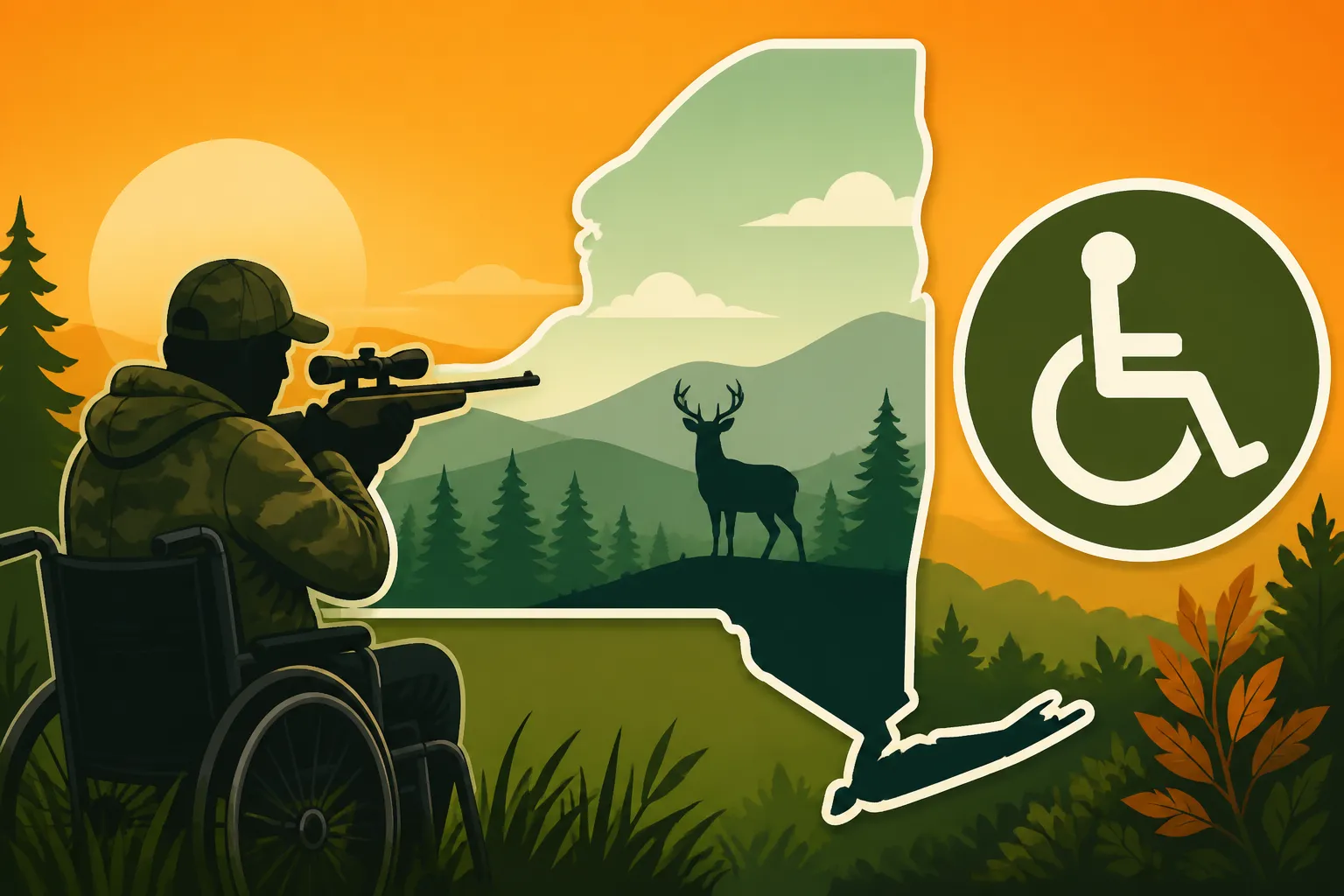
Non-Ambulatory Hunter Permit (NAHP): This is perhaps the most widely recognized disability permit. It allows permanently non-ambulatory hunters, or those whose mobility is severely impaired, to hunt from a motorized vehicle. This is a game-changer for many, as it removes the immense physical barrier of walking or dragging game. Imagine trying to access prime whitetail habitat in the Southern Tier or retrieve a deer from a steep Catskill ridge if you rely on a wheelchair or have extremely limited walking ability. The NAHP allows you to hunt from a vehicle that is stationary and off the public highway, providing access to areas previously impossible. This can open up vast expanses of State Forest hunting that might have good road systems but were previously inaccessible beyond the parking area.
Permit to Hunt from a Standing Vehicle (PHSV): Distinct from the NAHP, this permit is for individuals who have a permanent physical disability that prevents them from walking or getting around effectively on their own, but can stand or pivot within the confines of a stationary vehicle. It allows them to shoot from a standing or kneeling position within, or from the immediate vicinity of, a stationary motorized vehicle. This permit addresses the need for a stable shooting platform when a hunter cannot maintain balance or a steady aim without vehicle support. This can be particularly useful when hunting open fields in Western New York farmland, where a slight elevation change or uneven ground can pose a significant challenge.
Crossbow Permit: While crossbows are generally allowed during New York's archery season, there are often specific rules regarding their use, especially for those without a documented disability. However, individuals with certain permanent physical disabilities that prevent them from operating a traditional vertical bow might qualify for a special crossbow permit allowing them to use one outside of the regular crossbow dates or under modified conditions. This is crucial for archers who've been forced to give up their traditional bow due to age or injury but still want to participate in the early season. Check the current New York Crossbow and Bow Regulations to understand specific legal allowances.
Here's a quick overview of the main permits:
| Permit Type | Description | Key Privilege | Eligibility |
|---|---|---|---|
| Non-Ambulatory Hunter Permit (NAHP) | For hunters with severe mobility impairments. | Hunt from a stationary motorized vehicle (off public highway). | Permanently non-ambulatory or severely impaired mobility, certified by physician. |
| Permit to Hunt from Standing Vehicle (PHSV) | For hunters who cannot walk or get around effectively but can stand/pivot within a vehicle. | Shoot from a standing/kneeling position within or from immediate vicinity of a stationary vehicle. | Permanent physical disability preventing effective walking, certified by physician. |
| Crossbow Permit | For hunters unable to use a traditional vertical bow due to permanent physical disability. | Use a crossbow during archery season under modified rules (check current regulations). | Permanent physical disability preventing traditional bow use, certified by physician. |
Remember, these permits are granted based on medical necessity, not merely convenience. Each permit comes with specific rules, so always review the most current DEC regulations.
Rules, Regulations, and Practical Considerations
Obtaining a disability hunting permit is just the first step. Understanding the specific rules that govern its use, and then adapting your hunting strategy, is crucial for a safe and successful experience. It’s not just about what you can do, but how you can do it legally and ethically.
Adhering to Legal Shooting Hours and Safety
Even with a disability permit, fundamental hunting rules still apply. For example, all hunters, regardless of physical ability, must adhere to New York Legal Shooting Hours. You can't start earlier or end later just because you have a special permit. Safety is paramount, and these rules are in place for everyone's protection. This also includes blaze orange requirements; if you're hunting during a season where blaze orange is mandated, you must still display the proper amount of visible material. Check the guidelines on How Much Blaze Orange New York Requires to ensure you're compliant.
For those using a vehicle, common sense and safety precautions are critical. Your vehicle must be stationary, and you must be off the public highway. This means no driving slowly through the woods with a loaded firearm and trying to shoot. The intent is to provide a stable, accessible platform, not a mobile hunting blind. Always ensure your firearm is pointed in a safe direction, and be absolutely certain of your target and what lies beyond it. Even from a vehicle, proper field of view and backstop considerations are non-negotiable.
Adapting Your Hunting Strategy and Equipment
A disability permit opens doors, but you’ll still need to adapt your hunting style. If you’re using a Non-Ambulatory Hunter Permit, consider areas like State Forests or Wildlife Management Areas (WMAs) with maintained dirt roads or old logging trails. While you can’t drive on those trails while actively hunting unless explicitly allowed and permitted, you can use them for access, park legally, and then hunt from your stationary vehicle. Scouting with the New York HuntFishNY App can help identify such accessible routes and potential hunting spots before you even leave home. This type of pre-season work, perhaps using a platform like GoHunt, is invaluable for pinpointing suitable terrain.
For equipment, think about what makes your hunting experience safer and more comfortable. A sturdy shooting rest that mounts to your vehicle or a heavy-duty bipod can make a world of difference for stability. If you're using a crossbow under permit, ensure it's properly sighted in and you're comfortable with its operation. Consider how you will retrieve game; even if you can hunt from a vehicle, dragging a deer out of a thicket might still be a challenge. A good game cart, a small winch, or having a hunting buddy who can assist are all crucial considerations.
Finding Accessible Hunting Locations
New York has a vast amount of Public Hunting Land, and while not all of it is easily accessible for hunters with disabilities, many areas offer good opportunities. Wildlife Management Areas (WMAs) are often managed with multiple-use in mind, sometimes featuring accessible parking areas, viewing platforms, or even designated accessible hunting blinds. The Adirondack Forest Preserve and Catskill Forest Preserve also have numerous forest roads, some of which may offer points where a non-ambulatory hunter can legally set up.
Beyond these broad categories, it's worth directly contacting the local DEC office for the region you plan to hunt. They can often provide specific information on accessible trails, roads, or areas within State Forests that might be suitable for hunters utilizing disability permits. Don't be afraid to ask about specific accessible features or areas that have been improved for ease of use. Using a mapping application like GoHunt, which often includes layers for public land and sometimes even detailed topography, can help you visually scout for flat terrain or old roadbeds that might provide easier access points from your vehicle. Remember to always check local regulations for specific WMAs or State Forests, as some may have unique rules regarding vehicle access or hunting methods.
Support Systems and Community Resources
Hunting should be an inclusive activity, and thankfully, there are resources and communities dedicated to supporting hunters with disabilities. You don't have to navigate this journey alone. These support systems can offer invaluable advice, practical assistance, and a sense of camaraderie.
Mentorship and Hunting Buddies
One of the most powerful resources for any hunter, especially those with disabilities, is a good hunting partner or mentor. A hunting buddy can help with scouting, setting up blinds, retrieving game, and simply providing companionship and an extra set of hands for safety. New York has programs like the New York Mentored Youth Hunting Rules, which highlight the importance of mentorship. While not specifically for adults with disabilities, the principle is the same: experienced hunters sharing their knowledge and offering support can make a huge difference.
If you don’t have a regular hunting partner, consider reaching out to local conservation clubs or organizations. Many passionate hunters are eager to share their knowledge and lend a hand. Some groups even specialize in organizing hunts for individuals with disabilities, connecting them with volunteers and accessible locations. These connections can be invaluable, not just for practical assistance but for sharing experiences and building lasting friendships.
Adaptive Equipment and Technologies
The world of adaptive hunting equipment has come a long way. Beyond the basic shooting rests, there are specialized chairs that provide stability and elevation, track systems that assist with mobility over challenging terrain, and even remote-controlled blinds. While New York's rules regarding permanent treestands on public land should always be checked, some hunters with permits might use specific ground blinds. Ground Blind Rules on New York WMAs can offer insights into what’s allowed.
For navigation and safety, a reliable GPS unit or a robust phone app like GoHunt is essential, especially when venturing into vast areas like the Adirondacks. These tools can help you track your location, mark accessible routes, and ensure you can navigate back to your vehicle safely. Consider personal locator beacons (PLBs) or satellite communication devices for hunts in remote areas where cell service might be spotty. Being prepared for any eventuality, from a sudden change in weather to an unexpected mechanical issue with your vehicle or equipment, is paramount.
Advocating for Increased Accessibility
For those who are passionate about hunting with a disability, advocating for increased accessibility is another way to contribute to the community. Sharing your experiences, participating in surveys, or engaging with organizations like the New York State Conservation Council or the National Wild Turkey Federation can help shape future policies and improvements. Many states, including New York, are continually looking for ways to make the outdoors more accessible. By providing feedback and being a voice, you can help ensure that future generations of hunters with disabilities have even more opportunities to enjoy our natural resources. Whether it's advocating for accessible trails, improving signage, or promoting more awareness within the hunting community, every effort helps make New York hunting more inclusive.
Disclaimer
The information provided in this article is for general guidance only and does not constitute legal advice. Hunting regulations in New York State can change, and it is the hunter's responsibility to review the most current regulations issued by the New York State Department of Environmental Conservation (DEC) before participating in any hunting activity. Always consult the official DEC hunting guide or contact the DEC directly for the most accurate and up-to-date information regarding disability hunting permits and all associated rules.