Turkey Gear for a New York Spring
Stepping into the New York spring woods for turkey season is an experience unlike any other, full of crisp mornings, the symphony of awakening nature, and the heart-stopping anticipation of a gobble echoing through the timber. But anyone who's spent a few seasons chasing these wily birds knows that having the right gear isn't just about comfort; it's about confidence, success, and making the most of those precious few weeks. This comprehensive guide will walk you through everything you need to be well-prepared for a successful New York spring turkey hunt, from your primary firearm to the smallest yet most crucial accessories.
The Essential Turkey Shotgun: Your Primary Tool
Let's face it, when that tom finally commits and struts into range, your shotgun is the culmination of all your scouting, calling, and patience. Choosing the right one and setting it up correctly is absolutely paramount for clean, ethical kills and ensuring you don't miss an opportunity you've worked so hard for. Many hunters spend countless hours worrying about calls and camouflage, only to neglect the fundamental tool that seals the deal.
Gauge and Action: Finding Your Sweet Spot
For spring turkeys in New York, the overwhelming choice for most hunters is a 12-gauge shotgun. It offers the widest array of specialized turkey loads, delivering dense patterns and ample knockdown power. You'll find a vast selection of shot sizes and payloads designed specifically for turkeys, giving you the best chance to consistently anchor a bird. While 20-gauge shotguns have made significant strides in recent years with specialized loads and tighter chokes, particularly for younger or smaller-framed hunters, the 12-gauge remains the king for sheer versatility and power. The extra pellet count and energy often prove invaluable, especially if a bird hangs up just a few yards further than you anticipated.
When it comes to the action, most turkey hunters opt for pump-action or semi-automatic shotguns. Both have their advantages. Pump-actions are robust, reliable, and generally more affordable. They can take a beating in the woods and still perform flawlessly, a real plus when you're crawling through thick brush or sitting in damp conditions. Semi-automatics, on the other hand, offer quicker follow-up shots if needed (though hopefully, not for turkeys!) and tend to reduce felt recoil, which can be a comfort when patterning heavy magnum turkey loads. Whichever you choose, ensure it's a firearm you're intimately familiar with and can operate smoothly and quietly. There's nothing worse than fumbling with a safety or shell in the heat of the moment, potentially spooking a wary tom.
Chokes and Patterning: The Key to Clean Kills
This is where the magic happens for turkey hunting. A standard full choke is usually not enough for modern turkey loads and their extended ranges. You'll want to invest in a specialized "extra full" or "super full" turkey choke, often with a constriction tighter than standard full chokes. These chokes are designed to squeeze every last pellet into a tight, dense pattern, maximizing the chances of hitting the turkey's head and neck vital area. Different choke manufacturers offer various constrictions, and what works best with one shotgun and load combination might not work with another. It’s a common misconception that one choke fits all, but finding the right one can dramatically improve your effective range and confidence.
The absolute most critical step after acquiring your turkey choke is patterning your shotgun. This isn't just about shooting at a target; it's about systematically testing different brands and shot sizes of turkey ammunition through your specific choke and barrel combination to see which produces the densest, most consistent pattern at various distances – typically 20, 30, and 40 yards. Don't skip this step! What looks good on paper might perform poorly in your gun, and vice-versa. You're looking for a pattern with enough pellet hits in a 10-inch circle (representing a turkey's head and neck area) at your maximum ethical range. This process can be time-consuming and a bit costly with expensive turkey loads, but it's non-negotiable for responsible hunting. Without it, you're guessing, and guessing leads to missed birds and potentially wounded ones. If you're using a red dot sight or scope, make sure it's sighted in precisely with your chosen load. For more detail, read up on Turkey Shotguns and Chokes.
Ammunition Choices: Heavy Hitters for Spring Toms
Modern turkey ammunition has come a long, long way. Gone are the days of simple lead shot being your only viable option. Today, you have an incredible array of high-density, heavy-hitting loads designed to put more pellets on target with greater energy. Tungsten Super Shot (TSS) has revolutionized turkey hunting, offering significantly higher density than lead, which translates to smaller shot sizes carrying more energy and packing more pellets into a pattern. This allows for increased range and devastating performance. However, TSS is also considerably more expensive.
Lead alternatives like heavier bismuth or blended shot are also available and offer excellent performance without the premium cost of TSS, often surpassing traditional lead loads in density and patterning capabilities. For traditional lead, look for buffered, magnum loads with larger shot sizes like #4, #5, or #6. The choice often comes down to budget and personal preference, but always verify performance with patterning tests. Regardless of the material, aim for loads designed specifically for turkeys, as they typically use larger powder charges and specialized wads to achieve the tightest patterns possible. Consider trying a few different brands and pellet sizes to see which one your shotgun and choke combination truly loves.
Mastering the Art of the Call: Vocals for Every Scenario
Turkey hunting is often a calling game, and few things are as satisfying as striking up a conversation with a distant gobbler and guiding him into your setup. Being proficient with a variety of calls gives you the flexibility to adapt to different situations, from a bird on the roost to a hung-up tom at 60 yards. A diverse repertoire can make all the difference, especially with heavily pressured birds.
Pot Calls and Striker Types: Versatility on the Fly
Pot calls, also known as friction calls or slate calls (though they can be made from various materials like slate, glass, aluminum, or even copper), are perhaps the most versatile and user-friendly turkey calls out there. They produce a wide range of realistic turkey sounds, from soft purrs and clucks to aggressive yelps and cutts. The beauty of a pot call lies in its ability to be nuanced. Different strikers (the peg you use to rub the surface) made from various woods, carbon, or synthetic materials will alter the tone and pitch, allowing you to mimic different hens. A heavier, harder striker might produce a sharper, higher-pitched sound, while a softer wood striker could give you a deeper, raspier tone.
When you’re out in the field, having a couple of different pot calls with varying surfaces and a selection of strikers can be a game-changer. Imagine a situation where you're trying to coax a quiet tom from across a field. A soft, pleading yelp on a slate call might be just the ticket. Later, when a bird is hung up in thick timber, an aggressive series of cutts on a glass call might finally get his attention and convince him to commit. Pot calls are great for sustained calling sequences and are relatively easy to learn, making them a staple in most turkey hunters' vests. Just be sure to keep the surface clean and rough for optimal sound, using a conditioning pad or sandpaper.
Mouth Diaphragm Calls: Hands-Free and Nimble
Mouth calls, or diaphragm calls, are a favorite among experienced turkey hunters for one primary reason: they are hands-free. This is an enormous advantage when you've got your gun up, ready for a shot, or when you need to make soft, subtle calls without any movement. Diaphragm calls consist of a small frame with one or more latex reeds stretched across it, which you place in the roof of your mouth. By blowing air across the reeds and manipulating your tongue, you can produce incredibly realistic and varied turkey sounds.
Learning to use a diaphragm call can be challenging initially, requiring practice to develop the necessary tongue control and breath technique. However, once mastered, it opens up a world of possibilities. You can make soft tree yelps as birds are still on the roost, subtle clucks and purrs when a tom is close, or even loud, aggressive cutts to challenge a dominant gobbler. The ability to call without moving your hands is crucial for those last few yards when a tom is trying to pinpoint your location. Many hunters carry several different diaphragm calls with various reed cuts and tensions, allowing them to produce different hen voices or adjust for volume and rasp. Remember to clean them thoroughly after each use to prevent bacteria buildup and prolong their life. For more insights into these crucial tools, check out Turkey Calls Worth Carrying in New York.
Locator Calls: Getting a Read on Roosted Birds
Locator calls aren't meant to sound like turkeys; instead, they mimic other birds or animals whose sounds often provoke a "shock gobble" from a tom. This is invaluable for locating turkeys, especially early in the morning when they're still on the roost, before the woods fully wake up. Common locator calls include owl hoots, crow calls, and even coyote howls.
Picture this: you've hiked into your chosen area before dawn, and the woods are still dark and quiet. Letting out a series of realistic owl hoots can often trigger a gobbler to sound off, revealing his position without him associating the sound directly with a hen. This allows you to plan your approach and set up without giving away your exact location as a potential "hen." Similarly, a loud crow call can often get a rise out of a gobbler later in the morning when he might be quiet or hung up. Having a few different locator calls in your vest increases your chances of getting a response from a tight-lipped tom. Knowing where a bird is roosted is a massive advantage, allowing you to position yourself for an effective morning setup, as detailed in Calling a New York Gobbler Off the Roost.
Blinds and Decoys: Enhancing Your Setup
Once you've located a gobbler and started calling, the next challenge is getting him to come within ethical shooting range. This often involves creating an appealing setup that both draws the bird in and keeps you concealed. Blinds and decoys play a critical role in this phase of the hunt, allowing you to control the narrative and increase your chances of a successful close encounter.
Ground Blinds: Concealment on Public Land
Ground blinds have become incredibly popular, especially for hunting New York's public lands, or when hunting with children or less mobile companions. They offer superior concealment, allowing for some movement inside without spooking a wary bird. A good pop-up ground blind creates a dark, enclosed space that effectively hides your silhouette and any small adjustments you might need to make while waiting. This can be particularly beneficial if you're hunting in open hardwoods or field edges where natural cover is sparse, or if you need to set up against an oak that might not offer sufficient natural cover.
When choosing a ground blind for spring turkey hunting, look for one that's lightweight, easy to set up and take down, and offers good viewing windows. Durability is also key, as New York springs can be wet and windy. Blinds with integrated shoot-through mesh windows allow you to maintain concealment even as you bring your gun to bear. Before the season, set your blind up in your yard to familiarize yourself with it. Practice setting it up quickly and quietly. Also, consider "brushing in" your blind once you've deployed it in the field, using natural vegetation like branches, leaves, or even deadfall to break up its outline and help it blend seamlessly into the environment. This extra step can make a huge difference in fooling a keen-eyed tom.
Turkey Decoy Strategies: Drawing Them In Close
Decoys are powerful tools for enticing turkeys, especially when a gobbler is showing reluctance to come all the way in. They provide a visual focal point, convincing a tom that there's a hen (or sometimes a rival gobbler) waiting. There's an art to decoy placement, and it often depends on the specific scenario and the behavior of the birds you're hunting. Common setups include a single hen decoy, a jake and hen combination, or even a full strut gobbler decoy.
A single hen decoy can be incredibly effective, especially for birds that have been pressured. Positioning it about 15-20 yards from your blind or setup, facing away from you, can draw a gobbler in from the front, allowing him to approach and present a clean shot. The jake and hen setup often works well to challenge a dominant tom; the jake decoy implies a younger male encroaching on his territory, often igniting his competitive spirit. Full strut gobbler decoys are potent but can be risky in areas with other hunters, as they can be mistaken for a real bird. When setting decoys, consider the prevailing winds and the likely approach path of the turkey. Ensure the decoy is visible but not unnatural. For some great ideas, consider Turkey Decoys That Work on Pressured Birds.
Camouflage and Concealment: Blending into the Spring Woods
Even with a blind and decoys, your personal camouflage is crucial. Turkeys have incredible eyesight, with color vision and the ability to detect the slightest movement. Your camouflage pattern should match the spring woods of New York, which means a mix of browns, greens, and darker tones. Many modern patterns are designed to break up your outline effectively. It's not just about wearing camo; it's about being still and blending in.
Head-to-toe camouflage is essential, including a face mask or face paint and gloves. Exposed skin, even your hands, can be easily spotted by a sharp-eyed gobbler. The back of your head and neck, if not covered, can also be a dead giveaway when you subtly turn your head. Think about your position relative to the sun; try to avoid backlighting yourself. When a tom is approaching, minimize movement to the absolute bare minimum. Even the slightest twitch can send a wary bird scurrying away. Setting up against a large tree, as discussed in Setting Up Against a Big Oak, also adds crucial natural cover.
Essential Apparel and Footwear: Comfort and Functionality
New York spring weather is famously unpredictable. One morning can be frosty with a heavy dew, while the afternoon might turn surprisingly warm and sunny. Being comfortable and dry is paramount for staying focused and patient during long sits or strenuous walks. The right apparel and footwear will protect you from the elements and keep you performing at your best.
Layering for Variable New York Spring Weather
The key to comfort in New York's fluctuating spring temperatures is layering. Start with a moisture-wicking base layer that pulls sweat away from your skin, preventing you from getting cold when you stop moving. Over that, add an insulating mid-layer, such as a fleece or lightweight down vest, to provide warmth. Your outer layer should be a durable, camouflage jacket and pants that offer protection from wind, light rain, and briars. Look for materials that are quiet, as noisy clothing can easily spook a turkey.
Remember, you might be hiking a fair distance to your spot in the dark, generating body heat, only to sit still for hours in cool morning air. Being able to shed or add layers discreetly is critical. A good layering system allows you to adapt to temperature changes throughout the day without having to carry excessive bulk. On a particularly cold or wet morning, having an extra lightweight rain shell packed can be a lifesaver. This approach to dressing for varied conditions is also key for Layering for a New York Deer Stand.
Boots for Wet Woods and Long Walks
Your feet are your foundation, and uncomfortable or wet feet can quickly ruin a hunt. New York's spring woods can be notoriously wet, with melting snow, spring rains, and dew-soaked underbrush. Waterproof boots are non-negotiable. Look for boots that are durable, comfortable for long walks, and provide good ankle support, especially if you're navigating uneven terrain. Rubber boots are an excellent choice for keeping your feet dry in swampy areas and are often scent-free, which can be an advantage (though less critical for turkeys than deer).
Alternatively, waterproof hiking boots with good traction can also work well, especially if your hunting involves more hilly or rocky terrain, like the Catskills or parts of the Southern Tier. Ensure your boots are well broken-in before the season starts to prevent blisters. Pair them with quality wool or synthetic socks that wick moisture away, even if your boots somehow get wet. Having a spare pair of socks in your pack isn't a bad idea either.
Vests and Packs: Carrying Your Gear Efficiently
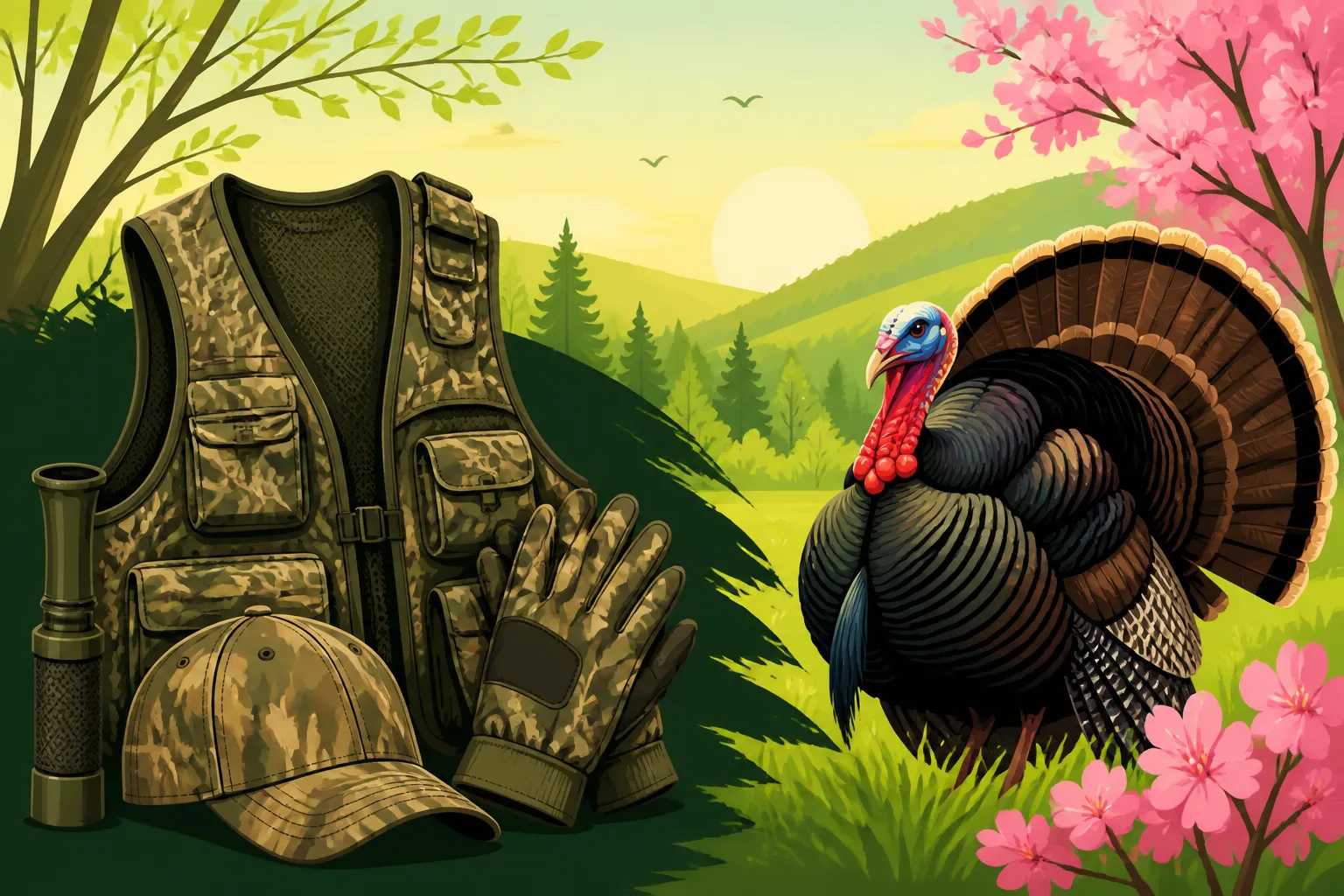
A dedicated turkey vest is an absolute game-changer for spring turkey hunting. These vests are designed with specific pockets and pouches for all your calls, ammunition, water, snacks, and other essentials, keeping everything organized and easily accessible. Many feature a thick, comfortable seat pad that folds down, allowing you to sit comfortably against a tree for long periods without getting stiff or soaked by damp ground. This integrated seat can be a massive comfort improvement, making those long waits much more tolerable.
Look for a vest that fits well, distributes weight evenly, and has enough compartments for your specific gear setup. Some vests even include a blaze orange safety flap that can be deployed when walking in or out of the woods, a critical safety feature when other hunters might be present. If you prefer a more minimalist approach or are carrying larger items like a ground blind, a small daypack might be more suitable. However, for sheer organization and quick access to calls, a good turkey vest is tough to beat. For an in-depth look at this essential item, check out Turkey Vests With a Kickstand Seat.
Navigational Tools and Safety Gear: Beyond the Shot
While the focus often quickly shifts to guns and calls, ensuring you can safely and effectively navigate the woods, and respond to any unforeseen circumstances, is just as vital. Knowing where you are, where you're going, and how to handle an emergency can prevent a great day afield from turning into a nightmare.
GPS and Mapping: Knowing Your Way Around
Whether you're hunting sprawling state forests, Wildlife Management Areas, or even large private parcels, having reliable navigation is critical. It helps you get to your pre-scouted spots in the dark, avoid trespassing on private land, and find your way back to your vehicle at the end of the day. A dedicated GPS unit or a robust smartphone app (like GoHunt's mapping features) can provide invaluable topographic maps, aerial imagery, and property line overlays. With public hunting land in New York covering vast areas, getting turned around is easier than you might think, especially in thick timber or unfamiliar terrain.
Before heading out, download offline maps to your device, as cell service can be spotty or nonexistent in many prime turkey hunting areas across New York. Mark your vehicle, key terrain features, and any potential hunting spots or bottlenecks you've identified during scouting. Familiarize yourself with how to use your device effectively in the field, even in low light. While a phone app is convenient, a dedicated GPS often has better battery life and durability in rough conditions. Always carry a compass and a physical map as a backup, especially on more remote hunts; technology can fail. For a comparison, read GPS Units Versus Phone Apps.
First Aid and Emergency Preparedness
Accidents happen, even to the most careful hunters. A small, well-stocked first-aid kit is a non-negotiable item for any spring turkey hunt, especially if you're venturing off the beaten path. It doesn't need to be elaborate, but it should contain essentials like bandages, antiseptic wipes, pain relievers, mole skin for blisters, and any personal medications you might need. Consider adding a small snake bite kit if hunting in areas where venomous snakes are present (though less common for New York turkeys, it's good general practice).
Beyond medical supplies, think about other emergency items: a bright flashlight or headlamp with extra batteries (for walking in or out in the dark), a fire starter (waterproof matches, lighter, or ferro rod), a whistle for signaling, and a small amount of emergency food and water. A fully charged power bank for your phone can also extend its life for critical calls or GPS use. These items might seem minor until you actually need them. Being prepared means you can address minor issues quickly and potentially turn a bad situation around before it escalates.
Safety Considerations: Eye, Ear, and Blaze Orange
Even though you're not typically wearing blaze orange while actively hunting turkeys (as turkeys can see color, and you're trying to blend in), it's vital for safety when walking to and from your hunting location, especially on public land. Many hunters carry a blaze orange vest or hat to put on when they are moving through the woods, particularly if hunting with a group or during the regular firearm deer seasons that might overlap in some specific scenarios. Check New York Blaze Orange Requirements for specific rules, but generally, displaying orange when moving is a smart practice.
Eye protection (shooting glasses) is a good idea when patterning your shotgun and can also protect your eyes from stray branches while walking through thick cover. Hearing protection, whether earplugs or electronic earmuffs, is absolutely essential when shooting your shotgun. The blast from a magnum turkey load can cause permanent hearing damage. While you won't wear them while actively calling and listening for birds, put them in when you are ready to shoot and take the shot. Prioritizing these simple safety measures helps ensure you return home safely and can enjoy many more seasons afield.
The Often Overlooked Accessories: Small Details, Big Impact
It's easy to focus on the big-ticket items like your shotgun and calls, but often it's the small, seemingly insignificant accessories that truly enhance your hunting experience. These are the items that bring comfort, convenience, and help you handle the unexpected. Don't underestimate the power of these little helpers to make your hunt smoother and more enjoyable.
Seat Cushions and Bipods: Staying Comfortable and Steady
Sitting still against a tree for hours on end can be surprisingly uncomfortable. A good, thick foam or gel seat cushion, often integrated into a turkey vest, makes a world of difference. It insulates you from cold, damp ground and provides cushioning, allowing you to remain motionless and focused longer. If your vest doesn't have one, consider a separate folding seat or cushion that you can easily carry and deploy. Comfort breeds patience, and patience often leads to success.
A shooting bipod or monopod, while not universally used by turkey hunters, can be incredibly useful, especially if you anticipate longer shots or want a super stable rest. These can be particularly handy if you're hunting in areas with uneven terrain or when a tom hangs up at the far end of your ethical range. They help you hold your gun steady, reducing fatigue and improving accuracy. Some hunters use their folded bipod as a walking stick, adding to its versatility. If you prefer to shoot freehand, practice holding your gun up for extended periods in various positions so you're ready when a bird finally steps out.
Pruning Shears and Marking Tape: Field Prep
These might seem like odd items to suggest, but they are incredibly practical. A small pair of pruning shears or a folding saw can be invaluable for quickly clearing shooting lanes or improving a blind setup. When a gobbler is heading your way, and you suddenly notice a small branch obscuring your shot, discreetly nipping it away with quiet shears is far better than trying to break it by hand and making a racket. They also help brush in your ground blind more effectively.
Fluorescent orange marking tape (the non-adhesive kind) is useful for marking a blood trail, your path in and out of a confusing area, or even the boundary of public land if you're near a questionable line. Just be sure to remove it all when you leave. Remember, leave no trace. While you don't want to over-mark the woods, a strategic piece of tape can guide you back to a critical spot or help you recover a bird in fading light.
Game Bags and Reporting Tools: Post-Harvest Essentials
Congratulations, you've bagged your tom! Now, what? Having a plan for the post-harvest phase is just as important as the hunt itself. Game bags are excellent for protecting the meat from dirt, flies, and debris, especially if you have a long walk out. They allow air circulation, which helps cool the bird down. A simple plastic bag for the head and beard (if you want to preserve them for taxidermy or tagging) and some zip ties can also be very useful.
In New York, reporting your harvest is mandatory. You'll need your hunting license information handy. The New York Deer Reporting Deadline (and similarly, turkey reporting) is typically within 48 hours. Many hunters use the HuntFishNY app to report right from the field, which can be super convenient. Make sure your phone is charged, or carry a small notepad and pen to jot down the necessary information to report later if you don't have service. Having these small details sorted out ahead of time ensures a smooth and legal end to your hunt.
Maintaining Your Gear for Peak Performance
Your gear is an investment, and like any investment, it performs best when it's well-maintained. Neglecting your equipment can lead to failures in the field, which can be frustrating at best, and at worst, could cost you a hard-earned opportunity. A little care throughout the off-season and after each hunt goes a long way.
Shotgun Care in Damp Spring Conditions
New York's spring can be a mixed bag of weather. Rainy days, heavy dew, and even late-season snow flurries are not uncommon. All this moisture can be detrimental to your shotgun if not properly addressed. After each hunt, especially if it's been wet, wipe down your shotgun thoroughly. Pay attention to all metal surfaces, using a light coat of gun oil to prevent rust. Ensure the bore is clean and dry.
If your shotgun has been exposed to heavy rain or a lot of moisture, it's wise to take it apart (as per the manufacturer's instructions) and allow all components to dry completely before reassembling and oiling. Check for any debris in the action that could impede its function. A rusty or malfunctioning shotgun is a hunter's worst nightmare, so dedicate a few minutes to proper care after each outing.
Call Maintenance for Consistent Sounds
Your turkey calls are your voice in the woods, and they need to be in top condition to sound their best. Pot calls, especially slate and glass, need their surfaces conditioned regularly with a scuff pad or sandpaper to maintain their rasp and clarity. Avoid touching the surface with your bare hands, as oils from your skin can diminish their sound. Store them in a protective pouch to prevent scratches.
Mouth diaphragm calls should be rinsed with water after each use and allowed to air dry to prevent bacteria growth and extend the life of the latex reeds. Store them in a breathable case, not in an airtight container where moisture can get trapped. If a reed starts to stick or lose its tone, it might be time for a replacement. Regularly inspect all your calls, practicing with them during the off-season to ensure they're ready for action when spring rolls around.
Seasonal Gear Checks and Replacements
Before the season even begins, conduct a thorough check of all your turkey hunting gear. Pull out your vest and empty all the pockets. Check zippers for functionality, look for tears or worn spots, and ensure all buckles are intact. Replace any worn-out camouflage items that have faded or lost their effectiveness. Check your boots for leaks by filling them with water (or stepping in a shallow tub) and seeing if any moisture seeps through. Re-waterproof them if necessary.
Review your first-aid kit and replace any expired medications or used supplies. Check the batteries in your GPS, headlamp, and any other electronic devices. Sharpen your knife. This pre-season ritual ensures that when opening day arrives, you're not scrambling to find or repair critical equipment. It's about being prepared and knowing that every piece of gear you take into the New York spring woods is ready to perform.
| Category | Essential Item | Key Feature / Benefit |
|---|---|---|
| Firearm | 12-Gauge Shotgun | Versatility, power, wide ammo selection for dense patterns |
| Specialized Turkey Choke | Tighter constriction for dense patterns at extended turkey ranges | |
| Turkey Ammunition (TSS, Bismuth, or Lead) | High pellet count, energy for clean kills, patterned to your gun | |
| Calling | Pot Calls (Slate, Glass, Aluminum) | Versatile, easy to learn, wide range of sounds; different strikers for tone variation |
| Mouth Diaphragm Calls | Hands-free operation, subtle to aggressive calls; multiple reeds for varied pitches | |
| Locator Calls (Owl Hooter, Crow Call) | Provokes shock gobble to locate birds without revealing your position | |
| Concealment | Full Camouflage Outfit (Spring Pattern) | Blends into woods, breaks up silhouette; quiet fabric |
| Face Mask/Paint & Gloves | Eliminates exposed skin, crucial for wary turkeys | |
| Ground Blind (Optional, but Recommended) | Superior concealment, allows movement, ideal for open areas or public land | |
| Turkey Decoys (Hen, Jake, Strutter) | Visual attraction, draws birds into range; specific setups challenge or entice | |
| Comfort/Utility | Turkey Vest with Integrated Seat | Organizes gear, comfortable sitting pad, quick access to calls and ammo |
| Waterproof Boots | Keeps feet dry in wet conditions, provides support; good traction | |
| Layered Clothing System | Adapts to changing spring temperatures, wicks moisture, quiet | |
| Safety/Navigation | GPS Unit or Smartphone with Offline Maps | Navigation in challenging terrain, prevents trespassing, marks key locations |
| First-Aid Kit | Addresses minor injuries, emergency preparedness | |
| Blaze Orange (for walking) | Safety during transit to and from hunting locations | |
| Accessories | Pruning Shears/Folding Saw | Clears shooting lanes, brushes in blinds quietly |
| Small Flashlight/Headlamp | Navigating in low light, blood trailing | |
| Game Bags | Protects harvested bird from dirt and insects, aids in cooling |
This article is for general informational purposes only and does not constitute professional advice. Laws, prices and regulations vary by location and change over time. Consult a qualified professional for guidance on your specific situation.