New York Northern Zone Firearm Dates
Trying to pin down the exact dates for New York's Northern Zone firearm deer season can sometimes feel like a moving target, especially when you're juggling work, family, and all the preparations that go into a serious hunt. It's frustrating to plan out vacation days, scout new ground, and get your gear ready, only to second-guess if you've got the right information. This comprehensive guide is here to clear up all that confusion, walking you through the official Northern Zone firearm dates, what to expect, and how to make the most of your hunting window.
Defining the Northern Zone: More Than Just a Map Line
Before we dive into dates, it's absolutely crucial to understand what the New York Department of Environmental Conservation (DEC) actually considers the "Northern Zone." This isn't just some arbitrary line drawn on a map; it's a critical boundary that dictates season lengths, bag limits, and often, the entire hunting experience. Many hunters get tripped up by this, especially if they hunt areas that are close to the divide. If you're hunting deer in New York, knowing which zone you're in is step one.
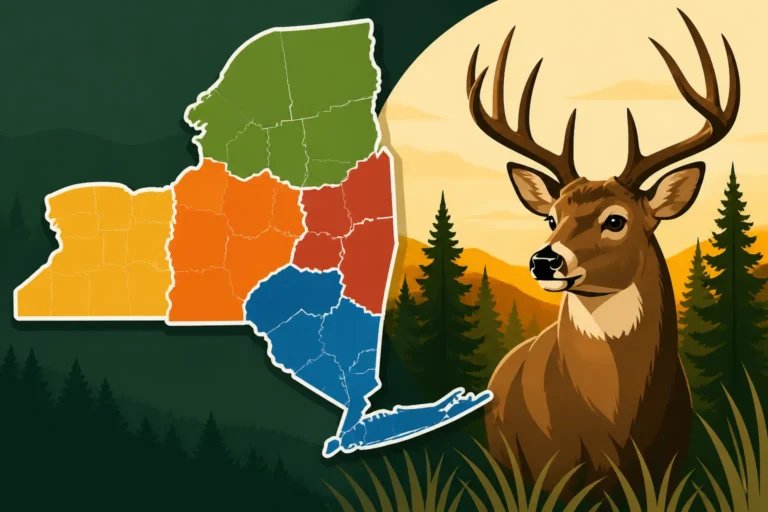
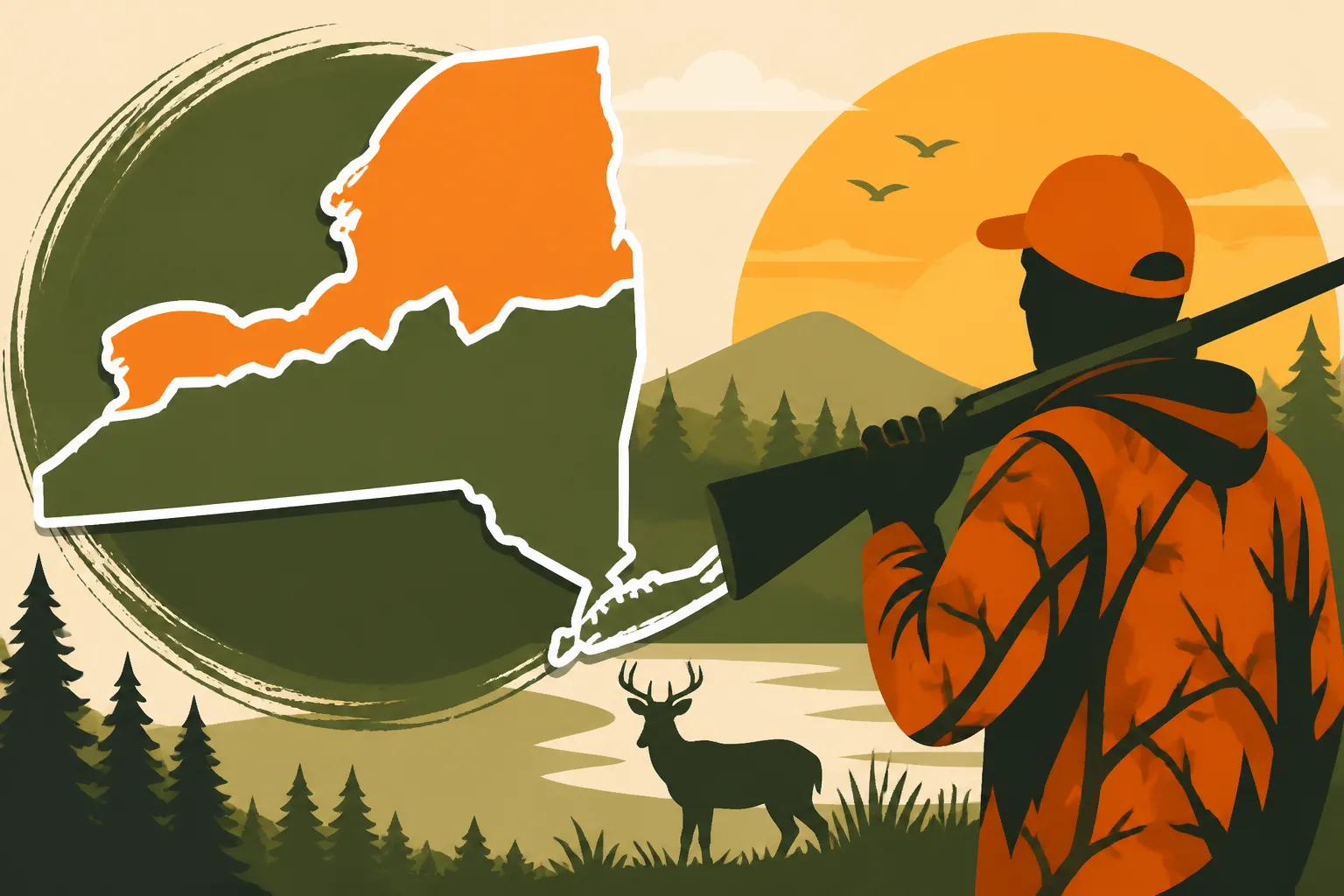
Geographically, the Northern Zone generally encompasses the Adirondack and Tug Hill regions, stretching from Lake Ontario and the St. Lawrence River south to a line that roughly follows Route 81, then Route 12, Route 28, and finally Route 29. It then arcs eastward towards Lake Champlain. Think of it as most of the state north of Utica and west of Saratoga. The terrain here is dramatically different from much of the Southern Zone, with vast expanses of big timber, dense spruce thickets, and rugged mountains. This wilder landscape, combined with harsher winters, significantly impacts deer populations and, consequently, hunting regulations. This is why the season dates differ so much, reflecting the unique ecological pressures and deer densities found here. For a detailed breakdown of how these areas affect hunting, you can read more on how New York's Two Deer Zones Split the Calendar.
The Official Northern Zone Firearm Season Dates: Mark Your Calendar!
Now, for the information you've been waiting for. The Northern Zone firearm season is considerably shorter than its Southern Zone counterpart, a reflection of the more challenging conditions and generally lower deer densities. This compressed timeframe means hunters need to be efficient and strategic.
General Deer Firearm Season
Typically, the general firearm season for deer in the Northern Zone opens in late October and runs through the first weekend of December. While specific dates can shift slightly year to year, a common window might be from the last Saturday in October through the first Sunday in December. For example, in a recent year, this could translate to October 26th through December 8th. This gives hunters roughly six weeks to pursue whitetails with rifles, shotguns, or handguns, depending on local regulations and personal preference. It's a prime time to be in the woods, as the weather is often crisp, leaves are down, and deer are starting to become more active as the rut approaches.
It's vital to remember that these dates are for deer with firearms. While other species like bear may be hunted concurrently, the focus here is on the whitetail firearm season. Always double-check the current year's official New York State Hunting and Trapping Regulations Guide from the DEC, or consult a reliable app like GoHunt, to confirm the precise dates before you head afield. There's nothing worse than getting to camp and realizing you've miscalculated an opening day.
Special Notes for Bear Hunting
Black bear hunting in the Northern Zone often coincides with the deer firearm season, offering a fantastic opportunity for a combo hunt. However, bear season can also have its own unique openers or extensions depending on the area. For instance, sometimes there's an early bear season that precedes the general deer season. If you're planning to hunt bear in addition to deer, make sure to consult the specific bear regulations. Keep in mind that New York state prohibits baiting for bears, so your tactics will focus on natural food sources and travel corridors. For more detailed information, look into Bear Hunting Without Bait in New York.
Navigating the Unique Challenges of Northern Zone Firearm Hunting
Hunting the Northern Zone with a firearm isn't just about showing up during the right dates; it's about understanding and adapting to a vastly different environment. The short season forces a concentrated effort, and the wilderness itself presents unique hurdles.
Weather Woes and Winter Preparations
Unlike the Southern Zone, which can often see mild temperatures extending well into November, the Northern Zone regularly experiences true winter conditions during its firearm season. You can expect anything from crisp, sunny days to driving rain, heavy lake-effect snow, and bitter cold. I've been caught in blizzards up near the Tug Hill Plateau that dropped a foot of snow in a few hours, completely changing the landscape and deer behavior. This means proper gear is paramount. Layering is your best friend, and having insulated, waterproof boots is non-negotiable if you want to stay comfortable enough to sit on stand or cover ground all day.
Cold weather not only affects your comfort but also dictates deer movement. Early season might find deer still on traditional food sources like acorns or apples, but as snow deepens, they'll shift to conifer swamps and other wintering areas. Tracking deer in fresh New York snow can be incredibly effective, but it also means dealing with wet, heavy clothing and potentially dangerous conditions if you're not prepared. For tips on how to stay warm and effective, check out Cold-Weather Sitting Strategy in New York.
Understanding Deer Movement and Rut Activity
The Northern Zone's firearm season often falls right in the sweet spot of the whitetail rut. While the exact timing can vary slightly each year based on lunar cycles and individual deer, you'll generally find peak rut activity from late October through mid-November. This is when bucks are most actively seeking does, often throwing caution to the wind, making them more susceptible to hunters. This period offers some of the best opportunities to see mature bucks on the move during daylight hours.
During the early part of the firearm season, before the rut really kicks in, deer might still be in their predictable feeding and bedding patterns. As the rut intensifies, however, those patterns can become more erratic. Bucks will travel widely, cruising known scrapes and rubs, and covering significant ground. This is a fantastic time for still-hunting or using calls like rattling and grunting in New York to bring a curious buck within range. Understanding these seasonal shifts is key to successful hunting in this timeframe. For deeper insights into this crucial period, explore Hunting the Rut in the Northern Zone.
Strategic Scouting and Stand Placement
Given the shorter season and the vastness of the Northern Zone's public lands, effective scouting is more important than ever. You won't have weeks on end to observe deer patterns once the season opens. Pre-season scouting, both in person and using mapping tools, is essential. Many hunters rely on mapping apps like GoHunt or the official HuntFishNY app to identify likely travel corridors, natural funnels, bedding areas, and potential food sources well before opening day. Look for pinch points between different habitat types, transition areas, and the edges of dense cover that provide sanctuary.
When it comes to treestand setups in Adirondack hardwoods, consider visibility through the leafless trees and wind direction. The Northern Zone's terrain can be rugged, so portability and ease of setup are important for stands and climbing sticks. If you're hunting without a stand, using a ground blind on New York public land can be very effective, especially in areas with thick cover or near natural terrain features that break up your silhouette. Remember, deer in these wilder areas are often less tolerant of human presence, so minimizing your impact and choosing a well-hidden setup is crucial. For ideas on getting set up effectively, read about Opening Weekend Tactics in the Northern Zone.
Essential Gear and Regulations for Your Northern Zone Hunt
Being prepared with the right gear and knowing the rules can make or break your Northern Zone firearm hunt. This isn't just about safety; it's about maximizing your chances of success and ensuring compliance with New York State law.
Legal Firearms and Ammunition Considerations
In the Northern Zone, rifles are generally permitted for deer hunting, which is a significant advantage in the vast, open timber and longer shooting lanes that can be encountered. However, always verify that your specific hunting area isn't subject to any local exceptions or wildlife management unit (WMU) restrictions. Caliber choice is also a frequent topic of debate. While many common deer calibers like .270, .30-06, and .308 are popular and effective, even something like a .243 can be sufficient for New York whitetails if shot placement is accurate. It's less about the biggest bang and more about ethical and accurate shooting within your personal effective range. For a full rundown on what you can legally carry, check out New York Legal Firearms for Deer Hunting.
It's also worth noting that in certain WMUs, or during specific season segments, you might have different rules for what firearms are allowed. For the Northern Zone general firearm season, the flexibility of rifle hunting is a major draw. Always ensure your firearm is in good working order, sighted in, and that you're comfortable and proficient with it.
Staying Safe with Blaze Orange Requirements
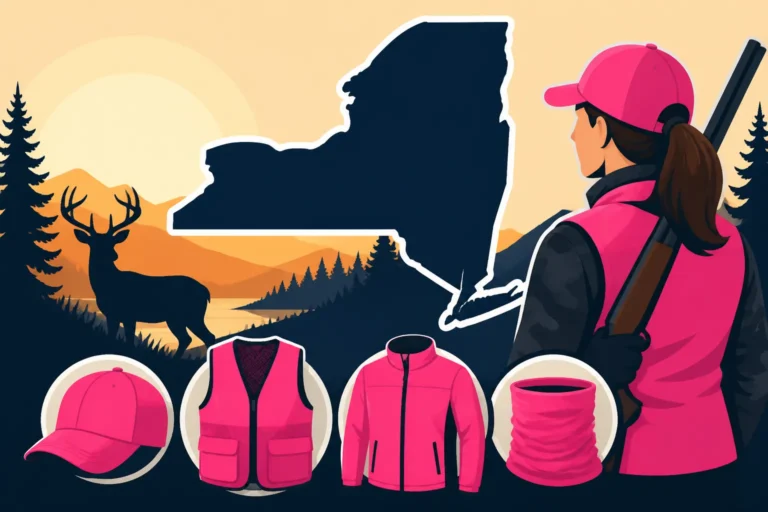
Safety is always paramount, and in the Northern Zone's big woods, it's even more critical. New York State law mandates that during the firearm deer season, all hunters (except waterfowl hunters) must wear a minimum amount of outer blaze orange or blaze pink clothing. This typically means a hat and vest, or a minimum of 250 square inches visible from all sides. This isn't just a recommendation; it's a legal requirement designed to make you highly visible to other hunters and dramatically reduce the risk of accidents.
While it might feel like it "spooks" deer, the science consistently shows that deer do not perceive blaze orange or pink in the same way humans do. They often see it as a dull color, if at all, against the backdrop of the woods. Your movement is what they detect, not the color itself. So, don't skimp on the orange; it's a small price to pay for a safe and enjoyable hunt. Familiarize yourself with all the specific requirements by reviewing New York Blaze Orange Requirements.
The Importance of Prompt Harvest Reporting
Congratulations, you've harvested a deer in the Northern Zone! Now what? New York State requires all deer and bear harvests to be reported to the DEC within seven days of taking the animal. This is a critical step, not just for compliance, but because the data collected helps the DEC manage deer populations effectively. It informs future season dates, bag limits, and overall herd health assessments. Without accurate reporting, the DEC has a harder time making informed decisions that benefit both the deer herd and hunters.
You can report your harvest quickly and easily online through the DEC's HuntFishNY system or via their mobile app. You'll need your license information and details about the harvested animal, such as sex, antler points (if a buck), and the WMU where it was taken. It's a simple process, but one that's often overlooked in the excitement and exhaustion after a successful hunt. Make it a priority. Learn more about the process by visiting Reporting a New York Deer Harvest Online.
Here's a quick summary of the Northern Zone firearm season dates:
| Season Type | Typical Opening Date | Typical Closing Date | Legal Hunting Methods | Key Considerations |
|---|---|---|---|---|
| Northern Zone Firearm | Last Saturday in October | First Sunday in December | Rifles, Shotguns, Handguns, Muzzleloaders | Shorter season, harsh weather, peak rut overlap |
| Northern Zone Bear (overlaps) | Mid-September (early) / Late October | First Sunday in December | Rifles, Shotguns, Handguns, Muzzleloaders | No baiting, often concurrent with deer season |
Note: These dates are typical. Always consult the current year's official NYSDEC Hunting and Trapping Regulations Guide for precise and up-to-date information.
Disclaimer
The information provided in this guide is for general informational purposes only and is subject to change. Hunting regulations, season dates, and legal requirements are determined by the New York State Department of Environmental Conservation (DEC) and may be updated annually. Always consult the official NYSDEC Hunting and Trapping Regulations Guide for the current year before participating in any hunting activity. Failure to comply with all regulations may result in penalties.