New York Southern Zone Archery Dates
Trying to keep track of all the different hunting seasons and their specific start and end dates in New York can feel like deciphering a cryptic puzzle, especially when you're zeroing in on a particular method in a specific zone. For many deer hunters in the Southern Zone, the archery season is a highly anticipated window of opportunity, but knowing the precise dates and what you can and can't do can be a real headache. This comprehensive guide is designed to cut through the confusion, clearly outlining the New York Southern Zone archery dates and offering practical insights to help you make the most of your time afield.
Navigating the Core New York Southern Zone Archery Season Dates
The Southern Zone archery season for deer is a crucial period for many hunters, offering an earlier start and a unique set of challenges and rewards compared to the later firearm seasons. Understanding these dates is the first step in planning a successful hunt.
Understanding the Standard Archery Opener and Closer
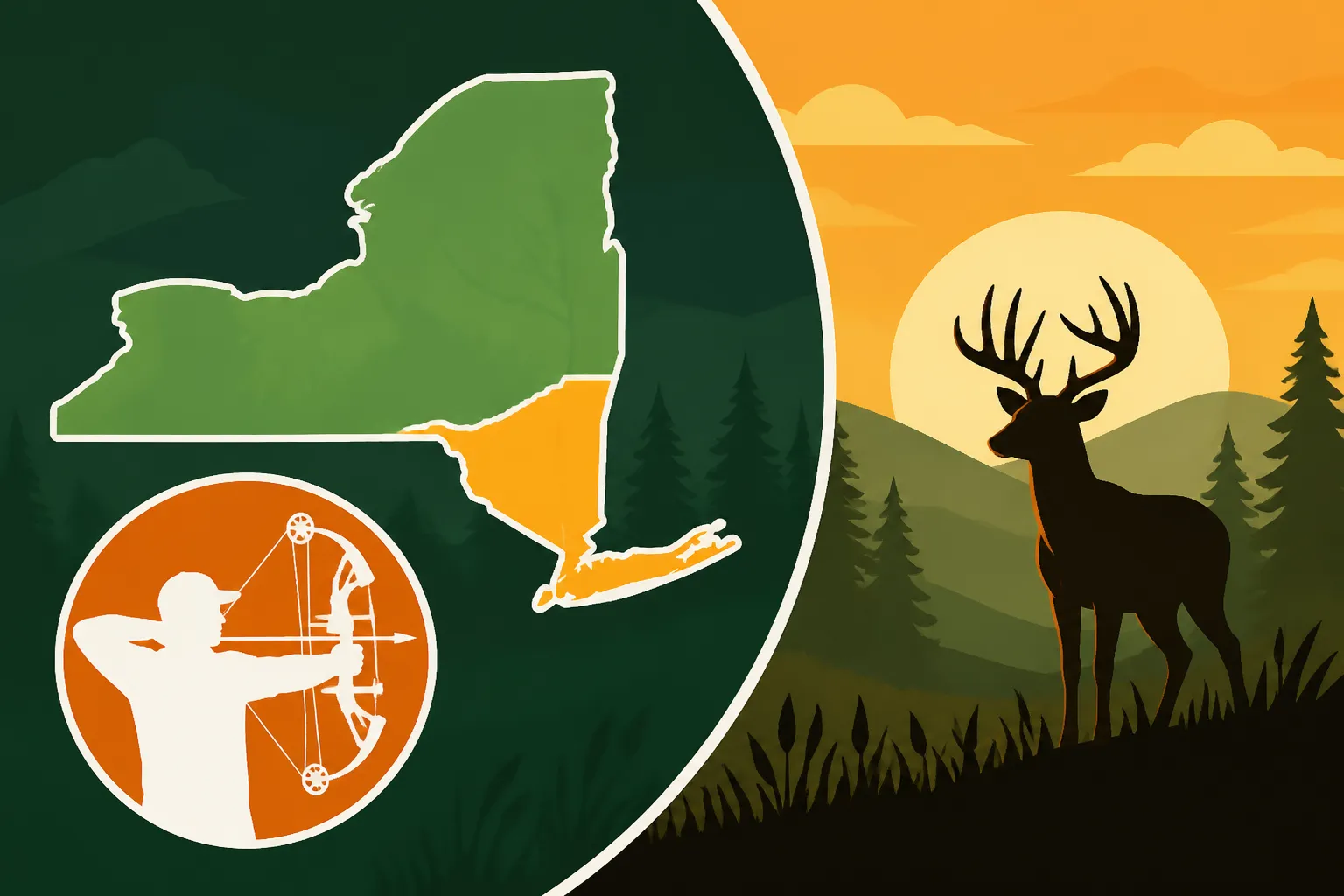
In the vast majority of New York's Southern Zone, the archery season typically kicks off in late September. This early start means you're often hunting deer in still-green woods, dealing with warmer temperatures, and focusing on food sources that might be long gone by rifle season. For example, if you're hunting in a prime agricultural area like the Southern Tier, those early season deer might still be heavily patterned on soybean or alfalfa fields before they transition to acorns or standing corn. The season usually runs continuously through mid-November, leading right up to the firearms opener. This substantial window, often spanning nearly seven weeks, provides ample time to scout, hunt, and adapt to changing deer behavior.
For instance, consider the opening week: daytime temperatures can still climb into the 60s or even 70s, making thermals a critical factor when choosing a stand location, especially in hilly terrain like parts of Ulster or Delaware counties. You might find deer still on fairly predictable patterns, moving from bedding to feeding in the early morning and late evening. As October progresses, the leaves begin to turn, temperatures drop, and deer start shifting their focus towards hard mast, if available. This transition period requires hunters to be adaptable, constantly re-evaluating food sources and deer travel corridors. The extended period also allows for flexibility; if you can't make it out on opening weekend, you still have weeks of prime bowhunting ahead, including the burgeoning rut.
How the Calendar Shift Can Impact Your Plans
While the general timeframe for the Southern Zone archery season is consistent year-to-year, the exact opening and closing dates can subtly shift based on the calendar. New York's DEC typically sets seasons to begin on a Saturday, so depending on which day of the week September 27th or October 1st falls, the actual start date can vary by a few days each year. This might seem minor, but for dedicated hunters who meticulously plan their vacation days or weekend trips, even a slight shift can disrupt well-laid plans. It's always a good practice to check the official DEC hunting and trapping guide for the current year as soon as it's released, often in late summer. Websites and apps like GoHunt can be incredibly useful for quickly cross-referencing these dates against your personal calendar, helping you pinpoint the best weekends for your hunt.
Imagine you've been monitoring a specific white oak stand in Schuyler County, hoping to capitalize on a fresh acorn drop right at the season opener. If the season starts a few days later than you anticipated based on prior years, those acorns might be GONE by the time you can legally hunt them, or the deer pattern might have shifted entirely. It emphasizes the importance of continuous scouting, even after the dates are announced. Staying informed about the precise dates helps you synchronize your scouting efforts, anticipate deer movements, and ultimately, be in the woods when it counts. Don't rely on memory; always verify those critical dates.
Key Regulations and Equipment for Southern Zone Archery Hunters
Beyond just knowing when you can hunt, understanding the specific rules and what gear is permitted during the New York Southern Zone archery season is absolutely critical for a legal and ethical hunt.
Crossbow Use Within Archery Season Parameters
New York State has evolved its regulations regarding crossbows, allowing them during the regular archery season with specific stipulations. This is a significant change from past years, offering more flexibility for hunters. To hunt with a crossbow during the Southern Zone archery season, you need to possess a valid hunting license with bowhunting privileges. It's not enough to just have a big game license; you need that specific bowhunting endorsement, which means completing an approved bowhunter education course. The crossbow itself must meet certain criteria, including a minimum limb width and draw weight, to ensure it's a capable and ethical hunting tool. It's crucial to review the current year's regulations for these specifics, as they can sometimes be updated.
For example, a hunter transitioning from a traditional vertical bow might find a crossbow offers certain advantages, such as easier long-range practice or the ability to hold at full draw for an extended period without fatigue. However, they must still adhere to the same principles of ethical shot placement and understanding deer anatomy. Many hunters choose a crossbow for its increased accuracy at moderate distances, which can be particularly beneficial in thick Southern Zone cover where shots might be limited. Whether you're using a compound bow, recurve, or a crossbow, the core principles of stealth, wind management, and patience remain paramount. Familiarity with your weapon of choice, including practicing from various angles and distances, is non-negotiable.
Bowhunting Privileges and License Requirements
Before you even think about setting foot in the Southern Zone woods with a bow, you absolutely need to make sure your licensing is in order. A basic New York State hunting license is the foundation, but for archery, you'll need to add a specific Bowhunting Privilege to it. This privilege demonstrates that you've successfully completed the required bowhunter education course, which covers everything from shot placement and ethics to tree stand safety and tracking wounded game. Without this privilege, your archery hunt would be illegal.
The process for obtaining these privileges and your New York Hunting Licenses and What They Cost is fairly straightforward through the DEC's HuntFishNY system, which GoHunt often integrates or references for convenience. You can purchase your license and privileges online, by phone, or from a license issuing agent. Remember, carrying proof of your license and privileges while hunting is mandatory. Whether that's a printed copy or a digital version on your phone via the HuntFishNY app, you need to have it accessible. For many, the archery season is a deeply personal pursuit, often involving solo hunts and long sits. This solitude makes the self-reliance of being properly licensed and equipped even more critical. You also have the option to add New York Bow Privilege Cost as part of your overall license purchase, ensuring you're good to go for the season.
Early Season Strategies and Considerations for Southern Zone Archery
The early part of the Southern Zone archery season presents unique opportunities and challenges that demand a tailored approach from hunters.
Focusing on Pre-Rut and Early October Patterns
The initial weeks of the Southern Zone archery season, spanning late September into early October, are often considered the "early season" proper. During this time, deer behavior is primarily driven by food sources and bedding areas, with less emphasis on rut-related activities. Hunters who capitalize on this period typically focus on identifying preferred forage, which can vary wildly depending on the specific Wildlife Management Unit (WMU) you're hunting. In WMU 8R near Elmira, for instance, you might find deer heavily feeding on mast crops like white oak acorns if it's a good year, or browsing on honeysuckle and other succulent plants if acorns are scarce. Meanwhile, in a more agricultural region like WMU 7S in Madison County, deer might still be hitting standing alfalfa or newly cut cornfields, often just before dark.
Scouting is paramount during this time. Using tools like the GoHunt app or aerial photos to identify potential food sources, funnels, and bedding cover before the season opens is a game-changer. Deer during these weeks are generally still in their summer patterns, meaning they can be somewhat predictable if you put in the legwork to locate their feeding and bedding routines. Establishing Scouting New York Public Land Before Season is crucial. Setting up quietly, often on the edges of preferred food sources or along subtle travel corridors connecting food and cover, can yield excellent results. Scent control is also incredibly important, as deer are often less tolerant of human presence than they might be during the chaotic rut. Patience and stealth are your best allies in these early weeks.
Applying for Deer Management Permits During Archery Season
The Southern Zone archery season also overlaps with crucial periods for managing antlerless deer populations through Deer Management Permits (DMPs), often referred to as doe tags. While your primary goal might be a buck, DMPs offer additional opportunities and are essential for herd management. The initial application period for DMPs typically closes in July, well before the archery season opens. However, if you didn't initially apply or want more tags, the DEC often runs an "instant award" period where unselected DMPs or those from WMUs with surplus quotas become available. This period frequently coincides with the early archery season, allowing hunters to pick up additional permits. You can learn more about New York Deer Management Permits Explained to maximize your chances.
The ability to acquire additional DMPs during the archery season can be incredibly valuable, especially in WMUs with higher deer densities. Harvesting an antlerless deer can provide venison for the freezer and contribute to local herd health goals. When considering a DMP, think about your hunting strategy: will you focus solely on bucks, or are you willing to take an antlerless deer if the opportunity arises? Many hunters utilize the early archery season to fill their DMP tags, especially if they have access to private land or less pressured public land, reserving their buck tag for later in the season. Always report your harvest promptly via the HuntFishNY app or website, as required by New York Deer Reporting Requirements.
The Late Southern Zone Archery Reopener: Extending Your Opportunity
Just when you thought the archery season was over, New York's Southern Zone offers a fantastic extended opportunity known as the Holiday Deer Hunt. This late-season archery window is a beloved tradition for many and provides a unique set of challenges and rewards.
Dates and Conditions for the Holiday Hunt Archery Period
After the regular firearm season concludes in early December, many Southern Zone hunters get a second bite at the apple with the Holiday Deer Hunt. This special period typically runs from December 26th through January 1st, exclusively for bowhunting (and muzzleloading, but for our purposes, we're focusing on the archery aspect). This is a unique opportunity to be in the woods during a time when most other seasons are closed, offering a much quieter and often more serene hunting experience. The conditions are starkly different from the early season. Expect cold temperatures, often snow-covered ground, and deer that have been pressured throughout the fall.
Imagine hunting a fresh snowfall in the Finger Lakes region in late December. The tracking conditions are often ideal, and deer movements might be concentrated around whatever limited food sources remain. In areas with standing corn or cut hayfields, deer will often be hitting these resources hard. Access to private land, or finding less pressured pockets of public land, can be key to success. This late reopener is particularly popular for hunters still holding valid Deer Management Permits (DMPs), providing a final chance to fill those antlerless tags and contribute to local deer management. The solitude and challenge of a late-season bowhunt under often harsh conditions make it a truly rewarding experience. Be sure to understand the specific rules for Hunting the Southern Zone Holiday Hunt as some WMUs might have exclusions.
Maximizing Success in Colder Late-Season Conditions
Hunting in late December and early January demands a shift in tactics from the early archery season. Deer at this point have been through months of hunting pressure, and their patterns are often influenced by weather and the availability of remaining high-energy food sources. Thermal cover becomes critical, as deer will seek out dense conifers or south-facing slopes to escape the cold winds and snow. Food sources will be limited, with standing crops, browse, and any remaining mast being prime targets. Identifying these "winter survival" food sources is paramount. A good resource for understanding these later season patterns, particularly for those holding extra DMPs, is Filling Extra DMPs in Unlimited WMUs.
For hunters taking to the woods during the Holiday Hunt, clothing becomes a major factor. Layering systems that effectively wick moisture, insulate, and provide wind and waterproof protection are essential to staying comfortable during long, cold sits. Look for clothing designed for extreme cold, like those offered by brands such as First Lite or Sitka. Using a good quality ground blind, properly brushed in, can also be a game-changer, providing warmth and concealment in an environment where natural cover might be sparse. Focus on pinch points between bedding and food, especially late in the day when deer are most likely to be on the move towards their feeding areas. Being quiet, patient, and prepared for the cold are the hallmarks of successful late-season Southern Zone archery hunting.
Southern Zone Archery Season Overview
To help you keep track of the essential dates and conditions, here's a quick overview of the New York Southern Zone Archery Season:
| Season Phase | Typical Start Date | Typical End Date | Primary Conditions | Key Focus |
|---|---|---|---|---|
| Early Archery | Late September (Sat) | Mid-November (Fri) | Warm to cool, green to falling leaves | Food patterns, bedding |
| Holiday Hunt | December 26th | January 1st | Cold, often snowy, barren woods | Winter food, thermal cover |
Note: Always consult the official NYSDEC hunting regulations for precise dates, as they can shift slightly year-to-year.
Disclaimer
The information provided in this guide is for general informational purposes only and is subject to change. Always consult the most current New York State Department of Environmental Conservation (NYSDEC) hunting and trapping regulations guide for the precise and up-to-date rules, seasons, and licensing requirements before engaging in any hunting activities. It is the hunter's responsibility to know and follow all applicable laws.