When the New York Holiday Hunt Runs
Navigating the myriad of New York deer seasons can feel like trying to untangle a bowl of spaghetti – especially when you start looking at the late-season opportunities. Many hunters, eager to extend their time in the woods after the main firearm season wraps up, often hear whispers of a "Holiday Hunt" but aren't entirely sure what it entails, when it truly kicks off, or where they can even participate. This comprehensive guide is here to clear up that confusion, diving deep into the specifics of New York's Holiday Deer Hunt, outlining its dates, eligible areas, and what you need to know to make the most of this unique late-season opportunity.
Understanding the New York Holiday Hunt Window
The New York Holiday Hunt is a special deer season designed to offer hunters additional days in the field after the regular firearm season concludes in the Southern Zone. It's a fantastic opportunity for those who cherish late-season hunting, often marked by colder temperatures, potential snow cover, and deer that are focused heavily on feeding. However, it's crucial to understand that this isn't a statewide season; it's quite specific in its timing and geographical application.
Specific Dates and Duration
The New York Holiday Hunt specifically runs from December 26th through January 1st. This timing is intentional, bridging the gap between Christmas and New Year's Day, allowing hunters to utilize holiday breaks for extended time afield. It’s essentially a late-season archery and muzzleloader segment that provides about a week of additional hunting. For many, it's a cherished tradition, offering a chance to fill a tag after the hustle and bustle of the holiday season, or simply to enjoy the quiet solitude of the late winter woods.
This short, focused window means hunters need to be prepared and strategic. Unlike earlier seasons, where deer movement might be dictated by the rut or early season food sources, the Holiday Hunt sees deer largely driven by survival instincts. They're looking for easily accessible food and dense cover to escape the elements. The exact dates are fixed annually, so you can always count on those December 26th to January 1st days if your area participates.
Southern Zone Versus Northern Zone Differences
This is perhaps the most critical distinction to grasp about the Holiday Hunt: it is exclusively a Southern Zone opportunity. There is no comparable Holiday Hunt period in New York's Northern Zone. This makes perfect sense when you consider the differing climates and deer management strategies between the two regions. The Northern Zone, encompassing the Adirondack Mountains and surrounding areas, experiences much harsher winters, earlier and deeper snows, and generally lower deer densities. Extending the season there could put undue pressure on deer trying to conserve energy for survival.
Conversely, the Southern Zone, with its more moderate winters and higher deer populations, can sustain this additional hunting pressure. This is a key part of how New York's two deer zones split the calendar. For those who hunt deer in the Adirondacks, your late-season opportunities will primarily conclude with the Northern Zone firearm season or perhaps the late archery reopener in certain Northern Zone WMUs. But if you’re a Southern Zone hunter, this holiday window is an exciting bonus that you should absolutely consider leveraging.
Where the Holiday Hunt Applies: WMUs and Exceptions
Knowing when the Holiday Hunt runs is only half the battle; the other crucial piece of information is where it's actually permitted. Just because you're in the Southern Zone doesn't automatically mean your favorite hunting spot is open during this late window. The DEC designates specific Wildlife Management Units (WMUs) for the Holiday Hunt, and there are important exceptions to be aware of.
Participating Wildlife Management Units
The Holiday Hunt is permitted in WMUs within the Southern Zone where the regular deer firearm season is traditionally open. This generally includes most of the Southern Zone, from the Catskills and Southern Tier to the Hudson Valley and parts of Western New York. These are WMUs where deer populations are robust enough to handle the additional harvest pressure, and where the DEC aims to manage herd numbers effectively. The specific list of eligible WMUs can be found in the current year's New York State Hunting and Trapping Regulations Guide.
Many hunters in areas like the Finger Lakes Region or parts of the Southern Tier, known for good deer numbers and diverse habitats, look forward to this late window. For instance, if you're hunting Finger Lakes Region deer, chances are good that your WMU will participate. Before you make plans, always double-check the DEC regulations or use a tool like GoHunt's mapping features to confirm your specific WMU's eligibility. The intent of this season is often to allow for further antlerless harvest, helping to balance deer populations, especially in areas with high agricultural damage or suburban deer conflicts.
WMUs Excluded from the Holiday Hunt
While the majority of the Southern Zone participates, there are indeed specific WMUs that are excluded from the Holiday Hunt. These exclusions are usually in areas where deer populations might be more sensitive, or where specific management goals preclude additional late-season pressure. For example, some WMUs with lower deer densities, or those bordering the Northern Zone with more transitional habitat, might be closed.
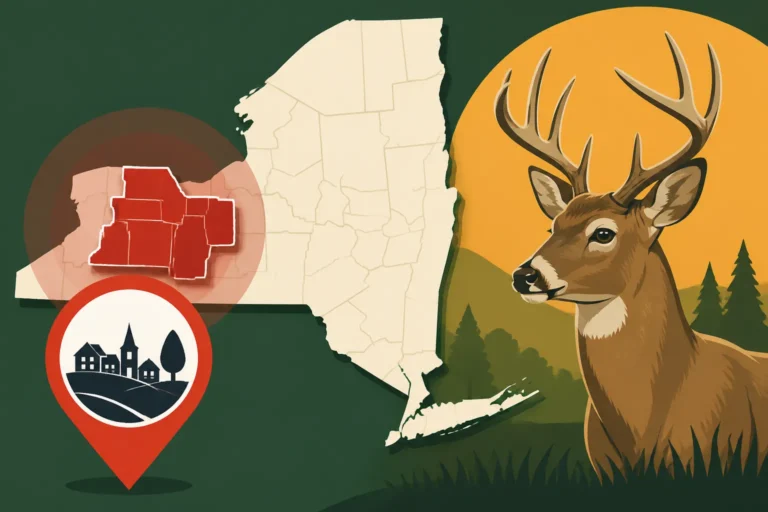
Perhaps the most common exclusion, and one that trips up many hunters, is when the Southern Zone skips the Holiday Hunt in certain WMUs. This is often the case in specific units on Long Island, which often have unique deer management permits and seasons due to dense human populations and smaller, fragmented habitats. Similarly, areas designated as Chronic Wasting Disease (CWD) Containment Areas, such as the Herkimer County CWD Containment Towns, might have modified seasons or rules, though the Holiday Hunt itself isn't directly tied to CWD restrictions. It's always best practice to consult the current DEC hunting regulations before heading out, as these exclusions can sometimes change based on annual deer population assessments and management objectives.
Here's a quick reference table for the Holiday Hunt:
| Feature | Details |
|---|---|
| Season Dates | December 26th – January 1st |
| Hunting Zone | Southern Zone only |
| Legal Implements | Muzzleloaders and Bows (Archery and Crossbows) |
| Deer Types | Antlered and Antlerless deer, provided you have the appropriate tags (Regular Big Game tag for antlered, DMP for antlerless). |
| Northern Zone | No Holiday Hunt in the Northern Zone |
| WMU Exceptions | Certain Southern Zone WMUs may be excluded; always check current DEC regulations. |
Gear and Tactics for Late-Season Success
Hunting during the New York Holiday Hunt requires a shift in mindset and tactics compared to earlier seasons. The rut is long over, food sources are scarcer, and the weather is a serious factor. Success in these conditions often boils down to preparation, persistence, and understanding deer behavior when survival is paramount.
Adapting to Cold Weather Conditions
December and January in New York can be brutally cold, often bringing biting winds, freezing rain, or heavy snow. This makes proper cold-weather hunting gear absolutely essential for comfort and safety. Layering is your best friend. Start with a moisture-wicking base layer, add insulating mid-layers like fleece or down, and top it off with a waterproof and windproof outer shell. Wool is an excellent choice for quiet movement and retaining warmth even when wet. Don't forget insulated boots designed for deep snow and frigid temperatures, as well as warm gloves or mittens, a heavy hat, and a neck gaiter. Staying warm allows you to stay on stand longer, increasing your odds.
Beyond clothing, consider the ancillary gear. Hand warmers are a must-have, and a good thermos filled with hot coffee, tea, or soup can make an all-day sit much more bearable. When hunting with a muzzleloader in December cold, special attention must be paid to keeping your powder dry in wet snow or freezing rain; waterproof caps and careful handling are key. A quality backpack, perhaps one from a brand like Mystery Ranch or Kifaru, can help you carry all this extra gear, along with emergency supplies like a fire starter, extra socks, and a first-aid kit. Remember, sitting a field edge in late season demands a different level of gear than an October morning.
Locating Late-Season Food and Cover
Deer behavior changes dramatically in late season. Their primary focus shifts from breeding to conserving energy and finding reliable food sources to get them through the winter. This means hunters need to adjust their scouting and stand placement accordingly. Natural food sources like acorns might be largely depleted, but deer will still be hitting any remaining mast. More importantly, agricultural fields become magnets. Standing cornfields, cut bean fields, or winter wheat plots are crucial late-season food sources for New York whitetails. Deer will often yard up near these food sources, especially if thick cover is nearby.
Heavy thermal cover is equally important. This includes dense conifer stands (hemlock, spruce, pine), thick brush, south-facing slopes that catch more sunlight, or steep ravines that offer protection from wind. Deer will bed in these areas to escape the cold and wind, moving only as necessary to feed. Your best bet is often to hunt the transitions between these bedding areas and food sources, especially in the late afternoon. Areas with plentiful food sources combined with thick cover are magnets for deer trying to pack on calories and conserve energy. Scouting with the New York HuntFishNY App can help you identify these features on public lands.
Key Regulations and Important Considerations
Participating in the Holiday Hunt means adhering to specific regulations beyond just the dates and locations. It’s essential to be familiar with the legal implements, tagging requirements, and other critical rules to ensure a safe and legal hunt.
Legal Implements and Tagging Rules
During the New York Holiday Hunt, hunters are restricted to using specific implements: muzzleloaders and bows (including both vertical bows and crossbows). This means modern centerfire rifles and shotguns are not permitted during this period, even if they were legal during the regular firearm season in that WMU. Hunters must possess the appropriate bowhunting or muzzleloading privileges on their New York hunting licenses to participate.
As for tagging, the rules generally follow the standard New York Deer Management Permits Explained. You can harvest one antlered deer using your regular Big Game tag, provided you haven't already filled it. For antlerless deer, you'll need a valid Deer Management Permit (DMP) for the specific WMU you're hunting in. Given that this is a late-season opportunity, many hunters utilize DMPs, especially if they’re still trying to fill additional DMPs in unlimited WMUs. It’s worth noting that the DEC has made changes, such as New York's 2026 Four-Permit DMP Change, which might influence how many DMPs you can acquire in future seasons. Always confirm that your DMP is valid for the specific WMU and deer type (antlered or antlerless) before you hunt.
Reporting Your Harvest and CWD Considerations
Regardless of when or where you harvest a deer in New York, accurate and timely harvest reporting is mandatory. You must report your deer harvest online through the NYSDEC website or the HuntFishNY mobile app, typically within 7 days of harvest. This data is crucial for the DEC to monitor deer populations and make informed management decisions. Reporting a Deer Through HuntFishNY is usually a straightforward process, but ensure you have all the necessary information, including your license number, date of harvest, WMU, and deer characteristics.
While the Holiday Hunt isn't primarily a CWD-focused season, Chronic Wasting Disease (CWD) remains a significant concern for New York wildlife managers. Hunters should always be aware of New York's Chronic Wasting Disease Containment Area and any associated carcass transport restrictions, especially if they are hunting near or traveling through the Herkimer County CWD Containment Towns. The DEC may conduct voluntary or mandatory CWD testing in certain areas, so be prepared to cooperate if requested. It's always a good idea to stay informed about New York CWD Testing for Hunters and New York Carcass Transport Restrictions to help prevent the spread of this devastating disease.
The Holiday Hunt offers a fantastic extension to the deer season for many New York hunters. By understanding its specific dates, geographical limits, and the unique challenges of late-season hunting, you can make the most of this special opportunity. Remember to always consult the current New York State Hunting and Trapping Regulations Guide for the most up-to-date and specific information, ensuring a safe, legal, and successful hunt.
Disclaimer
Please note that hunting regulations, season dates, and specific WMU eligibility can change annually. While this guide provides comprehensive information based on current knowledge, it is the hunter's responsibility to verify all regulations with the New York State Department of Environmental Conservation (DEC) before heading afield. Always consult the official DEC Hunting and Trapping Regulations Guide for the most accurate and up-to-date information.