Which WMUs Get the Northern Zone Late Bow Reopener
Trying to keep track of all the different hunting seasons, especially when it comes to specific zones and their unique openers or reopeners, can feel like you need a law degree and a full-time calendar assistant. It's especially frustrating when you're looking to extend your time in the woods, only to find confusing language about certain opportunities. If you've been eyeing that elusive late archery reopener in New York's Northern Zone, but aren't quite sure which specific Wildlife Management Units (WMUs) actually qualify, you're in the right place. This guide will meticulously break down the regulations, clarify the eligible WMUs, and offer practical advice to make the most of this unique hunting window.
Understanding New York's Northern Zone and its Bow Seasons
New York State is a big place, and the hunting opportunities, seasons, and even the deer themselves can vary wildly depending on whether you're in the Southern or Northern Zone. This division isn't just arbitrary; it's a reflection of distinct ecological differences, deer populations, and winter severity that dramatically impact deer management strategies.
The Basic Northern Zone Archery Calendar
The Northern Zone, encompassing a large portion of the Adirondacks and areas north of the New York State Thruway, typically experiences a much harsher winter and generally holds lower deer densities compared to its southern counterpart. Because of this, the hunting seasons are structured differently to protect the herd and manage harvest pressure. Generally, the Northern Zone's archery season opens in late September and runs for a continuous period through late October or early November, often overlapping with a portion of the muzzleloader season and leading directly into the New York's Northern Zone Firearm Season. This initial archery period is a fantastic time to be in the woods, with crisp air, changing leaves, and bucks often still in their early-rut patterns.
However, unlike the Southern Zone, which often sees a later archery reopener that can extend into December, the traditional Northern Zone archery season closes well before the deepest winter sets in. This is largely due to the need to limit late-season stress on deer in an environment where winter survival can be a real challenge. For many years, hunters in the Northern Zone might have felt a bit short-changed when it came to late-season bowhunting opportunities. They knew the deer were still out there, driven by the cold to hit vital food sources, but the chance to pursue them with a bow after the firearm season had passed was often limited or non-existent in most areas. This created a demand for extended hunting, especially in WMUs that could support it without impacting the overall health of the herd.
The Rationale Behind a Late Archery Reopener
So, why does a late archery reopener exist for some Northern Zone WMUs, but not all? The answer lies in targeted deer management. The New York State Department of Environmental Conservation (NYSDEC) continually monitors deer populations, habitat conditions, and winter severity across the state. While the Northern Zone as a whole might have lower deer densities compared to, say, the Finger Lakes Region or parts of the Southern Tier, certain WMUs within the Northern Zone can, and do, support higher deer numbers. These specific areas often have more favorable habitat, agricultural influences, or less severe winters due to geographical features, allowing deer populations to grow to a point where additional harvest is not only sustainable but beneficial.
The goal of a late archery reopener in these select WMUs is twofold. Firstly, it provides hunters with an additional opportunity to harvest deer, particularly antlerless deer, helping to manage local populations more effectively. This can be crucial in areas where deer numbers are healthy and sustained pressure is needed to keep the herd in balance with its habitat, or to alleviate agricultural damage. Secondly, it gives bowhunters, who are often dedicated to their craft, an extended chance to enjoy the woods during a different phase of the deer season, when deer behavior changes dramatically in response to colder temperatures and the need to pack on calories for winter. It's a strategic move to offer more flexibility where the deer population can handle it, recognizing that not all of the vast Northern Zone is created equal when it comes to deer numbers and winter conditions.
Identifying the Northern Zone WMUs with a Late Bow Reopener
This is where the rubber meets the road, and we get into the specifics of which areas actually offer this coveted late-season bow opportunity. It's easy to get confused by general season dates, so pinpointing the exact Wildlife Management Units is crucial for any hunter planning to take advantage.
The Specific Wildlife Management Units
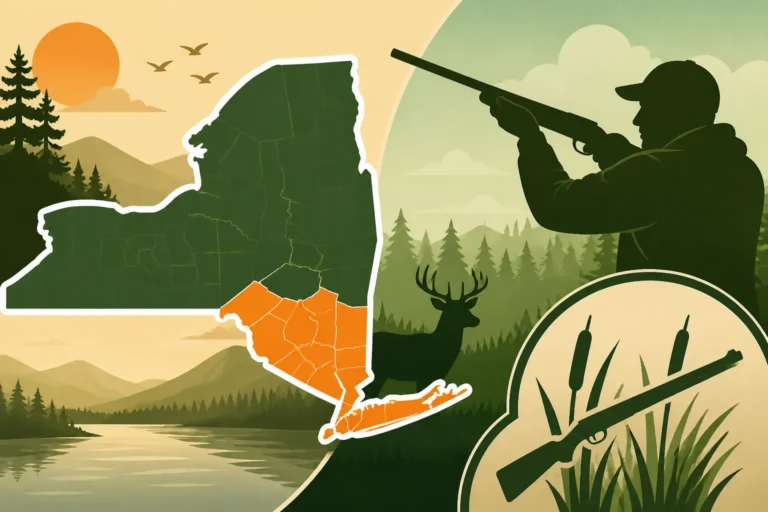
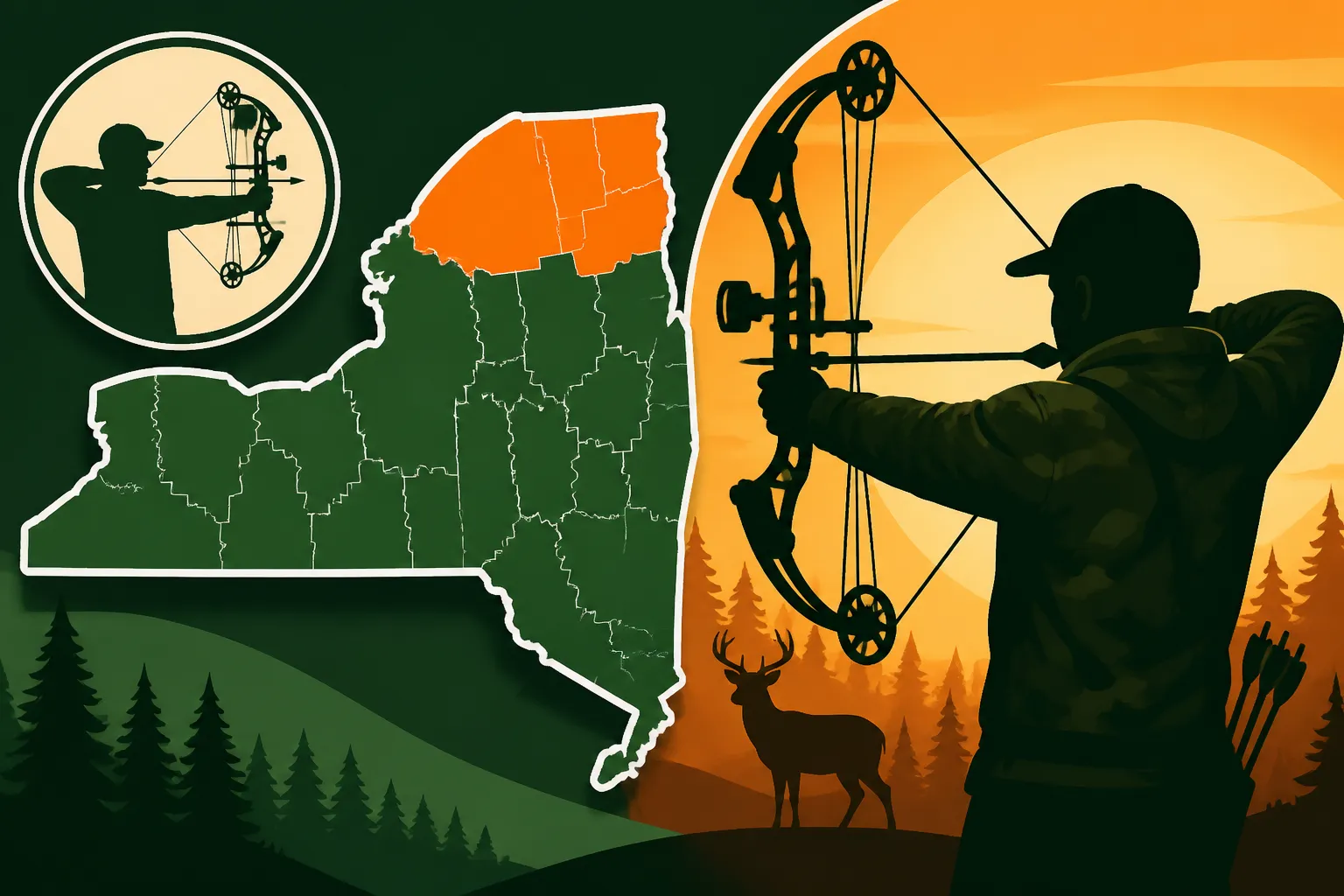
While the Northern Zone overall has a more restrictive late season due to its challenging winters and lower deer densities, there are indeed a select few WMUs that offer a special late bow reopener. These are typically WMUs that, despite being geographically within the Northern Zone, exhibit characteristics more akin to areas with higher deer populations or more favorable conditions. As regulations can change, always check the most current NYSDEC hunting guide, but generally, the Northern Zone WMUs that have historically included a late bow reopener are:
- WMU 6A
- WMU 6G
- WMU 6K
- WMU 6N
- WMU 6P
These WMUs are primarily located in the transitional zones or areas with significant agricultural influence, where deer have access to abundant food sources that help them weather the colder months. This allows the NYSDEC to permit additional harvest without negatively impacting the overall health of the deer herd. The reopener usually runs for a short period in mid-December, providing a unique window after the regular firearm and muzzleloader seasons have concluded in the Northern Zone. Understanding these specific units is your first step to planning a successful late-season hunt. It's about knowing where the deer are abundant enough to support this extended pressure, and where the habitat provides enough resources to sustain them through potential harsh winters.
For quick reference, here's a table summarizing the Northern Zone's general archery season and the specific WMUs offering a late reopener:
| Season Type | General Dates (Northern Zone) | Specific WMUs with Reopener (Mid-December) |
|---|---|---|
| Early Archery | Late September – Early November | All Northern Zone WMUs |
| Late Bow Reopener | Mid-December (Approx. 7-10 days) | 6A, 6G, 6K, 6N, 6P |
| Crossbow during Archery | Permitted during all archery seasons, with valid crossbow privilege | All Northern Zone WMUs (including reopener in specified WMUs) |
Remember, these dates and WMU designations are subject to annual review by the DEC, so confirming them each year is paramount.
How to Confirm Your WMU and Reopener Eligibility
The worst feeling is showing up ready to hunt, only to realize you've misunderstood the regulations for your specific area. To avoid this common pitfall, it's absolutely critical to double-check the rules for your chosen WMU every single year. The NYSDEC provides several excellent resources that every New York hunter should be familiar with.
Your first stop should always be the official NYSDEC Hunting & Trapping Regulations Guide. This comprehensive document is released annually and contains all the definitive dates, rules, and WMU breakdowns. You can find it online on the DEC website or pick up a physical copy wherever hunting licenses are sold. Pay close attention to the "Deer Seasons by Zone" section, and then specifically look for the "Northern Zone Special Archery Season" or similar wording that outlines these unique late opportunities.
Another invaluable tool is the Using the New York HuntFishNY Map Tool app or online portal. This interactive map allows you to zoom in on specific locations, identify WMU boundaries, and often provides a quick reference to the regulations pertinent to that precise area. It’s fantastic for scouting and ensuring you're not inadvertently stepping out of bounds. Many serious hunters also rely on advanced mapping applications like GoHunt, which offers detailed layers showing public and private land, topographic features, and even specific WMU boundaries, making it easier than ever to plan your hunt and understand the regulatory landscape. These apps can be incredibly powerful for identifying access points and navigating the terrain once you know your WMU is eligible for the reopener. Before heading out, always verify the current year's specifics, as season dates or even eligible WMUs can sometimes be adjusted based on deer population assessments and management goals.
Tactics and Considerations for the Late Northern Zone Bow Reopener
Hunting during the late archery reopener in the Northern Zone is a completely different ballgame than the early season. The landscape has changed, the weather is colder, and deer behavior shifts dramatically. Being prepared for these changes is key to success.
Hunting Strategies in Cold Weather
By mid-December, the deer in the Northern Zone are firmly in their winter patterns. The rut is long over, and their primary focus is survival: finding food, conserving energy, and staying warm. This means your hunting strategies need a significant overhaul. Forget about rattling and grunting for the most part; instead, concentrate on food sources. What's left this late in the year? Often, it's agricultural waste such as standing cornfields or cut hayfields in the more agrarian WMUs like 6A or 6G. In more forested areas like 6K or 6N, deer will be focused on browse, acorns (if it was a good year for them and they haven't all been consumed), or even conifer stands for thermal cover. Pay close attention to Late-Season Food Sources for New York Whitetails.
Deer movement will often be concentrated in the early morning and late afternoon, as they conserve energy during the coldest parts of the day. They'll move directly from thick bedding areas, often on sun-exposed slopes or in dense evergreen cover, to their preferred feeding sites. Scouting becomes even more critical now; look for tracks in the snow, fresh droppings, and browsed saplings. A good map, whether a paper topo or a digital one from GoHunt, can help you identify potential travel corridors between thick cover and food. Tracking a Deer in Fresh New York Snow can reveal a wealth of information about deer movement patterns, helping you pinpoint exactly where to set up. Consider using ground blinds, especially if snow cover makes treestand setup challenging or if you want to remain mobile to adjust to changing deer patterns.
Essential Gear for a Northern Zone Late Season Hunt
Cold weather demands specialized gear, and the Northern Zone in December is no joke. Temperatures can plummet, and you might encounter heavy snow, freezing rain, or biting winds. Layering is paramount. Start with good base layers made of wool or synthetics to wick moisture, followed by insulating mid-layers, and finally, a waterproof and windproof outer shell. Wool is often preferred for its warmth even when damp and its quiet properties. Don't forget insulated boots, thick gloves or mittens, and a warm hat that covers your ears. When it comes to Packs for a Day on Public Land, choose one large enough to carry extra layers, emergency supplies, and perhaps a small stove for warming up.
For your stand setup, consider a sturdy ladder stand or a well-anchored climbing stand if the trees are suitable. A comfortable seat cushion and a shooting rail can make a huge difference during long, cold sits. If using a ground blind, make sure it's brushed in well and offers good concealment against a snowy backdrop. Safety gear, including a full-body harness for treestands, is non-negotiable. While blaze orange isn't typically required during bow-only seasons in New York, wearing it for visibility when walking in and out, especially if other seasons (like small game) are open, is always a smart choice. Keeping your bow and release aid free of ice and snow is another practical consideration; a bow cover can be a lifesaver. Ensure your broadheads are sharp and your shot placement is precise, as cold temperatures can sometimes make blood trailing more challenging if not managed carefully. A warm Cold-Weather Sitting Strategy in New York will maximize your comfort and endurance.
Navigating Regulations and Resources for Success
Understanding the season dates and eligible WMUs is a great start, but successful hunting, especially during a specialized reopener, requires a deeper dive into all the applicable rules and knowing how to leverage available resources.
Key Regulations Beyond the Dates
While we've focused on the "when" and "where" of the Northern Zone late bow reopener, several other regulations are critical to a legal and ethical hunt. Firstly, your basic New York Hunting Licenses and What They Cost are a prerequisite. You'll need a valid New York State hunting license with bowhunting privileges. If you plan to use a crossbow, ensure you have the appropriate crossbow privilege as well, which can be acquired after completing crossbow education or by fulfilling specific prior hunting license requirements. Remember to carry proof of these licenses and privileges while hunting.
Bag limits are also vital. During the late bow reopener, hunters typically follow the standard deer bag limit for their WMU, which usually includes one antlered deer per season. However, the true value of these late archery seasons often comes from the opportunity to harvest additional antlerless deer through Deer Management Permits (DMPs). It's essential to understand New York Deer Management Permits Explained and how they apply to the specific WMUs in the Northern Zone that have this reopener. Many of these WMUs might have ample DMP availability, allowing you to fill your freezer with venison. Always confirm the specific DMP rules for WMUs 6A, 6G, 6K, 6N, and 6P for the current year. Once you harvest a deer, reporting your harvest promptly as required by the NYSDEC is not just a legal obligation but also critical for accurate deer management data.
Leveraging Mapping Tools and Local Knowledge
Modern technology has revolutionized how we scout and navigate the hunting woods. Tools like the HuntFishNY app are excellent for checking property lines, identifying public land boundaries, and understanding WMU divisions. But for truly in-depth planning, a subscription service like GoHunt can provide an unparalleled advantage. With GoHunt, you can overlay topographic maps, aerial imagery, and property ownership information, which is particularly useful for identifying potential hunting spots, escape routes, and access points on public land within the designated WMUs. When you're trying to figure out where Adirondack Deer Density Compared to the Southern Tier stands in your specific area, mapping apps can help reveal subtle terrain features that might concentrate deer.
Beyond digital tools, never underestimate the power of local knowledge. Talking to hunters who frequent these specific WMUs, visiting local sporting goods stores, or even connecting with NYSDEC wildlife biologists can provide invaluable insights into deer movement, preferred food sources, and localized conditions. These conversations can often reveal nuances that no map or regulation guide can fully convey. Combine your own Scouting New York Public Land Before Season with these resources, and you'll be well-prepared to tackle the challenges and opportunities presented by the Northern Zone's late bow reopener. It's about blending historical data, current regulations, advanced technology, and boots-on-the-ground intelligence to maximize your chances of success during this unique and often rewarding hunting season.
Disclaimer
The information provided in this guide is for general informational purposes only and does not constitute legal advice. Hunting regulations in New York State are subject to change annually and can vary significantly by Wildlife Management Unit (WMU) and specific season. Hunters are solely responsible for understanding and complying with all current New York State Department of Environmental Conservation (NYSDEC) hunting laws, regulations, and permit requirements before engaging in any hunting activities. Always consult the most recent official NYSDEC Hunting & Trapping Regulations Guide for definitive information.