New York Deer Damage Permit for Farmers
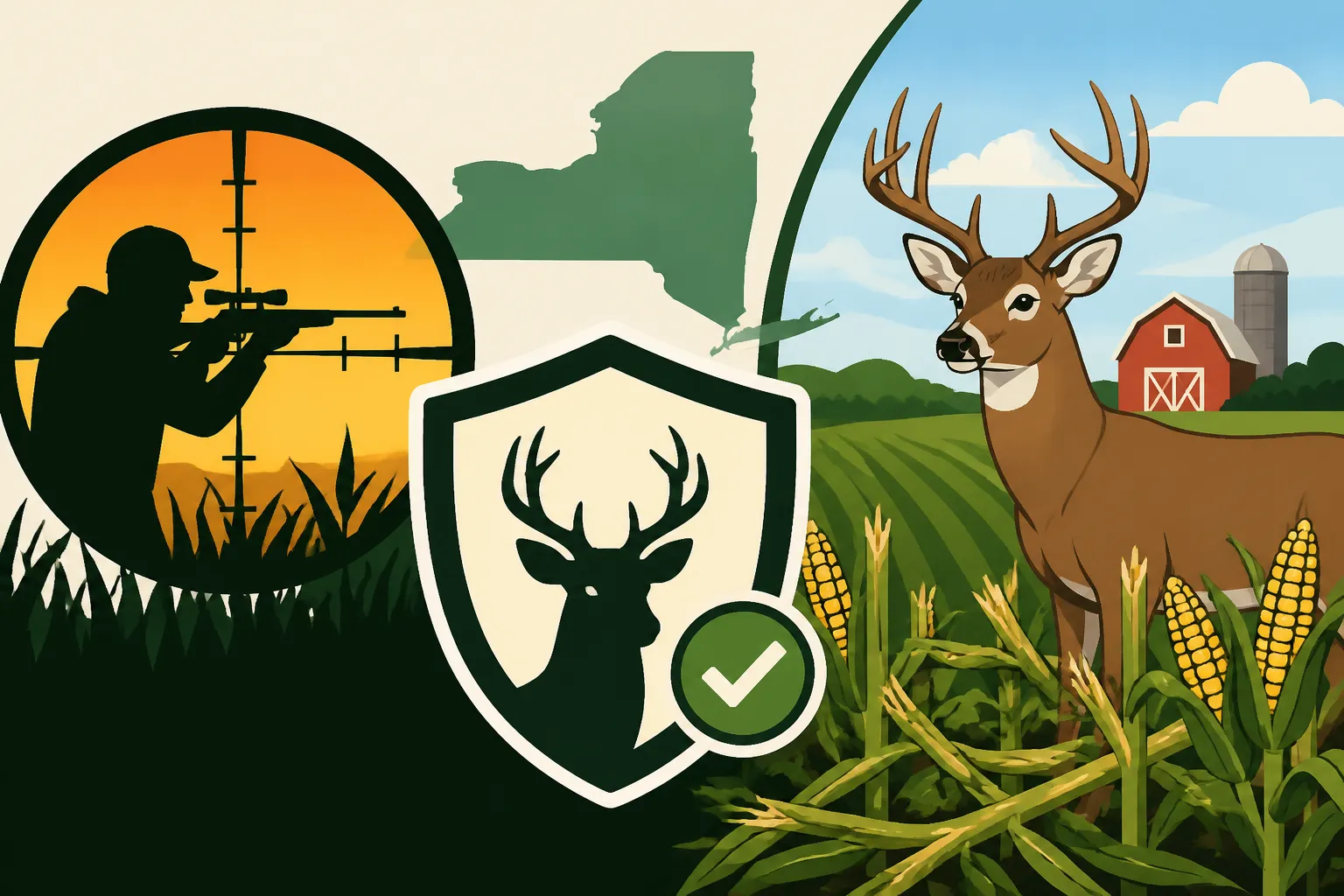
The persistent challenge of deer decimating crops, orchards, and agricultural investments is a harsh reality for many New York farmers. It's more than just a nuisance; it's a direct threat to their livelihood and the viability of their farm. Standard hunting seasons, while important, often don't provide the targeted, timely relief needed when deer damage is severe and ongoing. This comprehensive guide will walk New York farmers through the specifics of the Deer Damage Permit (DDP) program, a vital tool offered by the New York Department of Environmental Conservation (DEC) to mitigate agricultural losses from deer.
Understanding New York's Deer Damage Permit Program
It's crucial for farmers dealing with deer problems to understand that the Deer Damage Permit (DDP) program is a specialized tool, distinct from regular hunting licenses and seasons. It's designed to provide targeted relief in specific, challenging situations.
The Rationale Behind Deer Damage Permits
New York's white-tailed deer population is a remarkable wildlife success story, but for agricultural producers, it can often feel like a constant battle. Deer can inflict significant damage on a wide array of agricultural products, from nascent corn and soybean fields to mature fruit trees and delicate nursery stock. The financial impact can be devastating, wiping out profits and jeopardizing a farm's future. While the DEC works tirelessly to manage deer populations statewide, the general hunting seasons, with their set dates, methods, and bag limits, are primarily designed for recreational harvest and overall population balance. They aren't always equipped to handle localized, intense damage on specific farms.
This is precisely why the DDP program exists. The DEC acknowledges the critical economic hardship that severe deer damage imposes on the agricultural community. A DDP is a special authorization, granted to a bona fide farmer or their designated agent, to take deer outside of conventional hunting seasons or using methods not typically allowed. It's not about sport; it's about crisis management. The objective is to remove the specific deer contributing to the damage, providing immediate relief and safeguarding agricultural production. This program underscores the DEC's commitment to supporting New York's agricultural backbone while also stewarding its wildlife resources.
DDPs Versus Regular Hunting Seasons and DMPs
It’s easy to confuse DDPs with other deer management tools, but their purpose and operational rules are fundamentally different. A regular New York hunting license allows individuals to participate in recreational hunting during established seasons, using permitted weapons and adhering to general bag limits. Deer Management Permits (DMPs), often referred to as antlerless permits, are issued through a lottery system in many Wildlife Management Units (WMUs) and allow hunters to take additional antlerless deer during regular seasons. These DMPs are a critical component of broader population control efforts, helping to reduce overall deer numbers in areas where they are high, as discussed in "New York Deer Management Permits Explained".
In contrast, a DDP is issued directly to a landowner experiencing verifiable, severe agricultural damage. This permit allows for actions that are explicitly outside the scope of regular hunting or DMP privileges. For example, a DDP might permit shooting deer on dates outside of open seasons, using a firearm in an archery-only area, or even taking deer after dark under highly controlled conditions. The key differentiator is the intent: DDPs are solely for damage abatement, not recreation or general population reduction. Because DDPs deviate significantly from standard hunting practices, they come with much stricter oversight, specific conditions, and rigorous reporting requirements mandated by the DEC.
Eligibility and the Application Process for a DDP
Applying for a Deer Damage Permit requires a thorough understanding of the DEC's criteria and a systematic approach to the application process. It’s not a casual request, but a carefully evaluated necessity.
Who Qualifies for a Deer Damage Permit?
The DEC reserves DDPs for landowners facing genuine and significant agricultural losses due to deer. To qualify, you must be able to demonstrate that you are an active agricultural producer and that deer are causing substantial economic damage to your crops, orchards, vineyards, nurseries, or other agricultural enterprises. This isn't a permit for minor garden nuisances; it’s for situations where your livelihood is being directly impacted. The DEC will typically seek evidence of recurring, heavy damage, often quantifiable through crop yield reductions or monetary losses. They also expect applicants to have already implemented reasonable non-lethal deterrents or tried to reduce deer numbers through conventional hunting opportunities on their property.
Your property must be actively managed for agricultural purposes. This includes everything from row crops like corn and soybeans to specialized operations like fruit orchards, vineyards, and Christmas tree farms. The local DEC regional wildlife staff will be instrumental in the qualification process, conducting site visits to assess the damage firsthand and verify the agricultural nature of your operation. Be prepared to provide supporting documentation, such as photographs of damage with dates, detailed estimates of financial loss, and a record of any previous efforts to deter deer. This comprehensive approach ensures that DDPs are issued only where they are truly necessary and justified.
Step-by-Step Application Procedures
The application for a DDP is a direct, hands-on process that begins with your regional DEC wildlife office. It's not something you can typically complete entirely online.
- Initial Contact with DEC: Your first step is to contact your regional DEC wildlife biologist. You can find contact information for these offices on the official New York DEC website. Clearly explain the nature and extent of the deer damage you're experiencing.
- Site Visit and Damage Assessment: A DEC biologist will likely schedule a visit to your property to observe the damage. During this visit, be ready to show them the affected areas, present any evidence you've gathered (photos, damage logs, crop reports), and describe the measures you’ve already taken to deter deer. This is your opportunity to build a strong case for why a DDP is necessary.
- Formal Application Forms: If the biologist confirms the severity of the damage, they will guide you through the official application forms. These forms will require detailed information about your farm operation, the specific type of damage, the financial impact, and your proposed methods for deer removal.
- Designating Authorized Individuals: You'll need to designate the individuals who will be authorized to take deer under the permit. These individuals must hold valid New York hunting licenses and be fully aware of all permit conditions and safety protocols.
- Permit Issuance: If your application is approved, the DEC will issue the DDP. This permit will explicitly outline all conditions, including the maximum number of deer that can be taken, the specific dates and times when operations are allowed, the permitted methods of take (e.g., specific firearms, night shooting), and any special tagging requirements.
- Adherence to Reporting: Once issued, strict adherence to reporting requirements for every harvested deer is paramount.
Here’s a table summarizing the key aspects of the DDP process:
| Aspect | Description | Key Requirement/Consideration |
|---|---|---|
| Purpose | To mitigate severe, ongoing agricultural damage caused by deer. Not for recreational hunting. | Verifiable economic loss to agricultural products. |
| Eligibility | Bona fide agricultural producers demonstrating substantial damage, having attempted other deterrents. | Farm records, photos of damage, evidence of prior mitigation attempts. |
| Application Start Point | Contact your regional NYS DEC Wildlife Office. | Phone call or email, clear explanation of problem. |
| Assessment | DEC biologist conducts a site visit to confirm damage and evaluate the need. | Prepare evidence, walk-through affected areas. |
| Permit Conditions | Specifies number of deer, dates, times, and methods of take. Highly individualized. | Read permit thoroughly, ensure all authorized individuals understand. |
| Authorized Persons | Must be licensed hunters designated by the permit holder. | Valid NYS Hunting License for all individuals involved. |
| Reporting | Strict, timely reporting of every deer taken is mandatory. | DEC-specified method (online, phone, physical tags) within 24-48 hours. |
| Compliance | Strict adherence to all terms and conditions of the DDP is essential. | Failure to comply can result in severe penalties and permit revocation. |
Being organized and proactive with documentation, much like using tools such as GoHunt to Reading Aerial Photos for Southern Tier Deer to understand deer movement, can significantly streamline this vital process.
Operational Rules and Restrictions for DDPs
Once a DDP is issued, understanding and strictly following its operational rules and restrictions is non-negotiable. These permits grant specific exceptions to general hunting laws, and adherence ensures their integrity and efficacy.
Permitted Methods, Seasons, and Bag Limits
A DDP is distinct from regular hunting because it allows for specific deviations from standard regulations to effectively control damage. For example, a DDP might authorize the use of firearms in areas typically restricted to shotguns or bows, or during periods when only archery is permitted under "New York's Southern Zone Firearm Season" or "Bowhunting New York's Long Archery Season." In critical situations, it can even authorize taking deer at night, which is often when the most significant agricultural damage occurs. However, these are not blanket permissions. Each DDP will explicitly detail the exact methods permitted, the specific dates and times for operation, and the maximum number of deer that can be taken. The "bag limit" under a DDP is not a recreational quota but a targeted number to alleviate damage.
Safety is always paramount. All standard safety regulations regarding firearm discharge setbacks, safe handling, and possession remain in effect unless explicitly modified by the permit. The DEC also emphasizes ethical harvest, requiring that all deer be taken humanely. While the DDP offers flexibility, it also demands responsibility. Every condition, from weapon type to time of day, will be clearly stipulated on the permit. It is the permit holder's legal responsibility to ensure that anyone operating under the DDP fully understands and complies with every rule. For instance, if you are actively managing deer with a DDP, understanding patterns like when "New York Bucks Shed Antlers" might give you an idea of deer density outside of the primary antlered season, though DDPs often focus on antlerless deer.
Strict Reporting and Tagging Requirements
One of the most critical components of any Deer Damage Permit is the rigorous reporting and tagging protocol. Every deer harvested under a DDP must be reported to the DEC, usually within a very short timeframe—often 24 to 48 hours. This isn't a suggestion; it's a mandatory requirement that allows the DEC to monitor the program's effectiveness, track local deer populations, and ensure permit compliance. The permit will specify the exact reporting procedure, which might involve a dedicated phone line, an online system similar to "Reporting a New York Deer Harvest Online", or the submission of special harvest tags.
Alongside reporting, deer taken under a DDP will require special tags issued by the DEC. These tags, which are distinct from standard big game or DMP tags, must be immediately affixed to the carcass and remain attached until the deer is processed. This tagging system is vital for preventing illegal activities and verifying that all harvested animals are properly accounted for. Failure to report a harvest or to properly tag a deer taken under a DDP can result in severe penalties, including fines, permit revocation, and potential legal charges. The integrity and continued availability of the DDP program depend heavily on the diligence and honesty of the permit holders. Farmers might consider using mapping and scouting tools like GoHunt to log observations of deer and damage, which can inform DDP efforts and provide valuable data for the required reporting.
Benefits, Limitations, and Alternatives to DDPs
While Deer Damage Permits offer a crucial solution, they are best viewed as one component of a comprehensive deer management strategy. Farmers should understand their full scope, including other viable options.
The Immediate Relief and Long-Term Considerations
The most significant and immediate benefit of a Deer Damage Permit is the targeted relief it provides to a farmer experiencing substantial crop loss. When deer are actively devastating fields, having the authority to remove those animals, even outside of traditional hunting seasons, can literally save a harvest and protect a farmer's income. It provides a level of direct control over problem deer that no other program can offer. Furthermore, by strategically removing deer that have developed a habit of feeding on agricultural land, a DDP can help break these patterns and deter other deer from establishing similar destructive behaviors on the property.
However, DDPs are rarely a standalone, permanent solution. Deer populations are dynamic and highly adaptable; removed deer can be replaced by others moving into the area. Therefore, a DDP should be integrated into a broader, long-term deer management plan. Effective long-term strategies often involve a combination of methods, including physical exclusion (like fencing), habitat modification, and robust hunter engagement during regular seasons. Actively encouraging responsible hunters during "Hunting the New York Rut in November" or "New York's Southern Zone Firearm Season" can significantly reduce overall deer pressure on agricultural lands. Farmers might also explore planting deer-resistant crops or creating sacrificial food plots to divert deer from high-value crops. Using tools like GoHunt can aid in identifying deer travel corridors, bedding areas, and areas of high damage, allowing for more strategic placement of deterrents or more effective targeting under a DDP. Understanding the local "Deer Density by New York Wildlife Unit" can also help inform these strategies.
Exploring Other Deer Damage Mitigation Strategies
Before applying for a DDP, or to complement one, the DEC generally recommends and often requires farmers to explore and implement a variety of non-lethal and conventional lethal methods. These can include:
- Exclusion Fencing: Often the most effective long-term solution, high-tensile electric fences or sturdy woven-wire fences (ideally 8 feet or taller) can completely protect high-value crops and orchards. While the initial investment can be substantial, the long-term protection often justifies the cost.
- Repellents: Commercial deer repellents, which use unpleasant scents or tastes, can be effective for smaller areas or newly planted crops. However, they require consistent reapplication, especially after rain, and their effectiveness can diminish under heavy deer pressure as deer habituate.
- Harassment Techniques: Devices such as propane cannons, scarecrows, or even guard dogs can temporarily deter deer. The challenge is that deer are intelligent and quickly learn to ignore predictable harassment, making these methods less effective over time.
- Habitat Modification: Altering the habitat directly surrounding agricultural fields can make the area less attractive to deer. This might involve removing dense brush or woody cover that provides bedding and security near crops, or creating buffer zones.
- Active Hunter Engagement: One of the most cost-effective and sustainable methods for reducing deer impact is to actively encourage and manage hunters on your property during the regular seasons. By providing access, particularly for the harvest of antlerless deer ("Filling Extra DMPs in Unlimited WMUs"), you can significantly lower the local deer population pressure. Building positive relationships with hunters and clearly communicating access points and huntable areas, perhaps by sharing property maps via GoHunt, can maximize this effort. Landowners should also be aware of "New York Landowner Deer Tag Rules" which may offer additional options.
- Deer Management Assistance Program (DMAP): In specific situations, often tied to extensive habitat management plans or verified damage, the DEC may issue DMAP tags. These are different from DDPs but can also provide additional antlerless tags to help meet specific population reduction goals.
Ultimately, a Deer Damage Permit is a critical safety net for New York farmers, but it functions best as part of an integrated, multi-faceted approach to deer management. Farmers need to be vigilant, adapt their strategies, and maintain open lines of communication with the DEC to ensure both successful agricultural production and healthy wildlife populations. If you're encountering deer in your "Hunting a Standing Cornfield in Farm Country", considering a DDP might be a critical step.
Navigating the Legalities and Ethical Considerations
Utilizing a Deer Damage Permit involves navigating specific legal and ethical considerations that go beyond typical hunting regulations. Understanding these aspects is crucial for every permit holder.
Ensuring Legal Compliance and Public Trust
When you operate under a DDP, you are effectively acting as an agent of the state, carrying out a specific wildlife management task. This means strict adherence to every condition outlined in your permit is absolutely critical. This includes the maximum number of deer, the authorized dates and times, the specific methods of take, and the meticulous reporting requirements. Any deviation from these terms can lead to severe legal repercussions, including substantial fines, immediate revocation of your DDP, and potentially criminal charges if activities are perceived as illegal hunting or wildlife harassment. Remember, general hunting laws, such as those concerning "New York Legal Firearms for Deer Hunting" or regulations about discharging a firearm near dwellings, remain in effect unless explicitly superseded by your DDP.
Beyond legal compliance, maintaining public trust is paramount. While the public generally supports farmers, any perceived misuse of a DDP could generate negative publicity, potentially eroding public support for legitimate wildlife damage control programs. This means conducting DDP operations discreetly and professionally, ensuring humane kills, and avoiding any actions that could be misinterpreted. The venison from deer harvested under a DDP is typically usable and should be handled ethically. Many farmers choose to donate the meat to local food banks, which is an excellent way to turn a necessary management action into a community benefit and demonstrate responsible stewardship.
Ethical Use and Community Relations
The ethical responsibilities of a DDP holder extend beyond simply following the letter of the law. While the core objective is damage alleviation, the manner in which deer are taken reflects on the farmer, the hunting community, and the DEC. It's essential to use appropriate firearms and take clean, ethical shots to ensure a swift, humane death. If you designate other hunters to operate under your DDP, ensure they are experienced, responsible, and fully grasp the serious nature of the task. They should also possess a strong understanding of deer behavior and local movement patterns, possibly using mapping applications like GoHunt to pinpoint areas of high deer activity around the property, to facilitate efficient and targeted removal.
Furthermore, fostering positive community relations is key. If DDP operations involve activities like night shooting, which could alarm neighbors, proactive communication is highly recommended. Informing nearby residents about the permit's purpose, explaining the necessity of the actions, and reassuring them about safety protocols can prevent misunderstandings and unnecessary complaints to the DEC or local law enforcement. While challenging, transparent communication helps maintain good neighborly relations and reinforces the image of responsible wildlife management. Every permit holder plays a role in upholding the highest ethical standards, ensuring deer are taken only when necessary, in the most humane way possible, and with proper respect for the animals and the wider community.
Disclaimer
The information provided in this guide is for general informational purposes only and does not constitute legal advice. New York's hunting and wildlife regulations, including those pertaining to Deer Damage Permits, are subject to change. Always consult the official New York State Department of Environmental Conservation (DEC) regulations or contact your regional DEC office for the most current and specific guidance regarding Deer Damage Permits and all hunting activities.