Bears Moving Into the Hudson Valley
It's becoming less of a surprise and more of a common occurrence for folks in the Hudson Valley to hear about black bear sightings. Whether you're a long-time resident who never saw a bear growing up, or a hunter looking to understand shifting patterns, it can be unsettling and fascinating to witness these magnificent animals venturing closer to our homes and more developed areas. This guide will dive deep into why New York's black bear population is expanding into the Hudson Valley, what it means for residents and hunters, and how we can best adapt to our new furry neighbors.
Why Bears Are Venturing into the Hudson Valley
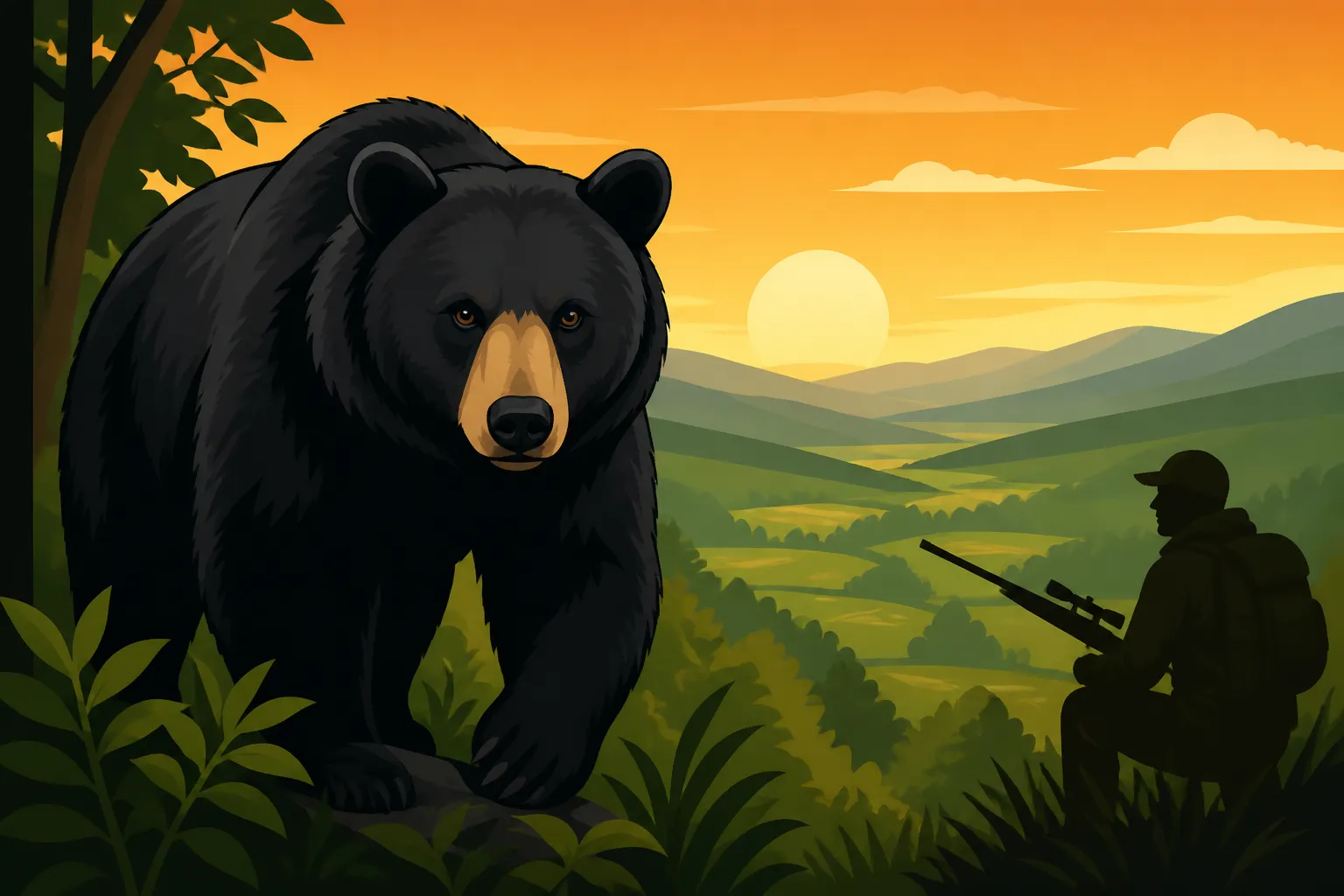
The presence of black bears in the Hudson Valley isn't just a random occurrence; it's a testament to the thriving and expanding bear population throughout New York State. For decades, the Catskill Mountains and the Adirondacks were the primary strongholds for our state's black bears. These vast, wild areas provided everything a bear could want: dense forests, abundant natural food sources, and minimal human disturbance. However, several factors have converged to encourage these powerful creatures to explore new territories, including the beautiful, rolling landscapes of the Hudson Valley.
Population Growth and Saturation of Traditional Habitats
First and foremost, the bear population in New York is healthy and growing. When an animal population thrives, it naturally begins to expand its range as younger, dispersing individuals seek out new territories. Think of it like a growing family in a small house – eventually, some members need to find their own place. For bears, these "new places" are often adjacent habitats that were historically less bear-dense, but now offer suitable conditions.
The Catskill Mountains, for example, have an incredibly robust bear population. As these traditional bear havens reach their carrying capacity, younger bears, particularly two-year-old males, are pushed out to find their own space. They embark on exploratory journeys, often following river corridors, undeveloped patches of woodland, and even suburban greenways, until they find an area with enough food and cover to call home. This gradual, outward expansion from core areas is a classic ecological phenomenon, and the Hudson Valley, with its proximity to the Catskills, is a natural recipient of this spillover.
Abundant Food Sources and Changing Landscapes
Beyond population pressure, the Hudson Valley offers an undeniable allure: food. Bears are opportunistic omnivores with incredibly keen senses, and they are masters at finding calories. While the Hudson Valley might not have the untouched wilderness of the Adirondacks, it boasts a mosaic of farmlands, orchards, suburban backyards, and woodlots that provide a smorgasbord of easily accessible sustenance.
Natural food sources like acorns, hickory nuts, and berries are plentiful in the valley's diverse forests. However, bears are also quick to exploit human-provided food. Bird feeders, unsecured garbage cans, compost piles, outdoor pet food, and even fruit trees in backyards become irresistible targets. This "suburban buffet" can be a significant draw, especially during times of natural food scarcity, like a poor mast crop year. Once a bear learns that human dwellings mean easy meals, they are more likely to frequent these areas, sometimes setting up permanent residence.
Protected Areas and Connectivity
New York State also has a network of state parks, undeveloped private lands, and protected conservation easements throughout the Hudson Valley. These areas, while not always vast wilderness, provide crucial corridors and stepping stones for bears to move safely through the landscape. They offer cover, denning sites, and a sense of security, allowing bears to travel further from their traditional territories.
For instance, a bear might follow a wooded ridgeline from the Catskills, cross smaller patches of farmland, use a state park as a temporary refuge, and eventually find its way down closer to the Hudson River itself. This increasing connectivity, coupled with regulations like those surrounding New York's Chronic Wasting Disease Containment Area that protect deer and, by extension, their habitat which benefits bears, means bears face fewer barriers than they might have in generations past.
Where Bears Are Making Their Mark in the Hudson Valley
The expansion isn't uniform; certain parts of the Hudson Valley are experiencing a more noticeable increase in bear activity than others. Generally, the western side of the valley, bordering the Catskill Mountains, sees the earliest and most consistent influx. However, bears are proving to be adaptable, and sightings are now common further east and even closer to major population centers.
Western Counties: Ulster, Orange, and Sullivan
Counties like Ulster, Orange, and Sullivan, directly adjacent to the Catskill Forest Preserve, have long been familiar with bears. However, even these areas are seeing more frequent and bolder interactions. Bears are moving from the deep woods of places like Minnewaska State Park Preserve and the Shawangunk Ridge into more populated towns.
In towns near the base of the Catskills, like New Paltz or Kingston, it's no longer unusual to see a bear rummaging through a garbage can on a main street early in the morning. Residents in these areas are often the first to feel the impact, having to learn how to secure attractants and react appropriately to close encounters. Hunters in these regions, used to pursuing deer, are also finding their scouting for deer is turning up more bear sign. For more on how bear populations are doing across the state, consider reading about New York's Black Bear Population.
Central and Eastern Expansion: Dutchess, Putnam, and Columbia
The real story of expansion lies further east, into counties like Dutchess, Putnam, and even Columbia. Historically, bear sightings here were rare and often considered anomalies. Now, while still less common than in the western valley, they are becoming increasingly regular. Bears are pushing across the Hudson River and establishing themselves in new territories, finding suitable habitat in the rolling hills and fragmented woodlands.
This eastward migration is fueled by a combination of the factors mentioned earlier: growing bear numbers, the search for new food sources, and the presence of green corridors. Farmers and landowners in these counties, many of whom have never had to contend with bears before, are now learning to protect livestock, secure feed, and manage their properties with bears in mind. It's a significant shift that impacts everything from backyard barbecues to agricultural practices.
Suburban and Peri-Urban Areas
Perhaps the most striking aspect of this expansion is the increasing frequency of bear sightings in suburban and even peri-urban areas. Bears are being seen in communities along the Taconic State Parkway, near busy highways, and surprisingly close to towns that feel far removed from wilderness. These aren't just transient bears passing through; some are establishing territories within these human-dominated landscapes.
This phenomenon highlights the incredible adaptability of black bears. They learn quickly where food is readily available and how to navigate human environments, often under the cover of darkness. This means that even if you live in a seemingly developed area of the Hudson Valley, you need to be bear-aware. Tools like GoHunt can be invaluable for pinpointing suitable habitat areas for wildlife, even fragmented ones, helping you understand where bears might travel or bed down.
Living With and Hunting Black Bears in the Hudson Valley
The increasing presence of black bears in the Hudson Valley brings both challenges and opportunities. For residents, it means adapting daily habits to minimize conflicts. For hunters, it offers new prospects and a greater responsibility to understand bear behavior and regulations.
Coexisting with Black Bears: A Resident's Guide
For those living in the Hudson Valley, particularly in areas with increasing bear activity, proactive measures are key to peaceful coexistence. The vast majority of human-bear conflicts stem from bears associating humans with food.
First, secure all attractants. This is the golden rule. Bird feeders, especially suet and black oil sunflower seeds, are bear magnets. Take them down from April through November, or switch to safflower seed, which bears are less fond of. Store garbage in bear-resistant containers or secure sheds until collection day. If you have chickens or beehives, electric fencing is often the only reliable deterrent. Keep pet food indoors and clean grills thoroughly after each use. Remember, a fed bear is a dead bear, as habituated bears often become nuisance bears that ultimately must be removed.
Second, understand bear behavior. Black bears are generally shy and will avoid humans if given the chance. If you encounter a bear in your yard, make noise, wave your arms, and try to make yourself look as large as possible. Yell at it. Most bears will run off. Never run from a bear; this can trigger a chase response. If you have outdoor pets, supervise them, especially at dawn and dusk. For more specific advice on what to do if a bear is near your home, resources from the state wildlife agency are incredibly helpful. These encounters can be startling, but knowing how to react reduces risk for both you and the bear.
Third, educate your neighbors. Bear-proofing your property is only part of the solution if your neighbors are inadvertently feeding bears. Community-wide awareness and cooperation are essential. Sharing information on securing attractants and proper bear etiquette helps create a less rewarding environment for bears to linger, encouraging them to move on to natural food sources. This collective effort is critical as bears expand their range and become a more consistent part of the Hudson Valley landscape.
Hunting Opportunities and Responsibilities
For hunters in the Hudson Valley, the growing bear population presents new opportunities. Many hunters, especially those in the Southern Zone, are primarily focused on deer. However, with more bears moving in, the prospect of pursuing a bear in your familiar deer woods is becoming more realistic. Remember that New York Bear Season by Zone dictates specific dates and regulations, so always check the current hunting guide.
Hunting bears in the Hudson Valley, especially in areas with fragmented habitat, often requires different tactics than hunting in the vast Adirondacks. While bears are opportunistic, finding them consistently means understanding their movement patterns between bedding areas and food sources. Since baiting is illegal in New York, understanding Bear Hunting Without Bait in New York is paramount. Focus on natural food sources like oak ridges during a good mast year, or apple orchards in the fall. Scouting thoroughly is essential, and mapping tools like GoHunt can help identify potential travel corridors, secluded bedding areas, or prime feeding spots that bears might utilize.
Furthermore, hunters have a critical role to play in managing the bear population responsibly and ethically. This includes knowing Shot Placement on a New York Black Bear to ensure a quick, humane harvest, and understanding the process of Handling a Bear After the Shot to properly care for the meat and hide. Reporting your harvest is not just a legal requirement but provides vital data for wildlife managers to monitor the health and distribution of the state's bear population. As bears continue to expand, this data becomes even more crucial for informed decision-making.
| Factor Contributing to Bear Expansion | Impact on Hudson Valley Residents | Impact on Hudson Valley Hunters |
|---|---|---|
| Growing Bear Population | Increased sightings, potential conflicts over attractants. | More opportunities for bear tags, need to understand new patterns. |
| Abundant Food Sources | Attracts bears to suburban areas (garbage, bird feeders, fruit trees). | Focus on scouting natural food sources like mast crops and berries. |
| Habitat Connectivity | Bears use greenways, state parks, and wooded corridors to move. | Can identify travel routes, but also means bears are highly mobile. |
| Changing Climate/Ecosystems | Shifts in food availability can push bears into new areas. | Need to adapt scouting based on seasonal food availability. |
| Adaptability of Bears | Bears learn to navigate human landscapes effectively. | Requires more stealth and careful observation in fragmented cover. |
Safety First: Minimizing Risk
Whether you're a hiker, homeowner, or hunter, safety around bears is paramount. Always be aware of your surroundings, especially in wooded areas. If you're hiking, make noise to avoid surprising a bear. Carry bear spray and know how to use it, particularly if venturing into denser bear country. When camping or hunting in areas with known bear activity, store food and scented items in bear-resistant containers or hung from a tree.
For hunters, understanding bear behavior is crucial. A wounded bear can be dangerous, so patience and careful tracking are vital. Always let a bear expire before approaching. If you do encounter a bear during deer season, be aware of your surroundings and the bear's body language. These interactions are becoming more frequent, so preparedness and knowledge are your best tools for minimizing risk for yourself and ensuring the welfare of New York's impressive black bear population.
The ongoing presence of bears in the Hudson Valley is a sign of a successful wildlife management story, but it also necessitates a new level of awareness and responsibility from all of us who share these beautiful landscapes.
Disclaimer
This article is for general informational purposes only and does not constitute professional advice. Laws, prices and regulations vary by location and change over time. Consult a qualified professional for guidance on your specific situation.