Reporting a Deer Through HuntFishNY
Reporting a deer harvest in New York can sometimes feel like another daunting task after the adrenaline of the hunt has worn off, especially when you're cold, tired, and just want to get your deer processed. It's easy to get confused by the different numbers, dates, and units required, leading to frustration or even overlooking the critical step of reporting entirely. This guide aims to clear up all the confusion around reporting your deer through New York's HuntFishNY system, ensuring you fulfill your legal and ethical responsibilities smoothly and accurately.
Why Reporting Your Deer Matters Beyond Just the Law
It's easy to view reporting your deer as just another bureaucratic hoop to jump through, but the truth is, it's far more significant than that. Every single deer harvest report contributes to a much larger picture, one that directly impacts the future of deer hunting in New York. We're talking about conservation, population health, and the very seasons we look forward to each year.
The DEC's Need for Accurate Data
Think of the New York State Department of Environmental Conservation (DEC) as the primary caretakers of our state's incredible wildlife resources. To do their job effectively, they need solid, reliable information. Your deer harvest report is a crucial piece of that puzzle. It's not just about how many deer are taken; it's about where they're taken, what sex they are, and when they're harvested. This data allows the DEC to calculate deer density by New York Wildlife Unit, track population trends, understand herd health, and identify areas that might be experiencing overpopulation or decline. Without accurate reports from hunters like us, the DEC would be flying blind, making decisions based on guesswork rather than scientific fact.
For instance, if hunters consistently report a high number of antlerless deer in a specific Wildlife Management Unit (WMU) that also shows signs of habitat degradation, the DEC might decide to increase Deer Management Permits (DMPs) in that area to reduce the population and alleviate pressure on vegetation. Conversely, if buck harvests decline drastically in another WMU, it could signal a need for more conservative antler restrictions or a reduction in antlerless permits. So, when you take a moment to report your deer, you're not just checking a box; you're actively participating in the robust management strategies that ensure healthy deer populations and sustainable hunting opportunities for generations to come. It’s a direct contribution to keeping our woods teeming with game.
Understanding Your Hunter's Responsibility
Beyond the data, reporting a deer is a fundamental aspect of ethical hunting. It’s a demonstration of accountability and respect for the resource. As hunters, we are stewards of the land and its wildlife. This stewardship isn't just about what we do in the field; it extends to the administrative side of things. When you report your deer, you're upholding the integrity of the hunting community and demonstrating that hunters are responsible, law-abiding conservationists.
It also reinforces the concept that hunting is a privilege, not a right. That privilege comes with obligations, one of the most critical being honest and timely reporting. Imagine if a significant portion of hunters neglected to report their harvests. The DEC's data would be skewed, leading to potentially inappropriate management decisions that could either harm the deer population or unnecessarily restrict hunting opportunities. Every time you punch your tag and then take the time to accurately report that harvest, you’re fulfilling a vital part of the hunter-conservationist compact, ensuring that our collective passion for hunting remains strong and respected. This is part of the foundation laid in programs like the New York Hunter Education Requirements.
Navigating the HuntFishNY System for Deer Reporting
New York's transition to the HuntFishNY system has streamlined many aspects of licensing and reporting, but like any new technology, it can have its learning curve. Don't worry if it feels a bit clunky at first; with a little guidance, you'll be reporting your deer like a seasoned pro.
Step-by-Step Online Reporting
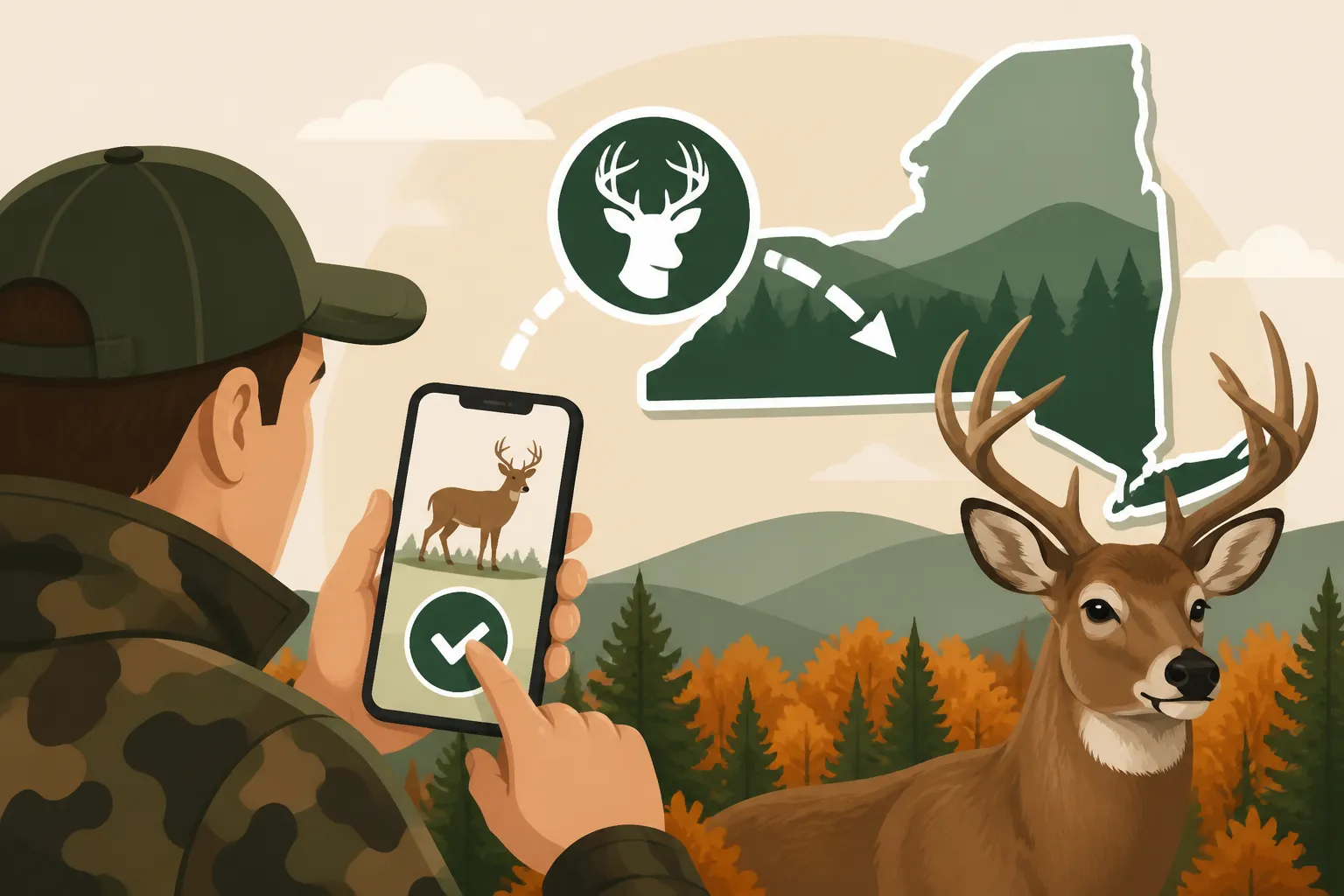
The online reporting system through HuntFishNY is generally the quickest and most convenient method. Here's how to navigate it:
- Accessing the System: First things first, head to the official NYSDEC HuntFishNY website. You'll need to log in using your account credentials. If you haven't created an account yet, you'll need to do so, linking it to your customer ID number (usually found on your hunting license). Once logged in, look for a prominent section, typically labeled "Report Harvest" or "Report My Deer." It’s usually a clear button or link right on your dashboard.
- Gathering Your Information: Before you start clicking, make sure you have all the necessary information at hand. This includes your specific harvest tag number (found on your physical or digital license), the exact date and estimated time of harvest, the Wildlife Management Unit (WMU) where you took the deer, the sex of the deer, the number of antler points if it was a buck (at least one inch long), the type of weapon you used (e.g., rifle, shotgun, bow, crossbow, muzzleloader), and whether the deer was taken on public or private land. Having these details ready will make the process much faster and reduce the chance of errors. Remember that a complete understanding of your tags, like those covered in New York Deer Management Permits Explained, is crucial before you even head into the woods.
- Filling Out the Form: The online form is designed to be user-friendly, guiding you through each field. You'll select the species (deer), then input the harvest tag number. Next, you'll enter the date and time. For the WMU, you'll typically select it from a dropdown menu. Make sure you select the correct unit; a wrong WMU can skew important data. You'll then specify the sex and antler points. For bucks, only points an inch or longer are counted. Finally, choose your weapon type—whether it was during New York's Southern Zone Firearm Season or with a bow and arrow during Bowhunting New York's Long Archery Season—and indicate if it was public or private land. Double-check everything before hitting submit!
- Confirmation: Once you submit the report, the system should provide a confirmation message and often an email. This is your proof that the report was successfully filed. Keep a screenshot or printout for your records, just in case. It's a small step that can save you a big headache later if any questions arise about your harvest.
Reporting by Phone When Online Isn't an Option
We all know cell service can be spotty, especially in the remote parts of the Adirondacks or the Finger Lakes. Or maybe you're just not a fan of technology, and that's perfectly fine. The DEC still offers a phone reporting option, which is a lifesaver for many hunters.
If you can't or prefer not to report online, you can call the DEC's automated harvest reporting system. You'll typically find the dedicated phone number printed on your hunting license or on the DEC's official website. Just like with the online system, you’ll want to have all your harvest information readily available before you dial. The automated system will prompt you for each piece of data: your customer ID number, the harvest tag number, date, time, WMU, sex, antler points, weapon type, and public/private land indicator. Speak clearly and follow the prompts carefully. It’s essentially the same information you'd input online, just delivered verbally. This method ensures that even if you're in an area without internet access or prefer the old-school approach, your valuable harvest data still makes it to the DEC.
What If You Forget or Make a Mistake?
Life happens, and sometimes, in the excitement or exhaustion after a successful hunt, we might forget to report, or we might accidentally enter a wrong number. Don't stress too much, but don't ignore it either.
If you realize you've made a mistake on your report, or if you simply forgot to report within the mandated timeframe (which is typically within seven days of harvest, though it's always best to do it as soon as possible), the first step is to contact the DEC. You can usually find the regional DEC office contact information on their website. Explain the situation honestly. They are generally understanding and want accurate data, so they will guide you on how to correct the error or file a late report. It's much better to proactively correct a mistake or report late than to risk potential penalties for an unreported harvest, which can range from fines to license suspension. While New York Wildlife Violation Penalties exist, demonstrating a willingness to comply usually goes a long way.
Details You'll Need for Your Deer Report
Accuracy is paramount when reporting your deer. The more precise you are with the details, the better the data the DEC has for managing the state's deer herd. Let's break down the critical pieces of information you'll need.
Harvest Information Essentials
Gathering these specifics right after the harvest, or even while you're field dressing, can make the reporting process much smoother.
- Harvest Tag Number: This is a unique number printed on each of your deer carcass tags. When you get your license, you'll have specific tags for regular deer and any Deer Management Permits (DMPs) you might have. Ensure you're reporting the correct tag number for the deer you harvested. This isn't just about legality; it's how the DEC tracks which tags are being filled.
- Date and Time of Harvest: You need to provide the exact date you took the deer and an approximate time. Was it first light on opening morning or late afternoon during the Hunting the Rut in the Southern Zone? This helps the DEC understand hunting pressure and deer movement patterns throughout the season. They're not looking for military precision, but a reasonable estimate is important.
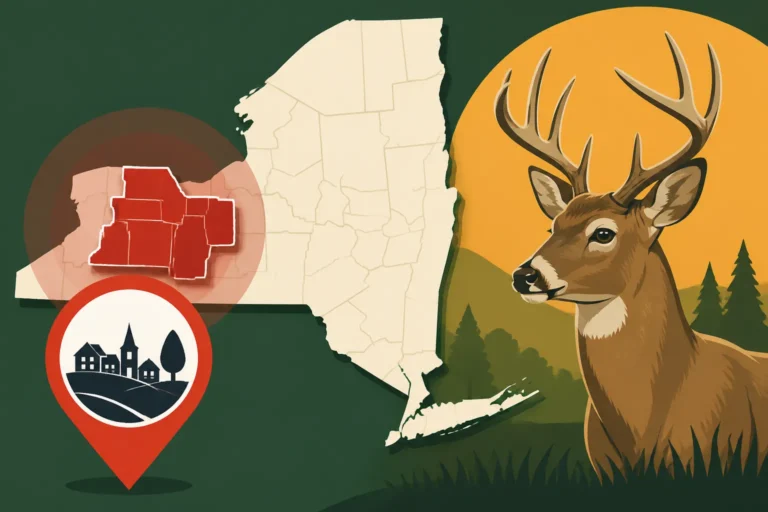
- WMU (Wildlife Management Unit): This is perhaps one of the most crucial pieces of information. New York is divided into numerous WMUs, each with specific regulations and management goals. Knowing your WMU precisely is vital. Many hunters use mapping apps like GoHunt or the official Scouting With the New York HuntFishNY App to confirm their exact location and WMU boundaries while in the field. Don't guess; confirm it. Taking a moment to verify your WMU on your map or GPS after a successful hunt ensures your data is allocated correctly, impacting local management decisions like those for New York Deer Management Permits Explained.
- Sex of Deer: Simply indicate whether it was a buck, a doe, or a fawn. This detail is fundamental for population modeling and assessing the health and reproductive success of the herd.
- Antler Points (for bucks): If you harvested a buck, you'll need to count the number of antler points that are at least one inch long. This is a common point of confusion for new hunters. Don't count "bumps" or "nubs" unless they clearly meet the one-inch criterion. The DEC uses this data, especially in areas with antler restrictions, to monitor the age structure of the buck population.
- Weapon Used: Specify whether you used a rifle, shotgun, bow, crossbow, or muzzleloader. This data helps the DEC understand harvest efficiency by weapon type and can inform future regulations. Your choice might depend on the season, like during Muzzleloader Deer Hunting in New York, or on local restrictions. Information on legal firearms can be found in resources like Rifle and Shotgun Choices for New York Deer or Bow and Crossbow Setups for New York.
- Public vs. Private Land: Indicate whether the deer was taken on public hunting land (like a State Forest or WMA) or on private property. This information is crucial for understanding hunting pressure and success rates on different land types, which influences access programs and land management. If you often hunt public ground, checking out guides like Public Hunting Land in New York can be very useful.
Common Questions and Challenges
Even with all the guidelines, questions and challenges inevitably pop up. Here are a few common ones:
- What if I didn't recover the deer immediately? Sometimes, a deer might run a bit, and recovery takes time, even hours or into the next day. The key is to report the date of harvest (when you shot the deer), not necessarily the date of recovery. If there's a significant time gap, make a note for your own records, but report the shot date.
- What about late-season harvests when details are hazy? It's human nature to sometimes let things slide, especially if you're out during the Hunting the Southern Zone Holiday Hunt in late December when conditions are tough. However, the requirement to report within seven days still applies. Get into the habit of recording the necessary information immediately after the kill to avoid forgetting critical details. A small notebook or a quick voice memo on your phone can be a lifesaver.
- Issues with the system on opening weekend: Just like any online system, HuntFishNY can experience heavy traffic on major opening days. If you're trying to report during peak times, especially opening weekend of the Southern Zone firearm season, and encounter slowness or errors, try again a little later, or use the phone reporting option. Patience is key. Sometimes these systems get bogged down when everyone's trying to report at once. Using a robust app like GoHunt to pull up WMU maps quickly can also help reduce potential online hiccups by ensuring you have accurate data ready.
Beyond Reporting: What Happens Next and Other Considerations
Reporting your deer is the final step in the harvest process, but it's far from the end of the story for that data. Understanding the broader implications and how you can proactively prepare can make future seasons even more enjoyable and impactful.
The Reporting Deadline and Penalties
Let's be clear: reporting your deer is not optional. It is a legal requirement in New York, and there are deadlines. Generally, you must report your deer harvest within seven days of the kill. Missing this deadline isn't just a minor oversight; it can carry consequences. The DEC takes this seriously because, as we've discussed, their management hinges on accurate data.
Failure to report a deer harvest can result in fines, and in some cases, repeated offenses could even lead to the suspension of your hunting privileges. Imagine losing your ability to hunt because of a forgotten report—it’s a preventable situation. Therefore, make it a non-negotiable part of your post-harvest routine. Get that deer field dressed, tagged, and then make reporting it your next priority, whether you do it from your truck or when you get home. It’s part of the deal we make as hunters to contribute to the health of the resource.
How DEC Uses Your Data (and Why It Matters to You)
Your individual deer report is anonymized and aggregated with thousands of others, creating a powerful dataset that the DEC uses for comprehensive deer management. This isn't just theoretical; it directly impacts hunting opportunities for you and your fellow hunters.
For example, if harvest reports show an increasing trend of older bucks in a particular region, it might suggest that current antler restrictions are working, leading the DEC to maintain or even expand those regulations. Conversely, if New York Deer Population Estimate data combined with hunter reports indicates a declining herd, the DEC might reduce antlerless permits or shorten seasons to allow the population to rebound. The data helps them implement changes like New York's 2026 Four-Permit DMP Change, which could allow hunters to take more antlerless deer in certain areas to manage populations more effectively. Without accurate reporting, the DEC wouldn't have the statistical foundation to make these informed decisions, potentially leading to less effective management or even missed opportunities for hunters. In essence, every report you submit is a vote for better, more sustainable hunting in New York.
Planning Ahead for Easier Reporting
Proactive preparation can turn the reporting chore into a quick, stress-free task.
- Keep Your License Handy: Always have your physical license (with the carcass tags) or access to your digital license on your phone. This ensures you have your customer ID and harvest tag numbers readily available.
- Know Your WMU: Before you even head out, identify the WMU you'll be hunting in. Many hunters mark their WMU on a paper map, a GPS unit, or using a mobile app like GoHunt or the official HuntFishNY app. Knowing it beforehand saves you from scrambling after a successful harvest. GoHunt, for example, offers excellent map layers that clearly delineate WMU boundaries, making it impossible to be confused about your location.
- Carry a Small Notebook and Pen/Pencil: A simple waterproof notebook and pen can be invaluable. Immediately after tagging your deer, jot down the date, time, sex, antler points, and weapon used. This ensures you have all the necessary information, even if your phone battery dies or you have no signal.
- Bookmark the Reporting Page: If you prefer online reporting, bookmark the HuntFishNY reporting page on your phone or computer browser. This minimizes searching when you’re ready to submit.
- Inform Your Hunting Partners: If you hunt with a group, ensure everyone understands the reporting requirements and the steps involved. This collective knowledge can prevent oversights and reinforce good habits within your camp, supporting efforts in areas like New York Deer Camp Traditions.
By incorporating these simple habits, you'll find that reporting your deer is a quick and seamless conclusion to a successful hunt, rather than a frustrating obligation.
Essential Deer Reporting Information
Here’s a quick reference table for the key information you’ll need when reporting your deer harvest in New York:
| Information Type | Description | Importance |
|---|---|---|
| Customer ID Number | Your unique ID found on your hunting license. | Links the harvest to your account. |
| Harvest Tag Number | The specific number from the carcass tag you used. | Tracks individual deer harvested against permits. |
| Date of Harvest | The exact calendar date the deer was taken. | Helps analyze seasonal harvest patterns. |
| Time of Harvest | Approximate time of day the deer was taken. | Provides insights into deer activity and hunter success times. |
| WMU (Wildlife Management Unit) | The specific geographical unit where the deer was harvested. | Crucial for localized population management and data analysis. |
| Sex of Deer | Buck, Doe, or Fawn. | Essential for population modeling and herd health assessments. |
| Antler Points (Bucks) | Number of points at least one inch long (for bucks only). | Monitors buck age structure and effectiveness of antler restrictions. |
| Weapon Used | Rifle, Shotgun, Bow, Crossbow, or Muzzleloader. | Helps assess harvest efficiency by weapon type. |
| Land Type | Public or Private Land. | Differentiates harvest data for various land management strategies. |
Disclaimer
The information provided in this guide is for general informational purposes only and is not intended as legal advice. Hunting regulations in New York State can change frequently. Always consult the official New York State Department of Environmental Conservation (DEC) hunting regulations guide, available on their website or wherever licenses are sold, before heading into the field. It is the hunter's responsibility to know and abide by all current laws and regulations.