New York Resident Population Goose Zone Rules
Trying to make sense of New York's goose hunting regulations, especially when it comes to "resident population" geese, can feel like you're staring at a tax form written in ancient hieroglyphs. It’s not just about knowing when you can hunt, but which geese you're targeting and where those specific rules apply. This guide is here to untangle that knot, walking you through the ins and outs of New York's resident population goose zones, so you can head to the field with confidence, knowing you’re following all the rules.
Navigating New York's Goose Hunting Landscape
New York State is a big place, and its diverse geography means different goose populations and different management strategies. The regulations aren't one-size-fits-all, and understanding the nuances between resident and migratory geese, and how that impacts season dates and bag limits, is crucial for any waterfowl hunter. It's a common point of confusion, and frankly, it's designed to be precise, which can sometimes make it feel overly complicated for the average hunter.
The Distinction Between Resident and Migratory Geese
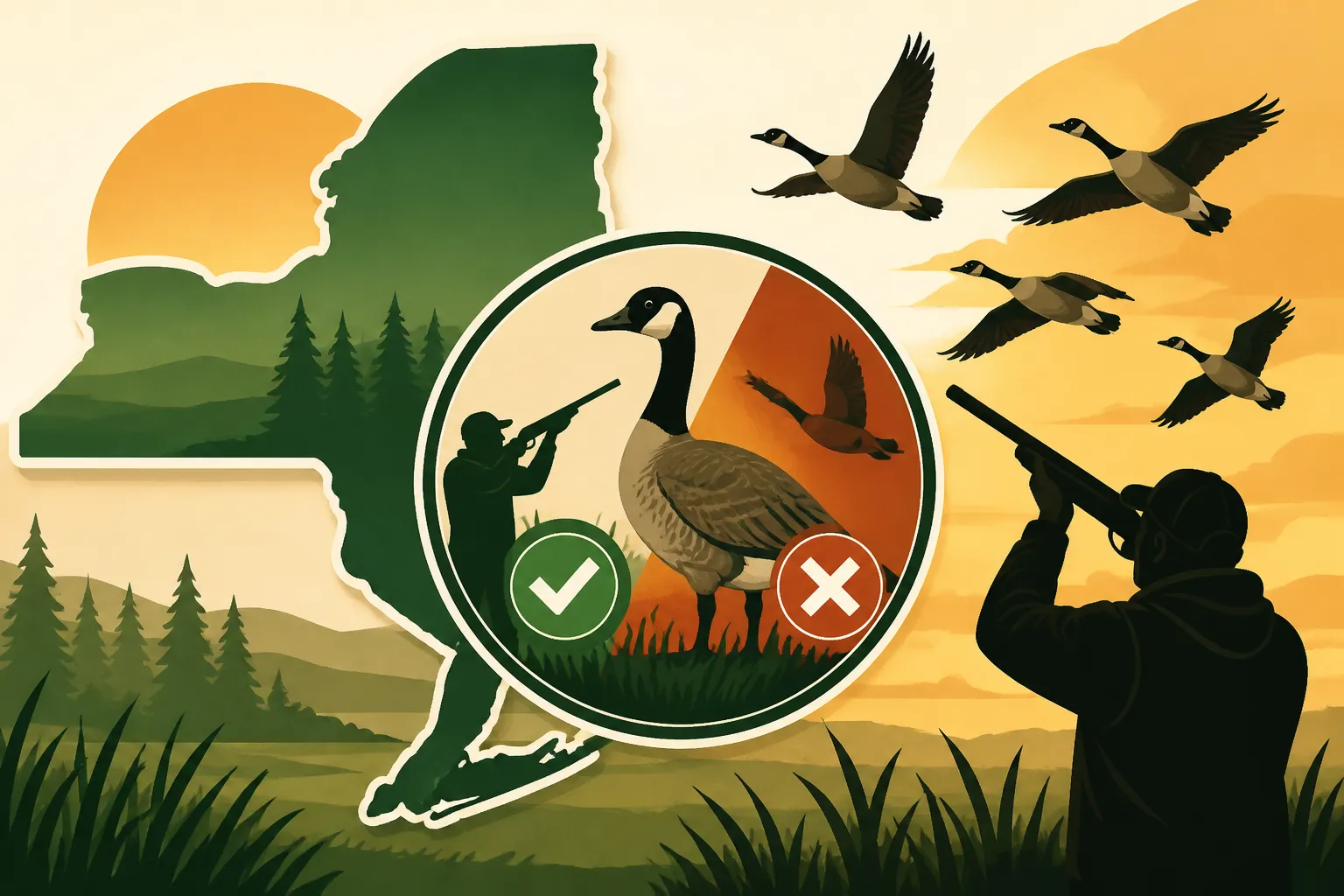
One of the biggest hurdles for hunters is understanding that not all Canada geese are treated equally under the law, especially when it comes to hunting seasons. "Resident" Canada geese are those that breed and spend their entire lives within New York or nearby states, often nesting in suburban parks, agricultural fields, and along waterways without making long migratory flights. These birds have exploded in population over the past few decades, becoming quite a nuisance in many areas. Their growing numbers are precisely why special seasons are put in place, often earlier and with more liberal bag limits, to help manage their populations.
Migratory geese, on the other hand, are the birds that travel thousands of miles along the Atlantic Flyway, breeding in northern Canada and wintering in warmer climates to the south. These are the geese many of us picture when we think of those V-shaped formations heading south in the fall. Their populations are managed differently, often with more conservative seasons, because their numbers can fluctuate based on factors far beyond New York's borders. The New York State Department of Environmental Conservation (DEC) uses various surveys and banding programs, often supported by data from resources like GoHunt, to track these populations and set appropriate hunting frameworks. It's really about balancing opportunity with conservation for both types of birds.
Pinpointing Your Specific Goose Management Zone
New York is carved into several waterfowl hunting zones, and these zones dictate the specific season dates and bag limits for all waterfowl, including Canada geese. When we talk about resident population geese, we're primarily concerned with the "Resident Population Canada Goose Zone" regulations, which often feature an earlier "September" or "Early Canada Goose Season." This season is specifically designed to target the local, non-migratory birds before the main push of migratory geese arrives from the north. However, these zones often overlap with the general Canada goose seasons that cover both resident and migratory birds.
It's absolutely essential to consult the official DEC waterfowl hunting guide every year because zone boundaries and regulations can shift. While some larger geographical areas, like the Lake Champlain Zone or the Long Island Zone, are relatively consistent, the specifics for geese can vary even within those. You might be hunting what feels like a local flock in an agricultural field in the Southern Tier, but you still need to know if that field falls into a zone that has specific early season dates for resident geese or if you're restricted to the later, more general season. Using mapping tools, whether on the DEC website or through apps like GoHunt, can be incredibly helpful for confirming exactly which zone you're standing in before you even step foot out of your truck.
Key Regulations for Resident Population Goose Zones
The regulations for resident population geese are often the most generous in terms of season length and bag limits, reflecting the DEC's goal of population control. However, these liberal rules come with specific dates and conditions that hunters must adhere to. Missing these details can lead to violations, which are never fun.
Understanding Season Dates and Daily Bag Limits
The primary mechanism for managing resident Canada geese is the "Early Canada Goose Season," commonly known as the September season. This season typically opens well before any other waterfowl seasons, often starting in early September and running for a few weeks. The goal is to allow hunters to target local geese before the influx of migratory birds begins, making it easier to identify the resident population. During this period, bag limits are usually more liberal, often allowing for 8 to 15 geese per day, depending on the specific zone. This is significantly higher than the typical 3-bird daily limit during the regular seasons, truly emphasizing the management aspect.
Here's a simplified look at how zones might vary, though actual dates and limits must be checked annually with the DEC:
| Zone Type | Typical Season Window | Daily Bag Limit (Resident Geese) | Key Characteristic |
|---|---|---|---|
| Western Zone | Early Sept – Mid-Sept | 8-15 Geese | Covers areas west of a specific line. |
| Central Zone | Early Sept – Mid-Sept | 8-15 Geese | Generally central NY. |
| Eastern Zone | Early Sept – Mid-Sept | 8-15 Geese | Eastern NY, excluding Long Island/Lake Champlain. |
| Lake Champlain Zone | Early Sept – Mid-Sept (varies with VT) | 8-15 Geese | Shared with Vermont, specific dates apply. |
| Long Island Zone | Early Sept – Mid-Sept | 8-15 Geese | Unique dates for the island. |
Beyond the early season, regular goose seasons, which run much later into the fall and winter, also allow for the harvest of Canada geese, but with stricter bag limits. For instance, the general New York Canada Goose Bag Limit typically caps at 3 birds per day during these later seasons. It’s a common mistake for hunters to assume the generous early season limits apply all year, so always confirm which season you are hunting in. For a broader overview of all waterfowl seasons, you can check out the guide on New York Waterfowl Zones and Seasons.
Deciphering the Fine Print: What Counts as a Resident Goose?
This is where it gets tricky, and it’s why the early September season is so important. During the early season, virtually any Canada goose harvested is presumed to be a resident bird because migratory populations haven't typically arrived in significant numbers yet. This is the simplest time to legally target "resident population" geese.
Once the regular seasons open and migratory birds begin to push south, distinguishing between a resident bird and a migratory one becomes practically impossible in the field. The regulations wisely don't require hunters to make this distinction. Instead, the season dates and bag limits are designed to manage the overall harvest across the different populations. So, during the regular goose season, while you might be shooting a local bird, the stricter bag limits reflect the need to protect the migratory populations that are also present. The key takeaway is that the "resident population" aspect is primarily managed through the specific timing of the early season and its more liberal limits, rather than expecting hunters to identify the origin of each goose in flight.
Effective Strategies for Hunting New York's Resident Geese
Resident geese are creatures of habit. Unlike their migratory cousins who might be here today and gone tomorrow, resident flocks tend to stick to familiar feeding, loafing, and roosting areas. This predictability, while sometimes making them wary, also makes them a prime target if you do your scouting.
Locating Prime Habitats and Food Sources
Resident geese, particularly in New York, are often found wherever there's easy access to water, short-cropped grass, and a relatively safe place to loaf. This means golf courses, municipal parks, corporate campuses, farm fields (especially cut corn or bean fields), large ponds, reservoirs, and river bottoms. They'll often feed in open agricultural fields during the day, then fly to larger bodies of water like lakes, wide rivers, or even large farm ponds to roost at night.
For successful hunting, identifying these consistent patterns is key. Drive rural roads, use satellite imagery on apps, or even resources like GoHunt, to pinpoint potential feeding and roosting locations. Look for areas with fresh goose droppings, clipped grass, or even tracks in soft soil. Pay particular attention to smaller, overlooked ponds or secluded corners of larger fields that might not see as much human activity. These birds can be highly sensitive to pressure, so finding a spot that offers both food and security is paramount. In farming regions, a standing cornfield can be a magnet for geese; learning Hunting a Standing Cornfield in Farm Country can definitely boost your success.
Mastering Decoy Setups and Calling Techniques
When hunting resident geese, you're generally dealing with birds that have seen it all. They've likely been harassed by dogs, seen scare tactics, and probably flown over countless decoy spreads. This means your decoy setup needs to be convincing, and your calling needs to be authentic and judicious.
- Decoys: Full-body decoys are often more effective than shells or silhouettes for wary resident geese, but even a large spread of high-quality silhouettes can work if positioned correctly. Don't be afraid to mix in some "sentinel" or "sentry" feeder decoys that look like they're standing guard, as this can add realism. Spreads should generally be loose and natural, mimicking how geese feed casually. Instead of a tight V, consider a messy "U" or "J" shape, leaving a landing zone directly in front of your blind. Consider investing in quality decoys like those from Avian-X or Dakota Decoy for a more realistic spread.
- Calling: Less is often more with pressured resident geese. Start with soft clucks and moans to get their attention, escalating only if they're not committing. Aggressive calling can sometimes flare them. Practice your calls to sound like a contented flock feeding. If the birds are circling high, a pleading hail call might draw them closer, but once they're within a few hundred yards, switch to softer, conversational calls. You can learn a lot from guides like New York Canada Goose Bag Limit, which discuss general goose hunting tactics.
- Concealment: These birds have excellent eyesight. Layout blinds are fantastic for field hunting, blending you seamlessly into stubble or cut fields. For hunting near water, make sure your blind is brushed in thoroughly with natural vegetation. Any shine from your face or hands, or a silhouette against the sky, can send them packing.
Adapting to Pressure and Maximizing Success
Resident geese, by their very nature, are often found near human activity, meaning they are frequently pressured. This makes adaptability crucial. If you hunt a field and the geese shy away, don't necessarily hunt the same exact spot the next day. They might move to an adjacent field or even switch their feeding times.
- Scout Continually: What worked last week might not work this week. Their feeding patterns can change with crop rotations, hunter pressure, or even weather. Use your GoHunt tools to mark new sightings and adjust your strategy.
- Vary Your Setup: Don't always set your decoys in the same pattern. Change the shape, density, and location within a field.
- Think Small: Sometimes, hunting smaller, overlooked ponds or woodlots where geese might feel more secure can be more productive than hitting large, heavily hunted fields.
- Timing is Everything: Early morning flights from roost to feed are often the most predictable. However, late-morning or even midday flights back to a loafing pond can also be productive, especially on colder days when they might feed more often. The early September season provides an excellent opportunity to target these birds before they're heavily pressured. You might find some useful tips in Early Goose Season Tactics in New York.
Essential Permits and Reporting for Goose Hunters
Even for what seems like a simple resident goose hunt, you've got to make sure all your paperwork is in order. Ignoring these steps can land you in hot water, and nobody wants that.
Federal, State, and HIP Requirements
To legally hunt Canada geese in New York, you need a few key documents:
- New York State Hunting License: This is your foundational permit, allowing you to hunt in the state.
- New York State Migratory Bird Stamp: This additional state stamp is required for hunting all migratory game birds, including geese. It helps fund waterfowl conservation efforts within New York.
- Federal Migratory Bird Hunting and Conservation Stamp (Federal Duck Stamp): This is a federal requirement for anyone 16 years of age or older hunting migratory waterfowl. A portion of the proceeds from this stamp goes directly to purchasing and conserving wetland habitats. You can find more details on the New York Federal Duck Stamp Requirement.
- Harvest Information Program (HIP) Registration: You must register annually with the federal Harvest Information Program. This is a free, simple process where you answer a few questions about your previous year's migratory bird hunting success. This data is critical for monitoring migratory bird populations and setting future seasons. This registration is mandatory even if you didn't hunt migratory birds the previous year. You can learn more about this crucial step by checking out New York HIP Certification for Bird Hunters.
Make sure you carry all necessary licenses and stamps with you while hunting, whether physical copies or via the official New York HuntFishNY app. Environmental Conservation Officers can and do check for these.
The Importance of Accurate Harvest Reporting
New York requires hunters to report all harvested deer and bear, but for migratory game birds like Canada geese, the reporting system is different. Your HIP registration (mentioned above) is the primary way the federal government collects harvest data for migratory birds. The questions you answer when registering for HIP help estimate the number of hunters and their anticipated harvest. Then, a subset of hunters is randomly selected to participate in a more detailed federal harvest survey, where they report their actual take throughout the season.
While New York State does not require individual harvest reporting for geese like it does for big game, your accurate participation in HIP and any subsequent federal surveys is incredibly important. This data directly influences management decisions, including season lengths and bag limits, for future years. Without reliable harvest data, wildlife managers operate blind, and that can lead to either overharvest or underutilization of a resource. So, if you're selected for a federal survey, please take the time to accurately report your harvest; it genuinely helps ensure the future of goose hunting.
Disclaimer
Please remember that hunting regulations, season dates, and bag limits are subject to change. Always consult the official New York State Department of Environmental Conservation (DEC) hunting regulations guide, available on their website or at license vendors, before heading afield. This guide provides general information and should not be used as the sole source for legal hunting regulations.