When New York’s Cottontail Season Opens
It’s a common frustration for New York hunters to try and keep all the various season dates straight, especially when you start looking beyond big game and into the exciting world of small game opportunities. If you're eager to chase some cottontail rabbits, those quick, darting bundles of fur that offer fast-paced action and make for delicious table fare, you'll need to know exactly when you can hit the fields. This guide will walk you through the specifics of New York's cottontail rabbit season, ensuring you're ready when opening day arrives and throughout the long season.
Understanding New York's Cottontail Season Calendar
Navigating New York's hunting calendar can sometimes feel like solving a complex puzzle, with different zones, species, and special dates. Thankfully, the cottontail rabbit season is generally more straightforward than, say, deer season, but it still has key dates and regulations you need to be aware of. The statewide season offers a generous window, typically running for several months, allowing hunters ample time to pursue these popular small game animals.
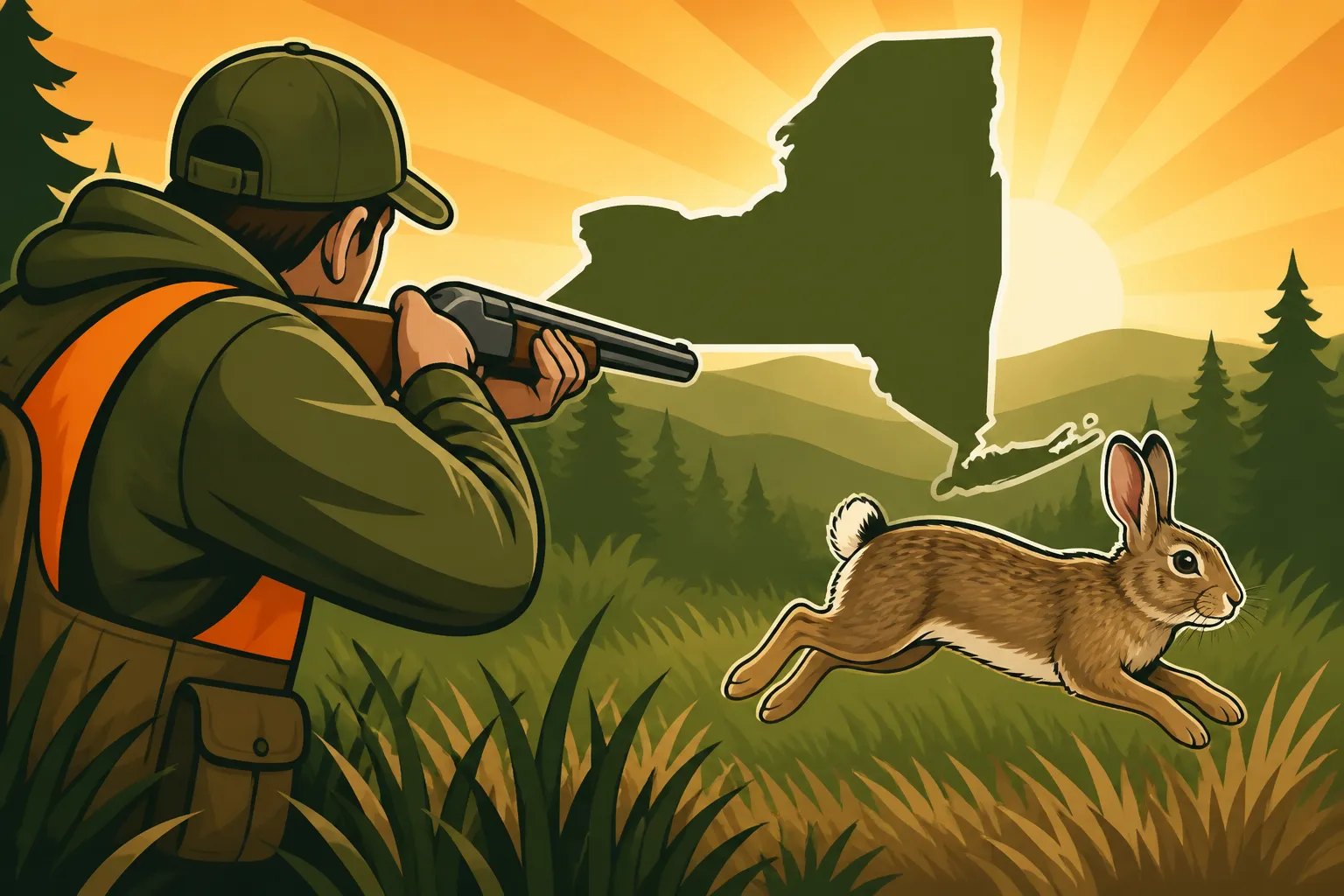
Generally, New York's cottontail rabbit season opens in mid-September and extends all the way through mid-March of the following year. This long season is fantastic because it allows for hunting in various conditions, from early fall's crisp days to the deep snows of winter. It also means you can combine rabbit hunting with other seasons, like late-season deer hunting or predator calling. The season structure is relatively uniform across the state, which is a relief compared to the nuanced zoning we see for deer and bear. For instance, whether you're hunting the brushy hedgerows of the Southern Tier or the thicker cover of the Finger Lakes region, the basic season dates for cottontails will largely be the same. This consistency makes planning much simpler for small game enthusiasts.
Key Dates, Bag Limits, and Important Regulations
While the general season dates are statewide, it's absolutely crucial to double-check the specifics each year with the official New York State Department of Environmental Conservation (DEC) regulations. Seasons can shift slightly, and bag limits or special youth hunting opportunities might be updated. It’s a good practice to review the current year's small game regulations, which you can often find through the New York HuntFishNY App or on the DEC website, before you head afield.
Let's break down the typical framework:
- Opening Day: You can usually start chasing cottontails in mid-September. This early opener is a great chance to get out and stretch your legs before the hustle of big game season truly kicks in. The cover is still thick, and rabbits are often concentrated in prime feeding areas.
- Closing Day: The season typically wraps up in mid-March. This late closing provides fantastic opportunities for winter hunting, especially after a fresh snowfall. Tracking rabbits in the snow can be incredibly productive and exciting.
- Daily Bag Limit: For cottontail rabbits, the standard daily bag limit across New York is usually 6 rabbits per day. This limit allows for a productive outing without over-harvesting the local population.
- Possession Limit: The possession limit often doubles the daily bag limit, allowing you to have up to 12 rabbits in your freezer or cooler at any given time. This is important if you're planning a multi-day trip or just stocking up for some delicious rabbit stew.
Remember that while cottontails are found throughout the state, their presence and density will vary by habitat. Learning to identify prime rabbit cover, like brush piles, tangled fencerows, and thickets along field edges, will be key to your success. Using mapping tools, such as the GoHunt app, can be incredibly helpful for identifying potential hotspots and understanding property boundaries before you even set foot in the woods. These tools can highlight cover types and potential travel corridors, giving you a significant edge in your scouting.
Here’s a quick overview of the typical cottontail season details:
| Regulation Aspect | Typical New York Details |
|---|---|
| Season Opening | Mid-September |
| Season Closing | Mid-March (of the following year) |
| Daily Bag Limit | 6 rabbits per day |
| Possession Limit | 12 rabbits |
| Hunting Hours | Sunrise to Sunset (standard for small game) |
| License Required | Small Game or All Game License (check specific requirements) |
| Blaze Orange/Pink | Recommended, and often required during specific firearm seasons |
Always refer to the current year's New York Small Game and Upland Bird Seasons regulations for the absolute most up-to-date information, as these are subject to change by the DEC.
Preparing for Your Cottontail Rabbit Hunt
Getting ready for a rabbit hunt in New York is more than just knowing the season dates; it's about understanding the animals, their habitat, and having the right gear. Cottontails are incredibly quick and can blend seamlessly into their surroundings, making them a challenging but rewarding quarry.
Essential Gear and Firearms
When it comes to gear for cottontail hunting, simplicity often reigns supreme. You don't need highly specialized equipment, but a few key items will significantly improve your experience and success rate.
- Firearms: A .22 caliber rimfire rifle is a popular choice for precision shots on stationary or slowly moving rabbits, especially if you're still-hunting or stalking. Shotguns, typically 20 gauge or 12 gauge, with smaller shot sizes (like 6 or 7 ½), are excellent for flushing rabbits from thick cover or jump-shooting them as they run. Many hunters prefer a lightweight shotgun for the quick swings required for these fast-moving targets. For close-quarters work in dense brush, a shorter barrel can be an advantage.
- Ammunition: For shotguns, choose lead shot for upland game (where not restricted by specific WMA rules) in sizes appropriate for rabbits. For rimfire rifles, standard .22LR rounds are usually sufficient.
- Clothing: New York weather can be unpredictable, especially during the long rabbit season. Layers are your friend. Early season hunts might call for lighter, breathable clothing, while late-season hunts demand warm, waterproof outer layers. Sturdy, waterproof boots are essential, especially when you're tramping through wet fields, snowy cover, or even swampy edges. Consider wearing brush pants or chaps to protect your legs from thorns and briars, as rabbits love to hide in the densest tangles. It's always wise to wear some amount of blaze orange or blaze pink, especially if you're hunting during firearm deer season, or simply for added visibility and safety on public land.
- Other Essentials: A good hunting vest with plenty of pockets for shells, a water bottle, and any other small essentials is practical. A game bag or small backpack to carry your harvested rabbits is also a must. And don't forget a sharp knife for field dressing! For those who plan to bring a canine companion, understanding how to apply for a New York hunting license and what it covers is important, as is ensuring your dog is well-equipped for the terrain.
Tactics for Success
Hunting cottontails offers a variety of engaging tactics, from solo endeavors to group efforts with dogs.
- Still-Hunting/Stalking: This involves moving slowly and deliberately through good rabbit cover, pausing frequently to scan for movement. Rabbits will often freeze, relying on their camouflage, so a keen eye is necessary. This method is particularly effective with a .22 rifle. Focus on areas with good cover and food sources, such as blackberry brambles, overgrown field edges, and old apple orchards.
- Jump-Shooting: This is a more active approach, where you walk through dense cover, aiming to flush rabbits and take a quick shot with a shotgun as they bolt. This is fantastic exercise and can be very productive. Areas like power lines overgrown with brush, old logging roads, and even small woodlots with thick undergrowth are prime jump-shooting spots.
- Hunting with Dogs: For many, rabbit hunting isn't complete without a pack of beagles. These tenacious hounds are specifically bred to trail rabbits, flushing them from cover and circling them back to the hunters. This can be one of the most exciting and social forms of small game hunting. If you're considering running beagles, you'll find that many enthusiasts spend considerable time training their dogs specifically for Running Beagles on New York Cottontails. This type of hunting often involves more specialized gear for the dogs themselves, including GPS collars and protective vests.
- Snow Tracking: Later in the season, fresh snow offers an incredible advantage. Rabbit tracks are easy to spot, and you can often follow them directly to a rabbit holed up in a brush pile or thicket. This method can be incredibly rewarding, almost like detective work. When hunting in these conditions, ensure you have appropriate cold-weather sitting strategy in New York, as you may be waiting patiently for a rabbit to break cover.
Where to Find New York Cottontails
Cottontail rabbits are widespread throughout New York, meaning you have ample opportunities to find them, whether you're on public land or have secured permission on private property. They thrive in "edge" habitat – places where different cover types meet, offering both food and security.
Prime Habitats to Target
- Old Fields and Farmland Edges: These are classic cottontail hotspots. Look for overgrown fencerows, brush piles, briar patches, and tall grasses adjacent to active agricultural fields. The interface between timber and open ground is often a magnet for rabbits. Finding a property that still has a good mix of fields and dense cover is key. You can often find success Setting Up on a Southern Tier Field Edge or Hunting Western New York Farmland Deer for cottontails.
- Thickets and Brush Piles: Rabbits are masters of concealment. Any dense thicket, downed tree, or natural brush pile can hold rabbits, especially during colder weather. They use these areas for refuge from predators and severe weather.
- Young Forest and Aspen Stands: While often associated with grouse, young, regenerating forests, particularly those with a lot of undergrowth like saplings, sumac, and briars, can also hold good numbers of rabbits. The thick cover provides excellent protection.
- Swamp and Wetland Edges: Don't overlook the margins of swamps, marshes, and even small creek bottoms. The dense vegetation and often moist soil create ideal conditions for various plants that rabbits feed on, and the cover is usually exceptional. Just be prepared with the right footwear, like Boots for New York Swamps and Snow, as these areas can be quite wet.
- Suburban and Semi-Rural Areas: Believe it or not, some of the highest rabbit densities can be found near human habitation, especially on small private tracts that aren't heavily hunted. Always secure permission before hunting private land, and be mindful of local ordinances regarding firearm discharge setbacks.
Utilizing Public and Private Lands
New York offers a wealth of opportunities for small game hunting.
- Wildlife Management Areas (WMAs): Many of New York's WMAs are managed for a variety of wildlife, including small game. These areas often feature diverse habitats, including old fields, brushy areas, and young forests, making them excellent choices for cottontail hunting. Always check specific WMA regulations for any unique rules or closures.
- State Forests: New York State Forests, particularly those with active timber management creating young growth, can also provide good rabbit hunting. Be prepared to do some walking, as these areas can be extensive.
- Private Land: Gaining permission to hunt private land, especially farms, can open up some of the best rabbit hunting opportunities. Farmers often appreciate hunters who can help manage rabbit populations that might otherwise damage crops or gardens. Always ask for permission in advance, be respectful of the landowner's property, and consider offering to share some of your harvest. Websites like
GoHuntcan sometimes help identify land ownership for permission requests, and using apps to identify property lines is crucial.
Finding good rabbit hunting spots often comes down to scouting. Even a quick drive or walk along potential areas can reveal ideal cover. Look for droppings, small tracks, or even visual sightings of rabbits, especially during early morning or late evening. The more time you spend scouting, the better your chances of success once the season opens.
Other Small Game Opportunities and Safety
While cottontail rabbits are a fantastic target, New York offers a variety of other small game opportunities that often coincide with rabbit season. Understanding the broader small game landscape can make your hunting trips even more rewarding. For example, many of the same areas that hold cottontails might also hold squirrels, which you can pursue during New York's Squirrel Season and tactics.
Hunter Education and Safety
No matter how experienced you are, safety should always be your top priority.
- Hunter Education: If you're new to hunting in New York, you'll need to complete the mandatory New York Hunter Education Requirements. This course covers firearm safety, hunting ethics, wildlife identification, and state regulations, preparing you for a safe and responsible hunting career.
- Blaze Orange/Pink: As mentioned, wearing blaze orange or blaze pink is highly recommended, and sometimes legally required, especially during the firearm deer seasons when other hunters are in the woods. It drastically increases your visibility to other hunters, reducing the risk of accidents.
- Know Your Target and Beyond: Always be 100% certain of your target and what lies beyond it. Cottontails are small and can be difficult to see clearly in dense cover. Never shoot at sound or movement.
- Permission: Always obtain explicit permission before hunting on private property, even if it looks unposted. New York trespass laws are clear, and respecting landowners is paramount. For public lands, know the specific rules for that area, as some WMAs or parks might have unique regulations.
Hunting cottontail rabbits is a quintessential New York hunting experience. It's accessible, active, and provides excellent meat. By knowing the season dates, preparing your gear, understanding their habitat, and prioritizing safety, you'll be well on your way to enjoying many successful days afield.
Disclaimer
Please note that hunting regulations, season dates, and bag limits can change. It is the responsibility of every hunter to consult the most current New York State Department of Environmental Conservation (DEC) hunting regulations guide before heading afield. This article provides general information and should not be considered a substitute for official DEC publications.