Tug Hill State Forest Snow and Access
Oh, the Tug Hill Plateau. It's a truly wild, beautiful, and often unforgiving corner of New York, especially when winter really sets in. Many of us dream of chasing deer or even just exploring the vast state forest land up there, but the legendary lake-effect snow often turns that dream into a logistical nightmare, leaving hunters wondering how on earth they're supposed to get in, let alone hunt effectively. This guide is all about demystifying access to Tug Hill State Forest during the snowy months, helping you understand what to expect and how to prepare for its unique challenges, so your next winter adventure isn't derailed before it even begins.
Understanding the Tug Hill Plateau's Unique Snowfall
If you've spent any time looking at weather maps or talking to folks who live in the area, you've heard the stories about Tug Hill snow. It's not just a little bit of snow; it's often an absolutely astounding amount that transforms the landscape into something out of a winter wonderland movie – but with real-world consequences for anyone trying to traverse it. Understanding why it snows so much here is the first step to truly preparing for it.
Lake-Effect Snow Phenomenon and Its Impact
The secret to Tug Hill's monumental snowfall lies with its proximity to Lake Ontario. As cold, dry air masses move across the relatively warmer, open waters of the Great Lakes, they pick up moisture and heat. When this now-moisture-laden air hits the elevated terrain of the Tug Hill Plateau, it's forced upwards, cools rapidly, and dumps its contents in a spectacular display of what's known as lake-effect snow. This isn't just a light dusting; we're talking about feet, sometimes many feet, of snow in a short period. I've seen it myself, driving just a few miles from dry pavement to a landscape buried under what felt like another climate entirely.
This constant, heavy snowfall profoundly impacts the entire ecosystem and, by extension, your hunting plans. Roads become impassable, deer movements change drastically, and even simple tasks like walking become a monumental effort. It's not uncommon for areas of the Tug Hill to receive well over 200 inches of snow in a single winter, with some spots hitting 300 inches or more. This kind of snowpack doesn't just melt away overnight; it builds, compresses, and remains a dominant feature of the landscape well into spring, influencing everything from access routes to the availability of food for wildlife.
Average Snow Depths and Variability
While the general rule for Tug Hill is "expect a lot of snow," the actual depths can vary significantly even within a few miles, depending on elevation, prevailing wind patterns, and the exact orientation of the lake-effect bands. Typically, the higher elevations and western slopes of the plateau, which bear the brunt of the lake effect, will see the deepest accumulations. These are the areas where you might find yourself post-holing through several feet of unconsolidated powder, making travel on foot incredibly slow and strenuous.
Even when the valley floors might only have a foot or two of snow, venturing into the core of the state forest can mean contending with three, four, or even five feet of snow on the ground. This variability is why relying solely on a general regional forecast can be a mistake. What's happening in Watertown or Lowville might not accurately reflect the conditions just a few miles inland and uphill on the plateau itself. It requires a different level of vigilance and preparation than hunting in, say, the Southern Tier, where snow is a factor but rarely the defining factor of your hunt. You need to be ready for the deepest stuff, or you're simply not going to get where you want to go.
Accessing Tug Hill State Forest in Winter
The sheer volume of snow on the Tug Hill Plateau directly translates to significant access challenges. What might be a perfectly navigable gravel road in September can become an impenetrable wall of white in January. Knowing which routes stay open, what kind of vehicle you'll need, and how to navigate once you're off the main thoroughfares is absolutely crucial. Many a hunter has found themselves stuck, or simply unable to reach their intended spot, due to underestimating these conditions.
Main Access Points and Seasonal Closures
Tug Hill State Forest is expansive, offering vast tracts of public hunting ground. However, during the winter, many of the interior forest roads and lesser-maintained access points become snowmobile trails or are simply left unplowed. The primary access routes tend to be the state and county roads that skirt the plateau's edges or cut through its lower elevations, such as Route 177, County Route 46, and other similar arteries. These main roads are usually plowed regularly, providing the best chance to get near the state forest.
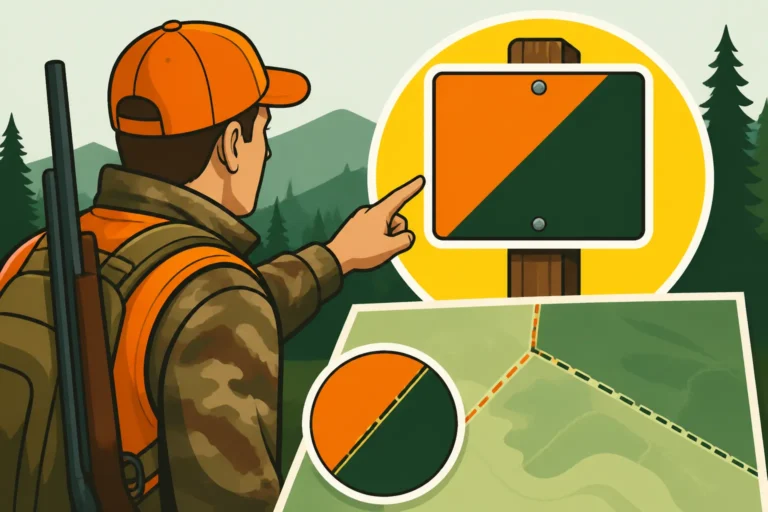
Once you leave these main roads, access gets trickier. Many forest roads are gated and closed to vehicle traffic, or simply left to accumulate snow. It's important to consult the official DEC maps or use a mapping app like onX Hunt, which often provides layers showing seasonal road closures and designated snowmobile trails. You might find parking areas at the end of plowed sections, but from there, you’re often on foot, snowshoe, or ski. Don't assume that because a road is marked on a map, it's accessible by vehicle in winter. Always check ahead, and be prepared for a long walk or alternative transportation. Knowing Snow and Forest Road Access Up North is paramount here.
Vehicle Requirements and Preparedness
Let's be blunt: a two-wheel-drive sedan isn't going to cut it for winter access on the Tug Hill. Even on plowed county roads, drifting snow, icy patches, and slush can make driving hazardous. A high-clearance, four-wheel-drive or all-wheel-drive vehicle is practically a necessity. Even with 4WD, you'll want good, aggressive snow tires – not just all-seasons. Chains can also be a lifesaver for truly deep snow or ice.
Beyond the vehicle itself, preparedness is key. Always carry a shovel, tow strap, jumper cables, and an emergency kit with extra warm clothing, food, and water. A full tank of gas is a must. Cell service can be spotty to non-existent in many parts of the state forest, so don't count on calling for help. It’s not just about getting to your hunting spot; it's about getting back out safely. Imagine getting a flat tire miles from pavement in a blizzard – that's the kind of scenario you need to be ready for.
Navigating Interior Roads and Trails
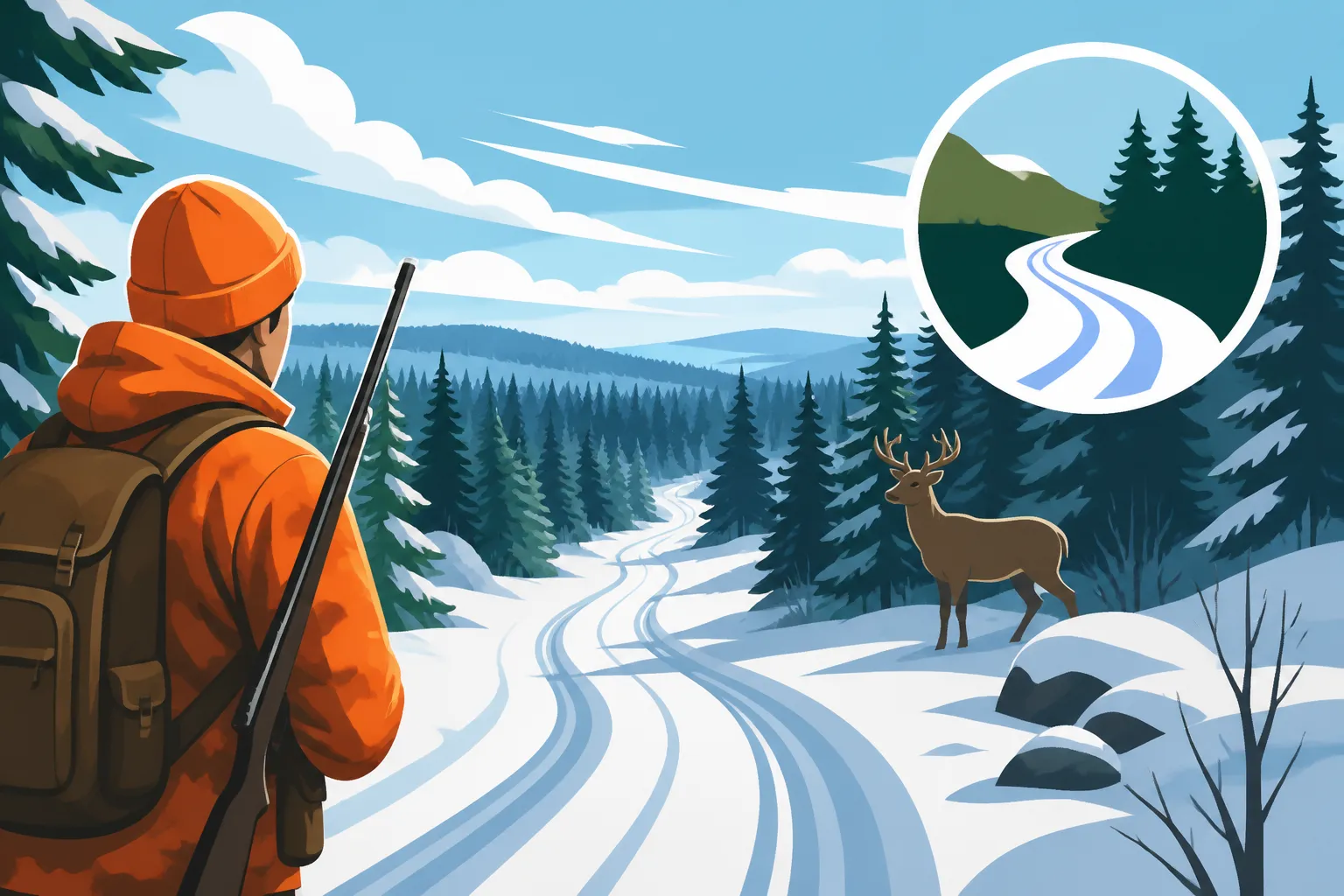
Once you've parked your vehicle, your journey into the heart of Tug Hill State Forest often begins on foot, skis, or snowshoes. Snowmobile trails crisscross the forest, and while convenient for travel, remember that these are shared-use trails. Be aware of snowmobile traffic and always give them the right-of-way. These trails can lead you deep into the forest, but they aren't always direct to prime hunting spots.
When venturing off these packed trails, you'll encounter the full challenge of the deep snow. This is where a good GPS unit or a reliable mapping app like GoHunt becomes indispensable. Don't rely solely on flagging tape or memory in a snow-covered, often featureless landscape. It's easy to become disoriented, especially if a fresh snowfall covers your tracks. Understanding how to Using HuntFishNY Without Cell Service or even just having a backup compass and map, is crucial for staying found and knowing your precise location in relation to property lines and access points. Remember, deep snow drastically slows your travel, so account for much longer walk-in times than you would during other seasons.
Hunting Tactics and Considerations in Deep Snow
Deep snow doesn't just change how you access the forest; it fundamentally alters the behavior of deer and requires a completely different approach to hunting. If you try to hunt Tug Hill in December or January with the same tactics you use in October, you're likely to come up empty-handed and exhausted. Understanding these shifts is key to success.
Deer Movement and Bedding in Deep Snow
Deer are survivors, and they adapt to heavy snow by conserving energy. They'll often "yard up" in conifer stands or other sheltered areas that offer thermal cover and some protection from the elements. These areas might be dense spruce or fir thickets, hemlock ravines, or even just areas of mature, close-growing pines that create a canopy. The snow here might be less deep, or the cover provides warmth and security. Once they establish these wintering grounds, their movements become much more localized. They'll create a network of "deer trails" or tunnels through the snow, connecting bedding areas to crucial food sources.
Spotting these deer yards and their associated trail systems is critical. You're no longer looking for broad patterns across vast areas, but rather concentrated activity within specific pockets of cover. Food sources become limited, so deer will focus on browse that's still accessible above the snow line, such as certain twigs and buds. Identifying these critical areas is a prime objective. Consider how Hunting Tug Hill Plateau Deer shifts dramatically when the snow piles up.
Tracking and Still-Hunting Strategies
Deep, fresh snow offers a unique advantage: excellent tracking conditions. When deer are moving through feet of snow, their tracks are unmistakable, and they'll expend considerable energy. This makes Tracking a Deer in Fresh New York Snow a highly effective, albeit physically demanding, tactic. You can follow tracks, read their gait to determine if they're moving casually or spooked, and ultimately, find their bedding areas.
Still-hunting in deep snow also takes on a different character. The snow muffles sound, allowing you to move much more quietly than you could on dry leaves or frozen ground. However, every step is an effort, so your pace will be excruciatingly slow. Focus on moving into the wind, taking one step at a time, pausing to scan and listen, and using the contours of the land and available cover to your advantage. Look for those sheltered conifer stands, south-facing slopes where snow might be shallower, and areas with residual browse. It's a game of patience and perseverance.
Essential Cold-Weather Gear and Safety
Hunting Tug Hill in winter is not for the faint of heart, and proper gear is non-negotiable for both comfort and safety. Layers are your best friend, with moisture-wicking base layers, insulating mid-layers (wool or synthetic are excellent for Wool Versus Synthetics in Wet Snow), and a waterproof/windproof outer shell. Your boots need to be insulated, waterproof, and provide good ankle support for breaking trail – think heavy-duty pac boots or expedition-grade hiking boots. Don't skimp on quality for Insulated Boots for All-Day Sits.
Beyond clothing, think about physical exertion. Breaking trail through deep snow is exhausting. Consider using snowshoes or skis to conserve energy. A sturdy backpack with enough food, water (stay hydrated even in the cold!), and emergency supplies is vital. Hand warmers, a reliable headlamp with extra batteries, and a small survival kit can literally save your life if you get turned around or spend an unexpected night out. And speaking of getting around, a deer sled or a solid game drag can be a huge help for getting your quarry out, as Sleds and Drags for Snow Country are a common sight in this terrain. The cold can quickly turn minor issues into major problems, so preparation is paramount.
Planning Your Tug Hill Winter Hunt
Successful winter hunting on the Tug Hill Plateau boils down to meticulous planning and utilizing the right resources to stay informed about current conditions. You can't just wake up one morning and decide to go; you need a strategy.
Utilizing Mapping Tools for Access Information
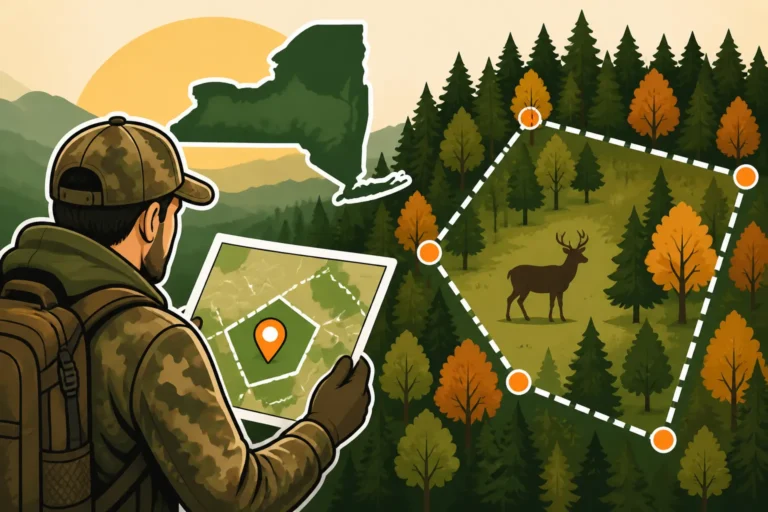
In an area as vast and often remote as Tug Hill State Forest, mapping tools are your digital compass and guide. Services like onX Hunt are incredibly valuable. They provide detailed topographic maps, aerial imagery, and overlays for public land boundaries, private property lines (crucial for avoiding trespass, especially around smaller private parcels), and often, seasonal road closures or designated snowmobile trails. You can mark potential parking spots, identify likely deer yarding areas in conifer stands, and scout your entry and exit routes from the comfort of your home. It's truly a game changer for understanding the lay of the land before you ever set foot in the snow.
While onX Hunt is excellent, remember to download offline maps, as cell service will likely disappear as you move deeper into the forest. Having your maps, waypoints, and planned routes accessible without a signal is non-negotiable. Another excellent resource is the Scouting With the New York HuntFishNY App, which also offers mapping capabilities and can provide official information about specific public land regulations.
Checking Local Conditions and Forecasts
I've already stressed that general regional forecasts aren't enough for Tug Hill. You need hyper-local weather information. Look for forecasts specifically for towns on the plateau, such as Constableville, Highmarket, or Turin, rather than just Watertown or Lowville. Pay close attention to snow accumulation forecasts, wind chill, and any winter storm warnings. Conditions can change rapidly, and a sunny morning can quickly turn into a whiteout blizzard.
Beyond weather forecasts, try to find local sources for ground conditions. Sometimes local snowmobile clubs or outdoor forums will have current reports on trail conditions and snow depths. Even calling a local general store or bait shop in one of the small towns bordering the forest can provide invaluable, real-time insights into road conditions and snowpack. A quick call to a knowledgeable local can often save you a wasted trip or prevent a dangerous situation. Being informed is your first line of defense against the unpredictable nature of a Tug Hill winter.
| Condition Type | Typical Snow Depth | Access Recommendation | Gear & Strategy |
|---|---|---|---|
| Light Snow | 1-12 inches | Most main roads plowed. Some forest roads navigable with 4WD. | 4WD vehicle, good snow tires. Normal hunting boots, layers. Easier tracking conditions. |
| Moderate Snow | 1-3 feet | Main roads plowed. Forest roads often unplowed; consider snowmobiles to access points. Park and walk/snowshoe. | High-clearance 4WD, snow tires, chains. Snowshoes or skis recommended. Heavy layers, insulated boots. Longer walk-in times. |
| Heavy Snow / Blizzard | 3+ feet | Main roads may be difficult to navigate. Forest roads impassable. Avoid unnecessary travel. | Best to wait out the storm. If essential, extreme caution. Avalanche awareness (though rare in NY). Full emergency kit. |
| Packed Snow / Ice | Variable | Main roads plowed but can be very slick. Forest roads may be icy underneath packed snow. | 4WD/AWD crucial. Excellent snow tires. Chains highly recommended. Traction devices for boots (e.g., microspikes). |
Disclaimer
This article is for general informational purposes only and does not constitute professional advice. Laws, prices and regulations vary by location and change over time. Consult a qualified professional for guidance on your specific situation.