Hudson Valley Deer Management Focus Areas
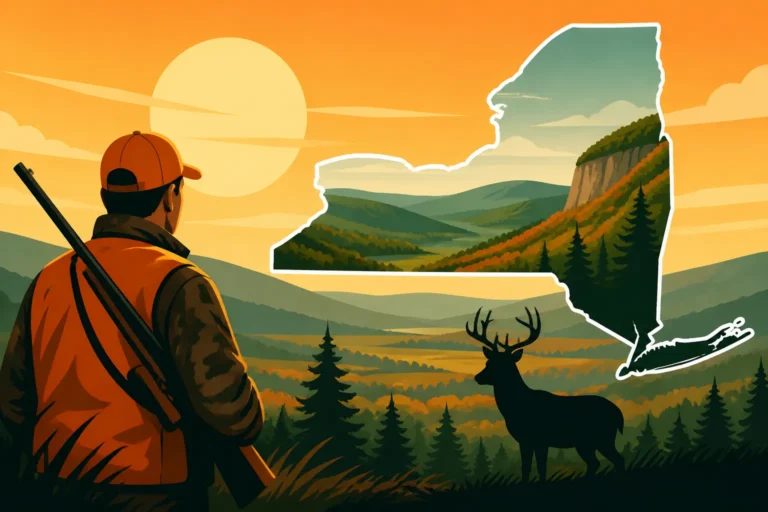
The frustration of seeing deer practically in your backyard, causing damage to gardens and creating hazardous situations on roads, is all too real for many folks living in the Hudson Valley. It's a clear sign that deer populations in certain areas need careful management. That's precisely why New York established Deer Management Focus Areas (DMFAs) – to provide targeted solutions for these specific regions where traditional hunting methods alone just aren't cutting it. This guide will help you understand what DMFAs are, how to find them, and what it takes to effectively hunt these unique zones.
What are Hudson Valley Deer Management Focus Areas?
When we talk about Deer Management Focus Areas, especially in a region as diverse as the Hudson Valley, we're really honing in on specific locations where deer numbers have reached a point of conflict with human communities. These aren't just your typical state forests or vast wilderness tracts; often, they're smaller, fragmented parcels of land, sometimes even intermingled with residential areas, where a different approach to deer management is desperately needed.
The Problem: Overabundant Deer in Suburban Settings
Imagine living in a beautiful Hudson Valley town, maybe in Dutchess or Orange County, with rolling hills and patches of woods. It's idyllic, right? But then your prize-winning hostas disappear overnight, your car has a close call with a deer on your morning commute, and you're constantly worried about Lyme disease from ticks. These aren't isolated incidents; they're symptoms of an ecosystem out of balance. Deer thrive in these "edge" habitats – the transition zones between woods and fields, or in this case, between natural cover and residential developments. They find abundant food in gardens and landscaping, and often feel safer from traditional hunting pressure near homes.
This isn't just an inconvenience; it's an ecological and public safety concern. High deer densities can decimate native plant communities, alter forest regeneration, and increase the spread of diseases like Chronic Wasting Disease (though New York has thankfully remained free of wild CWD, the threat is always present and drives cautious management) or the aforementioned Lyme disease. The Department of Environmental Conservation (DEC) recognizes these hotspots, and that's where the idea of a DMFA comes into play – a way to address these localized population explosions.
The Solution: Targeted Management
DMFAs are essentially specific geographic areas identified by the DEC where intense deer management is necessary to reduce impacts on human health and safety, property, and natural resources. Unlike a broad, regional season change, a DMFA is a localized initiative that often involves special regulations to encourage greater antlerless deer harvest. Think of it as a scalpel rather than a sledgehammer. The DEC works with local communities, landowners, and hunters to implement strategies that are tailored to the unique challenges of each focus area. This might mean extended seasons, special permit opportunities, or specific allowances not found in the general statewide regulations. The goal is to bring deer populations down to a level that is more sustainable for both the environment and the human residents. It's a proactive approach to prevent further ecological damage and reduce human-deer conflicts.
Identifying and Accessing DMFA Lands
Hunting in a DMFA isn't quite like heading into the deep woods of the Adirondacks. It requires a different kind of preparation, particularly when it comes to understanding boundaries and securing access. You're often dealing with a mosaic of public and private lands, and knowing exactly where you can and cannot hunt is absolutely critical.
Using Digital Mapping Tools for DMFA Boundaries
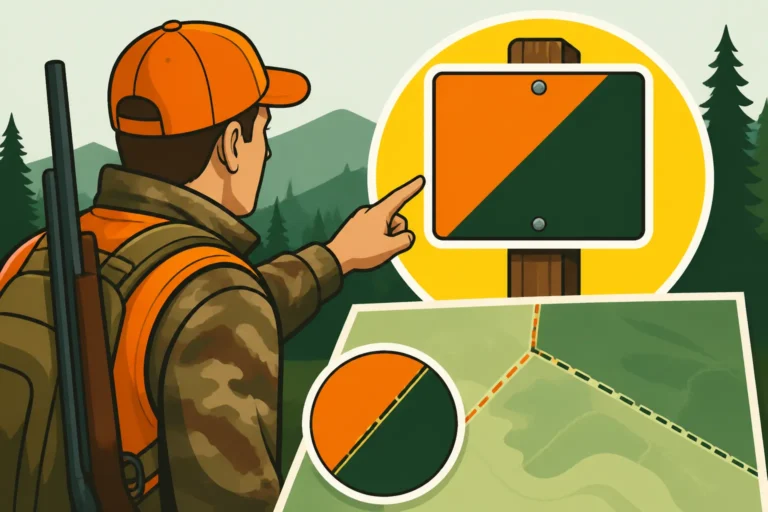
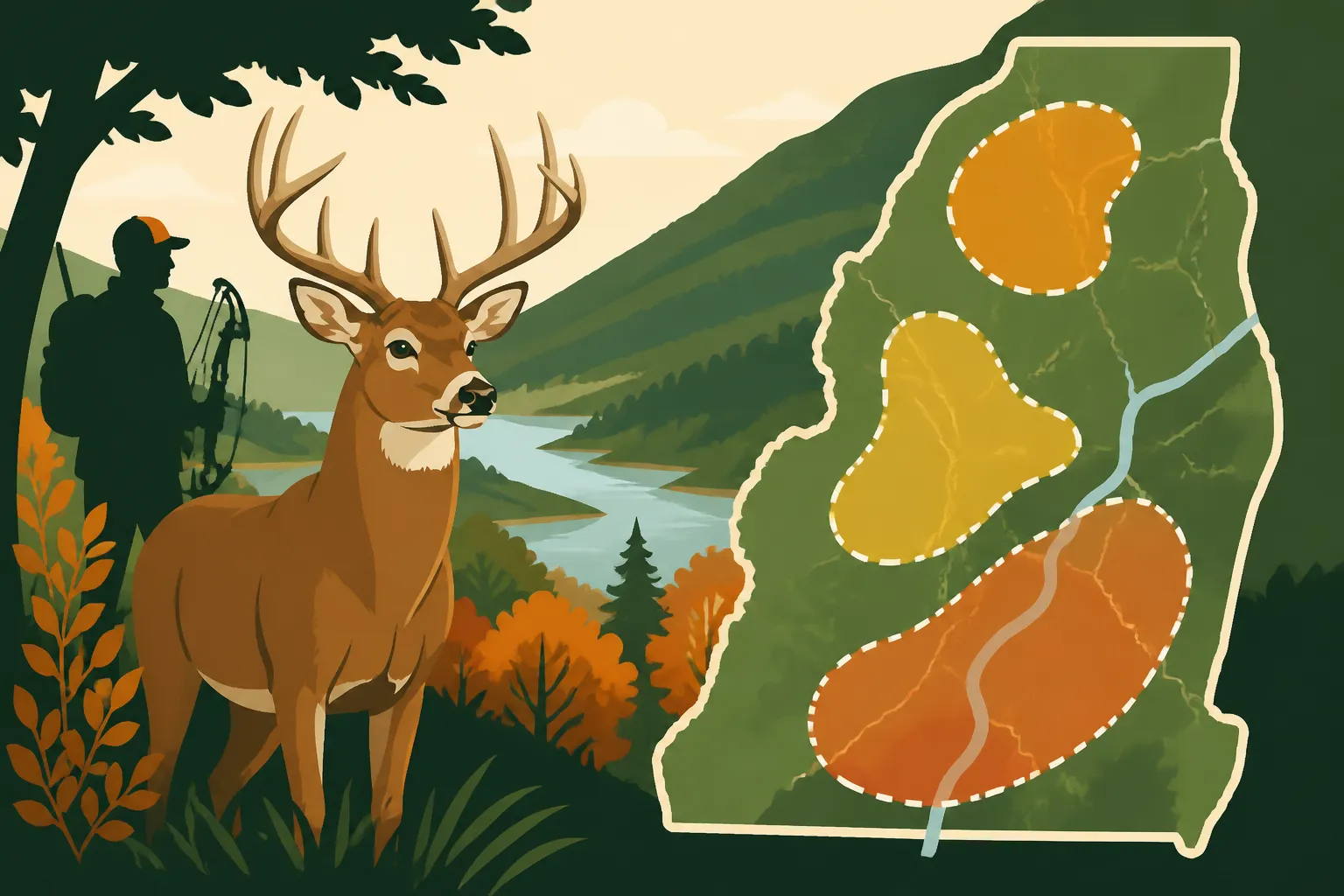
Modern technology is your best friend when it comes to hunting in a DMFA. Gone are the days of relying solely on paper maps and vague directions. Tools like onX Hunt have become indispensable for hunters navigating complex land ownership patterns. These apps allow you to see property lines, landowner names, and aerial imagery right on your phone or GPS device. When a DMFA is established, the DEC usually provides detailed maps and descriptions of the boundaries. You can often overlay these official boundaries onto your digital mapping application to get a crystal-clear picture of the huntable area.
Before you even step foot in the woods, spend significant time studying these maps. Look for unposted public lands, state forests, or Wildlife Management Areas (WMAs) that fall within the DMFA. But just as importantly, identify private parcels that might offer good hunting opportunities if you can secure permission. A good mapping tool will show you access points, potential pinch points where deer might travel, and even provide topographical information to help you plan your approach. This meticulous scouting, even from your armchair, is the first key to success in these often-fragmented zones. For more general help with navigation, check out Using the New York HuntFishNY Map Tool.
Navigating Public and Private Access
Securing access in DMFAs is often a mix of utilizing the public lands that exist and diligently seeking private land permission. Public access in some Hudson Valley DMFAs might include smaller state forest tracts or WMAs, but these can be heavily pressured. Therefore, gaining permission on private land often opens up the best opportunities, particularly since many landowners within DMFAs are eager for assistance with deer control.
When approaching private landowners, remember to be polite, respectful, and prepared. Have a clear explanation of what you intend to do, how you prioritize safety, and how you can help them manage their deer problem. Offer to share venison, or simply explain that you're there to help reduce deer numbers for their property's health and safety. Always get permission in writing – a simple agreement outlining the dates, areas, and rules of engagement. This protects both you and the landowner. Don't be discouraged by initial rejections; persist respectfully, and remember that safety and ethics are your strongest selling points. Getting Private Land Permission in New York covers more on this crucial topic. Many successful DMFA hunters become valuable partners to local property owners.
Hunting Strategies for Hudson Valley DMFAs
Hunting in a DMFA demands a flexible and often more discreet approach than hunting in vast wilderness. The proximity to human activity, smaller parcels, and often fragmented cover require a shift in tactics.
Adapting Your Approach to Suburban Deer
Deer in DMFAs, while abundant, can be incredibly wary. They've learned to navigate human presence, traffic, and often limited natural cover. This means your typical tactics might need an adjustment. Forget about long-range shots across vast fields; you'll likely be dealing with close-quarter encounters in thick brush, small woodlots, or along fencerows. Scent control becomes even more paramount as deer may be bedding very close to human structures. Think about quiet entry and exit routes that minimize disturbance to both deer and residents.
Consider using natural blinds or carefully brushed-in ground blinds rather than towering treestands, especially if you're on smaller parcels or near property lines. Using a Ground Blind on New York Public Land offers some great tips. Pay close attention to wind direction, as deer will use even the slightest air currents to detect danger. Patience and stealth are your greatest allies. These deer are often accustomed to human activity, but they are incredibly sensitive to anything that feels out of place or threatening. Your goal is to blend in and be an invisible part of their environment until the moment of truth.
Leveraging Specific Habitat Features
Even in a suburban or semi-rural setting, deer still rely on core habitat elements: food, water, and cover. In DMFAs, these elements might look a little different. Food sources could be suburban gardens, small agricultural plots, or even ornamental plantings. Water sources are often abundant, from small streams to ponds. The key is cover. Look for dense thickets, overgrown fencerows, small swampy areas, or forgotten corners of woodlots that offer security. Deer will often bed down in these smaller, denser pockets during the day, emerging at dusk to feed.
Focus your scouting on identifying these high-security cover areas and the subtle travel corridors connecting them to food and water. These might be worn trails under thorny bushes, gaps in fences, or subtle dips in terrain. Deer will use any available cover to move undetected, even if it's just a narrow strip of woods between two houses. Understanding how deer utilize these micro-habitats, and then positioning yourself to intercept them, is crucial. You might find that a small, overlooked patch of woods near a busy road holds deer simply because it offers security cover that others ignore.
Regulations and Special Considerations within DMFAs
Hunting in a DMFA isn't just about applying new tactics; it's also about understanding the specific regulatory framework that governs these special areas. The DEC implements these rules to achieve their management goals, and they often differ from general statewide regulations.
Understanding Special Tag Opportunities
One of the primary tools for increasing deer harvest in DMFAs is the provision of special tag opportunities. This often means more liberal antlerless deer allowances. While general Deer Management Permits (DMPs) are available statewide, DMFAs might have specific, additional permits or extended seasons to encourage hunters to take more does. This is vital for population control, as harvesting does has a much greater impact on future deer numbers than harvesting bucks. Make sure to check the current New York State Hunting and Trapping Regulations Guide for the specific DMFA you plan to hunt, as these rules can vary and are subject to change.
For instance, some DMFAs might allow for multiple antlerless deer to be taken, or provide longer hunting periods specifically for antlerless deer. Always verify which Wildlife Management Units (WMUs) are part of a DMFA and what special provisions apply. The DEC's online resources, or even local town offices in the Hudson Valley, can be great sources of current information. This expanded opportunity to fill New York Deer Management Permits Explained is a key incentive for hunters to participate in DMFA efforts.
Here's a simplified comparison of typical hunting scenarios, though specific DMFA rules can vary significantly:
| Feature | General New York Southern Zone (Example) | Hudson Valley DMFA (Common Differences) |
|---|---|---|
| Primary Season Focus | One buck, specific antlerless if drawn | Strong emphasis on antlerless harvest |
| DMP Availability | Limited by WMU lottery | Often more liberal/additional DMPs |
| Season Length | Standard archery, firearm, muzzleloader | Extended antlerless seasons possible |
| Legal Weapons | Varies by zone, generally rifles/shotguns | Often more restricted to shotgun/archery due to population density |
| Hunting Pressure | Varies, can be high on public land | Potentially lower hunter pressure, higher deer pressure |
| Land Access | Mix of public and private | Heavy reliance on private land permission |
| Success Rate Potential | Moderate to High | High, due to concentrated deer numbers and liberal rules |
(Always consult the current DEC regulations for the most accurate and up-to-date information for your specific WMU and DMFA.)
Safety and Ethical Hunting in Populated Areas
Hunting in DMFAs, particularly those bordering or interspersed with residential properties, brings a heightened responsibility for safety and ethical conduct. Your actions directly reflect on the hunting community as a whole. Always know your target and what is beyond it. This isn't just a guideline; it's a moral imperative. Bullet trajectories and arrow flight paths need careful consideration, and you should always assume there's a home, road, or person beyond your immediate target.
Many DMFAs may have restrictions on firearm types, favoring archery or shotgun slug hunting over high-powered rifles to reduce projectile travel. Be aware of setback distances from homes and roads. Ensure you're wearing adequate How Much Blaze Orange New York Requires or blaze pink for visibility, even if not strictly required for your specific season or weapon choice. Beyond legalities, maintaining a positive relationship with landowners and local residents is paramount. Be discreet, be respectful, and be an ambassador for hunting. GoHunt and other reputable hunting resources constantly stress the importance of ethical behavior, and in a DMFA, it truly makes all the difference for the future of hunting opportunities.
Disclaimer
This article is for general informational purposes only and does not constitute professional advice. Laws, prices and regulations vary by location and change over time. Consult a qualified professional for guidance on your specific situation.