How Much Blaze Orange New York Requires
It’s a common question that pops up every hunting season: exactly how much blaze orange do I need to wear in New York State? The regulations can feel a little murky, and no one wants to find themselves on the wrong side of the law, let alone compromise their safety or the safety of others in the field. This guide will meticulously break down New York’s blaze orange and blaze pink requirements, offering clarity so you can head into the woods confidently and legally.
Unpacking New York’s Blaze Orange and Blaze Pink Laws
New York State takes hunter safety seriously, and high-visibility clothing plays a crucial role, especially during big game seasons. While the general idea of "wear orange" is widely known, the specifics are what truly matter. Let's delve into the nitty-gritty.
The Basic Requirement for Big Game Hunters
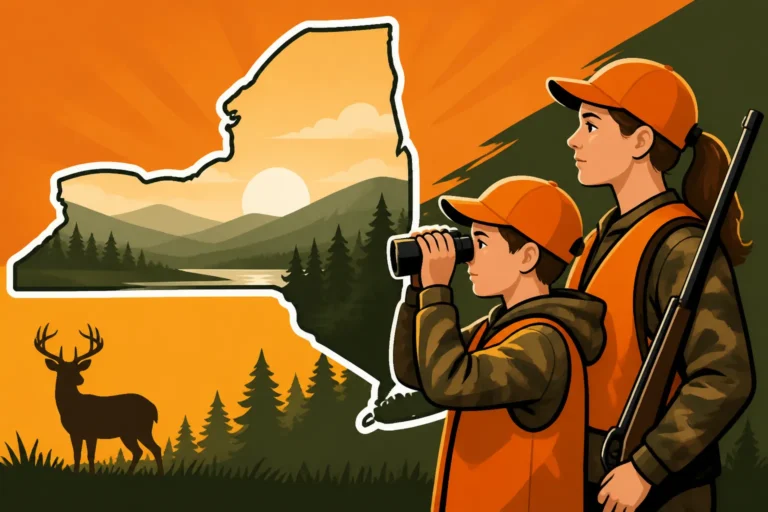
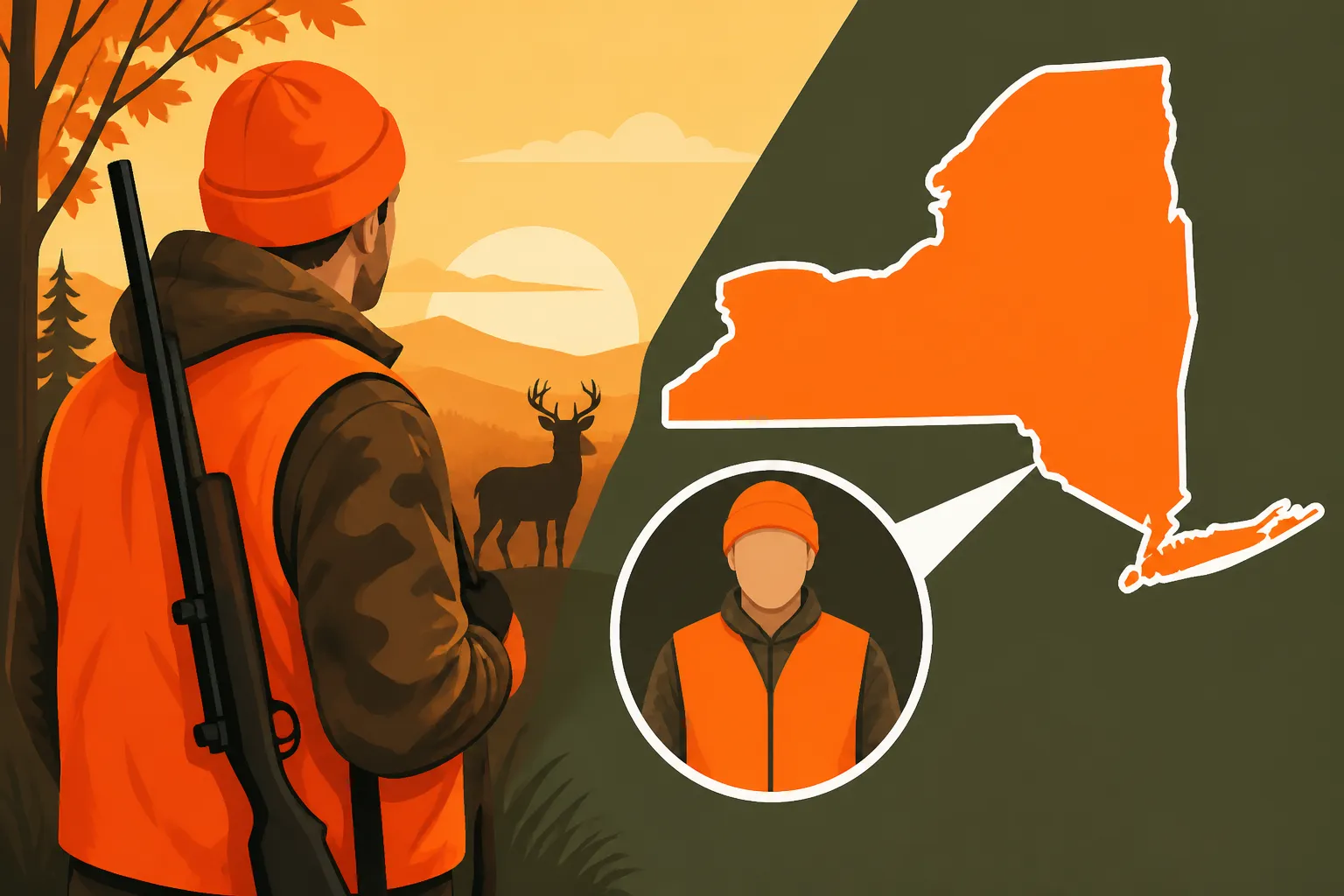
When you're out pursuing big game in New York, which primarily means deer and bear, the law is quite clear: you must wear at least 250 square inches of solid or patterned blaze orange or blaze pink material. This isn't just a suggestion; it's a legal mandate during specific seasons. Think of 250 square inches as roughly equivalent to a vest that covers your torso from front and back, plus a hat. The key here is "solid or patterned," meaning it can be a single bright color or a camo pattern that incorporates a significant amount of the high-visibility color.
This material needs to be worn on your head, torso, or both, and crucially, it must be visible from all directions. This visibility aspect is critical; simply having a blaze orange item stuffed in your pack isn't enough. It needs to be on your outermost layer, unobstructed, and clearly seen. The reason for this strict rule is straightforward: safety. New York's woods, especially during the peak firearm seasons in both the Southern Zone and the Northern Zone, can be busy places. The distinctive color helps other hunters instantly identify you as a human, not game, dramatically reducing the risk of accidental shootings. It's a non-negotiable part of responsible hunting during these times.
Blaze Pink as an Alternative
In a move to encourage broader participation and offer more options, New York State also recognizes blaze pink as a legal alternative to blaze orange. Just like its orange counterpart, any blaze pink material must also meet the 250 square inch requirement and be visible from all directions when worn on the head, torso, or both. This means that if you prefer blaze pink, or find it more comfortable or accessible, you are absolutely within the law to use it during any season where blaze orange is required.
The introduction of blaze pink was largely driven by the understanding that some hunters might prefer the color, and it serves the exact same safety function as blaze orange. Scientific studies have shown that blaze pink is equally, if not more, visible to the human eye, especially in various light conditions and against natural backgrounds, without being any more visible to deer, who see both colors as shades of gray. So, whether you opt for the classic orange or the vibrant pink, you’re fulfilling your legal obligation for high visibility in the field.
Exceptions and Specific Hunting Scenarios
While the 250 square inch rule applies broadly to big game hunting during the firearms seasons, it's important to understand where exceptions lie. For example, during New York's archery season, hunters are not legally required to wear blaze orange or pink. The focus during these seasons is often on stealth and camouflage to get within bow range of wary deer. However, even during archery season, especially when traversing to and from your stand or if you're hunting on public land during overlapping small game seasons, many seasoned hunters still choose to wear a blaze orange vest or hat for added safety until they reach their setup.
Similarly, other hunting pursuits have different rules. For instance, turkey hunters, whose success hinges on remaining concealed from sharp-eyed gobblers, are not required to wear blaze orange or pink while hunting. Their camouflage is paramount. However, when moving through the woods to a new setup, or when carrying a harvested bird out, some hunters will drape an orange vest over their turkey or wear one themselves to enhance safety, recognizing the importance of visibility when not actively calling or waiting. When it comes to New York Waterfowl Hunting by Zone, camouflage is essential for success in blinds and marshes, so blaze orange/pink requirements are generally absent for those pursuits. Small game hunters also have different guidelines; while not always legally mandated to wear specific amounts of orange, it is always strongly recommended for visibility in brushy cover.
Practical Application and Safety Beyond the Law
Knowing the legal minimum is one thing, but applying that knowledge practically and understanding the spirit of hunter safety goes a step further. It's not just about avoiding a ticket; it's about coming home safe.
Maximizing Visibility in Different Terrains
The 250 square inches might sound like a lot, but how it appears can vary wildly depending on the terrain you're hunting. In dense Adirondack hardwoods or thick Catskill cover, a minimal amount of orange can quickly become obscured by brush and trees. This is why strategic placement is so important. Wearing a blaze orange hat ensures visibility above low brush, and a vest or jacket covers your torso, visible from side to side. It’s always a good idea to consider how much of your chosen high-visibility clothing is actually visible from a distance, especially if you're moving through varied terrain like steep Finger Lakes gorges or thick Tug Hill Plateau deer yards.
Many hunters, especially those who frequent heavily pressured public land, opt to wear more than the minimum 250 square inches. A full blaze orange or pink jacket, or combining a vest with a hat and an additional orange band around a pack, can significantly increase your visible profile. This extra precaution is particularly valuable when you're negotiating areas where you know there will be other hunters, or when scouting new areas using tools like the GoHunt app that might reveal popular access points. Remember, the goal is to be seen by other people, not necessarily by deer.
The Importance of Safe Colors for Hunting Companions and Dogs
Hunter safety extends beyond just the person carrying the weapon. If you're out in the woods with hunting companions, even if they aren't actively hunting or carrying a firearm, they should absolutely be wearing blaze orange or pink, especially during big game seasons. This is especially true for groups participating in a deer drive, where communication and clear identification are paramount. Ensuring everyone in your party is visible creates a safer environment for all involved.
Furthermore, if you hunt with dogs, such as beagles for rabbit hunting or bird dogs for grouse and woodcock, outfitting them with blaze orange or pink vests or collars is a critical safety measure. These dogs can range far and wide, and their bright coloring helps prevent them from being mistaken for game by other hunters. New York’s Mentored Youth Hunting Rules also emphasize safety, and instilling good visibility habits from a young age, by having both mentor and apprentice wear ample orange, sets a vital precedent for future hunting generations. Always consider how your entire hunting party, including canine companions, presents themselves visually in the field.
When to Wear More Than the Minimum
While 250 square inches is the legal floor, there are many situations where wearing significantly more blaze orange or pink is simply the smart, safe choice. Consider days with poor visibility due to heavy fog, rain, or snow. These conditions dramatically reduce the distance at which you can be seen, making additional high-visibility clothing a wise investment. Similarly, if you're planning a deer drive with several hunters, having everyone in highly visible gear goes a long way in preventing accidents and ensuring coordinated movement.
Another crucial time to increase your visible profile is when you are walking to or from your hunting location in the dim light of dawn or dusk, or even after dark if you’re recovering a deer. While legal shooting hours are defined, movement outside those hours still carries risk. Donning an extra orange layer over your pack or having an orange hat makes you more noticeable to others who might be moving in or out of the woods. During the peak of the New York rut in November, when many hunters are out and about, increasing your visibility is just plain common sense.
Common Misconceptions and Compliance Tips
Despite the clear regulations, there are still a few persistent myths and areas of confusion surrounding blaze orange and pink. Let’s set the record straight and offer practical advice for staying compliant.
Debunking Blaze Orange Myths
One of the most enduring myths is that "deer see orange as gray," implying that it doesn't matter what color you wear because deer can't discern it. While it's true that deer lack the red cone cells in their eyes that humans have, making them effectively colorblind to red and orange tones, they do perceive orange as a bright, highly contrasting color against the natural greens, browns, and grays of the forest. To a deer, blaze orange stands out as a stark, vibrant anomaly, not a dull gray. The good news is, this still doesn't typically alarm them any more than any other unusual shape or movement. The critical point is that the human eye sees blaze orange and pink as unmistakable, vibrant signals of a fellow hunter.
Another common misconception is that you "only need it when shooting." This is incorrect. The requirement is for presence in the field during specific seasons, regardless of whether you are actively pursuing game, walking to a stand, or just scouting. Similarly, believing "just a hat is enough" often leads to non-compliance. A hat, while contributing to the requirement, rarely provides the full 250 square inches on its own. It must be a substantial amount, visible from all angles, to meet the legal minimum. Always remember that these regulations are for continuous wear while hunting big game during the specified firearms seasons.
Sourcing Compliant Gear and Checking Regulations
Finding compliant blaze orange or pink gear is easier than ever. Most sporting goods stores, from national chains like Bass Pro Shops and Cabela's to local independent shops, stock a wide array of vests, hats, jackets, and other accessories. Online retailers also offer extensive options. When purchasing, look for items that explicitly state their square inch coverage or are clearly designed as hunter safety vests or outerwear. Many reputable hunting brands, including popular names you might find referenced on platforms like GoHunt, offer gear specifically designed to meet these safety standards.
Beyond purchasing the right gear, it's your responsibility to stay current with New York's hunting regulations. The official New York State Department of Environmental Conservation (DEC) hunting guide is updated annually and is your definitive source for all rules, including blaze orange and pink requirements. You can access it online, download it as a PDF, or pick up a physical copy wherever hunting licenses are sold. Regularly checking the DEC website or using the Scouting With the New York HuntFishNY App can also help ensure you have the most up-to-date information, as regulations can occasionally be modified.
Consequences of Non-Compliance
Failing to meet the blaze orange or pink requirements in New York State isn't just a minor oversight; it's a violation that can carry significant penalties. You could face fines, and in some cases, your hunting license could even be suspended or revoked. These are serious consequences that no hunter wants to endure. New York has clear New York Wildlife Violation Penalties for such infractions.
But beyond the legal repercussions, the true cost of non-compliance is the increased risk to human life. Wearing blaze orange or pink is a fundamental component of hunter safety, designed to prevent tragic accidents in the field. Every hunter shares the ethical responsibility to ensure they are visible and identifiable, not only for their own well-being but for the safety of every other person who might be sharing the woods. It’s a simple, effective measure that makes hunting safer for everyone.
| Hunting Scenario | Blaze Orange/Pink Required? | Minimum Requirement | Notes |
|---|---|---|---|
| Big Game Firearm Season | YES | 250 sq. inches | Head, torso, or both; visible 360 degrees. |
| Big Game Archery Season | NO (but recommended) | N/A | Many wear it to/from stand for visibility. |
| Big Game Muzzleloader Season | YES (if during firearm dates) | 250 sq. inches | Follows firearm season rules for visibility. |
| Small Game/Upland Birds | NO (but highly recommended) | N/A | Essential for safety in thick cover; dogs should wear it. |
| Wild Turkey Hunting | NO | N/A | Camouflage is key, but wear orange when moving or carrying bird. |
| Waterfowl Hunting | NO | N/A | Camouflage is primary. |
Disclaimer
The information provided in this article is for general guidance only and is not a substitute for the official New York State Department of Environmental Conservation (DEC) hunting regulations. Hunters are responsible for consulting the current official DEC hunting guide and any local regulations before participating in any hunting activity. Laws and regulations are subject to change.