New York Deer Management Permits Explained
Trying to make sense of New York's Deer Management Permit (DMP) system can feel like deciphering ancient hieroglyphs, especially with all the talk about different Wildlife Management Units (WMUs), application deadlines, and changes to the rules. It's frustrating when you just want to understand how to get extra antlerless tags and take advantage of all the hunting opportunities available in the Empire State. This comprehensive guide is designed to cut through the confusion, explaining everything you need to know about DMPs so you can navigate the process with confidence and maximize your deer hunting success.
Understanding the Basics of New York DMPs
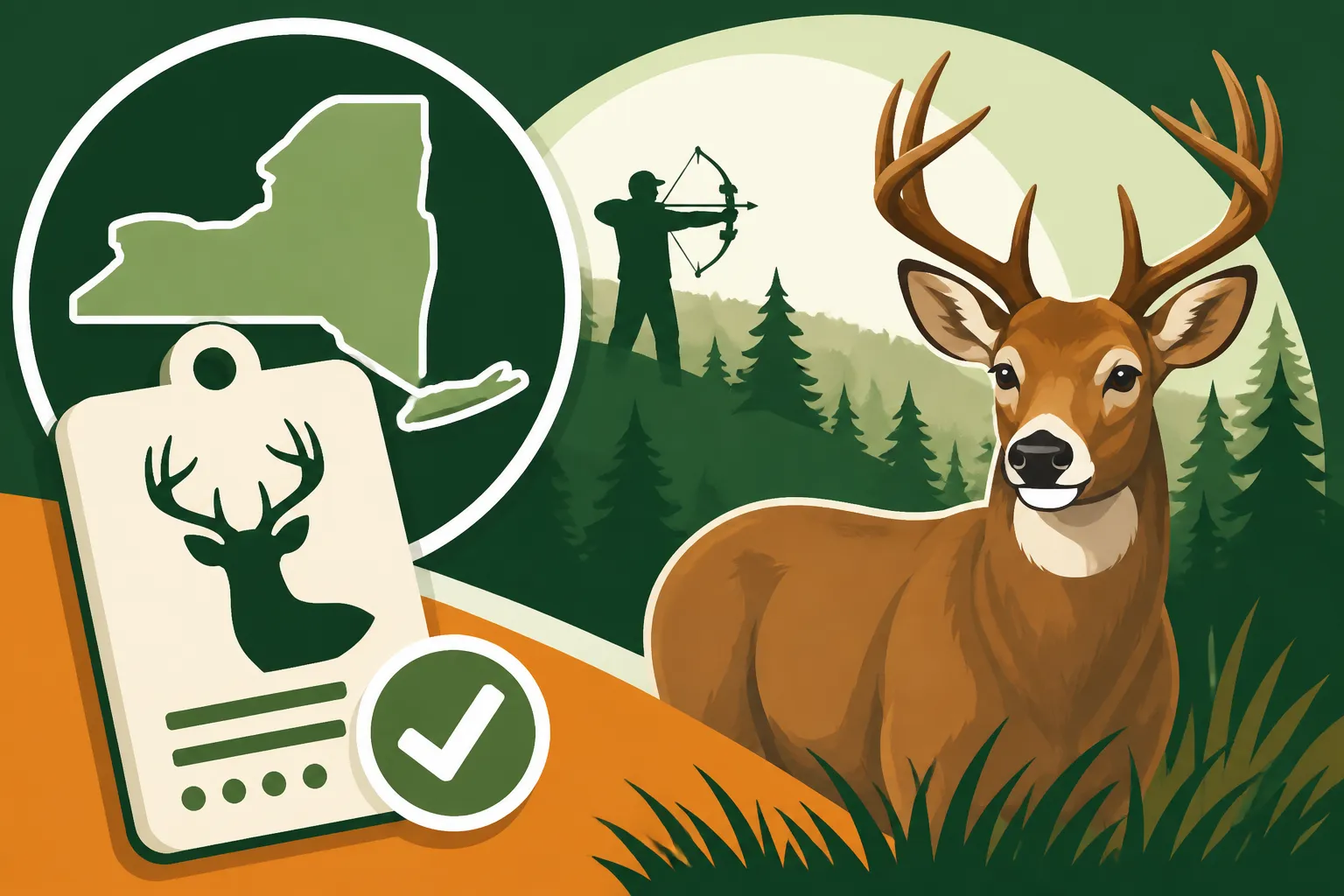
When you purchase your New York hunting license, it typically comes with a single "regular" deer tag. This tag is often restricted to either an antlered deer or, in some WMUs, a single antlerless deer. For many hunters, especially those looking to fill their freezer or participate in herd management, one deer isn't enough. That's where Deer Management Permits (DMPs), often referred to as antlerless permits, come into play. They are the cornerstone of the state's efforts to manage deer populations by allowing hunters to take additional antlerless deer.
What a DMP Is and Why It Exists
A Deer Management Permit (DMP) is essentially an additional tag that allows you to harvest an antlerless deer within a specific Wildlife Management Unit (WMU). The New York State Department of Environmental Conservation (DEC) uses DMPs as a primary tool to control and balance deer populations across the state. Without an effective system to manage antlerless harvests, deer numbers in many areas could quickly grow beyond what the habitat can support, leading to increased crop damage, deer-vehicle collisions, and potential health issues within the herd. By issuing a certain number of DMPs for each WMU, the DEC can fine-tune harvest goals to maintain healthy, sustainable deer populations that are in tune with local ecological conditions and human interests.
These permits are critical for achieving specific management objectives. In WMUs where deer populations are high and need to be reduced, more DMPs will be issued, increasing the antlerless harvest potential. Conversely, in WMUs where deer numbers are stable or perhaps need to grow slightly, fewer DMPs might be available, or they might be harder to draw. It's a dynamic system designed to respond to annual deer population assessments, winter severity, and other factors that influence herd health and size. For hunters, understanding this underlying purpose helps demystify why certain WMUs have different permit availability or lottery odds.
Antlerless Only: The Core Purpose
The most crucial distinction of a DMP is that it is always for an antlerless deer. This means a doe or a fawn. It can never be used to harvest an antlered buck, regardless of antler size. Your regular deer tag is what you'd typically use for your primary antlered buck, though it can also be used for an antlerless deer in many WMUs. The explicit focus on antlerless deer with DMPs is intentional and directly tied to population control. By selectively harvesting females, hunters directly impact the reproductive capacity of the herd, which is the most effective way to manage deer numbers over time.
This antlerless-only rule also means that if you draw a DMP, you need to be absolutely certain of your target before you shoot. Field identification is paramount. A spike buck, for instance, is still an antlered deer, even if its antlers are very small. Mistaking a spike for a doe and tagging it with a DMP would be a violation. This emphasizes the importance of good scouting and patience in the field, especially when targeting antlerless deer in areas where both bucks and does are present.
How DMPs Complement Your Regular Deer Tag
Your hunting license typically includes a single "Deer Tag" (sometimes called a "Big Game Tag" or "Deer/Bear Tag"), which allows you to harvest one deer. In most WMUs, you can use this tag for either an antlered buck (as long as it meets any antler restriction requirements) or an antlerless deer. This means your initial deer harvest could be a buck, or it could be a doe if that's your preference or what the situation dictates. The DMP, however, provides an additional opportunity.
Think of it this way: your regular deer tag is your primary ticket to the deer woods. The DMP is a bonus ticket, specifically for an antlerless deer, that allows you to take more game. For instance, you could fill your regular tag with a beautiful 8-point buck during the firearm season, and then use a drawn DMP to harvest a doe to fill the freezer later in the season. This system significantly increases a hunter's potential harvest and contributes more effectively to the state's deer management goals. It also provides flexibility, allowing hunters to fulfill different objectives, whether it's trophy hunting or simply putting venison on the table for the family.
The Annual Application Process
Navigating the DMP application process in New York requires attention to detail and adherence to specific timelines. It's not always as straightforward as simply buying a license, and missing a deadline can mean missing out on valuable hunting opportunities. The DEC has a structured system in place, primarily leveraging its online platform and a phone system, to manage the thousands of applications received each year.
Key Dates and Deadlines
The application period for Deer Management Permits is one of the most critical aspects to remember. Typically, applications open around early to mid-August and run through October 1st. This October 1st deadline is crucial for participating in the initial lottery draw for all WMUs, especially those designated as "limited" – meaning there are fewer DMPs available than applicants. If you miss this initial window, your chances of drawing a permit, particularly in popular or more restricted areas, drop significantly.
It's highly recommended to apply as early as possible within this window. While applying early doesn't increase your odds in the lottery, it ensures you don't forget or get caught off guard by a last-minute distraction. Keep an eye on the official DEC website or your New York Hunting Licenses and What They Cost guide for the exact dates each year, as they can sometimes shift slightly. Waiting until the very last day can lead to unexpected technical issues or simply running out of time. Planning ahead is key to securing your chances for those extra tags.
Applying for DMPs Online or By Phone
The DEC offers two convenient methods for applying for DMPs: online through the HuntFishNY licensing system or by phone. The online system is generally the preferred method for most hunters due to its ease of use, instant confirmation, and accessibility from anywhere. When you log into your HuntFishNY account, you'll find a section specifically for applying for DMPs. It's a step-by-step process where you select the WMU(s) you wish to apply for.
For those who prefer a more personal touch or don't have reliable internet access, the DEC also maintains a dedicated DMP hotline. While the phone system is efficient, be prepared for potential hold times, especially closer to the October 1st deadline. Regardless of the method you choose, you'll need your customer ID number from your hunting license. It's also a good practice to double-check your application before submitting to ensure you've selected the correct WMU(s) and that all your information is accurate. Reputable apps like GoHunt can sometimes help you keep track of application periods and WMU information, making the process smoother.
Understanding the DMP Lottery System
Once the initial application period closes on October 1st, the DEC conducts a lottery drawing for all WMUs where demand for DMPs exceeds the available supply. This is particularly relevant for what are known as "limited WMUs" – areas where deer populations are managed more carefully, and thus, fewer antlerless permits are issued. When you apply, you don't immediately receive a DMP; you enter a draw.
Your chances of drawing a DMP depend entirely on the WMU you apply for and the number of other hunters applying for that same unit, relative to the number of permits the DEC has allocated. WMUs with very high deer densities and management goals that call for a significant reduction in antlerless deer will typically have higher odds of drawing a permit, or sometimes even be "unlimited," meaning everyone who applies receives one. Conversely, WMUs with lower deer densities or specific management concerns might have very low draw odds, making DMPs highly sought after. You'll usually be notified of your lottery results sometime in early to mid-October, allowing you to plan the remainder of your New York Deer Seasons by Zone accordingly.
DMP Allocation and Your Chances of Success
The success of your DMP application hinges on understanding how the DEC allocates these permits, specifically the distinction between limited and unlimited WMUs. This knowledge can significantly impact your strategy for obtaining extra tags.
Limited Versus Unlimited WMUs
New York's 90+ Wildlife Management Units are not all created equal when it comes to Deer Management Permits. The DEC categorizes WMUs as either "limited" or "unlimited" based on their deer population goals and the number of DMPs issued.
Limited WMUs: These are areas where the demand for DMPs often exceeds the supply. The DEC sets a specific quota of antlerless permits for these units, and if more hunters apply than there are permits available, a lottery drawing is conducted. Your odds of drawing a permit in a limited WMU can vary widely from year to year, depending on factors like herd health, winter severity, and the number of applicants. In some limited WMUs, especially those with lower deer densities or specific management goals, the draw odds can be quite low, sometimes less than 10-20%. This is often the case in more remote or wilderness-heavy areas like parts of the Adirondack Foothills or specific WMUs in the Catskills. Hunters applying for these areas need to understand that success is not guaranteed and often depends on luck. This highlights the importance of checking your specific Limited Versus Unlimited DMP Wildlife Units information annually.
Unlimited WMUs: In contrast, unlimited WMUs are areas where the DEC determines that there are sufficient deer numbers to issue a DMP to every hunter who applies. These WMUs typically have high deer densities and robust populations, and the management goal is to encourage greater antlerless harvest. If you apply for a DMP in an unlimited WMU before the October 1st deadline, you are guaranteed to receive one. These units are a fantastic opportunity for hunters looking to consistently harvest antlerless deer and contribute to herd management efforts without the uncertainty of a lottery. Many of the WMUs in the Southern Tier and Western New York farmland regions often fall into the "unlimited" category due to abundant habitat and high deer populations.
Checking Your Selection Odds by WMU
Before you apply, it's a smart move to research the selection odds for the WMU(s) you're interested in. The DEC typically publishes the previous year's DMP selection odds online, often broken down by resident/non-resident and even junior hunter categories. This information is invaluable for making informed decisions about where to apply. While past odds don't guarantee future results, they provide a strong indication of your chances. For example, if a WMU had 100% selection odds last year, it's highly likely to be an unlimited or nearly unlimited WMU again. Conversely, if a WMU had 15% odds, you know it's a long shot.
Many hunters use this data to strategize. Some will apply for their "dream" limited WMU hoping for a lucky draw, while also applying for a backup unlimited WMU to ensure they at least get one extra tag. Utilizing digital mapping tools or hunting apps, some of which are integrated with services like GoHunt, can also help you quickly pull up WMU boundaries and access this crucial odds information, streamlining your pre-application research. Knowing these odds allows you to manage expectations and plan your season more effectively.
The Instant Lottery and Mid-Season Bonus DMPs
What happens if you miss the October 1st deadline or don't draw a DMP in the initial lottery? Don't despair, because New York's system offers additional opportunities. After the initial lottery results are released, any remaining DMPs in specific WMUs are then made available through an "instant lottery" system.
The Instant Lottery begins shortly after the initial draw. When you apply during this phase, you receive an immediate notification of whether you've drawn a permit or not. If permits are available for the WMU you select, you'll get one. If not, you can try again for another WMU. This system continues until all DMPs are allocated or the season closes. This is a fantastic chance for hunters who might have been unsuccessful in the initial draw, or those who decided later in the season that they wanted an additional antlerless tag. This is where you might find opportunities to harvest additional deer, particularly by Filling Extra DMPs in Unlimited WMUs.
Furthermore, in WMUs with very high deer densities and specific management needs, the DEC may issue Mid-Season Bonus DMPs. These are often announced later in the fall, sometimes even into November or December, to further increase the antlerless harvest in areas where deer populations remain robust. This often occurs in WMUs that were already unlimited or had very high draw odds initially. Staying connected to DEC announcements and checking the HuntFishNY system regularly is important if you're hoping to snag these late-season opportunities. Remember, the goal is always to balance herd health with hunter opportunity.
Maximizing Your DMP Opportunities
The New York DMP system offers flexibility, and savvy hunters can use its various features to significantly increase their chances of taking multiple deer. It’s all about strategy, understanding the nuances of the system, and knowing where to look for those extra tags.
Strategic WMU Choices for More Tags
Choosing the right Wildlife Management Unit (WMU) is paramount if your goal is to acquire more than one antlerless permit. Don't just pick the WMU closest to home without checking the odds. As discussed, WMUs vary greatly in their DMP availability. If your primary objective is to harvest additional antlerless deer, focus your applications on WMUs that historically have high draw odds or are designated as "unlimited." These are often found in agricultural regions or suburban-fringe areas where deer populations thrive due to abundant food sources and often less hunting pressure from antler-focused hunters.
For example, many WMUs in the Finger Lakes Region or parts of the Southern Tier consistently offer high-probability DMP draws. You can often find detailed information on these WMUs and their historical draw success rates on the DEC website, sometimes broken down by specific county information. By researching and strategically applying for WMUs with favorable odds, you significantly boost your chances of drawing multiple DMPs. This means more venison for your family and more opportunities to be out in the field.
Understanding the Four-Permit Rule for 2026 and Beyond
New York's deer management strategy is dynamic, and understanding upcoming changes is crucial. A significant change that hunters need to be aware of is the New York's 2026 Four-Permit DMP Change. Starting in 2026, the DEC is implementing a new system that will allow hunters to obtain up to four DMPs in eligible WMUs. This is a substantial increase from previous limits and reflects an ongoing effort to further reduce deer populations in areas where they are overabundant, particularly in the Southern Zone.
This change is designed to give hunters more flexibility and impact on local deer populations. For many, it means the potential to harvest a substantial amount of venison each season. However, it's important to note that this rule will likely apply to specific WMUs that the DEC identifies as needing a higher antlerless harvest. Not all WMUs will necessarily offer four DMPs, and the availability will still be tied to local population dynamics. Keeping an eye on DEC announcements as 2026 approaches will be vital to understand which WMUs will participate in this expanded opportunity and how the application process might evolve to accommodate it.
Filling Extra DMPs in Unlimited WMUs
If you're successful in drawing multiple DMPs, particularly in unlimited WMUs, the next step is effectively using them. Many hunters acquire multiple DMPs in an effort to fill their freezers, and these unlimited units provide prime opportunities. The key to filling these extra tags is understanding the New York's Southern Zone Firearm Season or the New York's Northern Zone Firearm Season and the various seasons DMPs are valid for. DMPs are generally valid during the regular archery, crossbow, muzzleloader, and regular firearm seasons, specific to antlerless deer, and only within the WMU for which they were issued.
Tactics for harvesting these additional antlerless deer often involve focusing on food sources, particularly during the late season. After the rut, deer shift their focus back to feeding, and does will congregate in areas with available forage, whether it's unharvested agricultural fields, mast crops, or browse. Hunting the edges of these food sources, especially in the afternoon, can be very productive. Additionally, participating in Deer Drives on New York Public Land with a group of hunters can be an effective way to move deer and create shot opportunities, especially for does that tend to stick to thicker cover. Just remember to always abide by all safety regulations and coordinate clearly with your hunting party.
Special DMP Rules and Considerations
While the core DMP system is fairly uniform, New York does have specific provisions and exceptions that cater to different hunter demographics and unique management situations. Being aware of these can broaden your hunting horizons or help you navigate particular circumstances.
Youth Hunter DMP Provisions
New York is committed to fostering the next generation of hunters, and its DMP system reflects this with specific provisions for youth hunters. Young hunters, typically those aged 12-16 (or younger in some mentored situations), often have preferential access to DMPs or special opportunities. For instance, during the annual New York Youth Deer Hunt Rules weekend, junior hunters typically have the first crack at harvesting antlerless deer using DMPs in many WMUs, sometimes even before the regular adult seasons open. This gives them a unique opportunity to gain experience and success in the field with less pressure.
Moreover, in some WMUs, junior hunters may have higher draw odds for DMPs in the initial lottery, or a certain number of permits might be reserved specifically for them. These provisions are designed to encourage youth participation, provide positive hunting experiences, and introduce them to the important role hunters play in conservation. Parents and mentors should thoroughly review the annual hunting regulations for specific details on youth DMP opportunities, as these rules can sometimes be nuanced regarding age, supervision, and valid weapons.
CWD Containment Area DMPs
Chronic Wasting Disease (CWD) is a serious concern for deer populations nationwide, and New York has taken proactive measures to prevent its spread. When a CWD case is identified, as occurred with a captive herd in Herkimer County, the DEC establishes a CWD Containment Area. Within these areas, special regulations, including DMP rules, are often implemented to intensively manage deer populations and mitigate the risk of disease transmission.
Hunters within a CWD Containment Area, such as those covered by The Herkimer County CWD Containment Towns, may find increased DMP availability. The DEC's strategy in these zones often involves encouraging a higher harvest of deer, particularly antlerless deer, to reduce population density and slow any potential spread of CWD. This means that hunters in these specific WMUs might have access to more DMPs, or significantly higher draw odds, as part of the broader disease management strategy. It's imperative for hunters in CWD Containment Areas to adhere strictly to all special regulations, including carcass transport restrictions and mandatory CWD testing requirements, to help protect the health of New York's wild deer herd.
Landowner and Damage Permits (DMAP)
Beyond the general public lottery, New York also offers specific permits to landowners and farmers to address deer damage issues. These are known as Deer Management Assistance Permits (DMAP). DMAPs are issued directly to landowners or farmers who are experiencing significant agricultural damage from deer, or who are managing large tracts of land for specific habitat or forestry goals that require intensive deer population control. These permits are typically issued in addition to the standard DMPs available to the public.
For hunters, this can sometimes present unique opportunities. If you have permission to hunt on private land enrolled in a DMAP program, you might be able to harvest additional antlerless deer using these specific permits, as directed by the landowner. This is a mutually beneficial arrangement: the hunter gets more opportunities, and the landowner gets assistance in managing their local deer population. It's crucial to understand that DMAP tags are tied to specific properties and cannot be used elsewhere. Always communicate clearly with the landowner about the number of DMAP tags available and how they are to be utilized. This system is a vital component of balancing deer populations with agricultural and ecological needs across the state.
Using Your DMP in the Field
Obtaining a DMP is just the first step; effectively using it in the field requires understanding the rules for tagging, reporting, and season validity. Mishandling any of these aspects can lead to violations and lost opportunities.
Tagging and Reporting Requirements
Once you successfully harvest an antlerless deer using your DMP, the process isn't over. Proper tagging and reporting are critical legal requirements in New York. Immediately after downing a deer, you must attach your DMP tag to the carcass. This tag must be completed with all required information, including the date of harvest, WMU, and sex of the deer. The tag should be securely affixed to the deer, usually to an antler (if applicable, though a DMP is antlerless only) or the leg, before you move the animal from the kill site. Failure to tag immediately is a common violation and can result in fines.
After tagging, the next crucial step is reporting your harvest. New York requires all deer harvests to be reported within seven days of taking the animal. The easiest and most common way to do this is through the HuntFishNY mobile app or its website. When Reporting a Deer Through HuntFishNY, you'll enter details such as your license number, the tag number, the date and time of harvest, the WMU, the sex of the deer, and whether it was antlered or antlerless. This data is vital for the DEC to monitor deer populations and adjust management strategies for future seasons. Failing to report a harvest is also a serious violation and undermines the state's conservation efforts.
Legal Weapons and Seasons for DMPs
A common question among hunters is what weapons can be used with a DMP and during which seasons. The good news is that DMPs are incredibly versatile. Once you draw an antlerless permit for a specific WMU, it is generally valid for harvest during any open deer season within that WMU where antlerless deer can be legally taken, and with any legal hunting implement you possess a privilege for. This includes:
- Archery Season: If you possess a bowhunting privilege, you can use your DMP during the archery season. This is often the earliest opportunity to use a DMP.
- Crossbow Season: For those with a crossbow privilege, DMPs are valid during the crossbow seasons.
- Muzzleloader Season: If you hold a muzzleloader privilege, your DMP can be used during the muzzleloader seasons, often providing excellent late-season opportunities. Hunters often find success using New York Muzzleloader Season Tactics to fill these tags.
- Regular Firearm Season: DMPs are fully valid during the regular big game firearm season within the specified WMU, provided you are hunting with a legal firearm.
It's crucial to remember that the DMP is only for an antlerless deer. You must comply with all other regulations specific to the season and weapon you are using, including legal shooting hours, blaze orange requirements, and any local restrictions. Always check the current year's hunting regulations guide, as specific nuances can sometimes apply.
Common Mistakes to Avoid with DMPs
Even experienced hunters can sometimes trip up on DMP regulations. Being aware of common mistakes can save you a lot of hassle and ensure a legal, enjoyable hunt.
One frequent error is using a DMP in the wrong WMU. Your DMP is assigned to a specific WMU and is only valid there. Accidentally taking a deer with a DMP in an adjacent WMU, even if it's close by, is a violation. Always confirm your location, especially near WMU boundaries. Mapping applications can be very helpful here, often displaying WMU lines. Another mistake is misidentifying a target. As mentioned, DMPs are strictly for antlerless deer. Mistaking a button buck or a small spike for a doe can lead to an illegal harvest. Always be 100% sure of your target before you shoot.
Lastly, neglecting the reporting requirement is a significant oversight. Some hunters, particularly after a long day in the woods, might put off reporting, only to forget within the seven-day window. This not only puts you in violation but also deprives the DEC of crucial harvest data. Make it a habit to report your deer as soon as possible after tagging, preferably before you even leave the field using the HuntFishNY app. By being diligent and informed, you can avoid these common pitfalls and enjoy a successful, compliant hunt with your New York DMPs.
Impact of DMPs on Deer Management
The system of Deer Management Permits isn't just about hunter opportunity; it's a critical tool in the larger, complex picture of wildlife conservation in New York. These permits play a direct and measurable role in shaping the state's deer populations and ecosystem health.
Population Control and Herd Health
The primary purpose of DMPs is population control. White-tailed deer are incredibly adaptable and, without natural predators in many areas, their populations can quickly outgrow the carrying capacity of their habitat. When deer numbers become too high, it leads to a cascade of negative effects:
- Habitat Degradation: Overbrowsing can decimate forest understories, impacting other wildlife species that rely on those plants for food and cover. This can be particularly evident in areas like the Catskills or sections of the Southern Tier.
- Increased Disease Risk: Densely packed deer populations are more susceptible to the rapid spread of diseases like EHD (Epizootic Hemorrhagic Disease) or, potentially, CWD, although New York has been vigilant in keeping Why New York Has Stayed Free of Wild CWD.
- Poor Herd Health: Intense competition for food can lead to malnourished deer, lower fawn survival rates, and smaller body sizes and antler growth for bucks.
By allowing hunters to harvest additional antlerless deer through DMPs, the DEC directly regulates the reproductive potential of the herd. Removing does reduces the number of fawns born the following spring, effectively lowering the overall population. This proactive management helps maintain a healthier deer herd that is more in balance with its environment, ensuring robust deer for future generations of hunters and a thriving ecosystem.
Balancing Hunter Opportunity and Deer Numbers
The DEC constantly walks a tightrope, balancing the desire for robust hunter opportunity with the ecological necessity of maintaining appropriate deer numbers. DMPs are a flexible mechanism that allows them to adjust this balance annually on a WMU-by-WMU basis. In areas where deer numbers need to be reduced, more DMPs are issued, providing more chances for hunters to fill their tags and freezers. In areas where populations are stable or slightly below goal, fewer DMPs might be available.
This flexibility is crucial because deer populations and habitat conditions can vary dramatically across New York, from the dense forests of the Adirondacks to the farmlands of Western New York. For example, some WMUs might be aiming for a modest increase in deer numbers, while others, particularly those experiencing high rates of deer-vehicle collisions or agricultural damage, might have a goal to significantly decrease the herd. The DMP system allows the DEC to fine-tune its approach, providing tailored management strategies rather than a one-size-fits-all solution. This ensures that while hunters are given ample opportunity, the long-term health and sustainability of the deer resource remain the top priority.
The Future of DMP Regulations
New York's deer management is an evolving science, and DMP regulations are subject to ongoing review and potential changes. The upcoming New York's 2026 Four-Permit DMP Change is a prime example of this evolution. These changes are typically driven by several factors:
- Scientific Research and Data: The DEC continuously monitors deer populations through harvest data (which hunters help provide by reporting!), aerial surveys, and other research methods. New insights can lead to adjustments in management goals.
- Public Input: Hunters, landowners, farmers, and other stakeholders provide valuable feedback that helps shape regulations. Public comment periods are a key part of the regulatory review process.
- Socioeconomic Factors: Considerations like agricultural damage, deer-vehicle accidents, and the economic impact of hunting all play a role in shaping management decisions.
Hunters should always stay informed about proposed regulation changes by checking the DEC website, attending public meetings, or subscribing to official newsletters. Understanding the rationale behind changes, such as efforts to address deer overpopulation in specific regions or enhance hunter access, allows hunters to be more engaged and effective partners in conservation. The future of DMPs will likely continue to emphasize data-driven decisions and adaptability, ensuring New York's deer herd remains a cherished resource for generations to come.
Conclusion
Understanding New York's Deer Management Permit system might seem daunting at first, but with a clear grasp of the application process, WMU distinctions, and regulations, it becomes a powerful tool for every deer hunter. DMPs offer incredible opportunities to extend your hunting season, fill your freezer with venison, and play an active role in managing healthy deer populations across the Empire State. By staying informed, applying strategically, and adhering to all tagging and reporting requirements, you can maximize your time afield and contribute directly to the rich tradition of New York hunting. So, get ready to apply, plan your hunts, and make the most of those valuable antlerless permits!
Disclaimer
This guide is intended for informational purposes only and does not supersede official New York State Department of Environmental Conservation (DEC) hunting regulations. Hunters are responsible for consulting the current year's official DEC hunting guide and any emergency declarations or updates before heading afield. Regulations, dates, and requirements can change, and strict adherence to all state and federal laws is mandatory.