Hunting New York’s Fall Turkey Season
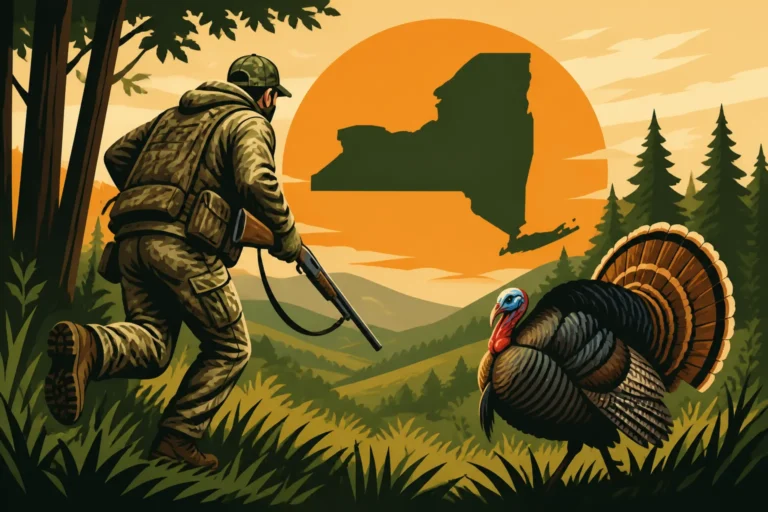
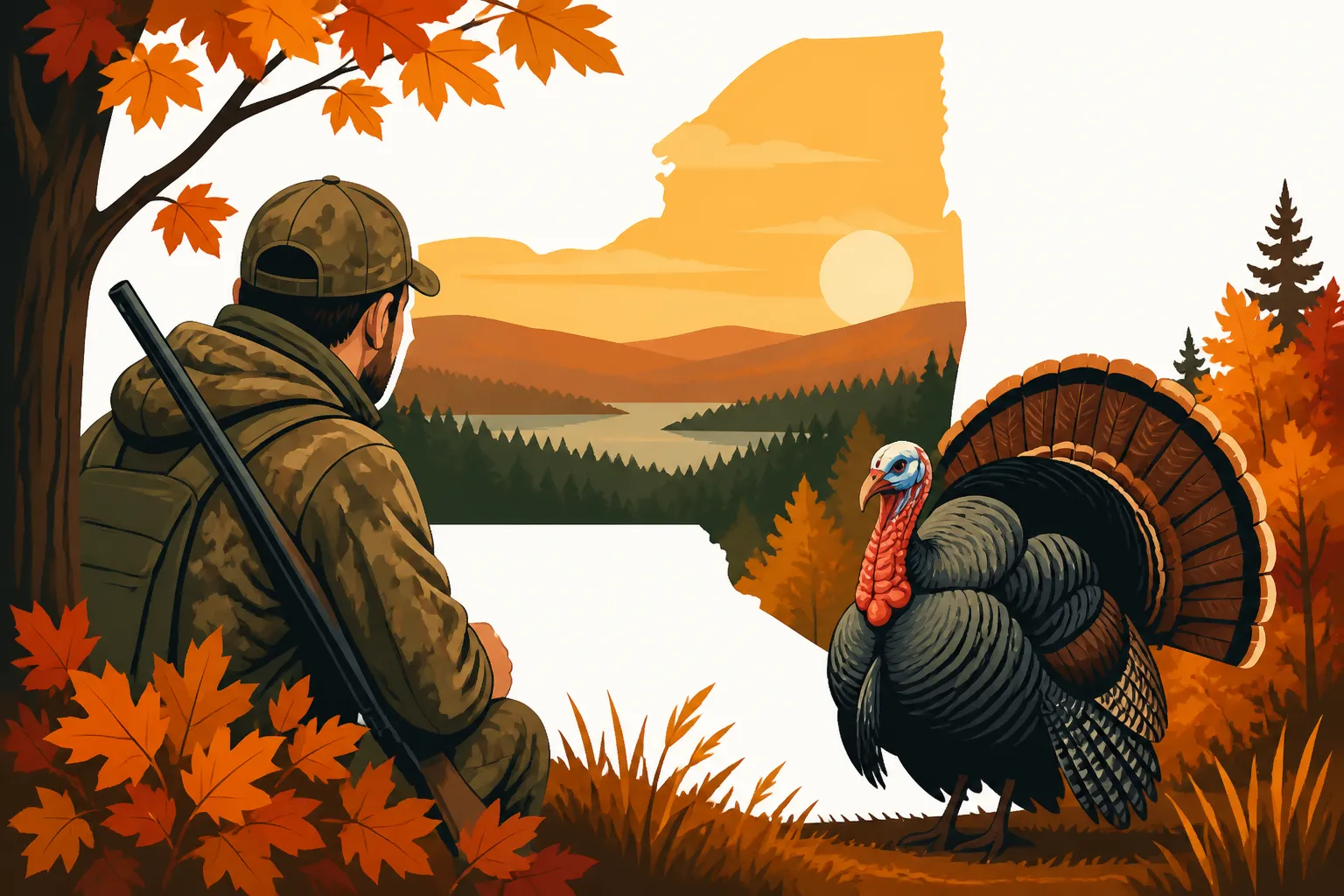
The crisp air of a New York autumn carries a different tune than the vibrant symphony of spring. While many hunters eagerly anticipate the thunderous gobble of a spring longbeard, the fall turkey season presents a unique challenge that can leave even seasoned veterans scratching their heads. You're no longer dealing with lovelorn Toms looking for a fight, but rather tightly-knit flocks focused purely on survival, and that demands a complete shift in strategy. This guide will take a deep dive into the art and science of hunting fall turkeys in New York, helping you unravel their mysteries and fill your tag when the leaves start to turn.
Understanding Fall Turkey Behavior and Flock Dynamics
Hunting fall turkeys is a world away from the chest-thumping excitement of spring. The game changes completely, and if you approach it with a spring mindset, you're likely to end up frustrated, listening to nothing but squirrels chattering. Understanding this fundamental shift in behavior is the first, and perhaps most crucial, step toward success.
The Shift from Springtime Gobblers
When spring arrives, a wild turkey's world revolves around breeding. Gobblers are strutting, vocal, and often reckless in their pursuit of hens. They'll respond aggressively to calls, and their predictable desire to dominate a flock makes them vulnerable to a well-placed decoy and some enticing yelps. Fast forward to fall, and that whole paradigm collapses. The breeding season is long over, and every turkey in the woods, from the dominant hen to the smallest poult, is focused on two things: food and security. Their vocalizations are minimal, their movements are cautious, and their primary defense mechanism is the sheer power of numbers within their flock.
This shift means you can't just set up and expect a gobbler to come charging in. Fall turkeys are more likely to sneak away silently, or if spooked, erupt into a chaos of wings that disperses them in every direction. This can be incredibly disheartening if you're expecting the classic gobble-and-run, but it also opens up opportunities for a different kind of hunt. Their communal nature in the fall, while making them wary, is also their Achilles' heel, as we'll explore with the classic flock break-up technique.
Pecking Order and Flock Hierarchy
Fall turkey flocks are not just random collections of birds; they are highly structured social units with a clear pecking order. You'll typically find several types of flocks: all-hen flocks (often with their poults from the spring hatch), jake flocks, and sometimes mixed flocks of hens, jakes, and even a few old gobblers if they haven't entirely separated. Within these groups, there's a constant, subtle communication and a rigid hierarchy. A dominant hen might lead a large group of 20-30 birds, while jakes often band together in smaller, more boisterous groups.
Understanding this hierarchy is vital because it informs your calling strategy. When you break a flock, the individual birds will want to get back together, and they'll often respond to calls that mimic a lost member or, more powerfully, the reassuring assembly calls of the dominant hen. Jakes might respond to the calls of other jakes, especially if they are looking to re-establish their own small group. Watching a flock move and interact, if you have the chance, can teach you volumes about their internal dynamics, letting you tailor your approach to the specific group you're after.
Roosting Habits and Daytime Movements
Like their spring counterparts, fall turkeys will typically roost in tall trees, often pines or hardwoods that offer good cover and visibility, especially near water or along ridge lines. They'll fly up to roost before dark and descend shortly after first light. However, their daytime movements diverge significantly. In the spring, gobblers might patrol specific strut zones or follow hens to feeding areas that change daily based on breeding activity. Fall turkeys, conversely, are methodical in their search for sustenance.
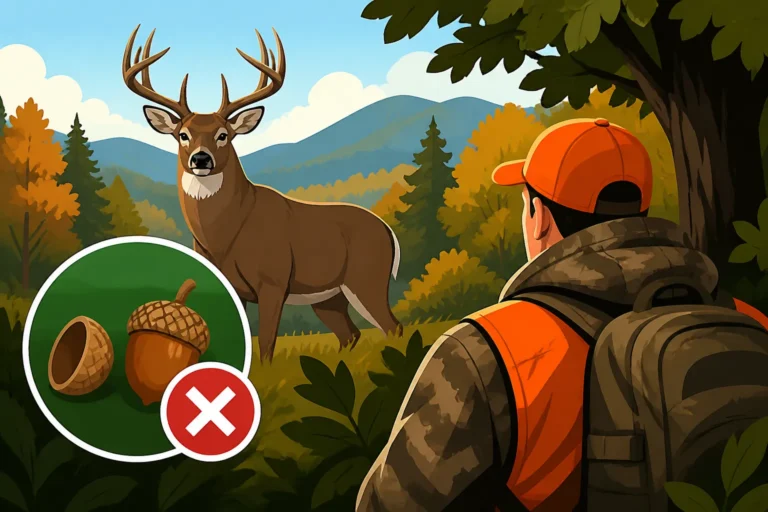
Their daytime travels are heavily influenced by the availability of food sources. If acorns are plentiful in a particular woodlot, they might spend the entire day scratching through the leaf litter there. They'll move deliberately through their preferred habitat, often utilizing the same travel corridors day after day, connecting roosting areas to feeding grounds and dusting bowls. This makes identifying these key locations during scouting absolutely critical. Observing their flight paths to and from roosts, and then finding fresh sign along their probable routes, can give you a significant advantage when trying to intercept them during the day.
Locating Fall Turkeys: Food, Cover, and Scouting
Finding fall turkeys can feel like searching for a needle in a haystack, especially in the vast tracts of New York State. Unlike spring, where a gobble can pinpoint their location, fall birds are notoriously quiet. Success hinges on extensive scouting, focusing on their primary needs: abundant food, secure cover, and predictable travel routes.
Identifying Prime Food Sources
In the fall, turkeys are voracious eaters, packing on reserves for the leaner winter months. Their diet shifts dramatically from the insects and tender greens of summer to hard mast, soft mast, and waste grains. Acorns, especially white oaks, are an absolute magnet for turkeys. If you find a stand of mature oaks dropping heavy, you’ve likely found a turkey hotspot. Beech nuts are another prime food source, particularly in regions like the Catskills or Adirondack foothills where beech trees are prevalent. Beyond the woods, turkeys will frequent agricultural fields, gleaning waste corn, soybeans, or oats after harvest. They also love to forage on various soft mast, such as wild grapes, dogwood berries, or even apples from abandoned orchards.
Knowing which food sources are available and abundant in a particular year is paramount. A poor acorn crop, for instance, might push birds to depend more heavily on beech nuts or agricultural fields, requiring you to adjust your scouting efforts. Regularly checking these different food sources, especially those with evidence of recent scratching, droppings, and tracks, will tell you where the birds are currently concentrated. If you're looking for more details on where to find birds in different parts of the state, checking out resources like New York Turkey Population Trends can give you an overview of regional concentrations.
Habitat Preferences and Travel Corridors
Fall turkeys thrive in diverse habitats that offer a mosaic of food, water, and protection. They prefer mature mixed hardwoods with an open understory for easy foraging, interspersed with dense conifers or thickets for escape cover and roosting. Look for areas where these habitat types converge, such as the edge of a mature oak flat bordering a pine plantation, or a creek bottom running through a stand of hardwoods. These transition zones often serve as natural travel corridors, funnels, and staging areas for feeding flocks.
Terrain also plays a significant role in New York. In the Southern Tier, birds might frequent creek bottoms and rolling agricultural lands, while in the Catskills, they could be found ranging higher on the ridges. Identifying these preferred travel routes – often subtle trails worn through the leaves, especially near water sources or crossing old logging roads – is crucial. Pay close attention to areas that offer safety, such as steep ravines, dense briar patches, or overgrown clearcuts, as these often serve as daytime hideouts or escape routes when birds are pressured. For those hunting in specific regions, understanding the local turkey movements is key; for example, the strategies might differ when Hunting the Northern Zone Fall Turkey Window versus the southern part of the state.
Pre-Season and In-Season Scouting for Sign
Scouting is your most powerful tool for fall turkey hunting. Before the season even opens, hit the woods with a keen eye and an open ear. Start by identifying potential food sources. Use binoculars or a spotting scope to scan fields from a distance at dawn and dusk, looking for birds feeding. In the woods, walk quietly, searching for fresh turkey sign:
- Droppings: Fall droppings are typically more solid and cylindrical than the looser, moister droppings of spring. Large, coiled droppings indicate gobblers; smaller, more rounded ones indicate hens.
- Scratchings: Turkeys are notorious for their diligent scratching in the leaf litter. Fresh scratchings, especially under oak or beech trees, are a dead giveaway.
- Dusting Bowls: These are shallow depressions where turkeys take dust baths to rid themselves of parasites. They're often found in dry, sandy soil, particularly on sunny slopes.
- Tracks: Look for distinct, three-toed tracks in soft soil or mud near water sources.
As the season progresses, continue to scout. Turkeys can shift their patterns based on food availability or hunting pressure. Many hunters find tools like GoHunt invaluable for overlaying property lines, topo maps, and aerial imagery to identify potential food sources and travel corridors without stepping foot in the woods initially. This digital scouting, coupled with boots-on-the-ground confirmation, significantly increases your odds. The more time you spend deciphering the landscape before and during your hunt, the better your chances of connecting with a fall flock. Consider looking at the general advice for Scouting New York Public Land Before Season for broader tips that apply well to turkey hunting too.
Effective Fall Turkey Hunting Tactics
The classic spring turkey setup—a gobbler call and a fanned decoy—rarely works in the fall. Fall turkey hunting demands patience, stealth, and a deep understanding of their flock mentality. The most effective strategies revolve around disrupting their social structure and then appealing to their instinct to regroup.
The Classic Flock Break-Up Method
This is the quintessential fall turkey tactic and often the most exciting. The goal is to locate a flock, then aggressively move in to scatter them as widely as possible. When a flock is broken, the individual birds, especially the young poults and hens, become disoriented and immediately start trying to find their way back to the group. This panic, and their inherent need for security in numbers, is what you exploit.
Once you’ve identified a flock, make a direct, quick approach to flush them. Don't be timid; charge right in, making noise to send them flying in every direction. Pay close attention to where the birds fly off to. Then, position yourself in the center of where the flock scattered, ideally near the flush point or along a natural travel route the birds might use to return. Find good cover, get comfortable, and be patient. After about 20-30 minutes, or even an hour, the birds will usually start to make contact calls – soft clucks, purrs, and the distinctive "kee-kee" or "kee-kee run" of lost young birds. This is your cue to begin calling. Your goal is to mimic a lonesome poult or hen trying to re-establish contact, drawing them back to your position. For a more detailed walkthrough, you might want to read Breaking Up a Fall Turkey Flock.
Calling Strategies for Lonesome Birds
Unlike the aggressive cutts and excited yelps of spring, fall calling is generally softer, more plaintive, and aimed at sounding like a lost bird trying to rejoin its flock. The most effective call is often the "kee-kee run" – a series of high-pitched whistles that transition into a yelp. This call perfectly mimics a young, lost turkey and can be irresistible to scattered flock members. Other effective calls include soft clucks, contented purrs, and the occasional lost hen yelp. Avoid overcalling or using aggressive gobbler vocalizations, as these will likely spook fall birds.
You'll want a variety of calls at your disposal. A mouth call (diaphragm) allows for hands-free calling and subtle kee-kees. A slate or glass call can produce excellent kee-kees and soft yelps, while a box call offers good volume for those initial assembly calls if birds are far off. Listen carefully to the responses you get. If birds are clucking softly, respond in kind. If they're making kee-kee runs, mimic that. The key is to sound natural and reassuring, not threatening. Remember, these birds are wary, and sounding like a predator or an unwelcome stranger will quickly send them in the opposite direction. You can find more insights on this by looking up Turkey Calls Worth Carrying in New York.
Still-Hunting and Ambush Techniques
While the flock break-up is a dominant strategy, still-hunting and ambushing are also highly effective, especially for wary flocks or when you can't get close enough to scatter them. Still-hunting involves moving slowly and deliberately through prime turkey habitat, stopping frequently to look and listen. Cover ground stealthily, scanning ahead for any movement or subtle signs. Focus on areas with abundant food, especially oak ridges or field edges, and follow natural travel corridors. This method requires immense patience and a keen eye to spot birds before they spot you.
Ambush techniques work well when you've identified a consistent turkey pattern. This might involve setting up along a well-used travel route between a roost and a feeding area, or near a preferred dusting bowl or water source. Once you've chosen your ambush spot, get in well before daylight, find solid cover, and remain absolutely motionless and silent. You're waiting for the birds to come to you on their own schedule. This can be particularly effective in areas with dense cover, where visibility is limited, or in agricultural areas where turkeys consistently use certain field edges. When ambushing, ensure your setup allows for clear, safe shots and that you have a good backdrop to break up your silhouette.
Navigating New York's Fall Turkey Regulations
Just like deer hunting, New York's turkey seasons have specific rules that vary by zone and can change from year to year. Staying current with these regulations is crucial for a legal and successful hunt. Neglecting to understand these nuances can lead to citations, or worse, losing out on a hunting opportunity.
Understanding Zone-Specific Seasons and Dates
New York State is divided into distinct turkey hunting zones, primarily the Northern Zone and the Southern Zone, each with its own specific fall season dates. The Northern Zone typically has a shorter fall season, often opening in October and running for a couple of weeks. This is due to harsher winters and generally lower turkey densities. The Southern Zone, with its milder climate and higher turkey populations, usually boasts a much longer fall season, often spanning from mid-October through the end of November, sometimes even into December. These dates are set by the New York State Department of Environmental Conservation (DEC) based on population data, harvest trends, and management goals.
It's imperative to consult the current year's New York State Hunting and Trapping Regulations Guide before heading afield. These guides are available online through the DEC website or at most license vendors. Pay close attention to the specific county and Wildlife Management Unit (WMU) you plan to hunt, as there can be localized variations or special regulations. Knowing precisely How Long New York's Northern Zone Fall Turkey Runs versus How Long New York's Southern Zone Fall Turkey Runs is fundamental to planning your autumn adventures.
Bag Limits and Permitting
For fall turkey hunting in New York, the statewide bag limit is generally one wild turkey of either sex per season. This contrasts with the spring season, where you can often harvest two bearded birds. To hunt fall turkeys, you'll need a valid New York State hunting license and a separate turkey permit. The turkey permit is usually an additional privilege you purchase alongside your base hunting license. This permit is what allows you to legally harvest a turkey.
Once you harvest a turkey, you must immediately attach your turkey carcass tag to the bird, ensuring it's securely affixed. This tag must remain on the bird until it is prepared for consumption. While the bag limit seems straightforward, it's always wise to double-check the current year's regulations as they are subject to change. Some WMUs, particularly those with varying population dynamics, might have unique rules, so always verify for your specific hunting area. Understanding New York Fall Turkey Zone Windows can help you plan when and where to purchase your tags.
Legal Shooting Hours and Reporting Requirements
Legal shooting hours for fall turkeys in New York typically follow the standard big game shooting hours, which are from sunrise to sunset. This means you cannot hunt turkeys before official sunrise or after official sunset. These times are published in the annual hunting regulations guide and can often be found on local weather apps or websites. It's crucial to be aware of these times and respect them for safety and legal compliance.
Just like deer, harvested turkeys must be reported to the DEC. This is a critical step in wildlife management, as it provides the data needed to monitor populations and set future seasons. The most common method for reporting is online through the DEC's HuntFishNY system, or by calling the toll-free harvest reporting hotline. You'll need your customer ID number and the specific tag number used for the harvested bird. Failure to report a harvest is a violation of New York State hunting laws. Ensure you're familiar with the process, including New York Turkey Tag Transport Rules, to avoid any issues after a successful hunt. Remember, safety always comes first, so make sure you're up-to-date on New York Hunter Education Requirements and carry your proof of completion.
Essential Gear for Your Fall Turkey Hunt
Fall turkey hunting, with its blend of stealth, calling, and sometimes long walks, calls for a specific set of gear. While some items overlap with spring turkey or deer hunting, optimizing your equipment for the fall conditions and behaviors will make a significant difference in your comfort and success.
Camouflage and Concealment
When pursuing fall turkeys, blending seamlessly into your environment is paramount. These birds are incredibly wary, with eyesight far superior to humans. Full camouflage, from head to toe, is non-negotiable. Opt for patterns that match the deciduous woods of New York in autumn – browns, grays, and muted greens, with some orange or yellow tones to mimic changing leaves. A good face mask or face paint and gloves are also essential to break up your human silhouette.
Sitting still and remaining concealed is often more important than the exact camo pattern. Consider using a ground blind if you plan to sit for extended periods, especially in open areas like field edges or sparse timber. Ground blinds offer excellent concealment, break up your outline, and can help contain movement. If you're going the mobile route, make sure to set up against a wide tree or dense cover to minimize your profile. Even though turkeys are the target, remember New York's New York Blaze Orange Requirements for safely walking to and from your hunting spot, especially on public lands where other hunters may be present. While not always required while turkey hunting in all scenarios, it's a smart practice when moving.
Calls, Decoys, and Optics
As discussed, a diverse selection of calls is vital for fall turkeys. Carry a few different types:
- Mouth Calls (Diaphragm): Excellent for hands-free kee-kees, clucks, and soft yelps. Mastering these takes practice but offers incredible versatility.
- Slate or Glass Calls: Produce clear, realistic kee-kees and soft yelps. Great for drawing in birds that are just out of sight.
- Box Calls: Can offer good volume for assembly calls after a flock break-up, and can also produce softer tones.
While decoys are a staple in spring, they are generally less effective and sometimes even detrimental in the fall. A single jake or hen decoy might work in specific scenarios to draw in a wary bird, but a large, aggressive spread can often spook an entire flock. If you do use a decoy, keep it simple and understated.
Optics are incredibly useful for fall turkey hunting. A good pair of binoculars (8×32 or 10×42) will help you scan distant field edges, identify potential food sources, and most importantly, pick out subtle turkey movements in the woods before they see you. Given the quiet nature of fall turkeys, using your eyes to locate birds is often more productive than relying solely on calling. Many hunters find a digital mapping tool, like the one offered by GoHunt, highly useful for marking potential roosting sites, feeding areas, and travel corridors identified through scouting or during the hunt itself.
General Hunting Equipment and Safety
Beyond specialized turkey gear, ensure you have the basics for a comfortable and safe hunt:
- Comfortable Boots: You'll likely be covering some ground, so waterproof, comfortable boots are a must.
- Layered Clothing: New York autumn weather can be unpredictable. Dress in layers that you can easily add or shed to adapt to changing temperatures.
- Rain Gear: Always be prepared for a sudden shower. Lightweight, packable rain gear is essential.
- Backpack: To carry calls, water, snacks, first-aid kit, and any game you might harvest.
- First-Aid Kit: A small, well-stocked kit for minor injuries is crucial, especially when hunting in remote areas.
- Navigation Tools: A GPS unit or a reliable hunting app on your phone (like the New York HuntFishNY app or GoHunt) with downloaded offline maps is vital for navigating public lands and ensuring you don't get lost.
- Knife: A sharp knife for field dressing.
- Water: Staying hydrated is important, even in cooler weather.
Always prioritize safety. Be absolutely certain of your target and what lies beyond it. Inform someone of your hunting plans, including your location and expected return time. Fall turkey hunting offers a rewarding challenge, and with the right approach and gear, you can experience a unique and exciting hunt in the beautiful New York autumn woods.
Disclaimer
Please note: Hunting regulations, season dates, and bag limits are subject to change. Always consult the most current New York State Department of Environmental Conservation (DEC) hunting and trapping regulations guide before planning your hunt. The information provided here is for general guidance and educational purposes only, and does not constitute legal advice. It is the hunter's responsibility to know and comply with all applicable laws and regulations.