How Long New York’s Northern Zone Fall Turkey Runs
One of the trickiest things about hunting in New York is keeping all the different season dates straight, especially when you factor in the distinct Northern and Southern Zones. For fall turkey hunters, understanding exactly when and for how long you can pursue gobblers in the Northern Zone can feel like trying to untangle a knot of fishing line. This guide is here to clear up that confusion, diving deep into the specifics of the Northern Zone's fall turkey season duration, the regulations that govern it, and how you can make the most of your time afield.
Understanding New York's Hunting Zones and Fall Turkey Seasons
New York State is a big place, and the wildlife management differences between the densely forested, rugged northern counties and the more agricultural, populated southern regions are significant. This is why the state is carved into distinct hunting zones, each with its own set of rules and seasons.
The Divide: Northern vs. Southern Zone
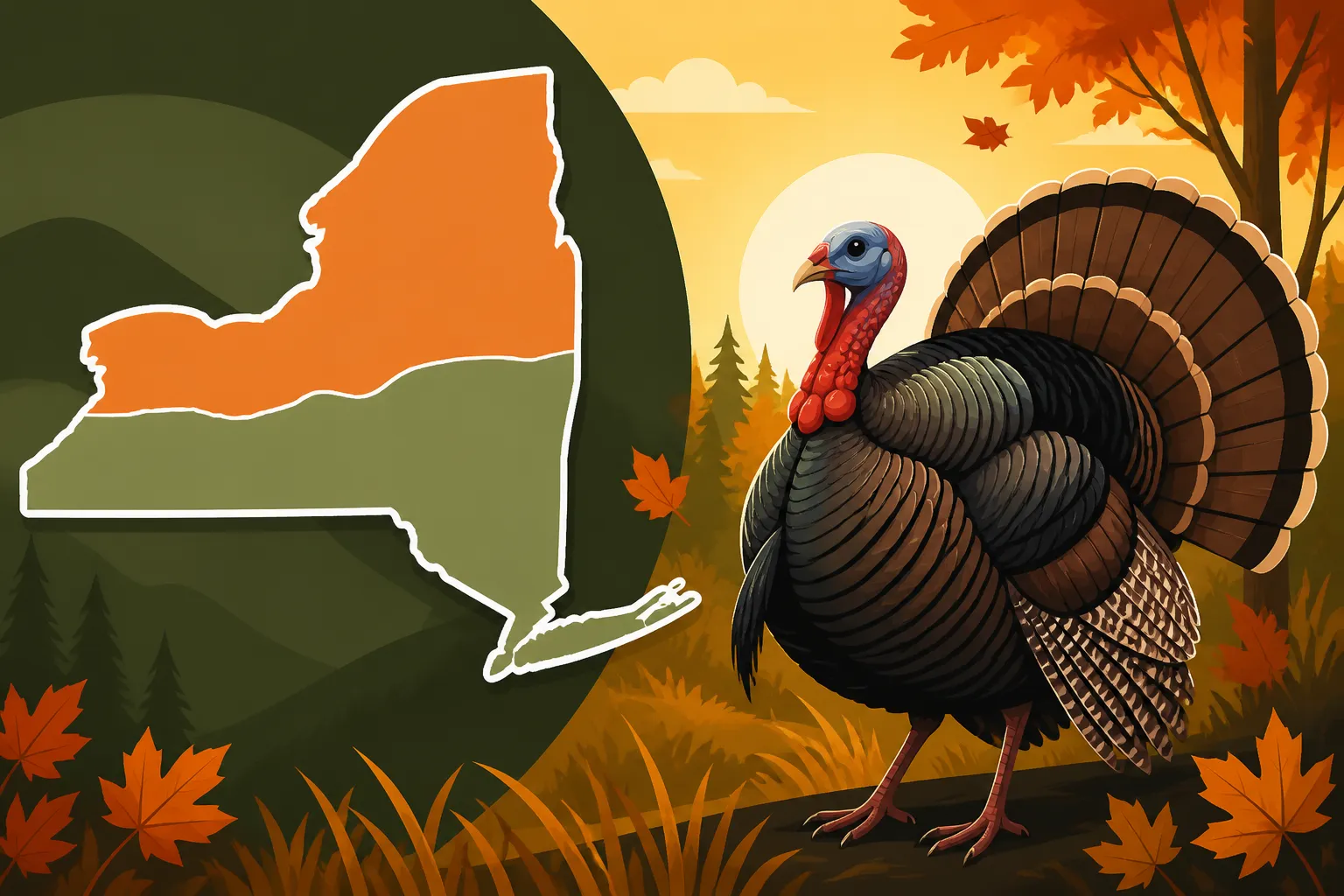
At the heart of New York's hunting regulations lies the division between the Northern Zone and the Southern Zone. This isn't just a suggestion; it's a hard-and-fast boundary that dictates everything from deer season dates to how long you can chase fall turkeys. The Northern Zone generally encompasses the vast, wild Adirondack region and its surrounding counties, characterized by extensive public lands, harsh winters, and lower human population density. Think sprawling forests, remote ponds, and challenging terrain. The Southern Zone covers the rest of the state, including the Catskills, Finger Lakes, and Western New York, which tend to have more mixed landscapes of agriculture, smaller woodlots, and higher deer densities. These differences mean that wildlife populations, including turkeys, behave and thrive differently, necessitating tailored hunting seasons. If you're wondering about other zonal differences, you might find it helpful to look into topics like New York Waterfowl Hunting by Zone to see how varied the regulations can be across the state.
General Fall Turkey Season Overview
Fall turkey hunting is a completely different ballgame from the spring pursuit of lovesick gobblers. In the spring, you're trying to call in a strutting tom eager to breed. In the fall, the focus shifts to breaking up flocks and calling individuals back together. This often means targeting hens and their poults, or even groups of young gobblers. The goals are different, the tactics are different, and consequently, the seasons are structured differently. Fall seasons are generally shorter than their spring counterparts and are designed to allow hunters to harvest some birds without impacting the breeding population too severely. The specific regulations, including bag limits and season length, vary by zone, reflecting the health and dynamics of the local turkey populations. For a broader understanding of how these birds are managed, it's worth exploring the overall context of Wild Turkeys in New York.
Pinpointing the Northern Zone Fall Turkey Season Length
Now, let's get down to the brass tacks of the Northern Zone fall turkey season. Hunters often get frustrated by conflicting information or by mistaking Southern Zone dates for Northern Zone dates, leading to missed opportunities or, worse, accidental violations.
Key Dates and Duration for the Northern Zone
The New York State Department of Environmental Conservation (DEC) sets the hunting seasons annually, and while they can shift slightly, the general pattern for the Northern Zone fall turkey season is quite consistent. Typically, the Northern Zone enjoys a fall turkey season that opens in mid-October and runs for a relatively short, concentrated period.
For example, looking at recent regulatory frameworks, the Northern Zone fall turkey season often opens around October 15th and closes around October 28th. This gives hunters a window of approximately two weeks to pursue turkeys. It’s a tight schedule, much shorter than the Southern Zone's typically longer fall season, which can sometimes extend into November or even early December in certain areas like Long Island. This shorter window in the Northern Zone reflects a combination of factors, including more severe winter conditions, which can impact turkey survival, and population goals for the region. Always double-check the current year's official DEC hunting regulations guide to confirm the exact dates, as these are subject to minor adjustments. Knowing these specific dates is crucial for planning your trips, especially if you're traveling from afar. This concise period is a core part of what defines New York's Northern Zone Fall Turkey Runs.
Factors Influencing Season Length and Changes
Why is the Northern Zone's fall turkey season shorter than the Southern Zone's, and why do the dates sometimes shift slightly year to year? The DEC makes these decisions based on a wealth of data and management objectives.
- Population Dynamics: Turkey populations in the Northern Zone, particularly in the more remote Adirondack interior, can be more susceptible to harsh winter weather, predation, and habitat limitations. A shorter hunting season helps ensure that enough birds survive the winter to maintain a healthy breeding population for the following spring. The DEC constantly monitors New York Turkey Population Trends to make informed decisions about season lengths and bag limits.
- Harvest Data: The DEC collects harvest data from hunters through mandatory reporting. If harvest numbers indicate a decline in the turkey population in the Northern Zone, they might shorten the season or reduce bag limits to allow the population to rebound. Conversely, if populations are robust, they might consider slight extensions, though this is less common in the Northern Zone's fall season. Accurate reporting after a successful hunt is vital for this data collection, as outlined in Reading a New York Harvest Report.
- Biological Considerations: The timing of the season is also influenced by biological factors, such as the dispersal of turkey poults from their brood hens and the formation of larger fall flocks. Opening the season too early might disrupt these natural behaviors or lead to targeting vulnerable, less mature birds. The mid-October timing generally aligns with when birds are well-developed and flocks are established.
- Hunter Opportunity vs. Conservation: The DEC aims to strike a balance between providing ample hunting opportunities and ensuring the long-term health of the turkey resource. In the Northern Zone, conservation often takes precedence due to the environmental challenges turkeys face there.
Hunters should always view the DEC regulations as dynamic, designed to adapt to environmental changes and population health. Tools like the GoHunt app or the DEC's official website are indispensable for staying up-to-date with any changes to New York Fall Turkey Zone Windows or other regulations.
Tactics and Considerations for Northern Zone Fall Turkeys
Hunting fall turkeys in the Northern Zone requires a different mindset and approach than spring gobbler hunting or even fall hunting in the Southern Zone. The terrain, cover, and bird behavior are all unique.
Flock Dynamics and Calling Strategies
In the fall, turkeys typically gather into larger, single-sex or mixed-sex flocks. Hens will have their poults, and young gobblers might form bachelor groups. Your primary tactic in the Northern Zone will often involve locating a flock, trying to "bust" or scatter them, and then setting up to call the separated birds back together.
- Locating Flocks: Instead of listening for distant gobblers at dawn, fall hunting is more about covering ground. Focus on areas with good mast crops (acorns, beechnuts), agricultural fields bordering woods, and areas with plentiful insects. Look for tracks, droppings, and scratchings in the leaves. Using a good mapping tool like GoHunt can help identify potential food sources and travel corridors in unfamiliar Northern Zone public lands.
- The "Bust": Once you find a flock, the goal is to rush in and scatter them in every direction. This can feel counterintuitive, but it's the most effective way to create a calling opportunity. The more scattered they are, the more anxious they'll be to regroup.
- Calling Them Back: After the bust, give it about 15-30 minutes for the birds to settle down. Then, begin calling with "kee-kee" runs (the lost poult call) or soft hen yelps. These calls mimic the sound of lost birds trying to reassemble their flock. Position yourself where you have good visibility and cover, as turkeys will often approach cautiously. Sometimes, a series of aggressive yelps can work, but the lost call is generally the most reliable. If you're struggling to locate birds, knowing when New York Gobblers Go Quiet can help you adjust your strategy.
Habitat and Food Sources During the Fall
The Northern Zone's habitat is generally characterized by extensive hardwood and conifer forests. In the fall, turkeys are driven primarily by food.
- Hardwood Ridges: Look for oak and beech ridges. Acorns and beechnuts are prime food sources in the fall, providing essential energy for turkeys to put on weight before winter. These areas will be heavily scratched up by turkeys foraging.
- Field Edges and Openings: While less prevalent than in the Southern Zone, any agricultural fields, old logging landings, or natural clearings will attract turkeys looking for insects, waste grain, and greens. Birds will often feed in these areas in the mornings and evenings before retreating to the woods. Consider learning more about Turkey Tactics for Southern Tier Field Edges for comparison, even if you are in the Northern Zone.
- Water Sources: Turkeys need water daily. Seeps, small streams, and ponds can be reliable spots, especially if combined with good food sources nearby.
- Roosting Sites: Turkeys typically roost in tall, mature trees, often evergreens, providing protection from predators and the elements. Scouting for roosts can give you a starting point for your morning hunt. Understanding Where New York Gobblers Roost is critical for planning a successful hunt.
Weather Impacts and Preparedness
Northern New York in mid-to-late October can be beautiful, but it can also turn nasty very quickly. Hunters must be prepared for variable conditions.
- Cold and Rain: Daytime temperatures can range from crisp and cool to outright cold, especially in the mornings. Rain is common, and it can significantly impact turkey activity. Birds may become less vocal and more difficult to find. Good waterproof outerwear is essential.
- Wind: Strong winds can make it hard to hear distant calls or flushes, and turkeys tend to be more wary. Focus on sheltered areas or hunt on the downwind side of ridges.
- Early Snow: While less common in mid-October, localized snow showers, especially in higher elevations or the Tug Hill Plateau, are not out of the question. Snow can actually make spotting turkeys easier against a white background, but it also means colder conditions and potentially challenging travel.
- Layering is Key: Dress in layers. Start with a moisture-wicking base layer, add insulating layers like fleece or wool, and top it with a waterproof/windproof outer shell. Gloves and a warm hat are also crucial.
Being prepared for the weather means you can stay out longer and remain comfortable, increasing your chances of success.
Essential Regulations and Reporting for Northern Zone Fall Turkey Hunting
Hunting responsibly means knowing and adhering to all the regulations. Ignorance is no excuse, and the rules are in place for a reason: to ensure a healthy turkey population and safe hunting for everyone.
Licensing and Permits Specific to Fall Turkey
Before you even think about hitting the woods, you need the proper documentation. This includes your general hunting license, which typically covers small game, and a specific turkey permit.
- Basic Hunting License: You must possess a valid New York State hunting license. This is the foundation for all other hunting privileges.
- Turkey Permit: In addition to your regular hunting license, you need a separate turkey permit to hunt wild turkeys. This permit allows you to legally harvest turkeys during the specified seasons. It's a small additional cost, but it's non-negotiable. You can learn more about New York Turkey Permit Cost to plan your hunting budget.
- Hunter Education: If you're a new hunter, remember that completing a hunter education course is a mandatory prerequisite for obtaining your first hunting license in New York. This ensures you understand safety, ethics, and regulations. Check out New York Hunter Education Requirements for details on courses.
Always carry your valid hunting license and turkey permit with you while afield. The GoHunt app, along with the official NY DEC HuntFishNY app, allows you to store digital copies, but having a physical copy or being able to access them even without cell service is always a good backup plan.
Bag Limits and Reporting Requirements
New York has specific bag limits for fall turkeys, and reporting your harvest is a critical legal requirement that helps the DEC manage the species.
- Bag Limit: For the Northern Zone fall turkey season, the bag limit is typically one bird of either sex. This means you can harvest one wild turkey, whether it's a tom, hen, or jake, during the two-week season. This differs from the spring season, which usually has a higher limit or a "bearded bird only" rule. Always consult the current year's regulations for precise bag limits, as these can occasionally change based on population assessments.
- Mandatory Reporting: This is perhaps one of the most overlooked but crucial regulations. Every harvested turkey must be reported to the DEC within seven days of the kill. This isn't optional; it's the law. The information you provide—date, location (WMU), sex, and age (adult or juvenile)—is vital for the DEC to monitor turkey populations, assess harvest rates, and make informed decisions about future seasons.
- How to Report: You can report your harvest online through the DEC's HuntFishNY portal or via phone. Ensure you have your license number and the details of your harvest readily available. Prompt and accurate reporting ensures the data is timely and useful.
- Tagging: While New York no longer requires physical tags to be affixed to the bird in the same way as deer, you are still required to fill out a harvest tag (provided with your license) and keep it with the carcass until it's processed. This helps prove legal possession if you're checked by aDEC Environmental Conservation Officer.
Understanding these critical regulations ensures you're hunting legally and contributing to the conservation efforts that keep New York's wild turkey populations healthy for generations to come.
Disclaimer
Please remember that hunting regulations, season dates, and bag limits can change. Always consult the most current official New York State Department of Environmental Conservation (DEC) hunting regulations guide before heading afield. This content is for informational purposes only and does not constitute legal advice.