Layout Blind Hunting Finger Lakes Fields
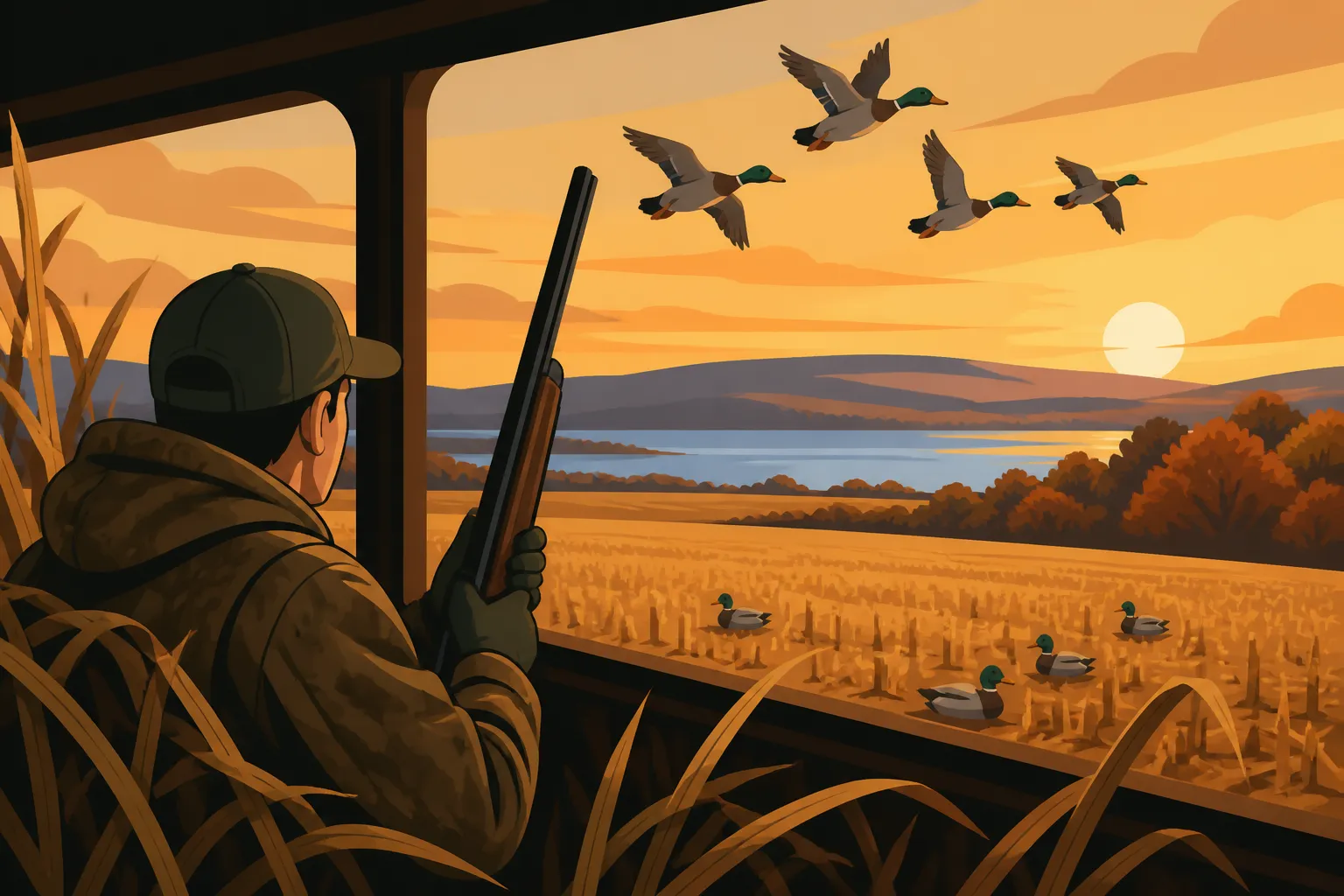
There’s nothing quite like the sight of a flock of geese cupping their wings, preparing to commit to your spread, or a group of mallards dropping in from a chilly Finger Lakes sky. But if you've ever tried to hunt these intelligent birds in the wide-open agricultural fields that dominate the region, you know the frustration of being spotted a mile away. This comprehensive guide will walk you through the art and science of layout blind hunting in New York's Finger Lakes fields, offering practical advice to transform those wary birds into successful retrieves.
Understanding the Finger Lakes Waterfowl Landscape
The Finger Lakes region of New York isn't just known for its stunning scenery and world-class wineries; it's also a crucial stopover and wintering ground for countless waterfowl, particularly Canada geese and a variety of duck species. However, successfully hunting these birds requires a deep understanding of their habits and the unique terrain.
The Draw of Finger Lakes Agriculture
The agricultural heartland of the Finger Lakes region, stretching across counties like Cayuga, Seneca, and Ontario, offers an irresistible buffet for migrating and resident waterfowl. Vast expanses of harvested corn, soybean stubble, and winter wheat fields provide readily available, high-energy food sources that are essential for birds to fuel their long migrations or simply survive the colder months. After the fall harvest, these fields become prime feeding grounds, pulling ducks and geese off larger bodies of water like Cayuga Lake, Seneca Lake, and Lake Ontario.
It’s this abundance of food that concentrates birds, creating incredible hunting opportunities. Yet, this very abundance also presents a significant challenge: the open, relatively flat landscape offers precious little natural cover for hunters. Without a solid strategy for concealment, birds will quickly identify anything out of place, flaring off long before they come into shooting range. Hunters often feel a knot of disappointment when hours of scouting and setup are undone by a glimmer of unnatural movement or an exposed silhouette.
Waterfowl Behavior in Open Fields
Waterfowl, especially mature geese, possess an uncanny ability to spot danger from remarkable distances. They are constantly scanning, not just for predators on the ground, but for any anomaly in the landscape below. When flying into a feeding field, birds typically conduct multiple passes, often circling high above, seemingly assessing the safety of the area before committing to land. This "scouting flight" is their way of ensuring the coast is clear.
During these reconnaissance passes, their keen eyesight can pick out even the smallest detail – a glint of sunlight off a gun barrel, an oddly shaped bump in the field, or the tell-tale outline of a human form. They learn quickly from hunting pressure; a field that sees consistent hunting activity will often become much harder to work, as the birds become "educated" and increasingly wary. Understanding this behavior is paramount. You need to become part of the landscape, not an object on it. This is where the strategic use of layout blinds truly shines, allowing you to disappear into the very environment the birds are seeking. You can even use resources like the New York Waterfowl on the Atlantic Flyway article to better understand general migration patterns.
Why Layout Blinds Are Essential for Field Hunting
In the open, exposed environment of Finger Lakes agricultural fields, traditional hunting setups often fall short. Waterfowl possess exceptional eyesight, and any unnatural silhouette or movement can send them veering off course. This is precisely where layout blinds prove to be an indispensable tool, offering a level of concealment and versatility unmatched by other methods.
The Art of Concealment
The primary advantage of a layout blind is its ability to make a hunter disappear into the field. Unlike pop-up ground blinds that create a vertical profile, a layout blind is designed to keep you lying prone, just inches off the ground. When properly brushed in, it mimics the natural undulations and stubble of a harvested field. The low profile means that from a bird's perspective high above, you simply blend into the textured pattern of the earth.
Modern layout blinds are crafted with specialized camouflage patterns that mimic various field conditions, from corn stubble to dry grass. More importantly, they feature stubble straps or loops that allow you to attach natural vegetation collected directly from the field you're hunting. This "brushing in" process is critical. By using local corn stalks, soybean stubble, or dried weeds, you break up any hard lines and make the blind truly disappear. This meticulous attention to blending in makes you virtually invisible, especially when birds are circling directly overhead, scrutinizing every detail. It's the difference between birds flaring at 100 yards and confidently cupping their wings for a landing zone just a few feet from your position.
Mobility and Adaptability
Waterfowl, especially geese, are creatures of habit but also opportunistic feeders. Their preferred feeding locations within a large field can change daily, sometimes hourly, influenced by wind, pressure, and the availability of remaining grain. Trying to set up a stationary blind in a fixed location can often lead to frustration if the birds decide to feed 200 yards away.
Layout blinds offer unmatched mobility and adaptability. Most models are designed to be lightweight and fold down relatively compactly, making them easy to transport in a pickup truck or even a large ATV. This portability allows hunters to scout a field in the morning, identify where birds are actively feeding, and then quickly deploy their blinds right in the "hot zone." If the birds shift their pattern later in the day, or if you get permission to hunt a different field, you can pack up and relocate with relative ease. This flexibility is particularly valuable in the Finger Lakes, where landowners might grant access to specific fields, and understanding how to effectively move with the birds' preferences can significantly increase your success rate. This adaptability also extends to reacting to changes in wind direction, which is crucial for setting up your decoy spread correctly, as discussed in the Decoy Spreads for New York Divers article, whose principles apply broadly to field hunting.
Gear and Setup for Finger Lakes Layout Blind Success
Once you understand the "why" behind layout blind hunting in the Finger Lakes, it's time to dive into the "how." The right gear and a meticulous setup are the foundation of any successful waterfowl hunt in these open agricultural landscapes. Don't skimp on these details; they make all the difference.
Choosing the Right Layout Blind and Decoys
Selecting your layout blind is more than just picking a camo pattern. Consider comfort, durability, and ease of setup. Popular brands like Avery, Avian-X, and Rogers offer a range of blinds. Look for features such as a comfortable padded backrest, ample room for your body and gear, and a sturdy frame that can withstand wind and repeated use. Some blinds offer a wider profile for larger hunters or more gear, while others prioritize a lower profile for ultimate concealment. You'll want one that's easy to get in and out of quickly when birds commit, but also one that disappears into the terrain.
When it comes to decoys, realism and quantity are key, especially for geese. Full-body decoys offer the most realistic look, creating depth and dimension in your spread, but they can be bulky and expensive. Shells and silhouettes offer a more affordable and portable option, and a mix of these can be very effective. For geese, a spread of 3-5 dozen decoys is a good starting point, but don't be afraid to go bigger if you have the resources. For ducks, a few dozen mallard, pintail, or other dabbler decoys can be sufficient, often placed in smaller, tighter clusters within the goose spread or off to the side. Platforms like GoHunt can provide useful insights into regional bird patterns and even gear reviews, helping you make informed decisions about your purchases and potential scouting.
Here’s a quick overview of common layout blind features and essential gear:
| Item | Key Feature/Consideration | Why It's Important |
|---|---|---|
| Layout Blind | Low profile, stubble straps, comfortable | Ultimate concealment in open fields, reduces silhouette |
| Goose Decoys | Full-body, shells, silhouettes | Realistic appearance, creates illusion of large feeding flock |
| Duck Decoys | Floaters, shells (for field edges) | Attracts dabblers, adds variety to spread |
| Shotgun | 12-gauge, semi-auto or pump | Reliable performance, allows quick follow-up shots |
| Non-Toxic Shot | Steel, bismuth, tungsten-alloy | Federally mandated for waterfowl, prevents lead poisoning |
| Calls | Short-reed goose call, duck call | Mimics bird sounds, essential for attracting and turning birds |
| Camouflage | Field-specific patterns, face mask/paint | Blends with surroundings, breaks up human outline |
| Waterproof Outerwear | Durable, insulated, quiet | Protection from New York's often damp, cold weather |
| Field Flags | Goose/duck flags | Visual attractant for distant birds, adds motion to spread |
| Headlamp | Red light option, long battery life | For early morning setup and late evening retrieves |
| Thermos/Snacks | Hot drinks, high-energy food | Maintains comfort and energy during long, cold sits |
Camouflage and Field Preparation
This is arguably the most critical step for layout blind hunting success. Buying a great blind is only half the battle; disappearing into the field is the real challenge. Before hunting, take the time to collect natural vegetation from the exact field you'll be hunting. This might include corn stalks, soybean stubble, cut winter wheat, or dry grasses. The goal is to make your blind look like just another piece of field debris.
Spend ample time "brushing in" your blind. Start by pushing stubble straps full of material, creating depth and shadows. Don't be afraid to overdo it – you can always remove material, but adding it under the eyes of incoming birds is tough. Pay special attention to the edges and any areas where the blind's hard lines might be visible. If the blind comes with a cover that allows for a small opening for your head, ensure that the opening is also well-concealed, perhaps with a handful of loose stubble. Beyond the blind, your personal camouflage is crucial. Wear clothing that matches the field environment, and always use a face mask or face paint. Even a pale face peeking out can be a dead giveaway. Remember, birds are looking for anything different.
Essential Field Accessories
Beyond your blind and decoys, a few other accessories can significantly enhance your comfort, safety, and success in the Finger Lakes fields. A good set of calls – a versatile short-reed goose call and a reliable duck call – is non-negotiable. Learning to use them effectively will be key. Field flags, especially goose flags, can be incredibly effective for grabbing distant birds' attention and adding dynamic movement to your spread, mimicking geese flapping their wings as they land or squabble over food.
New York's weather, especially in the Finger Lakes during waterfowl season, can be notoriously unpredictable. Durable, waterproof, and insulated clothing is a must. Think layered systems that allow you to adapt to changing temperatures and precipitation. Warm, waterproof boots are essential for traversing muddy fields and staying comfortable during long sits. A thermos full of hot coffee or cocoa can be a morale booster on a frigid morning. Finally, don't forget the practical necessities: a quality headlamp for pre-dawn setups, a sturdy gun case to protect your shotgun from mud and moisture, and plenty of non-toxic shotshells, as federal regulations require for all waterfowl hunting, which is further detailed in New York Federal Duck Stamp Requirement as part of the overall migratory bird hunting requirements. You can find more specific information on suitable hunting clothing in Clothing for a New York November, although the principles apply year-round.
Strategic Placement and Decoy Spreads
Setting up your layout blind and decoy spread isn't just about putting them out; it's about thoughtful, strategic placement that capitalizes on bird behavior, wind direction, and field topography. A well-executed setup can be the difference between birds that commit eagerly and those that shy away.
Reading the Field and Wind
Before you even think about deploying decoys, you need to scout. Spend time observing the fields in the days leading up to your hunt. Look for areas where birds are actively feeding – tell-tale signs include disturbed stubble, droppings, and residual corn or soybean kernels scattered on the ground. These "hot spots" are where the birds feel safest and are most likely to return. Utilizing mapping tools like those offered by GoHunt can also help identify potential travel corridors or less pressured areas within large agricultural tracts.
Wind direction is paramount for waterfowl hunting, particularly in open fields. Birds almost always land and take off into the wind. This means you need to set your blinds up with the wind at your back, creating a "landing zone" directly in front of you. This ensures that incoming birds face you as they approach, offering the best possible shot presentation. If the wind shifts during your hunt, be prepared to adjust your blinds and spread accordingly. Additionally, look for subtle topographical features within the field – a slight rise, a drainage ditch, or a fenceline – that might offer a natural pinch point or a slight bit of concealment. These natural contours can be great places to anchor your spread or position your blinds, as discussed in Scouting New York Public Land Before Season.
Decoy Spreads for Geese and Ducks
Your decoy spread is designed to mimic a natural flock of birds feeding contentedly, reassuring incoming birds that the area is safe. The configuration of your decoys plays a significant role in guiding birds to your desired landing zone.
For Canada geese, popular spreads include the "J-hook," "U-shape," or "X-pattern." The idea is to create an open pocket, or a "kill hole," directly downwind of your blinds, where birds will naturally want to land. Place larger, more numerous decoys (especially full bodies) on the upwind side of your spread, creating the impression of a larger flock. Mix in family groups – a few adults with smaller juvenile decoys – to enhance realism. Space decoys out naturally; feeding birds aren't usually shoulder-to-shoulder. A good rule of thumb is to place your blinds approximately 20-30 yards downwind from the edge of your main decoy spread, creating a landing zone that puts incoming birds right in optimal shooting range.
When hunting ducks in fields, you might either integrate them into your goose spread or create smaller, separate pockets. Ducks often feed in tighter clusters than geese. If you're targeting mallards, a small clump of a dozen or two decoys around a low spot that might hold some temporary water (even if it's dry, they might visually assume moisture) can be effective. Consider using a mix of species if they are prevalent in the Finger Lakes. While motion decoys like spinning wing models or flapping flags can be highly effective in some situations, heavily pressured birds, especially late in the season, can sometimes become wary of anything too artificial. Use them judiciously and observe bird reactions. Understanding the nuances of New York Goose Zones and Seasons can also inform your spread decisions based on local bird populations.
Calling, Movement, and Shot Selection
Even with the perfect setup, the hunt isn't over. Your ability to call effectively, remain absolutely still, and make ethical shots will determine your success. These are skills honed over many hunts, but understanding the basics is crucial for anyone venturing into the Finger Lakes fields.
Effective Calling Techniques
Calling is an art form, and effective calling for field waterfowl requires nuance. For geese, your goal is to mimic a contented, feeding flock. Start with soft murmurs and clucks to draw distant birds' attention. As they get closer, transition to more excited honks and double clucks to convince them to commit. However, with pressured birds in the Finger Lakes, often less is more. Sometimes, just a few soft clucks or moans are enough to finish birds that are already interested. Don't overcall; let the decoys do most of the work once birds are locked in on your spread.
For ducks, a basic mallard "hail call" can grab attention, followed by a "feed call" or "greeting call" as they approach. Again, observe the birds' reaction. If they're flaring, ease off the call. If they seem interested, give them a little more encouragement. Knowing when to call, how loud, and when to be silent is a skill that develops with experience. It's not about how loud you can blow your call; it's about sounding natural and convincing.
Staying Concealed and Mindful Movement
This cannot be stressed enough: absolute stillness is paramount. Once birds are on their final approach, even the slightest movement – turning your head, adjusting your blind, or moving a hand – can send them flaring. Hunters often spend hours meticulously brushing in their blinds only to blow the shot by fidgeting at the last second.
Manage your calls and flags from within the blind. Most layout blinds have a flagging port or a way to peek out without exposing your face. If you're going to use a flag, use controlled, natural movements that mimic a bird stretching or flapping its wings, not a frantic wave. Wait until the birds have fully committed, their wings are cupped, and they are within easy shooting range before you sit up. Coordinate with your hunting partners about when to call the shot, ensuring everyone rises simultaneously to maximize the element of surprise and safety.
Shot Selection and Safety in the Blind
When the birds commit and the call is made, it's time to rise and shoot. This action needs to be swift, smooth, and decisive. From a layout blind, you'll be transitioning from a prone position to a sitting or kneeling one to shoulder your shotgun. Practice this movement beforehand at home, so it feels natural and quick.
Focus on a single bird and aim for the head or neck for a clean, ethical kill. Don't "flock shoot"; pick one bird and track it. Wait for birds to present a clean, open shot. If they are too close, let them pass and swing on them as they move away. Shooting straight up at a bird directly overhead can be challenging, as the distance is harder to judge and angles are often awkward. Ensure you're using appropriate non-toxic shot for the species you're hunting, and confirm your gun is patterned correctly for your preferred load and choke combination. Always be aware of your hunting partners' positions, especially when multiple shooters are in adjacent blinds. Muzzle control is critical. Never swing your gun over a partner's blind. Communication is key for a safe and successful hunt, especially when hunting New York Waterfowl Hunting by Zone where regulations can vary.
Adapting to Conditions and Local Regulations
Hunting in the Finger Lakes means dealing with diverse weather and understanding a specific set of rules. Being prepared for both will greatly enhance your experience and keep you on the right side of the law.
Weather Considerations
New York's waterfowl season often spans a wide range of weather conditions, from crisp, sunny early fall days to frigid, snowy late-season hunts. Each condition presents unique challenges and opportunities. Fog can be a waterfowl hunter's best friend, often allowing birds to get in close before they see the spread, making for some incredibly exciting and fast-paced action. Rain and light snow can also work in your favor, as birds might fly lower and be less wary. However, heavy rain or snow can make visibility poor for both birds and hunters, potentially reducing bird movement and making hunting more difficult.
On bright, sunny days, concealment becomes even more critical, as shadows are harsher and any unnatural glint or movement is more obvious. Positioning your blinds to minimize direct sunlight exposure on your face or gear can help. Extreme cold, common in late-season Finger Lakes hunts, demands proper layering and insulation to stay comfortable and focused. Always dress for the coldest possible conditions, with extra layers. Even if it seems like a mild morning, the wind whipping across an open field can drop the effective temperature significantly. For more advice on layering, refer to Clothing for a New York November.
Navigating New York's Waterfowl Regulations
Navigating New York's waterfowl regulations can feel like a maze, but it's essential for legal and ethical hunting. The Finger Lakes region typically falls within the Western Zone or Central Zone for ducks, and the Atlantic Flyway Canada Goose Zone for geese. These zones have distinct opening and closing dates, as well as varying bag limits for different species. It's crucial to consult the most current New York State DEC waterfowl hunting guide annually to confirm these dates and limits for your specific hunting location.
Beyond the seasons and bag limits, remember that federal regulations require the use of non-toxic shot for all waterfowl hunting. You'll also need a valid New York State hunting license, a New York State Migratory Bird Harvest Information Program (HIP) registration, and a Federal Duck Stamp. The HIP certification is free and can be obtained when you purchase your license. Some areas may have additional local restrictions, so always check for posted signage or consult with local DEC offices. Information from platforms like GoHunt can often help cross-reference these regulations and ensure you're compliant, allowing you to focus on the hunt itself. The article New York Waterfowl Zones and Seasons provides an excellent overview of the specific zones and their implications, while New York Migratory Bird Certification details the HIP program.
Disclaimer
Always consult the official New York State Department of Environmental Conservation (DEC) hunting regulations before heading afield. Hunting laws and seasons can change, and it is the hunter's responsibility to be aware of and comply with all current regulations.