New York Goose Zones and Seasons
For many hunters, the complexities of New York's goose zones and seasons feel like trying to read a tide chart during a hurricane – utterly confusing and prone to misinterpretation. With different dates, bag limits, and even species-specific rules changing by region, it's easy to get lost in the details. This guide aims to clear up the confusion, providing a detailed breakdown of everything you need to know to pursue geese successfully across the Empire State.
Understanding New York's Goose Hunting Zones
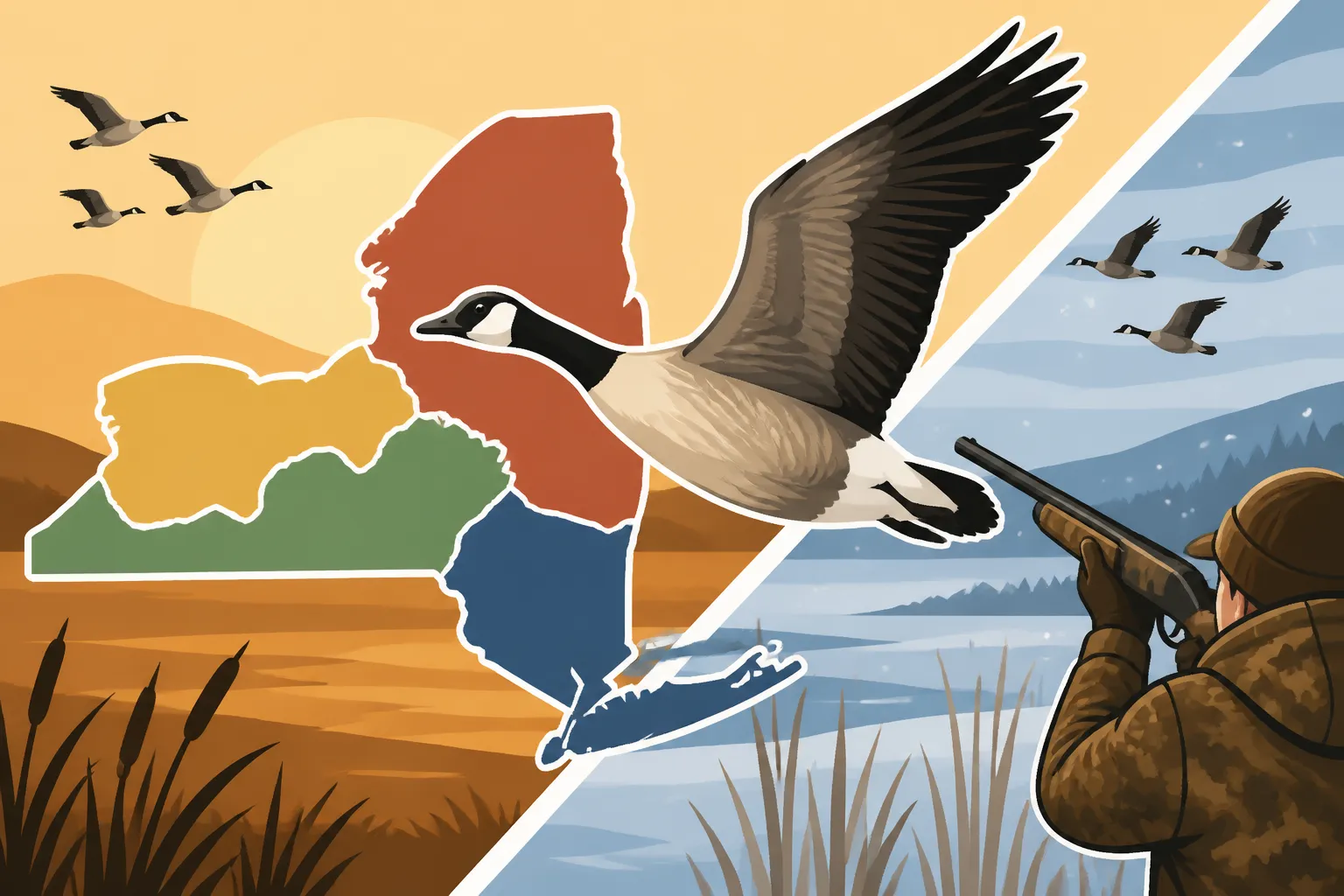
New York State is divided into several waterfowl hunting zones, each with its own specific regulations and season dates for geese. These zones are designed to manage migratory bird populations effectively, taking into account flyways, habitat, and local goose populations. Missing the nuances of these zones can lead to a ruined hunt or, worse, a violation, so truly understanding where you are is the first step to a successful goose season.
The Lake Champlain Zone and Its Unique Rules
The Lake Champlain Zone is a fascinating area because its migratory bird seasons, including those for geese, are set in cooperation with the Vermont Fish & Wildlife Department. This interstate agreement means that hunters need to be particularly aware of the unique calendar that applies here. This zone encompasses the New York portion of Lake Champlain and extends inland to specific boundaries, often following major highways or natural features. Its proximity to Lake Champlain itself means a strong influence of large bodies of water on goose behavior, attracting migratory birds during spring and fall.
Hunting in the Lake Champlain Zone often involves a mix of large open water, marsh edges, and surrounding agricultural fields. The Canada geese here might be passing through on their way further south or staging on the vast lake before continuing their journey. Hunters often contend with challenging weather conditions, especially later in the season, and boat access can be crucial for reaching prime spots. Understanding the specific boundary lines for the Lake Champlain Zone is absolutely critical, as a step outside can put you into a different set of regulations instantly. For a deeper dive into the unique challenges and opportunities in this region, explore Hunting the Lake Champlain Marshes.
Western and Central Zones: Farm Fields and Waterways
Moving west from the Lake Champlain basin and across the central part of the state, you'll encounter the Western and Central Zones. These areas are characterized by extensive agricultural landscapes, intertwining river systems like the Genesee and Mohawk, and numerous smaller lakes and ponds. This combination provides ideal habitat for both resident Canada geese and migratory flocks. Hunters in these zones often focus on scouting cut cornfields, wheat fields, or winter rye, where geese will feed voraciously. Large rivers and reservoirs also act as crucial roosting and loafing areas.
The geese in these zones are often a mix of local birds that breed and spend their entire lives in New York, as well as northern migrants that push down from Canada as the weather turns colder. This creates varied hunting opportunities, from early season field hunts targeting local flocks to late-season pursuits of larger, warier migratory groups. Many hunters rely on large decoy spreads and calling to bring birds into range, often employing layout blinds on wide-open fields. If you're considering field hunting in these areas, you might find the tactics discussed in Layout Blind Hunting Finger Lakes Fields particularly useful for setting up effectively.
Long Island Zone: Coastal Waters and Resident Birds
The Long Island Zone stands apart from the rest of the state due to its coastal environment and a significant population of resident Canada geese. While migratory birds do pass through, the focus for many hunters here is on the robust local goose population. The landscape is a blend of salt marshes, bays, estuaries, and pockets of agricultural land, all interspersed with suburban development. This creates unique challenges and opportunities, as geese often adapt to human presence and can be incredibly smart.
Hunting strategies on Long Island often involve marsh blinds, boat blinds in the bays, or carefully placed field setups where geese are known to feed. The pressure can be high in some areas, making meticulous scouting and creative approaches vital. The season dates here also tend to be structured around managing these abundant resident birds, often with an extended season or unique bag limits compared to other parts of the state. For those targeting geese in this distinctive environment, learning more about Canada Geese on Long Island can offer valuable insights.
Early Goose Seasons: Statewide Opportunities
One of the most anticipated periods for goose hunters across New York is the special Resident Population Early September Canada Goose Season. This season is designed specifically to help manage the growing population of non-migratory, resident Canada geese that have become well-established throughout the state. These birds often nest in New York and contribute to agricultural damage and nuisance issues in urban and suburban areas.
This early season typically runs during the first few weeks of September, before many other waterfowl seasons open, and often features very generous bag limits. It's an excellent opportunity to get out in the field when the weather is still pleasant and to target birds that haven't yet been heavily pressured. Hunters usually focus on farm fields, golf courses (where permission is granted), and local ponds or small lakes where these resident geese are known to feed and loaf. The tactics for these early hunts can be a bit different, as these birds might be less wary than their migratory cousins. For tactical advice, check out Early Goose Season Tactics in New York.
Specific Seasons for Each Goose Zone
The devil, as they say, is in the details, and nowhere is that more true than with specific goose season dates in New York. These dates are meticulously planned by the New York State Department of Environmental Conservation (DEC) and the U.S. Fish and Wildlife Service, balancing harvest opportunities with conservation needs. It’s not just about Canada geese either; other species like snow geese and brant have their own distinct calendars.
Resident Population Early September Canada Goose Season
As mentioned, this early season is a hunter's first shot at geese each year and is primarily focused on controlling the robust resident Canada goose population. While the exact dates can vary slightly year to year, it generally kicks off around September 1st and runs for about three weeks. This season typically has a statewide application, though some local restrictions or exceptions might apply, so always double-check the current year's hunting guide.
The primary advantage of this season is the liberal bag limit, often set at 8 or even 15 Canada geese per day, depending on the zone. This allows hunters to make a significant impact on local populations while enjoying some fantastic, often less-pressured hunting. It's a fantastic time to introduce new hunters to the sport, given the generally milder weather and the higher likelihood of success. For a comprehensive look at the rationale and rules behind this period, consult New York Resident Population Goose Zone Rules.
Regular Canada Goose Seasons by Zone
After the early resident goose season concludes, the regular Canada goose seasons kick in, varying significantly by zone. These seasons are primarily structured around the arrival and movement of migratory Canada geese.
- Northern Zone: This zone typically has a shorter, more consolidated season, reflecting the colder temperatures and earlier migration patterns in the Adirondack region. Geese move through here earlier, and winter conditions set in quickly.
- Western Zone & Central Zone: These zones often have split seasons, with an earlier segment in October and November, followed by a closure, and then a late-season re-opener in December or January. This split accommodates early migrants, allows for a period of less pressure, and then targets late-season birds pushed south by severe weather.
- Lake Champlain Zone: As part of the interstate agreement, the Lake Champlain Zone’s regular season dates will closely mirror those of Vermont, often providing unique windows that differ from other New York zones.
- Long Island Zone: The Long Island Zone usually has its own distinct season structure, sometimes featuring a longer overall period due to the large resident population, potentially with varying bag limits throughout.
It's absolutely vital to consult the official NYS DEC hunting regulations guide each year for the precise opening and closing dates for each segment within your chosen zone. The dates can shift, and being off by even a day can result in a violation.
Snow Goose, Brant, and Other Migratory Waterfowl Seasons
While Canada geese are the primary target for many New York hunters, the state also offers opportunities to pursue other goose species.
- Snow Geese: These beautiful white birds, often seen in massive flocks, have seasons that typically occur later in the fall and winter, often extending into late January or February in specific zones. Snow goose seasons generally have incredibly liberal bag limits (often 25 per day) due to their abundant population. Hunting snow geese can be a totally different ballgame than Canadas, requiring massive spreads of decoys and different calling techniques.
- Brant: Brant are smaller, dark-bellied geese that primarily inhabit coastal saltwater environments. Their seasons are usually very short and specific to the Long Island Zone, reflecting their specialized habitat and migratory patterns along the Atlantic Flyway. Bag limits for brant are typically much lower than for Canada or snow geese.
- Other Geese: While less common targets, species like Greater White-fronted Geese might occasionally be encountered and are typically covered under the general Canada goose season rules, though always verify the latest regulations.
Each of these species presents a unique hunting challenge and requires specific knowledge of their habitat, behavior, and, most importantly, the exact season dates and bag limits applicable to them. Staying informed is your best defense against inadvertently breaking a rule.
Key Regulations and Bag Limits for Geese
Hunting geese in New York isn't just about knowing when to go; it's equally about knowing how to go legally. The regulations around bag limits, shooting hours, and methods of take are strictly enforced and exist to ensure sustainable populations and fair chase. These aren't just arbitrary rules; they're designed to protect the resource for future generations of hunters.
Daily Bag Limits and Possession Limits
Understanding the difference between daily bag limits and possession limits is crucial. The daily bag limit is the maximum number of a particular species of goose you can legally harvest in one day. The possession limit refers to the maximum number of unprocessed geese you can have in your possession, either at home, in camp, or while traveling, which is often three times the daily bag limit.
Let's break down typical limits for Canada geese, snow geese, and brant, though these can change annually and by zone:
- Canada Geese: During the Early September Resident Population season, daily bag limits can be as high as 8 or 15 birds in specific zones. During the regular seasons, this often drops significantly, typically to 3 or 5 per day, depending on the zone and season segment.
- Snow Geese: These birds almost always have a very generous daily bag limit, often 25 birds, with no possession limit in place during special conservation order seasons, reflecting their high population numbers and the management goal of reducing their numbers.
- Brant: Given their more restricted population and habitat, brant generally have a much smaller daily bag limit, often 1 or 2 birds.
It’s vital to confirm these numbers directly from the current year's official NYS DEC hunting guide, as they are subject to change. A simple error here can have serious consequences. For instance, knowing the current New York Canada Goose Bag Limit is essential before heading afield.
Shooting Hours and Methods of Take
New York migratory bird hunting, including for geese, adheres to specific legal shooting hours: one-half hour before sunrise to sunset. This hard-and-fast rule is critical; shooting outside these hours is a serious offense. Always carry a reliable light source and check sunrise/sunset times for your specific location each day you hunt. Most modern mapping apps, like the GoHunt app or the HuntFishNY app, can provide these times accurately.
Methods of take are also heavily regulated for waterfowl. Some key points to remember:
- Nontoxic Shot: For all waterfowl hunting, including geese, federal law mandates the use of nontoxic shot (e.g., steel, bismuth, tungsten-alloy). Lead shot is strictly prohibited. This is a non-negotiable rule designed to protect waterfowl from lead poisoning.
- Unplugged Shotguns: Shotguns used for migratory bird hunting must be "plugged" or otherwise restricted so they cannot hold more than three shells (one in the chamber, two in the magazine).
- Baiting: Hunting waterfowl over a baited area (an area where feed, salt, or other attractants have been placed) is strictly illegal. This rule is designed to prevent unfair advantage and ensure fair chase.
- Motorized Vehicles: You generally cannot shoot waterfowl from a motorized vehicle or boat unless the motor is completely shut off and the boat's forward motion has ceased.
- Electronic Calls: While often legal for some game species, electronic calls are generally not permitted for waterfowl hunting in New York, with the exception of special Conservation Order seasons for Snow Geese.
Always familiarize yourself with the full list of prohibitions and legal methods of take found in the official regulations.
Federal and State Migratory Bird Requirements
Beyond your standard New York State hunting license, there are a few additional requirements specifically for migratory bird hunters. Failing to meet these can invalidate your hunt, regardless of how many licenses you possess.
- New York State Migratory Bird Stamp: This is a state-level requirement for anyone 16 years of age or older hunting migratory game birds in New York. It's an important source of funding for waterfowl habitat conservation efforts within the state.
- Federal Duck Stamp: Often referred to as the "Federal Migratory Bird Hunting and Conservation Stamp," this is a federal requirement for all waterfowl hunters 16 years of age or older. The revenue from Federal Duck Stamp sales goes directly to the Migratory Bird Conservation Fund, supporting the acquisition of critical wetland habitat. You must sign your Federal Duck Stamp across the face. Don't forget to check out the details on the New York Federal Duck Stamp Requirement.
- Harvest Information Program (HIP) Certification: This is another federal requirement. All migratory bird hunters (including those hunting geese, ducks, woodcock, snipe, coots, and rails) must register annually with the HIP. It's usually a quick process when you purchase your hunting license, answering a few simple questions about your previous year's hunting activity. This data helps wildlife agencies estimate harvest levels and manage populations. For more information, refer to the New York HIP Certification for Bird Hunters.
These additional stamps and certifications are not just formalities; they are critical components of waterfowl management and conservation funding. Make sure all your paperwork is in order before you head afield.
Essential Gear and Tactics for New York Goose Hunting
Having the right gear and employing effective tactics can make all the difference between a frustrating day and a successful goose hunt in New York. Geese, particularly Canada geese, are incredibly intelligent birds with keen eyesight and excellent memory, making consistent success a constant challenge that requires adaptation and preparation.
Decoy Spreads and Blind Setups
Decoys are the cornerstone of most goose hunting efforts. The type, number, and arrangement of your decoys can dramatically influence whether birds commit to your spread or flare off at a distance.
- Types of Decoys: You'll typically encounter full-body decoys, silhouette decoys, and shell decoys. Full-bodies are the most realistic but are bulky and expensive. Silhouettes are highly portable and effective in numbers. Shells offer a good compromise. For snow geese, often hundreds, if not thousands, of white rags or Sillosocks are deployed to mimic a massive feeding flock.
- Decoy Spreads for Canada Geese: A common tactic for Canada geese is to mimic a small family group feeding peacefully in a field, with a "landing zone" or "kill hole" left open for incoming birds. Spreads can range from a dozen decoys for small, local flocks to several dozen for migratory birds. Consider grouping decoys in family clusters of 3-5, with a few "sentries" standing upright.
- Decoy Spreads for Snow Geese: Snow goose hunting often demands sheer numbers. Hunters might deploy hundreds or even thousands of decoys, creating a vast "whiteout" effect to attract distant flocks. Electronic calls are often used in conjunction with these massive spreads during special conservation order seasons.
- Blind Setups: For field hunting, layout blinds are incredibly popular, allowing hunters to lie prone and remain concealed in open fields. Panel blinds or A-frame blinds can be effective along field edges, tree lines, or in marshes. In situations with sparse cover, natural blinds brushed in with local vegetation can be surprisingly effective. Always ensure your blind blends seamlessly with the surroundings. Remember, if you're hunting ducks or geese, you might even consider the Decoy Spreads for New York Divers, adapting some of those principles for geese.
Calling Strategies for Different Goose Species
Goose calling is an art form, but with practice, anyone can learn to effectively communicate with geese. Different species, and even different hunting scenarios, call for different vocalizations.
- Canada Goose Calling: The "honk" is iconic, but a full repertoire includes clucks, moans, growls, and comeback calls. Start with a series of quiet clucks and moans to mimic contented feeding birds. As birds approach, use more aggressive honks and multiple calls to create urgency and draw them in. A common mistake is over-calling; often, less is more, especially when birds are working your spread. Quality calls from brands like Zink Calls or RNT Calls can make a significant difference in sound.
- Snow Goose Calling: Snow geese are notoriously vocal, and their calling is a cacophony of high-pitched barks and yelps. Mimicking this requires different types of calls, often high-pitched specklebelly calls or specialized snow goose calls. As mentioned, during conservation order seasons, electronic calls are often used to replicate the sound of a massive feeding flock, which is nearly impossible to do manually.
- Brant Calling: Brant have a distinctly different call, a low, guttural "crr-onk" or "r-r-onk." Their calling is less frequent than Canada geese, and dedicated brant calls are necessary if you intend to pursue them. Understanding their unique vocalizations is key to attracting these coastal specialists.
Regardless of the species, listen to the birds. They will tell you what they want to hear. Adjust your calling intensity and frequency based on their reactions.
Appropriate Shotguns and Ammunition
Choosing the right shotgun and ammunition is critical for clean, ethical kills and for complying with New York's specific regulations.
- Shotgun Gauge: The 12-gauge shotgun is overwhelmingly popular for goose hunting due to its versatility and ability to handle heavier loads. However, 10-gauge shotguns are also used, particularly for long-range shots on large geese. Many hunters also successfully use 20-gauge shotguns, especially for closer shots or when lighter recoil is desired.
- Choke Selection: A modified or improved modified choke is a good all-around choice for goose hunting, offering a balance of pattern density and spread at typical shooting ranges. For very distant birds or late-season wary geese, a full or extra-full choke might be considered, but practice with your chosen setup is essential to ensure a dense, even pattern.
- Nontoxic Ammunition: As previously stressed, only nontoxic shot is permitted for waterfowl hunting. Steel shot is the most common and affordable option, but bismuth, tungsten-iron, and other heavier-than-lead alternatives offer better energy retention and denser patterns, often at a higher cost. For geese, shot sizes like BB, BBB, or T-shot in steel, or #2 or #1 in bismuth/tungsten, are common. Choose a shell with enough payload and velocity to effectively bring down a large goose. Testing different loads and chokes to pattern your shotgun before the season is highly recommended.
Beyond the shotgun, a good pair of waders (especially for marsh or shallow water hunting, as detailed in Waders for New York Marsh Hunting), warm, waterproof clothing, and a durable blind bag are all essential components of a successful goose hunting setup. Always be prepared for varying weather conditions; New York weather can change on a dime, particularly during fall and winter.
Navigating Licensing and Reporting for Goose Hunters
Even after you've mastered the zones, seasons, and tactics, there's still the administrative side of hunting to contend with. Licensing and reporting requirements might seem like tedious paperwork, but they are vital for effective wildlife management and are mandatory for legal hunting in New York. Ignoring these steps can lead to hefty fines and loss of hunting privileges.
Required Licenses and Stamps
Before you even think about stepping into a field or marsh, you need to ensure all your necessary licenses and stamps are in order. This isn't just a suggestion; it's the law.
- New York State Hunting License: This is your foundational license. You'll need a current, valid New York State hunting license. For migratory bird hunting, a "Small Game" or "Annual Hunting" license will generally suffice. If you're also planning to hunt deer or bear, you'd need the "Annual Big Game" license or combination licenses.
- New York State Migratory Bird Stamp: This stamp is required for anyone 16 years or older hunting migratory game birds in New York. It's an endorsement added to your hunting license and helps fund state conservation efforts.
- Federal Migratory Bird Hunting and Conservation Stamp (Federal Duck Stamp): As discussed earlier, this federal stamp is mandatory for hunters aged 16 and older. It contributes significantly to national wetland and waterfowl habitat conservation. Remember to sign it across the face!
- HIP Certification: While not a physical stamp, your annual Harvest Information Program (HIP) registration is linked to your license when purchased. This certifies that you've provided the necessary information for migratory bird harvest surveys.
These can typically all be purchased online through the NYS DEC's licensing system, at a DEC license issuing agent, or by phone. It's smart to purchase them well in advance of your hunt to avoid any last-minute issues. Make sure you carry proof of these licenses and stamps with you while hunting, whether it's the physical document or on your mobile device via the official New York hunting app.
Harvest Information Program (HIP) Certification
The Harvest Information Program (HIP) is a nationwide program designed to collect harvest data on migratory birds. When you get your HIP certification (which is free and part of your license purchase process), you'll be asked a few brief questions about your migratory bird hunting success from the previous season. This data, while aggregated and anonymous, is critical for wildlife managers.
Why is it so important? Because it helps the U.S. Fish and Wildlife Service, along with state agencies like the NYS DEC, track hunter participation and estimate harvest levels for various migratory game bird species. This information is then used to set annual hunting seasons and bag limits, ensuring that populations remain healthy and sustainable for future generations. It’s a small step that makes a huge difference in conservation. So, even if you just plan to hunt crows, you'll still need this certification! You can find more specific details on the New York HIP Certification for Bird Hunters page.
Using the HuntFishNY App for Regulations and Reporting
In today's digital age, technology can be a hunter's best friend. The New York State DEC offers the HuntFishNY mobile app, a fantastic resource that can simplify much of the licensing and reporting process. This app is more than just a convenience; it's a vital tool for compliance and staying up-to-date.
- Access Licenses and Permits: You can display your licenses, permits, and stamps directly on your smartphone, eliminating the need to carry physical paper copies. This is incredibly handy when you're deep in the marsh or a secluded field.
- Access Regulations: The app provides easy access to current hunting and trapping regulations. This means you can quickly look up season dates, bag limits, and other rules specific to your location, even without cell service if you've downloaded the regulations beforehand. This feature is particularly useful when zones and dates are complex, as they are for New York Waterfowl Zones and Seasons.
- Reporting Harvests: While deer and bear require immediate reporting, migratory bird reporting is primarily handled through the HIP survey. However, the app still streamlines access to official information and resources.
- Mapping Tools: While not a full-fledged land ownership mapping tool like some commercial apps, HuntFishNY does offer mapping features to help you identify public lands and navigate. Many hunters, however, supplement this with more advanced mapping platforms like GoHunt, which can provide detailed property boundaries and topographic information, immensely aiding scouting efforts. Using apps like GoHunt or the official state app for scouting, as highlighted in Scouting With the New York HuntFishNY App, can give you a significant advantage.
Embrace these digital tools. They are designed to make your hunting experience smoother and help you stay on the right side of the law, ensuring that your focus remains on the thrill of the hunt.
Goose Hunting Zones and Seasons at a Glance
To help you keep track of the key differences, here's a simplified overview of New York's primary goose zones and their general season characteristics. Always remember to consult the official DEC regulations guide for the most current and precise dates and bag limits before heading out.
| Goose Hunting Zone | Primary Geographic Area | General Season Structure | Typical Early Season Bag Limit (Canada Geese) | Typical Regular Season Bag Limit (Canada Geese) | Other Notable Species/Rules |
|---|---|---|---|---|---|
| Northern Zone | Adirondacks, St. Lawrence Valley | Shorter, consolidated fall season | 8 | 3-5 | Earlier freeze-up, heavy migratory traffic in fall |
| Western Zone | Great Lakes Plain, Western NY farmland | Split season: early fall segment, late winter segment | 8 | 3-5 | Abundant farm field hunting, many local birds |
| Central Zone | Finger Lakes, Central NY farmland, Mohawk Valley | Split season: early fall segment, late winter segment | 8 | 3-5 | Strong mix of resident and migratory geese |
| Lake Champlain Zone | NY waters of Lake Champlain & surrounding shorelines | Season dates set in cooperation with Vermont | 8 | 3-5 | Unique dates, often tied to large water bodies |
| Long Island Zone | Suffolk County, Nassau County | Often extended season due to high resident population | 8 | 3-5 (can vary by segment) | Significant resident goose population, brant seasons |
| Early Sep. (Statewide) | Entire state | Early September; before main migratory seasons start | 8-15 (zone dependent) | N/A (specific to this early period) | Focus on resident geese, generous bag limits |
Note: Snow Goose seasons typically run later in the fall/winter with very liberal bag limits (e.g., 25 birds) in most zones. Brant seasons are usually short and specific to coastal areas like the Long Island Zone with low bag limits.
Disclaimer
The information provided in this guide is for general informational purposes only and is not a substitute for the official New York State Department of Environmental Conservation (DEC) hunting regulations. Season dates, bag limits, and specific rules are subject to change annually. Hunters are solely responsible for reviewing and adhering to the current official New York State hunting regulations guide before participating in any hunting activity.