New York Waterfowl Hunting by Zone
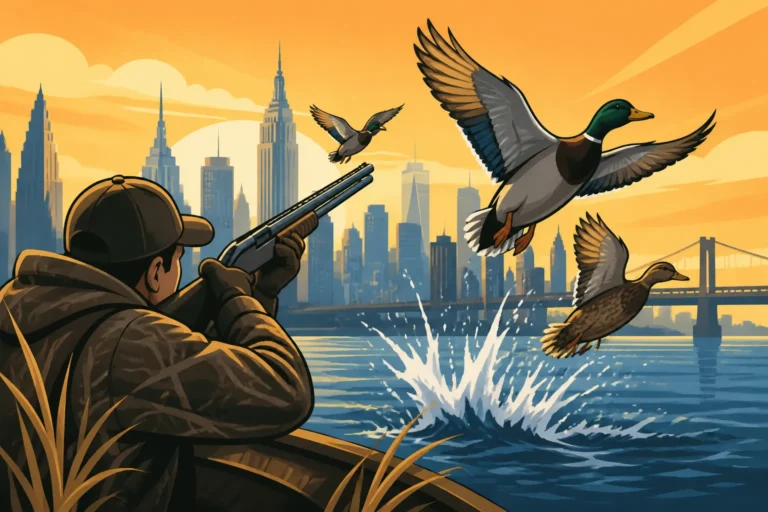
Navigating New York’s diverse waterfowl hunting landscape can feel like trying to solve a complex puzzle, with different zones, season dates, and bag limits that shift from one region to the next. Many hunters, even seasoned ones, find themselves scratching their heads when planning a trip, unsure which rules apply where or what species to target in a particular area. This comprehensive guide is designed to cut through that confusion, breaking down New York’s distinct waterfowl hunting zones, the specific challenges and opportunities each presents, and the strategies you'll need to put more ducks and geese in your freezer.
Understanding New York's Waterfowl Zones: Why Zoning Matters
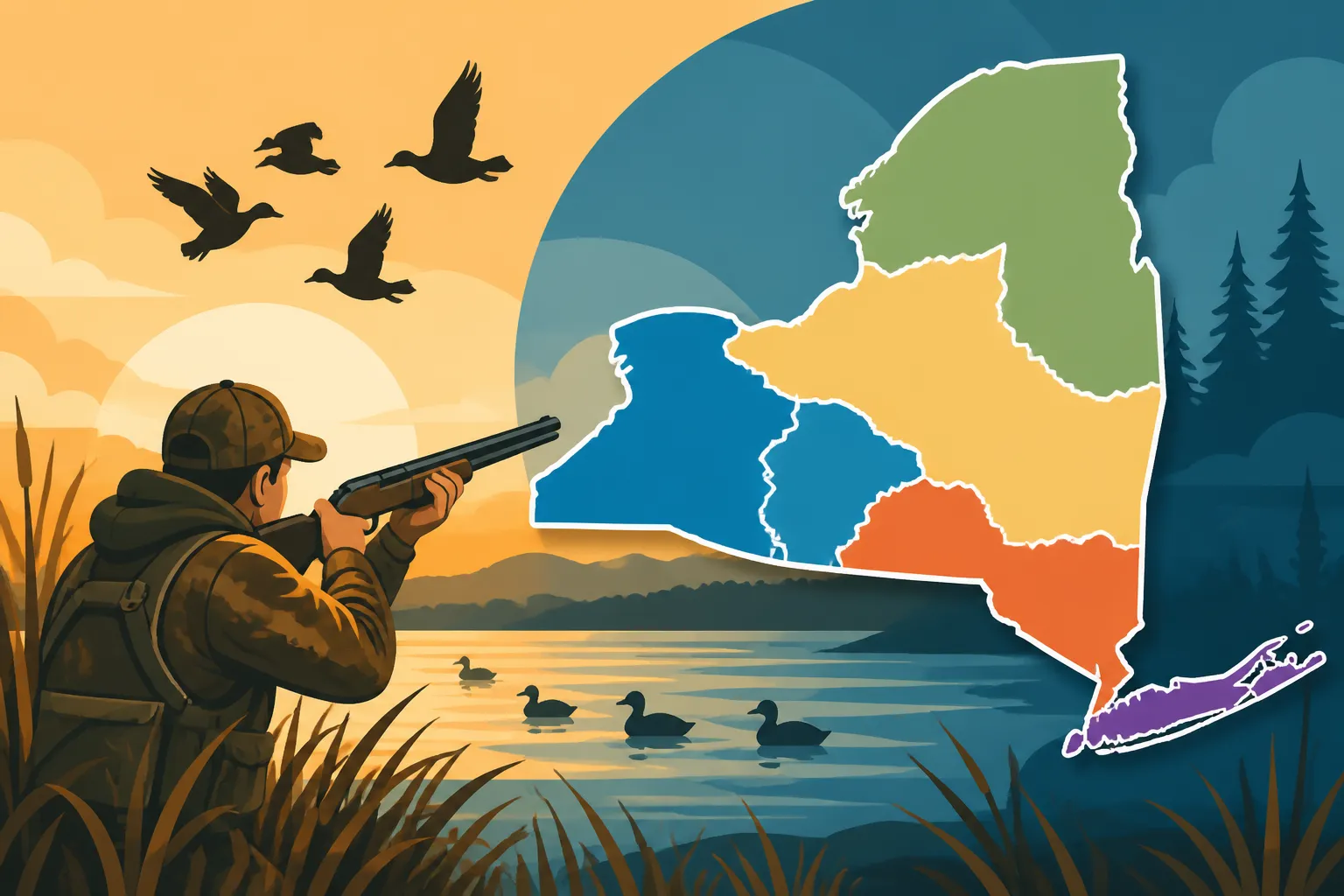
New York State is a haven for waterfowl, situated squarely within the Atlantic Flyway. However, its vast geographical diversity, from coastal estuaries to Great Lakes shorelines and remote Adirondack ponds, means that waterfowl populations, migration patterns, and hunting pressures vary dramatically. To manage these differences effectively, the New York State Department of Environmental Conservation (DEC), in conjunction with federal guidelines, divides the state into several distinct waterfowl hunting zones. These zones are far more than just lines on a map; they dictate everything from season opening and closing dates to species-specific bag limits and shooting hours.
The Logic Behind Zone Boundaries
The primary reason for New York's waterfowl zoning system is ecological. Different parts of the state host different types of waterfowl habitat and experience unique migration timing. For instance, the timing of the fall freeze-up in the Northern Zone is vastly different from the open water conditions on Long Island's coastal bays, which rarely freeze solid. Similarly, the species composition changes – you'll find different concentrations of diver ducks on the Great Lakes compared to puddle ducks in a small inland marsh.
The DEC analyzes long-term data on migration patterns, breeding success, local bird populations, and hunter harvest rates for each region. This scientific approach allows them to set seasons that maximize hunting opportunities while ensuring the sustainability of waterfowl populations. Imagine if the state had one universal season; it would either open too late for northern birds that have already pushed south or close too early for southern birds still staging. These zones are an attempt to create a "best fit" for waterfowl and hunters alike within their specific ecological contexts.
Key Differences: Seasons, Bag Limits, and Species-Specific Rules
The most immediate impact of these zones on hunters is the variation in season dates. You might find the goose season open in the Western Zone while it's still closed on Long Island, or the duck season might run later in one zone than another. These differences are critical for planning your hunts, especially if you intend to travel across zones. Always double-check the current year's regulations because dates can shift slightly from year to year based on federal frameworks and state proposals.
Beyond season timing, bag limits can also differ for certain species, particularly for resident Canada geese or specific duck species that might have localized population concerns. For example, some zones might have a more restrictive daily limit on certain dabbling ducks if local populations are struggling. Furthermore, there might be specific rules regarding legal shooting hours in certain zones, or even unique requirements for hunting in particular bodies of water, such as restrictions on boat motor size or decoy numbers. This granular approach, while sometimes frustrating to keep track of, is designed to provide maximum flexibility and opportunity for hunters while safeguarding the resource. It’s definitely worth keeping an eye on the official DEC regulations each season to ensure you’re always up-to-date.
Hunting the Lake Champlain Zone: Shared Waters, Unique Rules
The Lake Champlain Zone is a distinctive waterfowl hunting area, primarily because it's managed in conjunction with neighboring Vermont. This shared management reflects the fact that Lake Champlain itself is a massive, interstate waterway, and birds don't recognize state lines. Hunters in this zone often find themselves dealing with regulations that are influenced by decisions made collaboratively between New York and Vermont, leading to some unique aspects not seen elsewhere in the state.
Lake Champlain's Unique Regulations
What makes the Lake Champlain Zone truly stand out are its jointly established season dates. Unlike other New York zones where the DEC has sole authority (within federal guidelines), the duck and goose seasons here are set in agreement with Vermont. This means if you're planning to hunt the Lake Champlain marshes, you need to be especially diligent in checking the specific rules. While the overall federal framework for migratory bird hunting still applies, the actual opening and closing dates for ducks and geese can be unique to this zone, often aligning closely with Vermont's seasons to ensure consistency across the shared water body.
This collaborative management aims to optimize hunting opportunities for both states while protecting the migratory populations that utilize Lake Champlain. It also means that a hunter accustomed to the Southern Zone or Western Zone might find the season structure slightly different here. For instance, the goose season might run a continuous stretch or have specific split dates that don't perfectly mirror other New York zones. Always consult both the New York DEC's migratory bird regulations and, if possible, Vermont's guidelines for the most complete picture, as well as considering tools like GoHunt to cross-reference regulations.
Prime Hunting Locations and Species
Lake Champlain and its surrounding wetlands offer fantastic waterfowl hunting, particularly for diving ducks and various goose species. The sheer size of the lake, coupled with its numerous bays, points, and marshy inlets, provides ample habitat. You'll often find good numbers of Greater and Lesser Scaup, Ring-necked Ducks, and Common Goldeneyes. Puddle ducks like Mallards and Black Ducks also frequent the shallower bays and feeder creeks, especially during early season before the lake begins to ice over in earnest.
For goose hunting, the agricultural fields bordering the lake and its tributaries can be prime locations for Canada geese, particularly during the early resident goose season. Later in the season, large flocks of migratory geese stage on the lake before continuing their journey south. Popular areas often include protected bays like Missisquoi Bay on the northern end (though parts are in Vermont, the overall ecological system influences birds on the New York side) and the extensive marsh systems along the lower sections of rivers like the Boquet and Saranac, where they empty into the lake. Access can be a mix of public boat launches and private land, so scouting is key. Exploring the larger public land blocks like those found in the Lake Champlain Wildlife Management Areas can lead to productive hunts, especially if you're willing to put in the effort to find less pressured spots.
Navigating the Long Island Zone: Coastal Challenges and Opportunities
The Long Island Zone stands apart from the rest of New York, not just geographically but also in its unique waterfowl hunting characteristics. Surrounded by saltwater, marshes, and bay systems, it offers a distinctly different experience from inland hunting. This zone attracts a remarkable diversity of sea ducks, bay ducks, and resident geese, but also presents its own set of challenges, from tidal influences to heavy hunting pressure and specific season structures.
Long Island's Dual Season Structure
One of the most notable features of the Long Island Zone is its split season for ducks. The season typically opens later than in other zones, reflecting the delayed arrival of many migratory species to these warmer coastal waters, and often features a mid-season closure before reopening for a late segment. This split allows for optimal hunting pressure distribution and ensures that hunters can target birds during peak migration periods without over-harvesting. It’s critical to be aware of these specific dates, as hunting outside the legal window can lead to serious penalties. Checking the DEC's official abstract for the specific season dates for the Long Island Zone is an absolute must every year.
This dual-season approach means hunters might need to adapt their strategies. The early part of the season might focus on local birds or early migrants, while the later segment, often occurring in colder months, will see an influx of more Arctic-breeding species. The challenge lies in staying flexible and scouting throughout the year to understand how birds are using the different bays and marshes during these various windows. You'll also notice distinct characteristics when Hunting the Long Island Salt Marshes, where tidal movements dictate bird behavior.
Targeting Saltwater Ducks and Resident Geese
Long Island is renowned for its sea duck and bay duck hunting. Species like Brant, Common Eiders, Scoters (Black, Surf, and White-winged), and Oldsquaw (Long-tailed Ducks) are common targets in the open waters of the Atlantic Ocean and the extensive bays like Great South Bay, Peconic Bay, and Shinnecock Bay. Hunting these species often requires specialized gear, including seaworthy boats, larger decoy spreads, and robust cold-weather gear to withstand the harsh coastal conditions. Diver ducks such as Canvasbacks, Redheads, and Scaup are also prevalent in the bays, feeding on abundant submerged aquatic vegetation.
Beyond ducks, Long Island also hosts a significant population of resident Canada geese, particularly in the agricultural fields and open grasslands of Suffolk County. These birds provide excellent hunting opportunities, especially during the early goose season when limits can be quite liberal. Hunters often set up large field spreads with full-body decoys to intercept geese moving between roosting areas on the bays and feeding grounds. While migratory geese do pass through, the focus for many Long Island hunters is often on managing the prolific resident population, which offers consistent action throughout the season. Planning your approach requires understanding Canada Geese on Long Island and their local patterns.
Exploring the Western Zone: Great Lakes and Inland Waters
The Western Zone of New York State presents a vast and varied landscape for waterfowl hunters, encompassing the mighty Great Lakes and their tributaries, as well as a network of inland lakes, rivers, and agricultural wetlands. This region is a major stopover for migratory birds traversing the Mississippi and Atlantic flyways, offering diverse opportunities from big-water diver hunting to sneaky puddle duck tactics on smaller impoundments.
Diver Duck Hunting on the Great Lakes
For many waterfowlers in the Western Zone, the allure of the Great Lakes – particularly Lake Ontario and Lake Erie – is undeniable. These massive freshwater bodies serve as critical staging areas and wintering grounds for immense numbers of diving ducks. Hunters here often target species like Canvasbacks, Redheads, Greater and Lesser Scaup, Common Goldeneye, Buffleheads, and even Scoters that push inland from the coast.
Hunting the Great Lakes is a serious endeavor, demanding specialized equipment and a healthy respect for the water. Seaworthy boats capable of handling rough conditions are essential, as are large spreads of diver decoys, often numbering in the dozens, anchored to withstand strong currents and waves. Tactics often involve setting up near points, shoals, or current lines where ducks concentrate to feed. Success on big water comes from careful scouting, understanding wind and wave patterns, and the ability to adapt to rapidly changing weather. Many hunters find specific success when Diver Hunting on Eastern Lake Ontario, where certain shoals and drop-offs create perfect feeding grounds. Safety is paramount; always check marine forecasts and have all necessary safety gear, including a reliable two-way radio or satellite messenger.
Inland Waterfowl Opportunities: Potholes, Rivers, and Marshes
While the Great Lakes grab a lot of attention, the Western Zone also boasts an incredible array of inland waterfowl hunting opportunities. This includes smaller glacial lakes like Chautauqua Lake and Conesus Lake, the extensive marsh systems of the Iroquois National Wildlife Refuge (with specific public hunting access rules), and the meandering rivers like the Genesee and Tonawanda Creek. These areas are prime for dabbling ducks such as Mallards, Black Ducks, Wood Ducks, Teal, and Gadwalls.
Hunting these inland spots often involves different tactics than big water. On small potholes and farm ponds, a few decoys and a well-hidden blind can be incredibly effective. River hunting might involve jump-shooting from a canoe or setting up on a bank at a bend where ducks consistently feed or rest. The numerous agricultural fields in this zone also offer exceptional goose hunting, particularly for Canada geese that feed on waste grain. Many farmers are open to granting permission for goose hunting, especially if approached respectfully. Scouting these smaller waters and fields can reveal hidden gems and less pressured opportunities, a practice that savvy hunters use with tools like GoHunt to analyze land features and access points.
Dominating the Northeastern Zone: Inland Rivers and Adirondack Ponds
The Northeastern Zone of New York State offers a rugged and often remote waterfowl hunting experience, characterized by its vast forests, numerous rivers, and countless small ponds and flowages. This zone, encompassing much of the Adirondack Park and its periphery, is a challenge to hunt but rewards those willing to explore with pristine wilderness settings and unique waterfowl encounters.
Hunting Rivers and Small Impoundments
The Northeastern Zone is crisscrossed by an intricate network of rivers and streams, such as the Raquette, Oswegatchie, and Saranac rivers, which offer excellent opportunities for jump-shooting and decoy hunting. These waterways, with their numerous bends, oxbows, and marshy edges, provide vital habitat for puddle ducks like Mallards, Black Ducks, and Wood Ducks. Jump-shooting these rivers from a canoe or by carefully walking the banks can be an exciting and effective tactic, especially during the early season.
For hunters looking to set up, small impoundments and beaver ponds along these river systems can be incredibly productive. These hidden gems often hold resident ducks and act as magnets for migrants. A small spread of decoys, placed strategically within shooting distance of a natural blind (or a quickly constructed temporary one), can draw birds in close. The key here is stealth and patience. Access to many of these spots might require a good walk or a paddle, making it a more physically demanding but ultimately rewarding experience. These smaller, more secluded areas often see less hunting pressure than larger, more accessible waters.
Adirondack Waterfowl Challenges: Remote Access and Diverse Species
Hunting waterfowl in the Adirondack interior presents unique challenges, primarily due to the remote nature of much of the terrain and the "Forever Wild" protections on vast tracts of the Adirondack Forest Preserve. While motorboats might be restricted on certain ponds and lakes, canoes, kayaks, and small sneak boats become invaluable tools for accessing hidden waters. A good GPS unit or a detailed map, perhaps utilizing a platform like GoHunt to understand land designations, is essential to navigate the vast public lands and avoid unintended trespass. Finding these secluded spots often means a significant hike with gear, making lightweight setups preferable.
Despite the challenges, the Adirondacks offer a chance to hunt in a truly wild setting. Beyond the common puddle ducks, you might encounter species like Common and Hooded Mergansers, Ring-necked Ducks, and even Common Loons (though protected, their presence adds to the wilderness experience). While not typically a high-volume harvest zone like coastal areas, the quality of the hunt and the stunning scenery are often the primary draw. Moreover, some specific areas, like the St. Lawrence River Marshes, which technically border the northern edge of this zone, can provide excellent opportunities for a variety of dabblers and divers where the river widens and slows. Understanding Where Adirondack Bucks Bed might not directly relate to waterfowl, but it gives you a sense of the challenging terrain that hunters navigate in this zone.
Strategies for the Southeastern Zone: Hudson Valley and Beyond
The Southeastern Zone, often associated with the Hudson Valley and areas closer to New York City, might not immediately conjure images of prime waterfowl hunting. However, this region offers surprisingly robust opportunities, blending tidal rivers, inland agricultural fields, and smaller woodland ponds. Hunters here face a mix of suburban encroachment and significant natural resources, demanding adaptable strategies and a keen understanding of local bird movements.
Hudson River Waterfowl Hunting: Tidal Influence and River Traffic
The Hudson River, a major migratory corridor, is a focal point for waterfowl hunting in this zone. Its tidal nature significantly influences bird behavior, as ducks and geese feed on exposed mudflats during low tide and seek refuge or loaf in calmer backwaters during high tide. The sheer size of the river, coupled with commercial and recreational boat traffic, adds layers of complexity to hunting.
Hunters on the Hudson often target dabbling ducks like Mallards, Black Ducks, and Wood Ducks in the numerous coves, feeder creeks, and backwater marshes along its length. Decoy spreads need to be anchored securely to withstand tidal currents, and boat blinds are a popular choice to offer mobility and concealment. Goose hunting can also be productive, especially during colder periods when large flocks of Canada geese use the river as a staging area. Understanding the timing of the tides and finding less-pressured pockets of water away from heavy boat traffic are critical for success. It's a different kind of hunt than what you might find on Diver Hunting on Eastern Lake Ontario, requiring different tactics for moving water.
Small Water and Agricultural Field Hunts: Less Pressure, Good Opportunities
Away from the main stem of the Hudson, the Southeastern Zone offers numerous smaller, more intimate hunting opportunities. These include beaver ponds, small private impoundments, and agricultural fields in counties like Orange, Ulster, and Dutchess. These areas often receive less hunting pressure than the larger waterways and can be incredibly productive for puddle ducks and resident geese.
Scouting is paramount for these smaller spots. Identifying consistent flight paths between roosting and feeding areas, or finding overlooked ponds, can lead to excellent hunts. For field hunting, securing permission from landowners is often key, and being a respectful, responsible hunter can open doors to repeated access. Setting up a simple ground blind or using natural cover along a field edge, combined with a modest spread of decoys, can be very effective for geese. For ducks on small water, a stealthy approach and minimal decoys are often all that’s needed. Hunters in this zone often find that the less obvious, harder-to-reach spots can hold surprising numbers of birds throughout the season, providing consistent action from early teal season through to the later goose hunts.
Essential Gear and Tactics for New York Waterfowlers
No matter which New York waterfowl zone you choose to hunt, having the right gear and knowing how to employ effective tactics is crucial for success. From specialized decoy spreads to appropriate clothing and reliable transportation, being prepared for varied conditions and bird behaviors will significantly enhance your experience and your chances of success.
Decoy Spreads and Blind Setups by Zone
The type of decoy spread and blind setup you use will vary dramatically depending on the zone and the specific water body you're hunting.
- Coastal (Long Island) and Great Lakes (Western Zone): For diving ducks and sea ducks, you’ll typically need large spreads (often 50-100+ decoys) to be visible on expansive waters. Decoys should be durable, with heavy keels to ride waves, and feature long lines and heavy anchors. Layout blinds or boat blinds are essential for concealment in open water. For Brant or sea ducks, specific types of decoys (like eider or scoter fakes) will be key. When Hunting Western Zone Diver Ducks, often an offshore approach with a boat blind is best.
- Rivers and Large Inland Lakes (Northeastern, Southeastern, Western Zones): A mix of dabbler and diver decoys (2-4 dozen) can be effective. Consider "j-hook" or "U-shaped" spreads to funnel birds into your shooting pocket. Boat blinds or well-camouflaged bank blinds are common. For jump-shooting, no decoys are needed, but wearing effective camouflage is crucial.
- Small Ponds and Marshes (All Zones): Often, fewer decoys (a dozen or two) are sufficient. Focus on realistic positioning and movement, perhaps adding a jerk string or spinning wing decoy to attract attention. Natural blinds are often easily constructed, or a portable ground blind can be effective, particularly when Using a Ground Blind on New York Public Land. For field geese, large spreads of full-body goose decoys, often 100 or more, are needed to mimic a feeding flock.
Remember, always be aware of New York Federal Duck Stamp Requirement and HIP certification, regardless of your zone. These are critical for all migratory bird hunters.
Waders, Boats, and Cold-Weather Apparel
New York's waterfowl seasons span from early fall's mild days into late winter's frigid temperatures, often involving wet, marshy, or icy conditions.
- Waders: Breathable chest waders are essential for early season and more active hunts, allowing you to walk through marshes, set decoys, and retrieve birds comfortably. As temperatures drop, insulated neoprene waders become indispensable, providing warmth and protection against biting cold water. Quality insulated boots on your waders are also key. When Waders for Cattail Marsh Hunting are a must, choose durable, puncture-resistant models.
- Boats: A reliable boat is often a non-negotiable piece of gear. For big water hunting on the Great Lakes or ocean bays, a sturdy, seaworthy craft with a powerful motor is necessary. For rivers and smaller lakes, a canoe, kayak, or shallow-draft jon boat can provide excellent access to remote areas. Ensure your boat is properly registered, has all required safety equipment, and is capable of handling the conditions you'll encounter.
- Cold-Weather Apparel: Layering is critical for New York waterfowl hunting. Start with moisture-wicking base layers, add insulating mid-layers (fleece or down), and top with a waterproof, windproof outer shell in a camouflage pattern appropriate for your environment. A quality insulated hat, gloves or mittens, and warm socks are also essential. Frostbite and hypothermia are real threats, especially when sitting still in cold, wet conditions. Prioritize warmth and dryness above all else. Brands like Sitka, LaCrosse, and Frogg Toggs offer specialized waterfowl clothing that performs well in these conditions.
Finally, carrying a thermos of hot coffee or soup can make a long, cold sit much more bearable. Always carry extra clothing in a dry bag, just in case you take an unexpected dip.
Conservation and Ethical Practices in New York Waterfowl Hunting
Waterfowl hunting in New York isn't just about the pursuit of ducks and geese; it's deeply intertwined with the responsibility of conservation and upholding ethical standards. As hunters, we are critical stewards of this resource, and our actions directly impact the future of these magnificent birds and the hunting tradition itself. Adhering to regulations and practicing sound ethics ensures healthy populations and preserves access for generations to come.
Reporting Harvests and Banded Birds
One of the most vital contributions a New York waterfowl hunter can make to conservation is accurately reporting their harvest. This is mandated through the Harvest Information Program (HIP) certification, which you must complete annually if you plan to hunt migratory birds. The data collected from HIP surveys helps wildlife managers estimate harvest levels and inform future season frameworks. It’s not just a formality; it’s directly linked to science-based wildlife management. Remember to always obtain your New York HIP Certification for Bird Hunters before heading afield.
Furthermore, if you are fortunate enough to harvest a banded bird, reporting that band is incredibly important. Bird banding studies provide invaluable information on migration routes, breeding success, survival rates, and population dynamics. The unique number on each band is like a tiny data point that helps scientists track individual birds throughout their lives. You can report bands online or by phone, and the information you receive back about where and when the bird was banded is often a fascinating insight into its journey. Every reported band contributes directly to a deeper scientific understanding of waterfowl populations.
Respecting Private Land and Other Users
New York has a mix of public and private lands, and respecting land ownership is paramount. Always obtain explicit permission before hunting on private property, and respect any restrictions the landowner may have. Even when hunting public lands, remember that you are sharing the resource with other hunters, hikers, birdwatchers, and other outdoor enthusiasts. Being courteous, keeping a safe distance from other groups, and minimizing disturbance contributes to a positive image of hunting.
Ethical hunting also extends to responsible shooting practices. Only take shots at birds within your effective range, ensuring a clean kill and minimizing the chance of crippling birds. If a bird is crippled, make every effort to retrieve it quickly and humanely. This not only prevents suffering but also ensures that every bird you shoot counts towards your bag limit and is utilized. Adhere strictly to bag limits, shooting hours, and all other regulations. Using tools like GoHunt can help you identify public land boundaries and ownership to ensure you're always hunting legally and ethically. By acting as responsible, ethical ambassadors for the sport, New York waterfowlers help ensure the longevity of our hunting heritage.
Disclaimer
Always consult the most current New York State Department of Environmental Conservation (DEC) hunting regulations before heading afield. Season dates, bag limits, and specific rules can change annually. This guide provides general information and should not be used as a substitute for official DEC publications or direct communication with wildlife authorities.