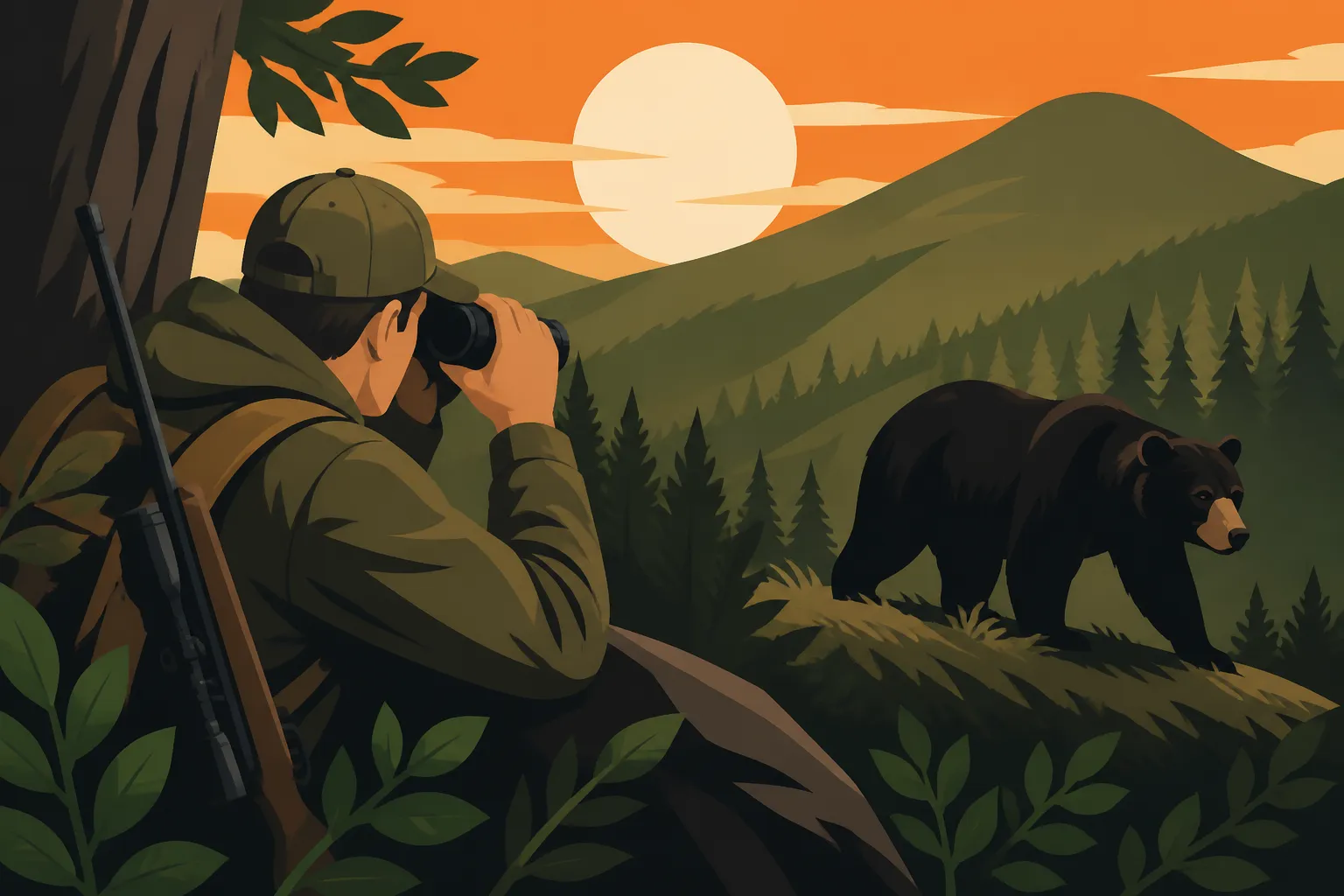
Spot-and-Stalk Tactics for Catskill Bears
Hunting black bears in New York's rugged Catskill Mountains presents a unique and often daunting challenge, especially since baiting is illegal in the state. Many hunters feel overwhelmed by the vast, wild terrain, struggling to locate these elusive animals without the aid of a stationary attractant. This comprehensive guide will equip you with effective spot-and-stalk tactics tailored specifically for the Catskills, helping you understand bear behavior, utilize the landscape, and master the art of the stealthy approach to increase your chances of success.
Understanding the Catskill Bear Landscape
The Catskill region, part of New York's Southern Zone, is a beautiful but formidable bear hunting ground. It's not the open plains where long-range glassing is always king; instead, it's a mix of steep, forested ridges, deep ravines, and mixed hardwood and conifer stands. To successfully spot and stalk a bear here, you first need to become a student of this diverse environment.
Decoding Bear Habitat Preferences
Catskill black bears are creatures of habit and opportunity, constantly seeking food and security. Their habitat preferences shift throughout the season, largely dictated by available mast crops and fruit. In early season, when acorns, beech nuts, and wild berries are ripening, bears will often focus on areas rich with these resources. Think about mature oak and beech ridges, especially those with good sun exposure that promote early ripening. As the season progresses into fall, they'll often target remaining hard mast or move towards lower elevations where apples might be dropping from old orchards, or even agricultural fields if present nearby, though these are less common in the core Catskills. They also love thick, tangled cover for bedding, which often means dense conifer stands, blowdowns in deep ravines, or north-facing slopes that offer cooler temperatures and seclusion. Understanding these patterns is key to figuring out where bears should be at any given time. Don't just wander; think about what bears need and where they'd find it in abundance.
Navigating the Rugged Terrain
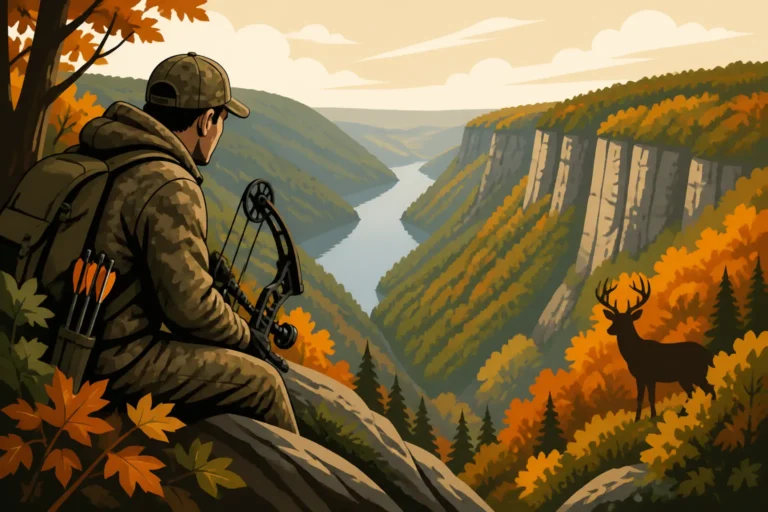
The Catskills are renowned for their steep, broken topography. You'll encounter sharp elevation changes, rocky outcrops, dense rhododendron thickets, and deep, shadowed hollows. This terrain can be both a blessing and a curse. While it offers excellent cover for bears, it also provides natural funnels and vantage points for hunters. Planning your approach and knowing your escape routes are paramount. Utilizing detailed topographic maps or advanced hunting apps like GoHunt can help you identify subtle benches, old logging roads, or natural drainages that bears use to travel. These natural pathways can offer easier walking for you too, allowing for a quieter approach. However, always be prepared for off-trail bushwhacking, as bears rarely stick to human-made paths. Expect to encounter fallen timber and slick leaves, which demand careful, deliberate footsteps to maintain stealth. Remember, navigating these challenging areas quietly is a major component of effective spot-and-stalk hunting. For deeper dives into specific regional characteristics, check out topics like Entry Routes on Steep Catskill Ground.
Essential Gear for Spot-and-Stalk Success
Successfully executing a spot-and-stalk hunt for black bear in the Catskills requires more than just a rifle and good intentions. The right gear can make or break your hunt, providing the edge you need for silent movement, effective observation, and safety in challenging conditions.
Optics for Long-Distance Glassing
In terrain as vast and broken as the Catskills, your eyes are your most valuable tool, and quality optics enhance their power exponentially. Forget just glancing through the woods; successful bear hunters spend hours systematically glassing potential bear habitat. A good pair of 10×42 binoculars is often the sweet spot for balance between magnification and field of view, allowing you to pick apart distant hillsides for the tell-tale black blob of a bear. For even longer distances or when trying to confirm a bear’s identity on a far ridge, a lightweight spotting scope (15-45x or 20-60x) can be a game-changer, especially mounted on a sturdy tripod. Don't just scan; slowly pick apart every shadow, rock, and patch of brush, looking for unusual shapes, movements, or colors. You'd be amazed how often a bear can blend into the forest, only becoming apparent after careful scrutiny. Good optics, like those discussed in Optics for Adirondack and Catskill Timber, are an investment that pays dividends.
Footwear and Clothing for Stealth
Your footwear is critical for quiet movement and comfort over long days in rugged terrain. Opt for sturdy, waterproof hiking boots with excellent ankle support and a tread pattern that provides grip without being excessively noisy on leaves and rocks. Break them in well before the season to avoid blisters. For clothing, layering is key, as Catskill weather can change rapidly. Choose quiet fabrics like wool or fleece for outer layers to minimize rustling as you move. A soft-shell jacket and pants can offer good protection against light rain and wind without creating excessive noise. Avoid bright colors and stick to earth tones or camouflage patterns that help you blend into the forest. Remember, bear hunting often involves long periods of sitting and glassing, followed by intense, strenuous stalks, so your clothing needs to adapt to both extremes. Quiet movement is paramount; even a slight crunch of leaves underfoot can send a wary bear scurrying. For a complete overview of what to wear, consider the general advice found in Clothing for a New York November, adapting it for bear hunting specifics.
Navigation and Safety Tools
Even with modern technology, never underestimate the Catskills' ability to disorient. A reliable GPS unit or a smartphone with pre-downloaded offline maps (like those offered by GoHunt) is non-negotiable. Mark your vehicle, trailheads, and any key terrain features or bear sign you find. Always carry a compass and a physical map as a backup, and know how to use them. Cell service is spotty at best in many Catskill hollows and ridgelines. Beyond navigation, safety includes a well-stocked first-aid kit, a headlamp with extra batteries (for those unexpected walks out after dark), a whistle, and a way to start a fire. Bears can be dangerous, especially if wounded or surprised, so consider carrying bear spray if legal and you're trained in its use. Being prepared for emergencies is just as important as being prepared for the shot. Comprehensive information on navigating wilderness areas, though focused on the Adirondacks, can be found in GPS Units for Adirondack Backcountry Hunts.
Mastering Spot-and-Stalk Techniques
Spot-and-stalk bear hunting is an art form that blends patience, observation, and calculated movement. It’s a chess match against one of the smartest animals in the woods, and every move counts.
Patient Glassing and Observation
The "spot" in spot-and-stalk is arguably the most crucial part. You can't stalk what you can't see. Find high vantage points that offer expansive views of potential bear habitat – ridgelines, overlooks, or even old logging cuts. Set up your spotting scope or binoculars on a tripod and methodically pick apart the landscape. Don't just scan; segment the terrain into small squares and scrutinize each one. Look for subtle movements, a flash of black, or the way sunlight might glint off a bear's hide. Bears are often most active during the early morning and late evening, but in cooler weather, they can be out feeding all day. Pay close attention to areas with good food sources, such as oak or beech stands, and thick bedding cover. This patient approach can take hours, but it’s far more effective than aimlessly wandering. Remember, bears are very adept at disappearing into the dense Catskill foliage, making thorough and patient glassing paramount.
Strategic Movement and Wind Awareness
Once you spot a bear, the "stalk" begins, and this is where strategy and stealth come into play. Your first priority is always the wind. Bears have an incredible sense of smell, far superior to their eyesight or hearing. Always approach from downwind, circling wide if necessary, to ensure your scent doesn't carry to the bear. Even a slight shift in wind direction can alert a bear to your presence. Use the topography to your advantage: stay in depressions, behind ridges, or within thick cover to remain out of sight. Move slowly and deliberately, taking one step at a time, checking for crunchy leaves, dry sticks, or loose rocks that might betray your presence. Pause often, listen, and re-evaluate the bear's position and the wind. If the bear moves, be prepared to adjust your approach or even back out and try again later. Understanding the nuances of Wind and Thermals on a Catskill Ridge can give you a significant advantage. This methodical approach is the hallmark of a successful spot-and-stalk hunter.
Interpreting Bear Sign and Behavior
Bears leave a lot of clues about their presence, and knowing how to read them can significantly increase your chances of a successful stalk. Look for fresh tracks in soft ground or mud, especially near water sources or game trails. Scat can tell you what they're eating (berries, nuts, corn) and how recently they've passed through. Rubs on trees where they've scratched or left scent, or claw marks indicating they've climbed for mast, are strong indicators of bear activity. Feeding sign, like overturned rocks, torn-up logs, or munched-on berry bushes, points to recent activity. If you find very fresh sign, like warm scat or wet tracks, it means a bear is likely very close. Pay attention to how a bear is behaving once spotted. Is it actively feeding, moving purposefully, or bedded down? Its behavior will dictate your stalking strategy. A feeding bear, especially one engrossed in a berry patch or under an oak, might be less alert and allow for a closer approach than one that's simply traveling. Knowing what to look for on a broader scale, beyond just a specific sign, is covered in Hunting Bears Over Natural Food Sources.
Common Challenges and How to Overcome Them
Hunting bears in the Catskills is rarely straightforward. There are inherent challenges that can test even the most experienced hunter. Being aware of these and having a plan to overcome them is crucial for success.
Dealing with Variable Weather Conditions
The Catskills can experience a wide range of weather conditions during bear season, from warm, sunny early autumn days to cold, rainy, or even snowy late-season conditions. Each presents its own challenges. Warm, dry weather makes leaves noisy and bears less active during the day, pushing them into thick, cool bedding areas. During these times, focus your glassing efforts on shaded slopes and around dawn and dusk. Rain, on the other hand, can be a hunter's friend, softening the forest floor for quieter movement and washing away your scent. However, it also reduces visibility and can make steep terrain treacherous. Snow can be excellent for tracking, but it also means colder temperatures and potential exposure risks. Always check the forecast, pack appropriate gear (rain gear, extra layers, warm gloves), and be prepared to adapt your tactics. A sudden cold snap might push bears to feed more intensely, while a warm front could make them lethargic. Dressing in proper layers and having waterproof outerwear is part of essential Bear Hunting Gear Without Bait.
Handling Hunting Pressure
The Catskills are popular hunting grounds, and especially during the New York Southern Zone Firearm Season, you can expect to encounter other hunters. This pressure can make bears more wary, pushing them into even thicker, more remote cover. To counter this, you need to think like a pressured bear. Seek out areas that are harder to access, such as deep ravines, steep slopes, or areas far from roads and established trails. While everyone else is walking the logging roads, you might find success by taking the path less traveled. Using a detailed mapping application like GoHunt can help you identify these overlooked pockets of public land. Early morning and late evening hunts, when many other hunters have already left or not yet arrived, can also be productive. Bears will often move more freely during these low-pressure windows. Sometimes, other hunters inadvertently push bears towards you, so always remain vigilant and aware of your surroundings, listening for distant shots or barking dogs that might indicate bear movement.
Ethical Considerations and Shot Placement
Ethical hunting dictates a clean, humane kill and a diligent recovery effort. When spot-and-stalk hunting, shot placement is critical. Aim for the vital organs – the lungs and heart – to ensure a quick kill. A bear's anatomy can be different from a deer's, with the vitals positioned a bit further forward. Practice your shooting from various field positions before the season, as you may not have the luxury of a perfect rest in the uneven Catskill terrain. Once you take a shot, stay put for at least 30-45 minutes, especially if you didn't see the bear go down. This allows a wounded bear to lay down and expire, rather than being pushed further by your immediate pursuit. When tracking, look for blood, broken branches, or disturbed leaves. Bear blood can be dark and sparse, so be patient and thorough. If darkness falls, mark the last sign and return at first light with more help. The importance of Handling a Bear After the Shot cannot be overstated, both for ethical recovery and for the valuable biological information, such as Submitting a Bear Tooth Sample.
Disclaimer
The information provided in this guide is for educational purposes only and is not a substitute for professional advice. Always consult the most current New York State Department of Environmental Conservation (NYSDEC) hunting regulations before heading into the field. Hunting involves inherent risks, and safety should always be your top priority. Ensure you have the necessary licenses and permits, and adhere to all legal requirements.