Submitting a Bear Tooth Sample
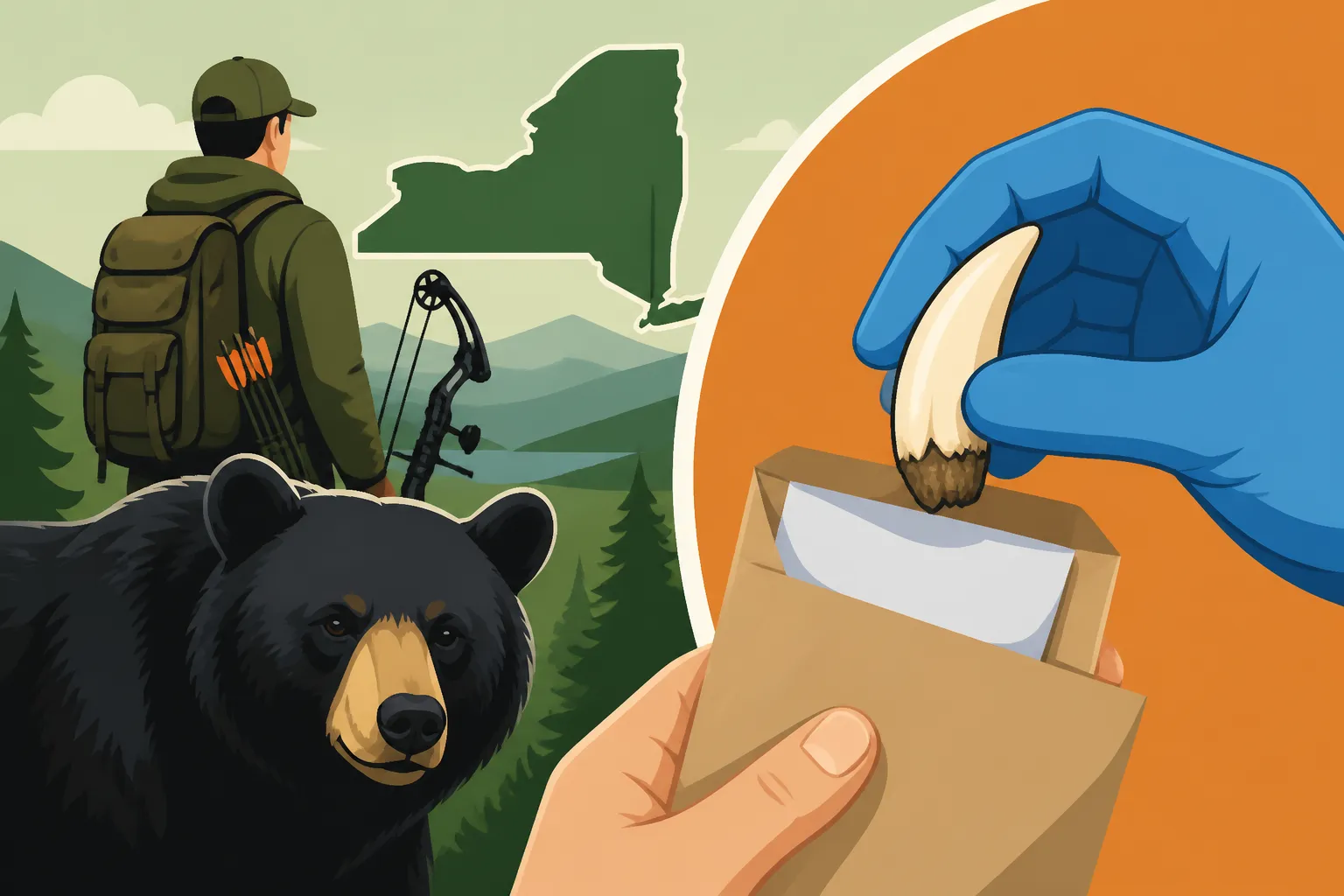
You've just wrapped up a bear hunt in New York, and it was a success. The adrenaline is still coursing, and you're already picturing that delicious bear roast. But then a little voice in the back of your head pipes up: "Wait, didn't the DEC say something about a bear tooth?" It's a common moment of confusion and extra effort for many bear hunters, but submitting that small premolar tooth is a crucial step that helps manage our state's incredible black bear population. This guide will walk you through exactly why and how to correctly submit your bear tooth sample, making sure your harvest contributes to sound wildlife management.
Why Your Bear Tooth Sample Matters More Than You Think
It might seem like a small, almost insignificant detail in the grand scheme of a successful bear hunt, but that tiny premolar tooth you're asked to submit holds a treasure trove of biological information. For the New York State Department of Environmental Conservation (DEC), it's a vital piece of the puzzle that helps them understand and sustain our state's thriving black bear population.
The Science Behind the Sample: What Data Is Collected?
Think of that bear tooth as a miniature history book. Every year, as a bear grows, a new layer of cementum is laid down on the root of its teeth, much like the rings in a tree. By carefully slicing and examining one of these premolar teeth under a microscope, wildlife biologists can accurately determine the bear's age. This isn't just a cool party trick; it's fundamental science. They're looking for these annual growth rings, which tell them precisely how many winters that bear has seen.
Beyond just age, the sample can sometimes reveal insights into the bear's overall health and reproductive history, especially for sows. A population with a healthy age structure – a good mix of young, middle-aged, and older bears – is generally a robust and resilient one. If biologists start seeing too many young bears or too few older ones in the harvest data, it can signal potential issues or shifts in the population that need further investigation. Without hunter cooperation, this critical demographic data would be impossible to collect on a large scale.
How Your Contribution Shapes New York's Bear Management
Your single bear tooth sample, combined with hundreds of others collected across the state, paints a comprehensive picture of New York's black bear population. This aggregated data directly informs the DEC's management decisions, influencing everything from hunting season lengths and bag limits to regional management strategies. For example, if data consistently shows a healthy population with strong recruitment and a good age structure in certain areas, the DEC might consider adjusting season dates or permit allocations. Conversely, if specific regions show declining numbers or an unhealthy age structure, management might become more conservative.
This is especially important when considering areas like the Catskills or the Adirondacks, where bear populations can vary significantly. Understanding these regional nuances is key to effective management. When you submit your bear tooth, you're not just following a rule; you're actively participating in the conservation of a magnificent species. It helps the DEC understand the overall health and distribution of New York's Black Bear Population. Many hunters rely on resources like GoHunt to stay informed about these vital statistics, and your contribution directly fuels that data. This collective effort ensures that future generations of New York hunters will continue to have opportunities for thrilling experiences like Bear Hunting Without Bait in New York.
The Step-by-Step Process for Submitting Your Bear Tooth
So, you’ve successfully harvested a black bear. Congratulations! Now comes the critical part of contributing to wildlife science: submitting that premolar tooth. It’s a straightforward process, but getting it right ensures the data is usable and your compliance is met. Don't worry, it's not as daunting as it might sound.
Locating and Extracting the Premolar Tooth
This is often the trickiest part for new bear hunters, but once you know which tooth to look for, it becomes second nature. The tooth you need is the first premolar located in the lower jaw. It's quite small, often appearing as a single, blunt tooth situated just behind the large canine and in front of the larger molars. Bears have four premolars, two on each side of the lower jaw, but the first one is specifically requested because it’s relatively easy to extract and provides reliable age data.
To extract it, you'll need a pair of pliers, a screwdriver, or even a sturdy knife blade. Gently rock the tooth back and forth. It’s not deeply rooted and usually comes out with relative ease. Be patient and careful not to break it or damage the root. If you have trouble, you can try to loosen the gum around it first. Some hunters prefer to cut away a small section of the jawbone containing the tooth, especially if they plan on skull-cleaning, but simply extracting the tooth is sufficient. Make sure to get the entire tooth, root and all, as the root is where the cementum layers are found.
Packaging and Mailing Your Sample Correctly
Once you have that tiny tooth, proper packaging is key to ensure it reaches the DEC in good condition. The DEC typically provides specific envelopes or instructions for tooth submission within the harvest reporting system. Always check the most current regulations or the New York Bear Tooth Reporting Rule on the DEC website or through your GoHunt account. Generally, you’ll want to:
- Clean the tooth: Briefly rinse off any blood or tissue.
- Air dry it: Allow the tooth to thoroughly air dry for a day or two to prevent mold or decomposition during transit.
- Place it in a small, sturdy container or envelope: A small coin envelope or a Ziploc baggie can work if you don't have the official envelope. Label it clearly with your name, address, and DECALS ID (the number associated with your license and harvest report).
- Include your harvest report number: This is critical! When you report your bear harvest online or by phone, you’ll receive a confirmation number. Write this number prominently on your tooth sample packaging. This links your tooth to your specific bear and harvest data, which is vital for accurately tracking New York Bear Harvest Trends.
- Mail it to the designated address: The official submission address is usually provided with your harvest report instructions or on the DEC website. As of my last check, samples are often sent to a specific wildlife pathology lab or regional DEC office. Double-check this address before sending.
Essential Forms and Information
The most important "form" you'll deal with is the harvest report itself. Before you even think about the tooth, you must report your bear harvest within the specified timeframe. This is typically done online through the DECALS system or by calling a toll-free number. During this process, you’ll receive a confirmation number. This number is your direct link to the bear you harvested and is absolutely non-negotiable for tooth submission. Without it, your tooth sample can't be accurately attributed.
Many hunters find the New York HuntFishNY App or GoHunt invaluable for navigating these requirements and keeping track of their harvest data. It’s also wise to keep a personal record of your harvest report number and the date you mailed the tooth. This simple practice can save a lot of headaches if there's ever a question about your submission down the line. Remember, accurate data from your harvest report, like the WMU (Wildlife Management Unit) where the bear was taken, helps the DEC build a detailed picture of New York's Black Bear Population across the state.
Here's a quick reference table for the tooth submission process:
| Step | Details | Key Considerations |
|---|---|---|
| 1. Harvest & Report | Legally harvest your bear during the correct New York Bear Season by Zone. Report your harvest online or by phone immediately. | Obtain your unique harvest report confirmation number. |
| 2. Locate Premolar | Identify the first premolar tooth in the lower jaw, just behind the canine. | It's small, often single-rooted. |
| 3. Extract Tooth | Use pliers or a sturdy tool to gently rock and pull the entire tooth (root included). | Be careful not to break the tooth or damage the root. |
| 4. Clean & Dry | Rinse off blood/tissue and air dry the tooth completely for 1-2 days. | Prevents mold/decomposition in transit. |
| 5. Package | Place in a small envelope or bag. Label clearly with your name, address, and DECALS ID. | Protect the tooth from loss or damage. |
| 6. Include Report Number | Crucially, write your harvest report confirmation number on the package. | This links your tooth to your specific bear. No number, no data attribution. |
| 7. Mail | Send to the designated DEC address (check current regulations). | Use a sturdy mailing envelope. |
Common Questions and Troubleshooting for Bear Tooth Submissions
Even with the best intentions, things can sometimes go awry. Maybe you forgot to extract the tooth in the excitement, or you misplaced the specific mailing instructions. Don't sweat it. The DEC understands that hunters are human, and there are typically solutions for common hiccups. The goal is always to get that data, so reaching out for help is always the best option.
What if I Forget or Lose the Tooth?
It happens to the best of us. You're focused on Handling a Bear After the Shot, field dressing, dragging, and getting it butchered, and that little tooth slips your mind. If you realize you forgot to extract the tooth before the skull is cleaned or disposed of, or if you simply lose it, don't panic. The first step is to contact your regional DEC wildlife office as soon as possible. Explain your situation. They might have alternative instructions, or in some cases, they might accept other forms of data if available, though this is less common for age determination.
Sometimes, if the bear is still intact, you might be able to go back and carefully extract the tooth. If the skull has been sent to a taxidermist, they might be able to help, as they often work with skulls anyway. The key is prompt communication. Don't just ignore it and hope for the best; actively try to resolve the issue. While one missing tooth won't cripple the entire program, every bit of data on How Many New York Black Bears There Are helps.
Digital Reporting and Follow-Up
The mandatory harvest reporting process in New York is largely digital now, primarily through the DEC's online system or their mobile app. You must report your bear harvest online or via phone before attempting to submit the tooth. This digital report generates the crucial confirmation number that needs to accompany your tooth sample. Without that digital record first, the physical tooth is just a tooth – it can't be linked to your harvest.
Once you’ve submitted your tooth, there usually isn't a direct "confirmation of receipt" email for the tooth itself. However, by properly completing your initial harvest report online, you've fulfilled the primary requirement. If you want to confirm it was received and processed, the best approach is to periodically check the DEC's annual big game harvest reports, where your contribution is part of the larger data set. You can learn more about Reading a New York Harvest Report to see how the data is compiled. These reports are usually published several months after the season concludes.
Understanding the Data You Help Collect
Your bear tooth sample, alongside those from thousands of other hunters, helps the DEC understand the intricate dynamics of our state’s bear population. For instance, knowing the age structure helps them determine recruitment rates – how many young bears are successfully joining the population – and survival rates across different age classes. This data allows for more accurate population modeling, helping predict future trends and informing adjustments to hunting regulations, such as those for the New York Northern Zone Bear Opener or the New York Southern Zone Bear Opener.
This information is also critical for tracking potential impacts of disease, habitat changes, or even New York Bear Denning Behavior. By providing age data, you're directly contributing to the long-term health and sustainability of bear hunting in New York. Wildlife management isn't a guessing game; it's a science built on data, and every hunter plays a critical role in collecting it. So, take pride in that small tooth; it's a big deal for conservation!
Disclaimer
Please be aware that hunting regulations, season dates, and reporting requirements can change. Always consult the most current New York State Department of Environmental Conservation (DEC) hunting regulations guide or their official website before heading afield or submitting any samples. This guide is for informational purposes only and does not supersede official DEC regulations.