How Many New York Black Bears There Are
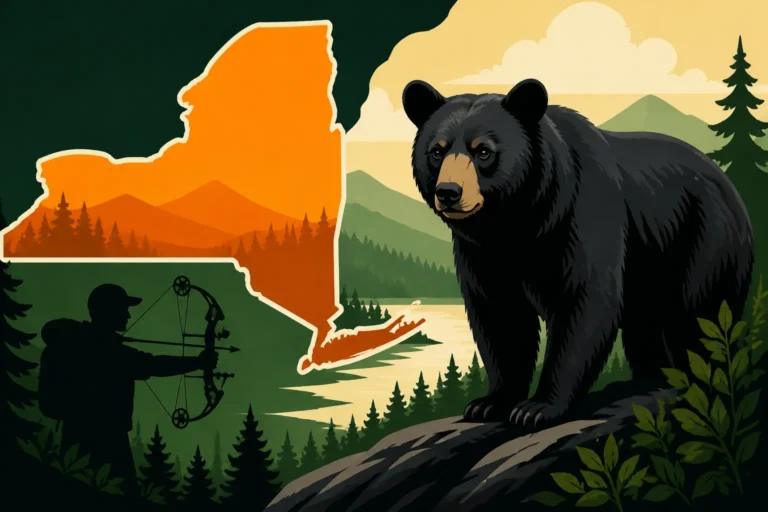
It’s a question many of us New York hunters ponder: just how many black bears are actually out there? You hear stories from the Adirondacks, see trail cam pictures from the Catskills, and sometimes even spot one wandering through the Southern Tier, leaving you wondering if the population is booming or holding steady. Getting a precise head count of these intelligent, elusive animals is incredibly difficult, but understanding the estimated numbers, their range, and the factors influencing their populations is crucial for hunters and wildlife enthusiasts alike. This comprehensive guide will pull back the curtain on New York's black bear population, exploring how wildlife biologists arrive at their estimates and what it means for your next hunt.
The Elusive Count: Estimating New York's Black Bear Population
Counting every single black bear in the vast, wild landscapes of New York State is a logistical impossibility. Unlike deer, which can sometimes be observed in open fields, bears are masters of camouflage and spend much of their lives deep within dense cover. This natural elusiveness presents a significant challenge for wildlife managers trying to get an accurate census.
Challenges in Counting Wild Bears
The biggest hurdle in estimating bear populations stems from their very nature. Black bears are primarily solitary, wide-ranging creatures that prefer dense forest and rugged terrain. They don't typically congregate in large, easily observable groups. Their territories can span many square miles, and they're highly migratory within their home ranges, especially when food sources change throughout the seasons. Imagine trying to count ghosts in a forest — that's essentially the task at hand. Furthermore, their behavior changes with the seasons; they den up for months in the winter, making them entirely undetectable during that period. Even during active months, their nocturnal and crepuscular habits mean they’re often out and about when humans are not.
The sheer scale of New York's wildlands also makes comprehensive surveys impractical. From the sprawling Adirondack wilderness to the steep ravines of the Catskills and the mosaic of woodlands and farmlands in between, physically covering every potential bear habitat is simply not feasible. This means biologists rely on more sophisticated, indirect methods to piece together a picture of the bear population. They're not just guessing, but it’s a far cry from a direct census.
Methods Used by the New York DEC
Given these challenges, the New York State Department of Environmental Conservation (DEC) employs a variety of scientific methods to estimate black bear numbers, rather than trying to count every individual. These methods combine fieldwork with statistical analysis, providing a robust estimate of the population.
One common technique is mark-recapture, though it’s used in a more targeted way for bears than, say, small mammals. Biologists may tranquilize bears, collect biological samples, and fit them with ear tags or GPS collars before releasing them. By tracking these marked individuals and comparing the ratio of marked to unmarked bears observed in subsequent trapping or sightings, they can statistically estimate the total population size within a given area. This method gives invaluable insights into movement patterns, survival rates, and reproductive success.
More recently, DNA hair snares have become an incredibly valuable tool. These are essentially barbed wire fences or rubbing posts baited with an attractant that causes bears to rub against them, leaving behind hair samples. These hair samples contain DNA, which can be analyzed to identify individual bears, determine their sex, and even estimate relatedness. Over several years, collecting and analyzing thousands of these samples allows the DEC to develop a detailed genetic profile of a bear population and estimate its size using complex statistical models. Tools like those found on platforms like GoHunt can sometimes help hunters visualize regional harvest data or specific WMA information that aligns with these broader DEC population trends, giving them a more granular view for scouting. This cutting-edge approach minimizes disturbance to the bears while providing crucial data.
Where the Bears Roam: New York's Primary Bear Ranges
New York's black bear population isn't evenly distributed across the state. Instead, it's concentrated in a few key regions, though their range is steadily expanding into new territories. Understanding these primary habitats is key to appreciating their population dynamics.
The Adirondack Foothills and Interior
The Adirondack Park, with its vast tracts of unbroken forest, remote wilderness areas, and varied topography, serves as New York's largest and most significant black bear stronghold. This region encompasses a mix of state-owned Forest Preserve lands, private timberlands, and small communities, all of which contribute to a mosaic of ideal bear habitat. The rugged terrain provides abundant denning sites, while the extensive forests offer a rich diversity of food sources, from berries and nuts to small mammals and insects.
Bears thrive in the Adirondack interior, where human encounters are less frequent, allowing them to follow natural foraging patterns. You’ll find them heavily concentrated in areas with plenty of mast-producing trees like beech and oak, and near wetlands that provide succulent early-season forage. While hunting them in this dense, challenging environment requires specific skills, such as mastering Treestand Setups in Adirondack Hardwoods or understanding Where Adirondack Bucks Bed, it's also where you'll find some of the state's most robust bear populations. The sheer acreage of habitat means bears have ample room to roam, which supports a healthy, thriving population.
Catskill Mountains and Surrounding Areas
The Catskill Forest Preserve is the second major bastion for black bears in New York, rivaling parts of the Adirondacks in terms of bear density, particularly in some areas. While geographically smaller than the Adirondacks, the Catskill Mountains offer similarly dense forests, steep ravines, and ample denning opportunities. Here, bears are often found in the higher elevations and remote valleys, especially areas with mature hardwood forests that provide crucial mast crops like acorns and beechnuts. The Catskills' closer proximity to more populated areas means bears here might have slightly different behavioral patterns, adapting to occasional human presence.
DEC studies, including those on Catskill Bear Density Compared to the Adirondacks, often show high bear numbers throughout Ulster, Sullivan, and Delaware counties. Hunters frequently report sightings, and the sign of bears, from torn-up logs to scat, is a common sight in these mountains. The terrain is often steep and challenging, making for intense hunts, but also providing sanctuary for these animals. Bears here utilize everything from mature timber to thick laurel and rhododendron thickets for cover and bedding.
Expanding Populations in Western and Central New York
One of the most interesting and significant trends in New York's black bear population over the last few decades has been their steady range expansion. Historically confined to the Adirondacks and Catskills, bears have increasingly moved into western and central New York, establishing new breeding populations. This expansion is largely attributed to forest regrowth in areas previously cleared for agriculture, coupled with a generally healthy and growing statewide bear population.
Today, established bear populations can be found in areas like the Tug Hill Plateau, portions of the Finger Lakes region, and even into parts of the Southern Tier. While densities in these newer ranges might not yet compare to the traditional strongholds, the presence of breeding females confirms successful colonization. This expansion can lead to increased human-bear interactions in agricultural areas or near more suburban settings, highlighting the importance of managing food attractants. This phenomenon of expansion means hunters in regions like Allegany, Cattaraugus, and Steuben counties, once less likely to encounter bears, now have opportunities. This geographical shift is well-documented, with observations confirming Bears Moving Into the Hudson Valley and further west, underscoring the adaptability of these animals.
Tracking the Trend: Historical Data and Current Population Status
Understanding where New York's black bears stand today requires a look back at their journey, from historical declines to their remarkable recovery. This historical context informs current management strategies and sheds light on what we can expect in the future.
Historical Decline and Recovery Efforts
Like many large mammal species in the eastern United States, black bears in New York faced significant challenges in centuries past. Unregulated hunting, coupled with widespread deforestation for agriculture and timber, drastically reduced bear populations by the late 19th and early 20th centuries. Their range contracted dramatically, leaving only remnant populations in the most remote pockets of the Adirondacks and Catskills.
However, the 20th century brought a new era of conservation. Stricter hunting regulations, including bag limits and defined seasons, were implemented. Crucially, vast tracts of forest land began to regrow as agricultural lands were abandoned and conservation efforts gained traction. This reforestation provided bears with the habitat they desperately needed to rebound. The DEC also played a vital role, often working to protect critical bear habitat and monitor populations. The success of these efforts is a testament to sound wildlife management and the resilience of black bears.
Current Population Estimates and Growth
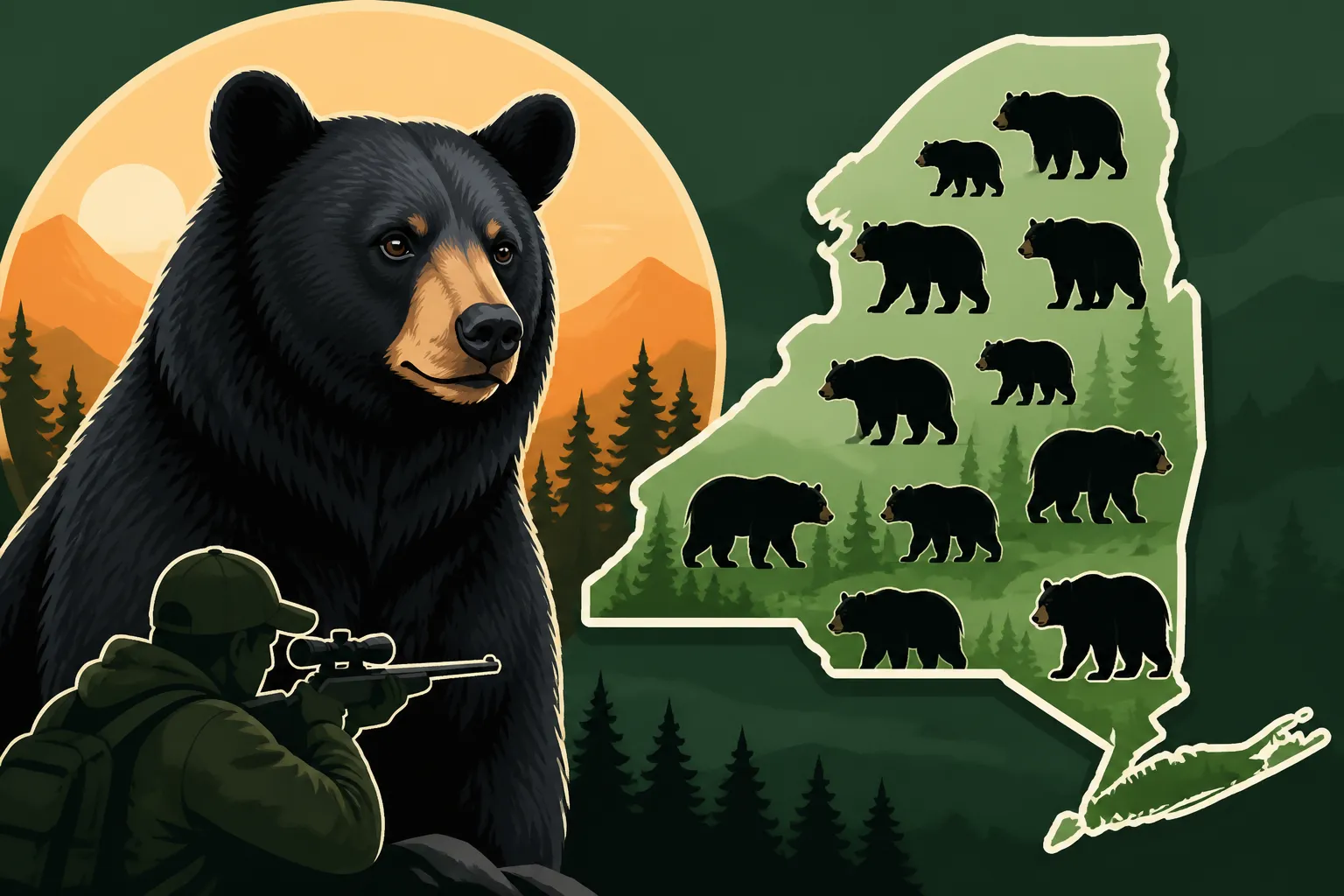
Thanks to these dedicated conservation efforts, New York's black bear population is not only stable but has been steadily increasing and expanding its range for decades. While precise numbers are always estimates, the New York DEC generally estimates the statewide black bear population to be somewhere in the range of 6,000 to 8,000 animals, and potentially even higher in good mast years. This represents a significant recovery from historical lows.
The majority of these bears reside in the Adirondack and Catskill regions, which continue to support the highest densities. However, as noted, growing populations are now firmly established in the Central-Western and Allegany ranges. This healthy and growing population allows for regulated hunting seasons, which are a critical tool for managing bear numbers, preventing overpopulation in certain areas, and minimizing human-bear conflicts. The robust population means that hunters exploring areas covered by the New York Bear Season by Zone have a good chance of encountering these magnificent animals. Data visualization tools, like those provided by GoHunt, can sometimes give hunters insights into harvest trends over different seasons, helping them understand where populations are most consistently yielding bears.
Management Goals and Objectives
The New York DEC's primary goal for black bear management is to maintain a healthy, viable bear population across appropriate habitats, while simultaneously minimizing human-bear conflicts. This involves a delicate balancing act. On one hand, protecting habitat and ensuring sustainable populations is paramount. On the other, as bear populations expand into more populated areas, managing interactions with humans becomes increasingly important.
Hunting plays a crucial role in achieving these management objectives. Regulated hunting seasons help control population growth, especially in areas where bears are becoming more numerous. This selective harvest can also help to distribute bears more evenly across the landscape and reduce the likelihood of property damage or dangerous encounters. The DEC continually monitors population trends, harvest data, and public feedback to adjust season lengths, bag limits, and management strategies as needed, ensuring that future generations will continue to enjoy a thriving black bear population.
What Drives the Numbers: Factors Influencing Bear Populations
Black bear populations are not static; they fluctuate based on a variety of environmental and human-related factors. Understanding these influences helps us grasp why bear numbers might be strong one year and seem slightly lower the next.
Food Availability and Mast Crops
Perhaps the single most critical factor influencing black bear populations, particularly cub survival and reproductive success, is food availability. Black bears are omnivores with a diverse diet, but they heavily rely on seasonal mast crops, especially acorns from oak trees and beechnuts from beech trees. These high-energy food sources are crucial for bears to gain enough weight to survive hibernation and for females to successfully reproduce.
In years with abundant mast crops, bears typically go into hibernation in excellent condition. This leads to higher cub survival rates and often results in more successful breeding the following year. Conversely, a poor mast crop year can lead to bears entering hibernation with insufficient fat reserves, which can result in lower cub survival and fewer cubs born in the subsequent spring. Bears might also forage more widely and aggressively in lean years, leading to increased human-bear conflicts as they seek out alternative food sources like agricultural crops or garbage. Hunters who understand Hunting Bears Over Natural Food Sources know that scouting for these mast crops is paramount to success.
Habitat Quality and Fragmentation
While New York has made great strides in forest regrowth, the quality and connectivity of bear habitat remain vital. Bears need large, undisturbed tracts of forest that provide not just food, but also cover for denning, bedding, and raising cubs. Fragmentation of these habitats by roads, development, and other human infrastructure can impact bear movement, increase mortality risks (e.g., vehicle collisions), and isolate populations, potentially reducing genetic diversity.
Protecting and connecting these vital habitats is a continuous challenge. Conservation efforts, such as acquiring and managing state lands and promoting sustainable forestry practices, are crucial for ensuring bears have the space they need to thrive. The vastness of areas like the Adirondack Forest Preserve and the Catskill Forest Preserve provides critical core habitat, but ensuring corridors for bears to move between these large blocks, and into newer expansion areas, is also key.
Human-Bear Conflicts and Tolerance
As bear populations expand and human development encroaches on wild spaces, the potential for human-bear conflicts increases. Bears are opportunistic feeders, and they will readily take advantage of easily accessible human food sources like garbage, bird feeders, pet food, and agricultural crops. While bears are generally shy and avoid humans, habituation to human food sources can lead to bold behavior, property damage, and in rare cases, defensive aggression.
The DEC works tirelessly to educate the public on living responsibly with bears, emphasizing practices like securing garbage, removing bird feeders, and never feeding bears. Public tolerance for bears is a significant factor in their long-term management. When conflicts rise, public support for bear conservation can wane, creating pressure for more aggressive management actions. Therefore, minimizing these conflicts through education and proactive measures is an indirect but powerful driver of bear population sustainability. Hunters also play a role in this by understanding how to prevent Bear Encounters Around Catskill Cabins and other areas, by properly securing food and game.
The Hunter's Role: Harvest Data and Scientific Contributions
Hunters are not just participants in managing New York's black bear population; they are active contributors to the scientific data that drives conservation decisions. The information gathered from successful bear harvests provides invaluable insights to the DEC.
Understanding Bear Harvest Data
Each year, New York hunters harvest a significant number of black bears during regulated seasons. The data collected from these harvests is a cornerstone of the DEC's population monitoring efforts. When a hunter reports a bear harvest, they provide critical information such as the location of the kill, the bear's sex, and its weight. This data, when aggregated over time and across different regions, helps biologists track population trends, assess reproductive success, and understand bear distribution.
By analyzing harvest numbers in conjunction with other metrics, the DEC can determine if the population is growing, stable, or declining in specific areas. This allows them to make informed decisions about future hunting regulations, such as adjusting season lengths or modifying bag limits, to ensure a sustainable harvest and a healthy bear population for years to come. Platforms like GoHunt often compile state harvest statistics, making this valuable information more accessible to hunters looking to understand trends in specific Wildlife Management Units (WMUs). This data is absolutely vital; without it, the DEC would be flying blind on a critical aspect of bear management.
The Importance of Bear Tooth Samples
Beyond basic harvest data, one of the most important contributions hunters make to bear research is submitting a premolar tooth from their harvested bear. This might seem like a small detail, but it’s an incredibly rich source of scientific information. The DEC uses these teeth to accurately determine the bear's age. Much like tree rings, bears' teeth lay down annual rings of cementum, which can be counted under a microscope to reveal the animal's exact age.
Knowing the age structure of the harvested population provides critical insights into the overall health and demographics of the bear population. For example, a high proportion of older bears might indicate a stable, mature population, while a sudden increase in younger bears could signal population growth. Furthermore, for female bears, the age data can be correlated with reproductive rates, offering insights into cub production and survival. This direct contribution from hunters is so crucial that the DEC mandates New York Bear Tooth Reporting Rule and provides clear instructions on Submitting a Bear Tooth Sample. It's a direct way that hunters contribute to the scientific foundation of wildlife management.
A Deeper Look at Bear Population Statistics by Zone
To give you a clearer picture of where bears are most prevalent and how harvest numbers contribute to our understanding, here’s a simplified breakdown based on general DEC findings. Keep in mind these are estimates and can vary year to year due to food availability and other factors.
| Bear Management Zone | Primary Counties | Estimated Population Density | Average Annual Harvest Contribution | Key Characteristics |
|---|---|---|---|---|
| Adirondack Zone | Hamilton, Essex, Herkimer, St. Lawrence | High – Very High | Highest | Vast wilderness, core habitat, high recruitment |
| Catskill Zone | Ulster, Sullivan, Delaware, Greene | High – Very High | Second Highest | Steep terrain, dense hardwoods, significant expansion |
| Allegany Zone | Cattaraugus, Allegany, Steuben, Chautauqua | Moderate – Growing | Moderate – Increasing | Mixed forest/agriculture, expanding range |
| Central-Western Zone | Madison, Oneida, Otsego, Onondaga | Low – Moderate | Low – Moderate | Newer expansion areas, scattered populations |
| Eastern Zone (Hudson Valley) | Columbia, Dutchess, Putnam, Westchester | Low – Moderate | Low – Moderate | Highly fragmented, urban interface, growing presence |
Note: These are generalized estimates. Actual densities and harvest numbers can vary by specific WMU and year.
Disclaimer
Please note: Hunting regulations and wildlife population estimates are subject to change. Always consult the most current New York State Department of Environmental Conservation (DEC) hunting regulations guide before planning any hunting activities. This article is intended for informational purposes only and does not supersede official DEC guidelines.