Running Pointing Dogs on New York Pheasants
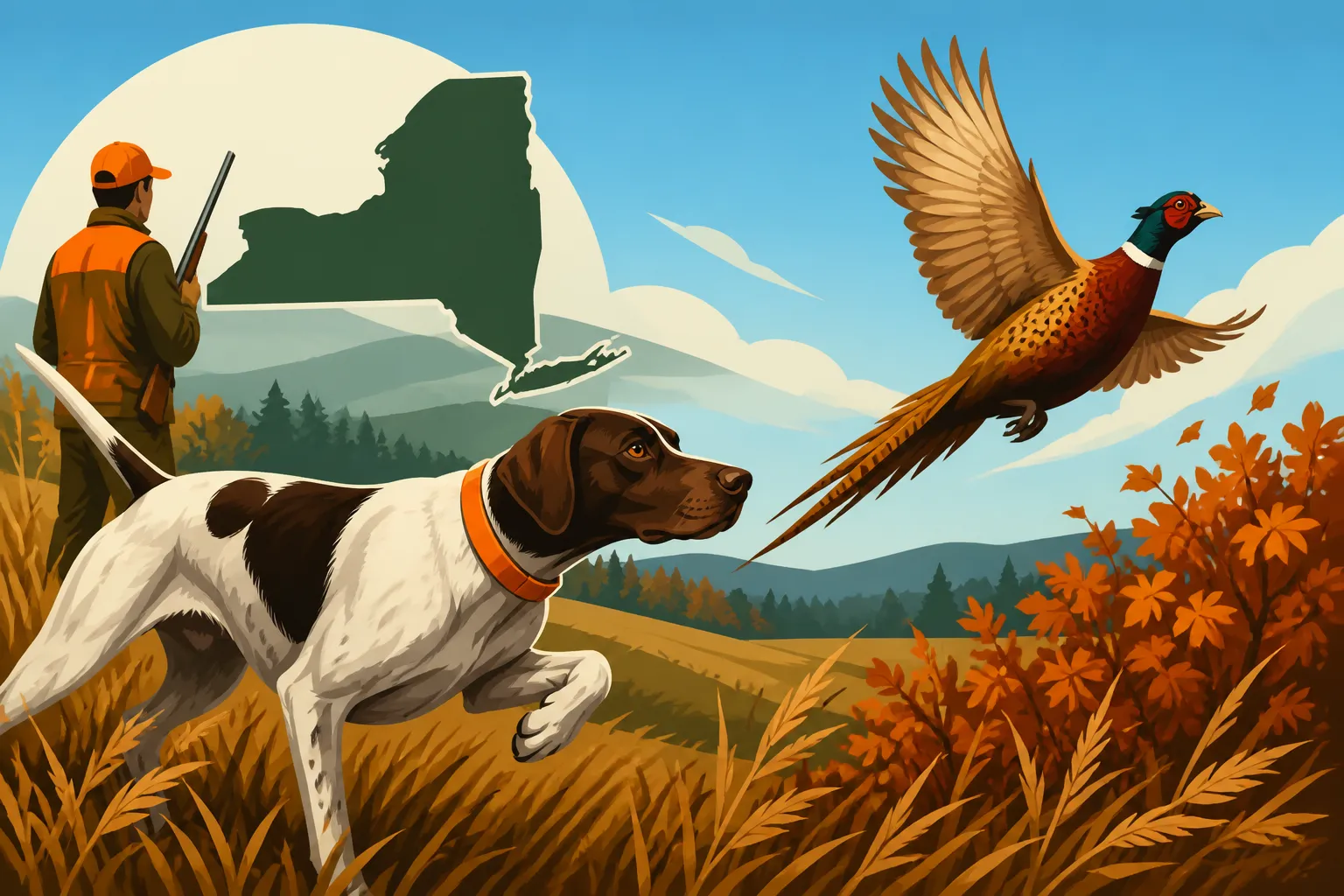
For many upland hunters in New York, the thought of pheasants conjures images of majestic birds flushing from golden fields, brought to point by a staunch canine partner. While truly wild pheasants are a rare sight in much of the state, New York's pheasant stocking program offers fantastic opportunities for hunters and their pointing dogs to experience this classic pursuit. This guide is all about honing your approach, your dog's skills, and your understanding of the landscape to make the most of running pointing dogs on New York pheasants, turning those fleeting moments into cherished memories.
Understanding New York's Pheasant Landscape
Hunting pheasants in New York isn't quite the same as chasing wild birds in the Dakotas, and it's important to set realistic expectations for both yourself and your dog. Our state's unique habitat and management strategies mean a different approach is often required.
The Role of Stocking Programs and Wild Populations
Let's be honest, finding truly wild pheasants in New York can feel like searching for a needle in a haystack in most areas. While pockets of wild birds do exist, particularly in some prime agricultural regions, the vast majority of pheasant hunting opportunities come thanks to the New York State Department of Environmental Conservation's (DEC) stocking program. Every year, thousands of pheasants are released on public and private lands open to public hunting. This is a fantastic program that gives many hunters, especially those with young dogs or limited access to private land, a chance to enjoy pheasant hunting.
These stocked birds, however, behave differently than their wild counterparts. They often hold tighter, might not run as much, and can sometimes be a bit bewildered by their new surroundings. This can be a mixed blessing for pointing dogs. On one hand, it offers a lot of bird contact, which is invaluable for a dog's development and confidence. On the other, it means you might encounter situations where birds flush wildly or don't act "naturally," which can be frustrating for both hunter and dog if you're expecting typical wild bird behavior. Understanding these dynamics is crucial. When you're considering your hunt, it's worth checking the DEC website for their specific pheasant stocking locations and dates, which often target areas like those found within Pheasant Hunting Western New York Farmland. This intel is gold for planning your day.
Key Habitat Types for Pheasants in New York
While the exact cover can vary depending on where the DEC releases birds, pheasants generally gravitate towards certain types of habitat in New York. Knowing these helps you direct your dog more effectively and anticipate flushes.
Firstly, think about dense, tall grasses. This includes old hayfields, Conservation Reserve Program (CRP) lands, and even ungrazed pastureland. These areas provide excellent thermal cover and protection from predators, making them prime spots for pheasants to hold. When working these fields, your dog will need to quarter thoroughly, covering every inch, as birds can hunker down incredibly tight. Secondly, field edges and hedgerows are classic pheasant haunts. These linear features offer both cover and travel corridors between food sources. A dense multiflora rose hedge or a brushy field edge can hold multiple birds, and they often provide good scenting conditions for your dog. You’ll want your dog to work these edges methodically, investigating every tangle and clump.
Lastly, don't overlook cattail marshes and swampy edges. While perhaps more typical for waterfowl, pheasants will utilize these thick, often impenetrable areas for escape and roosting, especially as the season progresses and other cover diminishes. This kind of cover can be tough on dogs, demanding a lot of grit and sometimes requiring hunters to push through some serious muck. A good waterproof vest on your dog, like those found under Bird Dog Gear for New York Cover, can be invaluable here. The takeaway is that New York's pheasant cover is often thick and varied, requiring a versatile dog and a hunter willing to get into the briars.
Essential Training and Handling for New York Pheasants
A well-trained pointing dog is the heart of a successful pheasant hunt. But training for New York pheasants, particularly those that are pen-raised and recently released, often requires a nuanced approach. Consistency and patience are your best friends.
Developing a Reliable Point and Steadiness
The ultimate goal with a pointing dog is that beautiful, classic scene: your dog locked on point, nose to the wind, indicating a bird. For New York pheasants, developing this reliable point, followed by steadiness, is paramount. Start with basic yard work, reinforcing the "whoa" command until it's absolute. This foundation is critical before you even introduce birds. Once your dog is solid on whoa, you can move to planted birds, using pigeons or chukars initially in controlled environments. The key is to let your dog discover the bird, then immediately apply "whoa" when they stiffen. Over time, they associate the bird scent with holding still.
The challenge with stocked pheasants is their often unpredictable behavior. Some will hold beautifully, while others might flush prematurely, or run. This is where "steadiness to wing" and "steadiness to shot" come in. You want your dog to remain absolutely still even when the bird flushes, and after the shot. This prevents your dog from busting other birds, getting shot, or chasing a crippled bird that might still fly. Training this takes repetition and often involves using a check cord initially to prevent them from breaking point. Remember, every time you work with your dog, you're building habits. A tool like a good e-collar, used correctly, can be extremely helpful in reinforcing commands, especially when your dog is out of sight in thick cover – just be sure you understand the rules around E-Collar Use on Public Ground in New York. A steady dog makes for safer and more productive hunting, ensuring you’re ready for the shot and that other birds in the covey are not disturbed.
Handling Your Dog in Diverse Cover and Pressure
New York's pheasant hunting often means encountering a variety of covers, from open fields to dense brush, and sometimes even other hunters. Effective handling is about communication and control, regardless of the situation. Your dog needs to understand hand signals and whistle commands for casting, stopping, and recalling. In expansive fields, you’ll want your dog to quarter in a pattern that effectively covers the ground without ranging too far. A good hunting dog will naturally quarter into the wind, but it's your job to guide them to ensure no ground is missed.
When you're hunting areas that see pressure, which many of New York's stocked lands do, especially on opening day, handling becomes even more critical. You might encounter other hunters with their own dogs, and your dog needs to be trained to "honor" another dog's point. This means stopping and backing the pointing dog, rather than rushing in and flushing the bird. This is a sign of respect for other hunters and a display of your dog's advanced training. If you're hunting in a group, establishing clear communication about who shoots, when to shoot, and how to work the dogs together is vital for safety and success. Hunting areas near populated regions or larger cities like Buffalo or Syracuse often mean increased Hunting Pressure on New York Public Land, making these handling skills even more essential.
Tactics for Success with Pointing Dogs in New York
Pheasant hunting in New York is an active sport, and success hinges on smart tactics that combine your knowledge of bird behavior with your dog's natural abilities.
Working Field Edges and Hedgerows Effectively
Field edges and hedgerows are classic pheasant magnets, offering both food and cover. When approaching these linear features, always consider the wind direction. You want your dog working into the wind, if possible, allowing them to scent birds effectively. Start at one end and slowly work your way down the edge. Have your dog quarter back and forth, investigating every nook and cranny. Pheasants will often run ahead along these features, so be prepared for a long point or a flush further down the line.
If you're hunting with a partner, one person can walk the inside of the field while the other walks the brushy edge, essentially creating a pincer movement. This tactic helps prevent birds from slipping out the back. Many pheasants, when pressured, will try to escape by running into thicker cover or doubling back, so anticipation is key. Your dog's job is to pin that bird down, allowing you to move into position for a clean shot. If the hedgerow opens up into a larger field or patch of woods, be ready for birds to make a break for it; sometimes, positioning a blocker at the end of a long hedgerow can be incredibly effective.
Navigating Tall Grasses and CRP Fields
Large blocks of tall grass, like those often found in CRP programs or even larger neglected fields, can be intimidating but are often very productive. The sheer volume of cover means your dog needs to be thorough. Rather than letting your dog run wild, guide them in a systematic quartering pattern. This ensures that every potential hidey-hole is investigated. If the field is particularly large, you might want to break it down into sections. Walk parallel to your dog, maintaining communication with your whistle, and let them cover the ground in front of you.
In these dense fields, pheasants have a lot of room to run before flushing. This is where a strong point and a steady dog truly shine. If your dog goes on point, approach cautiously, ready for a bird to flush at any moment, or for your dog to relocate on a running bird. Some modern GPS systems, often integrated into tools like the GoHunt app for scouting or dedicated dog tracking collars, can show your dog's movement pattern, helping you identify if they're missing any areas or if a bird is consistently running ahead of their point. Remember, these thick fields can also hold other game, so be sure you know what you're shooting at.
Safety and Etiquette in New York's Pheasant Fields
Pheasant hunting, especially on publicly accessible stocked lands, can bring you into close proximity with other hunters. Practicing good safety and etiquette is non-negotiable. First and foremost, always wear blaze orange. New York's regulations require hunters to wear a minimum amount of blaze orange, often a vest or hat, and this is for your own safety and the safety of others. Learn more about the specific requirements in New York Blaze Orange Requirements.
Beyond that, communicate with other hunters you encounter. A friendly wave and a brief chat can prevent misunderstandings and improve everyone's experience. If another group is working a field, either give them ample space or ask if you can join. Always know where your hunting partners and your dog are, and never swing your gun in their direction. Pick up your spent shotshells – leaving litter behind is disrespectful to the land and other users. Lastly, respect property boundaries. Even if you're on public land, adjacent private properties might be posted, so use mapping tools, perhaps through a GoHunt subscription, to be sure of your location.
Here's a quick look at some popular pointing dog breeds and their general characteristics for New York pheasant hunting:
| Breed | Range | Stamina | Temperament | Suitability for NY Pheasants |
|---|---|---|---|---|
| English Setter | Medium-Long | High | Gentle, Eager | Excellent, but needs cover |
| German Shorthaired Pt. | Medium-Long | Very High | Energetic, Loyal | Excellent, versatile |
| Brittany | Medium | High | Affectionate, Agile | Excellent, good in thickets |
| Wirehaired Pointing Gr. | Medium | High | Hardy, Intelligent | Excellent, handles cold/water |
| Vizsla | Medium | High | Sweet, Energetic | Good, can be sensitive |
| Pointer | Long | Very High | Intense, Fast | Excellent, best in open fields |
Maximizing Your New York Pheasant Hunt with a Dog
To truly make the most of your time in the field, it's not just about the moment of the flush, but everything that leads up to it and how you adapt on the fly.
Scouting and Pre-Season Preparation
Successful pheasant hunting with a pointing dog in New York starts long before opening day. Pre-season scouting is crucial. While you can't scout for specific stocked birds, you can scout for prime habitat. Look for those dense grassy fields, brushy hedgerows, and cattail marshes that scream "pheasant cover." Utilize mapping apps like the New York DEC's HuntFishNY or Scouting With the New York HuntFishNY App to identify public lands and their features. A GoHunt subscription can also be invaluable for identifying potential hotspots and understanding property lines, whether public or private. Look for areas adjacent to agricultural fields where pheasants might find food and cover.
Beyond habitat, keep a close eye on the DEC's pheasant stocking schedules. These are usually announced a few weeks before the season. Knowing when and where birds are released allows you to strategically plan your hunts. Try to be there shortly after a release for the best chances, but also understand that these areas will likely see more hunter pressure. This pre-season homework allows you to hit the ground running, giving both you and your dog the best opportunity for success. Remember, even in areas without explicit stocking, good scouting can reveal pockets of residual wild birds or areas where previous years' stocked birds have established.
Adapting to Weather and Bird Behavior
New York weather can be famously unpredictable, and conditions significantly impact both pheasant behavior and your dog's ability to hunt. Early season hunts, especially in September or October, might be warm and dry. In these conditions, scenting can be more difficult for dogs, and birds might be more likely to run or hold tighter in dense, shaded cover. You might need to adjust your dog's range, keeping them closer to ensure they don't overrun scent. Carrying enough water for both yourself and your dog is paramount on warm days.
As the season progresses into November and December, temperatures drop, and snow might appear. Cold, crisp days with a light dusting of snow can offer excellent scenting conditions. However, deep snow can make travel difficult for both hunters and dogs, and pheasants might retreat to the thickest, most protective cover like cattail marshes or dense evergreens. Strong winds can also affect scenting, either dispersing it rapidly or concentrating it, depending on the topography. You'll need to adapt your hunting strategy: working into the wind more diligently, or focusing on leeward sides of hills and thickets. The best pheasant hunters are those who can read the conditions and make on-the-fly adjustments to their tactics, guiding their dogs accordingly to maximize their chances.
Disclaimer
Hunting is an inherently risky activity. Always prioritize safety, adhere to all New York State hunting regulations, and ensure you have proper training and equipment. The information provided here is for educational purposes and should not replace official DEC guidance or professional instruction. Be aware of your surroundings, respect private property, and handle firearms responsibly.