Why New York Runs a Separate Youth Weekend
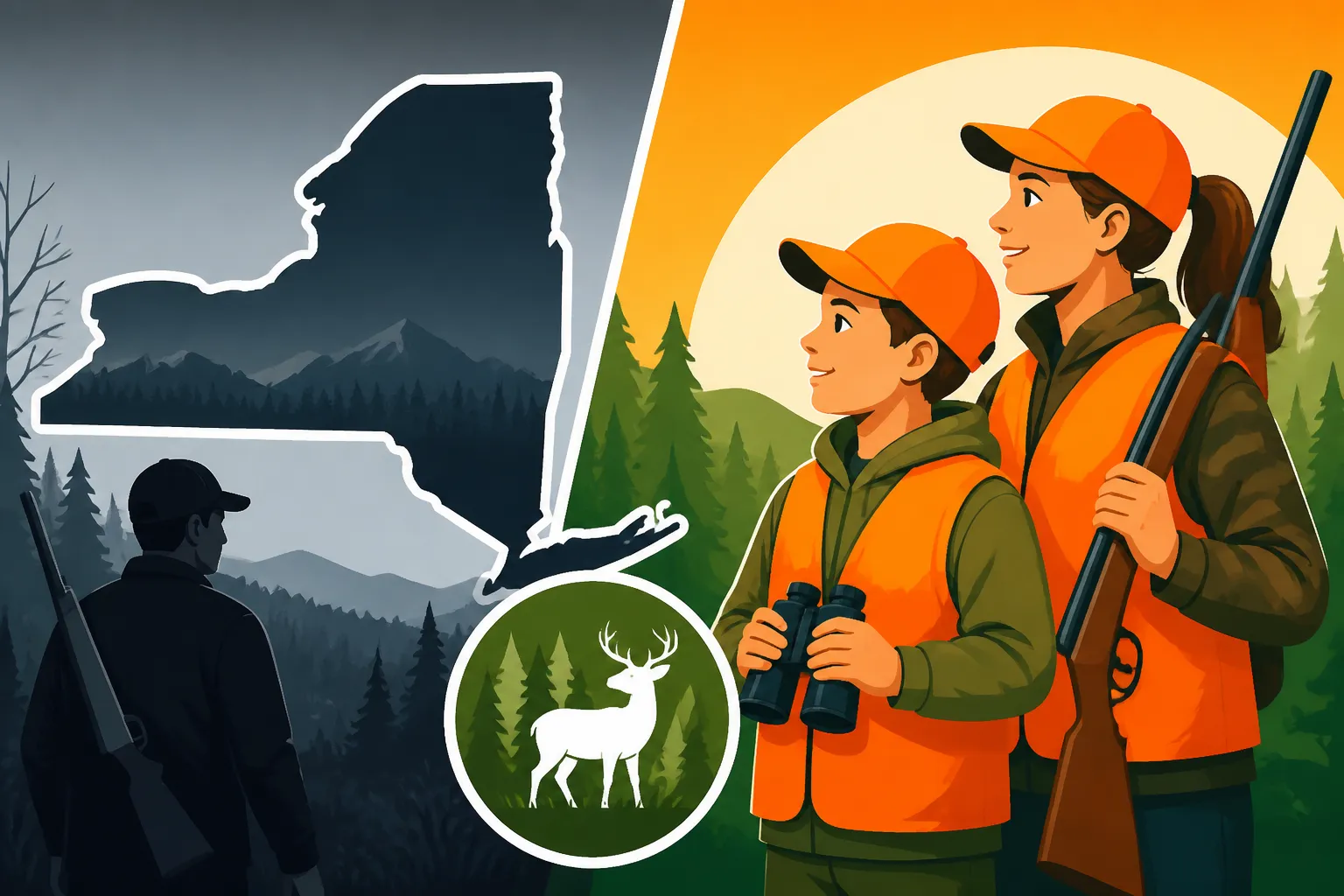
For many of us who grew up in the hunting tradition, the idea of a dedicated youth weekend might seem like a recent innovation. It can feel a bit like another layer of regulations on an already complex calendar, making some parents wonder if it's truly worth the effort. But in New York, the separate youth deer hunting weekend isn't just an arbitrary date on the calendar; it's a carefully designed opportunity meant to foster the next generation of outdoors enthusiasts. This guide will unpack the core reasons behind this special season, explaining its benefits and how it helps shape young hunters.
The Philosophy Behind Youth Hunting Opportunities
The concept of a separate youth hunting weekend isn't just about giving kids an earlier shot at a deer; it’s deeply rooted in the broader goals of wildlife conservation and hunter recruitment. New York, like many states, recognizes the critical importance of engaging young people in hunting to ensure the future of the sport and the health of its wildlife populations.
Fostering a New Generation of Conservationists
Think about it: who will be advocating for healthy deer herds, managing critical habitats, and ensuring sustainable hunting practices in 20, 30, or even 50 years? It's the kids who are learning the ropes today. New York's youth deer hunt serves as an invaluable initiation point, allowing young hunters to experience the outdoors in a focused, less pressured environment. This early exposure helps instill a sense of responsibility and connection to the natural world.
When a young hunter participates in the youth weekend, they're not just learning to shoot; they're learning about wildlife biology, habitat needs, ethical shot placement, and the role of hunting in sound wildlife management. They see firsthand the results of responsible conservation efforts, which often leads to a lifelong commitment. It moves beyond simply bagging an animal; it's about understanding the intricate web of life and their place within it. These early lessons are foundational for creating informed, passionate advocates for conservation, ensuring that the legacy of New York's wild places endures. Platforms like GoHunt can be excellent tools for showing young hunters the bigger picture of wildlife management areas and deer movement patterns before they even step foot in the woods.
Providing a Safe and Focused Learning Environment
One of the most significant advantages of the separate youth hunting weekend is the unparalleled opportunity it offers for safe, one-on-one mentorship. Imagine trying to teach a new driver in the middle of rush-hour traffic versus on a quiet back road. That's essentially the difference between the youth hunt and the opening day of the regular firearm season.
During the youth weekend, hunting pressure is typically much lower. This reduced competition means mentors can focus entirely on teaching without the added stress of crowds, hurried decisions, or the constant worry of other hunters in the vicinity. A mentor can take the time to explain wind direction, demonstrate how to track subtle deer sign, or patiently walk through shot placement scenarios without feeling rushed. It's a prime opportunity to emphasize safety protocols rigorously, from muzzle control to target identification, ensuring these critical habits are deeply ingrained. This dedicated period allows for hands-on teaching of skills like Field Dressing a Deer in Cold Weather or Blood Trailing After Dark in New York, which are crucial but often rushed in a more competitive environment. This focused environment is really about quality over quantity, building a solid foundation of ethical hunting practices and respect for the game and the land.
How the Youth Deer Weekend is Structured in New York
Understanding the specifics of New York’s youth deer hunting weekend is key to making the most of this opportunity. These seasons are intentionally designed with particular species, dates, and participation rules to maximize safety and success for young hunters.
Key Dates and Species Allowed
The New York youth deer hunting weekend typically takes place over the Columbus Day holiday weekend in early October, usually a Saturday through Monday. For instance, in 2024, it's scheduled for October 12-14. This timing is crucial as it precedes the main regular archery and firearm seasons for adults, granting young hunters a unique, low-pressure window.
During this special weekend, eligible youth hunters (ages 12-15) can pursue deer with a firearm or crossbow in specific Wildlife Management Units (WMUs), and sometimes even black bear in certain Northern Zone areas where the bear season coincides. It's important to remember that regulations can vary slightly by zone (Southern vs. Northern) and year, so always confirm the exact dates and rules with the New York Department of Environmental Conservation (DEC) website or by checking up-to-date resources like GoHunt. This early season also allows young hunters to potentially harvest a buck or an antlerless deer, often making it a fantastic chance to fill the freezer before the colder weather sets in. For comprehensive details, be sure to consult the official New York Deer Seasons by Zone information.
Mentorship Requirements and Gear Considerations
New York's youth hunting regulations are quite clear on the mentorship aspect, emphasizing safety above all else. During the youth hunt, a qualified adult mentor (typically 21 years or older, with a valid New York hunting license and experience) must directly supervise the young hunter. This isn't just about being in the same general area; the mentor must be close enough for direct, verbal communication and immediate intervention if needed. Typically, it's a one-on-one situation, ensuring dedicated attention. For precise details on supervision, refer to the New York Mentored Youth Hunting Rules.
When it comes to gear, careful consideration is paramount. For deer, a smaller caliber, low-recoil rifle is often recommended to make the shooting experience comfortable and build confidence. Common choices include .243 Winchester or 7mm-08 Remington, which offer sufficient power for deer but with manageable recoil. Shotgun slugs are also legal in many areas, and a properly fitted youth model can be very effective. Crossbows are another excellent option, offering simplicity and accuracy for younger hunters, though specific Crossbow Rules During New York Archery Season apply.
Beyond the firearm itself, proper clothing, appropriate for the variable October weather, is essential. This includes New York Blaze Orange Requirements for visibility and safety. Optics like binoculars can also greatly enhance the experience, teaching young hunters to scout and identify game from a distance. A good quality pair of 8x or 10x binoculars, like those you might research through GoHunt reviews, can make all the difference in spotting that deer feeding on a distant field edge or tucked into thick cover.
| Feature | Youth Deer Hunting Weekend | Regular Firearm Season Opening Day |
|---|---|---|
| Target Age Group | Ages 12-15 | Adults (16+) and youth |
| Hunting Pressure | Significantly Lower | Typically Very High |
| Mentorship Focus | One-on-one, hands-on instruction | Less direct supervision generally |
| Species Available | Deer (buck/antlerless), sometimes bear | Deer (buck/antlerless), bear (zone-specific) |
| Weapon Types | Firearm, Crossbow | Firearm, Crossbow, Archery, Muzzleloader |
| Primary Goal | Education, Safety, Recruitment | Harvest, Recreation |
Benefits Beyond the Harvest: Skills and Memories
While the excitement of harvesting a deer is undoubtedly a powerful draw, the New York Youth Deer Weekend offers so much more than just a chance to fill a tag. It's a holistic experience designed to equip young hunters with invaluable skills and forge unforgettable family bonds.
Building Foundational Hunting Skills
The quiet nature of the youth weekend provides an ideal classroom for building a robust skill set that goes far beyond simply aiming and shooting. Imagine walking slowly through an aspen stand, pointing out deer tracks in the damp soil, or pausing to listen for the subtle rustle of leaves that might indicate a feeding deer. These are the moments where true hunting knowledge is passed down. Young hunters learn the art of still-hunting, understanding how to use the wind to their advantage, and the importance of scent control. They practice patience, spending hours in a stand or blind, observing nature, and learning to read the subtle cues of the forest.
This dedicated time also allows for critical lessons in identifying legal game, understanding deer behavior, and making ethical shot decisions without the pressure of a crowded woods. A mentor can take the time to explain why a certain buck might be worth passing on for another year, or how to identify an antlerless deer for population management. These aren't just technical skills; they're ethical frameworks that shape a responsible hunter. By starting with these foundational lessons in a low-stress environment, New York ensures its young hunters develop into confident, competent, and ethical outdoorsmen and women. You can even practice Reading Aerial Photos for Southern Tier Deer together beforehand to pinpoint likely travel corridors.
Creating Lasting Family Traditions
Beyond the technical skills, the youth hunting weekend is a powerful catalyst for creating enduring family traditions. Many adult hunters cherish memories of their first hunt with a parent, grandparent, or close family friend. These experiences are often less about the animal harvested and more about the shared time in nature, the quiet conversations, the lessons learned, and the stories told around a campfire or kitchen table.
The separate youth weekend carves out a specific time for these invaluable bonding experiences. It's a chance to unplug from the demands of everyday life and connect with family in the wild. Imagine a crisp October morning, sharing a thermos of hot cocoa in a blind, watching the sunrise paint the sky with vibrant colors while waiting for deer. These are the moments that truly stick with a young person and solidify their connection to the outdoors and their heritage. It's about passing down not just hunting techniques, but also values, respect for nature, and the joy of shared adventure. This special weekend is a cornerstone for building those lasting memories and ensuring that the hunting tradition continues to be a vibrant part of New York's outdoor culture. These moments contribute to an appreciation for all aspects of New York Deer Camp Traditions, even if it's just a day trip.
Addressing Common Questions and Considerations
Participating in the New York Youth Deer Weekend is a fantastic opportunity, but it does come with specific rules and considerations. Understanding these details upfront can prevent headaches and ensure a smooth, enjoyable experience for everyone.
Understanding Age and License Requirements
First and foremost, it’s critical to understand who is eligible. The New York Youth Deer Hunting Weekend is generally open to junior hunters aged 12 to 15. To participate, a young hunter needs a valid New York junior hunting license, along with any necessary privileges for the weapon they'll be using, such as a bowhunting or muzzleloader privilege if applicable. It's not enough for just the mentor to have a license; the youth hunter must also be properly licensed.
Parents and mentors should always check the most current DEC regulations annually, as age brackets or specific license requirements can occasionally be updated. Furthermore, remember that the youth hunter needs to have completed an approved New York Hunter Education Requirements course. This course covers vital safety information, wildlife identification, and ethical hunting practices. While the youth hunter can obtain Deer Management Permits (DMPs) or antlerless tags, the specific rules for applying and using these permits, like those outlined in New York Deer Management Permits Explained, still apply. Resources like the DEC website or mapping tools found through GoHunt are invaluable for clarifying these details and ensuring everyone is compliant.
Navigating Public and Private Land During the Youth Hunt
Once the licensing is sorted, the next big question for many families is where to hunt. New York offers a substantial amount of public hunting land, including State Forests, Wildlife Management Areas, and portions of the Adirondack and Catskill Forest Preserves. These areas are generally open during the youth hunt, providing ample opportunities. However, even on public land, scouting beforehand using tools like the Scouting With the New York HuntFishNY App is crucial to identify potential deer habitat and avoid high-pressure areas.
For those considering private land, the rules remain the same as during any other season: explicit permission from the landowner is required. This is a great opportunity to teach young hunters about respecting private property and the importance of building good relationships with landowners. Whether on public or private ground, hunters should be mindful of other outdoor enthusiasts who might be sharing the woods, as the youth hunt does not exclude hikers, birdwatchers, or other non-hunters. Understanding and respecting property lines is paramount, and tools like onX maps, often found integrated into platforms like GoHunt, can be incredibly helpful for clearly identifying boundaries and staying within legal hunting areas. The goal is always a safe, ethical, and successful hunt, regardless of the specific location.
Disclaimer
Please remember that hunting regulations, dates, and requirements can change. Always consult the official New York State Department of Environmental Conservation (DEC) website or the current Hunting and Trapping Regulations Guide for the most up-to-date and accurate information before planning any hunting trip. This guide is for informational purposes only and should not be considered a substitute for official DEC publications.