New York Waterfowl Zones and Seasons
Hunting waterfowl in New York State can feel like navigating a maze of regulations, zones, and season dates that change seemingly every year. It’s enough to make even seasoned hunters scratch their heads, wondering when they can chase ducks on the Great Lakes versus geese in a cut cornfield in the Southern Tier, or what applies to Long Island's unique coastal environment. This guide is designed to cut through that confusion, giving you a clear, comprehensive breakdown of New York's waterfowl zones and seasons so you can plan your hunts with confidence.
Understanding New York's Waterfowl Zones
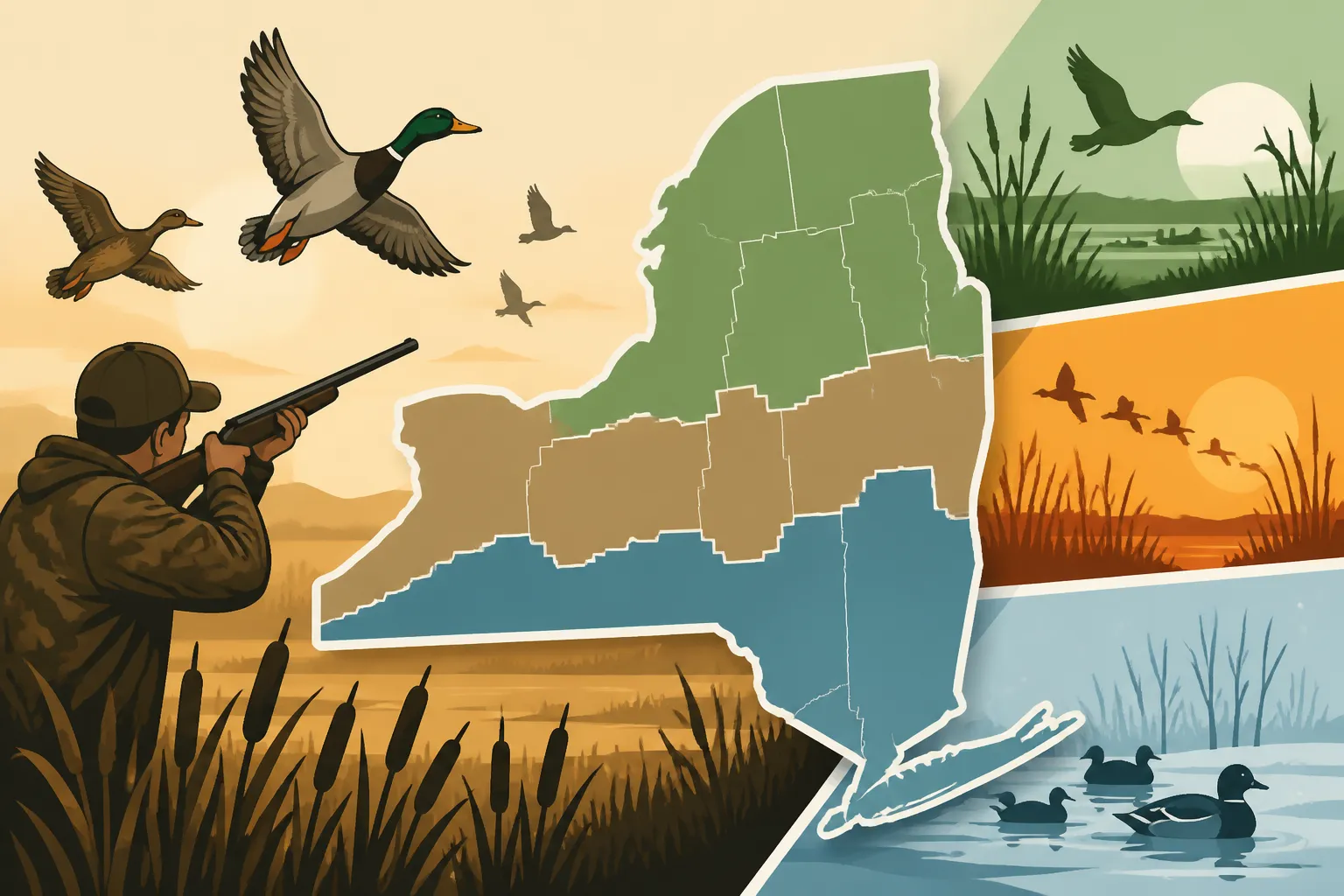
New York's diverse geography, from vast Great Lakes shorelines to sprawling inland marshes and coastal estuaries, necessitates a zoned approach to waterfowl management. These zones aren't just lines on a map; they directly dictate when and for how long you can hunt ducks and geese, reflecting differences in habitat, bird populations, and migration patterns across the state. Understanding which zone you're hunting in is the first and most crucial step to staying legal and planning a successful outing.
The Importance of Zone Lines for Hunters
The New York Department of Environmental Conservation (DEC) divides the state into specific waterfowl zones for a very good reason: migratory bird populations don't arrive and depart on a perfectly uniform schedule across hundreds of miles. What's happening with duck migration in the St. Lawrence River Valley in late October is often vastly different from the situation on the south shore of Long Island, where sea ducks and brant might just be starting to show up in numbers. These zones allow wildlife managers to tailor season dates and bag limits to local conditions, ensuring sustainable harvest opportunities while protecting breeding populations. For hunters, this means you absolutely must know which zone you're in, as hunting out of season, even by a day or two, can lead to serious penalties. It's not just about drawing a boundary; it's about acknowledging ecological realities.
Western Zone Boundaries and Key Water Bodies
The Western Zone in New York is a massive area, encompassing the western half of the state, roughly west of a line running from Lake Ontario south through Syracuse and Binghamton. This zone is characterized by its proximity to the Great Lakes — specifically Lake Erie and Lake Ontario — as well as numerous significant inland waterways like the Finger Lakes, the Genesee River, and the Oneida Lake system. Hunters in this zone often find themselves targeting a mix of puddle ducks in smaller marshes and divers on the vast open waters of the Great Lakes. The season dates here are often influenced by the early arrival of migrants from the Midwest and Canada, and the zone frequently experiences heavy lake-effect snows that can dramatically impact hunting conditions, pushing birds further south or concentrating them in open water. Knowing the exact boundaries, often defined by specific highways or county lines, is critical for those who might hunt near a zone border.
Northeastern Zone Delineations and Habitat
Moving eastward, the Northeastern Zone covers a large portion of upstate New York, including the Adirondack region, the Champlain Valley, and the St. Lawrence River Valley. This zone shares a border with Vermont and Canada, and its waterfowl populations are heavily influenced by migration patterns along the Lake Champlain and St. Lawrence River corridors. Key habitats include the expansive Lake Champlain marshes, the broad St. Lawrence River and its numerous bays, as well as smaller inland lakes and beaver flows throughout the Adirondacks. Hunting here can be quite diverse, from chasing resident geese in agricultural fields to jump-shooting black ducks on remote beaver ponds or setting large decoy spreads for divers on the Great Lake-like expanse of Lake Champlain. The season dates in this zone are often set in coordination with Vermont, reflecting shared migratory pathways and populations.
Southeastern Zone and Long Island Dynamics
The Southeastern Zone covers the lower Hudson Valley, extending south to Westchester County and parts of Long Island, before transitioning into the unique Long Island Zone. This area experiences a different climate and migratory pattern, with strong influences from the Atlantic Flyway. The Hudson River, particularly its tidal sections, offers significant waterfowl opportunities, as do numerous smaller marshes, reservoirs, and agricultural lands in the surrounding counties. The Long Island Zone, a distinct entity, includes all of Long Island and its associated coastal waters. This zone is particularly known for its sea duck hunting, brant, and resident Canada geese, as well as a variety of puddle ducks and divers utilizing the vast saltwater bays and estuaries. Due to its unique characteristics and sometimes milder winters, the Long Island Zone often has staggered season openers and longer overall hunting periods, sometimes even with a split season to accommodate different migration waves. It’s a completely different ballgame down here compared to the upstate zones.
Navigating Duck Seasons in Each New York Zone
Once you understand the zones, the next step is to dive into the duck season specifics. This is where it really gets detailed, because not only do the general season dates vary by zone, but even the bag limits for certain species can fluctuate, and specific periods for early teal or late-season opportunities are zone-dependent. It's not enough to know the duck season starts in November; you need to know when in November, where, and for which ducks.
Western Zone Duck Dates and Species Focus
The Western Zone often kicks off its duck season earlier than other upstate zones, sometimes as early as late September for resident birds, followed by the main season starting in October or November, depending on the year and federal frameworks. The early split often allows hunters to target local puddle ducks like wood ducks, mallards, and teal before the major migration pushes in. As the season progresses into late fall and early winter, the focus shifts. Hunters on Eastern Lake Ontario might find excellent opportunities for diver ducks, including scaup, canvasbacks, and goldeneyes, as those birds stage on the vast open water. Further inland, marsh hunters will still be chasing mallards and black ducks, especially after cold fronts push new birds into the region. Remember that hunters in this zone, especially those near the Great Lakes, need to be ready for rapidly changing weather, including high winds and heavy lake-effect snow that can make a difference between a slow day and an epic hunt.
Northeastern Zone Duck Season Specifics
The Northeastern Zone typically sees its main duck season open in mid-October, allowing for a good run through early to mid-December. However, specific opportunities like the September early teal season are also important here, offering a brief, fast-paced hunt for green-winged and blue-winged teal before the main migration. For those who hunt the Lake Champlain Marshes or the St. Lawrence River, the season might align closely with Vermont's dates, which is something to keep in mind if you hunt both sides of the border. Puddle ducks, including mallards, black ducks, and wood ducks, are common targets in the smaller impoundments and beaver flows of the Adirondack foothills, while the larger rivers and lakes will hold good numbers of divers. This zone experiences significant cold fronts earlier than the Southern Tier, often pushing birds out as ice begins to form, making the early and mid-season critical for good success.
Southeastern Zone Duck Season Challenges
Hunting ducks in the Southeastern Zone can present unique challenges, primarily due to higher population density, more limited public access, and often a later "real" migration push compared to the colder northern zones. The season here often opens in October and runs into January, sometimes with a split in November. Hunters in areas like the Hudson Valley might target puddle ducks in small, private wetlands or along the river's tidal flats. The key here is often securing private land access or meticulously scouting out lesser-known public areas. Pressure can be high, and ducks can get wary quickly, so tactics like using subtle decoy spreads or focusing on jump-shooting can be more effective. Birds like black ducks, mallards, and wood ducks are common, but late in the season, you might also see some divers moving into larger water bodies. Understanding New York's Sunday hunting rules is also key here, as some areas may have specific restrictions.
Long Island Zone Duck Hunting Opportunities
The Long Island Zone truly stands apart with its unique waterfowl seasons and diverse hunting opportunities. It often features a split season for ducks, with an early segment in October and then a longer, more productive period from November through January. This split allows hunters to target early migrants and resident birds before the major pushes of northern ducks arrive. Long Island is renowned for its excellent sea duck hunting, with liberal seasons for scoters, long-tailed ducks (oldsquaw), and eiders. Brant, a prized coastal goose species, also has its own specific season and bag limits, often tied to the late duck season. Bay hunters will find good numbers of divers like bluebills (scaup), buffleheads, and goldeneyes. The sheer variety of waterfowl and the extensive coastline make Long Island a premier destination for many different types of duck hunting. However, access can be a challenge, often requiring boat use or special permits for specific state parkland hunting rules.
Canada Goose Hunting Seasons and Regulations
Beyond ducks, Canada geese offer some of the most consistent and exciting waterfowl hunting opportunities across New York State. But just like ducks, their seasons and regulations are highly dependent on the zone you’re hunting, and whether you're targeting abundant resident birds or the major migratory flights from the north. The DEC manages goose populations carefully, often providing additional opportunities to help control burgeoning resident goose numbers.
Early September Goose Season
One of the most popular goose hunting opportunities is the early September Canada goose season. This special season, typically running for about two weeks, is specifically designed to reduce New York's burgeoning resident Canada goose population, which has become quite significant in many areas, particularly in agricultural lands and suburban settings. The season usually has a generous bag limit, sometimes up to eight geese per day in some areas, and provides an excellent chance to hunt before other hunting seasons fully open. This season occurs statewide, but specific local rules might apply, so always double-check the current year's regulations. Hunters often find success by scouting agricultural fields where geese are feeding, setting up large spreads of decoys, and using effective calling techniques. It's a fantastic way to kick off the waterfowl year.
Resident Population Goose Zone Rules
Outside of the early September hunt, Canada goose seasons continue through the fall and winter, with specific "Resident Population Goose Zones" having different bag limits and season lengths. These zones are usually designed to allow for continued harvest of locally breeding birds. For example, the West Central, East Central, and Southwest Resident Population Goose Zones might have more liberal bag limits for much of the fall compared to the Northeast or Lake Champlain Zones, which are more focused on migratory birds. Knowing these specific zones and their boundaries is crucial. The larger general Canada goose seasons will open concurrently with duck seasons in most zones, often running from October through January, or even into February in some specific late seasons. Effective scouting is paramount here, as geese can be incredibly patterned and will quickly avoid heavily pressured areas. Using mapping tools like GoHunt can be invaluable for identifying potential feeding fields and resting areas.
Migratory Goose Seasons and Timing
While resident geese provide consistent hunting, many hunters eagerly await the arrival of migratory Canada geese from northern breeding grounds. These birds typically start arriving in numbers from late October through November, especially after the first significant cold fronts push south. The timing of these flights can be somewhat unpredictable, making scouting and staying informed about weather patterns crucial. When the migratory birds show up, hunting can be exceptional, with large flocks moving across the landscape. The bag limits for migratory geese are often more conservative than for resident birds, reflecting the need to manage these populations at a broader flyway level. Major waterways like the St. Lawrence River and Lake Ontario, as well as large agricultural areas in Western New York, become key staging areas for these birds. Understanding the "New York Goose Zones and Seasons" specifically for migratory birds will help hunters maximize their chances.
Special Late Season Goose Opportunities
To further manage resident goose populations, the DEC often implements special late goose seasons in various zones, typically running through January and sometimes into early February. These seasons offer additional hunting opportunities when many other waterfowl seasons have closed, providing a chance to target geese that have wintered in New York. The bag limits can again be generous during these periods. However, late-season hunting often comes with its own set of challenges, including extreme cold, deep snow, and wary birds that have been pressured for months. Decoys may need to be carefully positioned in snow or on ice, and hunters often need to be prepared for Cold-Weather Sitting Strategy in New York. Finding open water or exposed agricultural fields where geese can feed is key. These late hunts are a fantastic way to extend the waterfowl season and fill the freezer.
Brant, Snow Geese, and Other Waterfowl Seasons
While ducks and Canada geese get most of the attention, New York offers opportunities for several other fascinating waterfowl species. These less commonly pursued birds often have their own specific season dates, bag limits, and hunting regulations, making it even more important to consult the official DEC regulations each year. For the dedicated waterfowl hunter, these specialized hunts can add a unique dimension to their season.
Brant Season Specifics and Coastal Hunts
Brant are a unique, smaller species of goose with a distinctly coastal habitat preference. In New York, their hunting opportunities are almost exclusively found in the Long Island Zone, where they frequent shallow saltwater bays and estuaries, feeding primarily on eelgrass. The brant season is typically shorter than Canada goose seasons and often overlaps with the late duck season on Long Island. Bag limits are usually quite conservative, often one or two birds per day, reflecting their more specialized habitat and population status. Hunting brant usually involves specialized setups, often requiring boat access and positioning decoys over shallow flats at specific tides. It's a different kind of goose hunt, requiring an understanding of tidal movements and coastal ecology. These birds can be incredibly wary, making for a challenging but rewarding pursuit.
Snow Goose Conservation Order
Snow geese, particularly the greater snow goose, migrate through New York in significant numbers during both fall and spring, though their seasons are managed differently from other waterfowl due to their booming populations. During the regular waterfowl seasons, snow geese have a generous bag limit. However, New York also participates in the federal Snow Goose Conservation Order, which is a special management action designed to reduce their population size, as overgrazing by snow geese on their arctic breeding grounds is causing widespread habitat destruction.
This conservation order allows for an extended hunting season, often running from late winter into spring, after the regular waterfowl seasons have closed. During this period, regulations are significantly relaxed: hunters can use electronic calls and unplugged shotguns, and there are often no daily bag limits or possession limits. This provides a truly unique hunting experience, often involving massive decoy spreads and intense calling. Hunters should always check the "New York Waterfowl Zones and Seasons" for the specific dates and rules of the conservation order each year, as they can vary slightly.
Scaup (Bluebill) and Other Diver Regulations
Scaup, commonly known as bluebills, are a popular target for diver duck hunters, particularly on the Great Lakes and larger inland waters. Unfortunately, scaup populations have been in a long-term decline, leading to more restrictive bag limits and season lengths in recent years. Hunters need to pay close attention to the specific scaup regulations, which often include a reduced daily bag limit compared to other ducks, and sometimes even a split bag (e.g., 2 scaup for the first part of the season, then 1 for the latter part). Other divers like redheads, canvasbacks, and ring-necked ducks also have specific bag limits. While canvasbacks and redheads generally have more restrictive limits (often 1 or 2 per day), ring-necked ducks tend to have more liberal limits. These regulations are designed to help these populations recover, and responsible hunters play a critical role by adhering to them strictly.
Merganser and Coot Seasons
Mergansers (common, red-breasted, and hooded) and coots are often overlooked by duck hunters, but they are legal game and can provide additional opportunities and table fare. Mergansers have a separate daily bag limit, which is typically more generous than for true ducks. While some hunters might pass on them, hooded mergansers are particularly beautiful birds, and all mergansers can be quite good to eat if properly prepared (often requiring skinning rather than plucking due to their oily diet). Coots also have a separate and often liberal daily bag limit. They are found in many of the same freshwater habitats as puddle ducks and can be a good target for newer hunters or those looking to add more birds to their strap. Their seasons generally run concurrently with the regular duck seasons within each zone. As always, consult the official DEC regulations to ensure you're aware of the specific limits for these species.
Essential Requirements Beyond the Season Dates
Knowing the zones and dates is just the beginning. Waterfowl hunting in New York, like all migratory bird hunting in the United States, comes with a specific set of federal and state requirements that you must fulfill before you even think about setting foot in a marsh or field. Overlooking any of these can lead to fines, confiscation of gear, and loss of hunting privileges, so it's critical to understand and acquire all necessary certifications and stamps.
Federal Duck Stamp and HIP Certification
These two federal requirements are non-negotiable for anyone 16 years of age or older hunting migratory waterfowl in the United States, including New York.
The Federal Duck Stamp (officially the Migratory Bird Hunting and Conservation Stamp) is a physical stamp that you must purchase annually. It's more than just a permit; 98 cents of every dollar spent on duck stamps goes directly to conserve wetlands and acquire waterfowl habitat for the National Wildlife Refuge System. This means that by buying a duck stamp, you are directly contributing to the conservation of the very birds you love to hunt. You must sign the stamp across the face and carry it with you while hunting.
HIP (Harvest Information Program) Certification is a separate, free certification required annually. It’s essentially a survey you complete when you buy your state hunting license, asking about your migratory bird hunting activity from the previous year. This data is crucial for wildlife managers at the U.S. Fish and Wildlife Service to estimate harvest numbers and set future season frameworks. It’s quick, easy, and absolutely mandatory for all migratory bird hunters. Make sure you get your New York HIP Certification for Bird Hunters.
New York Migratory Bird Certification
In addition to federal requirements, New York State has its own Migratory Bird Certification. This is a state-specific requirement that you typically add to your regular New York hunting license. It's usually a small additional fee and signifies that you are authorized to hunt migratory game birds within New York. This certification helps the state track participation and ensures that hunters are aware of New York's specific regulations regarding migratory species. When purchasing your hunting license online or through a license vendor, you'll be prompted to add this certification if you indicate an intent to hunt migratory birds. It's another layer of accountability that helps the DEC manage the state's waterfowl resources effectively.
Legal Shooting Hours and Equipment
Adhering to legal shooting hours is absolutely critical for waterfowl hunting. In New York, the legal shooting hours for migratory birds are generally from 30 minutes before sunrise until sunset. This timing is strictly enforced, and shooting outside of these hours, even by a few minutes, is a serious violation. Always carry a reliable light source, like a headlamp, and know how to check official sunrise and sunset times for your specific location. Most hunters use a reputable hunting app or a local newspaper for this information.
Regarding equipment, the most important rule is the use of nontoxic shot. Federal regulations require the use of nontoxic shot (steel, bismuth, tungsten-alloy, etc.) for all waterfowl hunting, including ducks, geese, brant, and coots. Lead shot is strictly prohibited to prevent lead poisoning in waterfowl. Your shotgun must also be plugged so that it cannot hold more than three shells total (one in the chamber, two in the magazine). This means carrying an empty shell or a dowel in your magazine to reduce capacity. These regulations are designed for both hunter safety and wildlife conservation.
Blinds, Decoys, and Calling Ethics
The use of blinds, decoys, and calls is integral to waterfowl hunting. On public land, rules regarding permanent blinds can vary, but generally, temporary blinds made of natural vegetation or portable structures are allowed. Ensure you adhere to any rules about leaving structures overnight or damaging live vegetation. Decoy spreads can range from a few dozen puddle duck decoys in a marsh to hundreds of full-body goose decoys in a field. Always retrieve all your decoys after the hunt; leaving them behind is littering and can be harmful to wildlife. Calling is an art form, and ethical calling involves using calls to attract birds, not to simply harass them. Be mindful of other hunters, especially on public land. Using tools like a GoHunt membership can help you locate public access points and better plan your decoy setups by studying aerial maps of the area. It’s also wise to understand the rules around using motorized decoys (spinners), as these can sometimes be restricted, particularly in certain zones or during specific parts of the season.
Key Waterfowl Hotspots and Habitat Types
New York's position on the Atlantic Flyway means it's a critical stopover for millions of migratory waterfowl each year. Identifying key hotspots and understanding different habitat types will dramatically improve your success rate, allowing you to tailor your approach to where the birds want to be. From vast inland seas to intricate marsh systems and productive agricultural lands, New York offers a diverse landscape for waterfowl hunters.
Great Lakes Shorelines and Major Rivers
The Great Lakes, particularly Lake Ontario and Lake Erie, and their associated major rivers like the St. Lawrence River, are quintessential diver duck hunting grounds in New York. These expansive, nutrient-rich waters attract massive rafts of bluebills, canvasbacks, goldeneyes, buffleheads, and redheads during migration. The hunting here can be challenging, often requiring large boats, specialized decoy spreads, and a keen eye for diver duck behavior on open water. You'll often find hunters running long lines of decoys far from shore. The St. Lawrence River Marshes are particularly renowned for both divers and puddle ducks, offering diverse opportunities depending on the specific location and time of year. Hunters need to be prepared for rough water conditions and understand safe boating practices, especially when chasing Diver Hunting on Eastern Lake Ontario, as weather can change rapidly.
Finger Lakes Region and Inland Marshes
The Finger Lakes region, with its deep glacial lakes, smaller ponds, and crucial wetlands like the Montezuma National Wildlife Refuge complex, offers excellent inland waterfowl opportunities. While Montezuma itself is largely a refuge, the surrounding public and private lands provide ample hunting. Puddle ducks like mallards, wood ducks, and green-winged teal thrive in these marshy environments. Many of the smaller Finger Lakes also attract both puddle and diver ducks. Hunters in this region might focus on Layout Blind Hunting Finger Lakes Fields for geese or ducks feeding in agricultural areas, or set up in natural blinds along marsh edges. This landscape provides a good mix of opportunities, from jump-shooting small ponds to setting up for larger flights over fields. It's a fantastic area to explore, but knowing where the birds are resting versus feeding is key.
Coastal Bays and Estuaries
The unique ecosystem of Long Island's coastal bays, estuaries, and salt marshes provides unparalleled opportunities for sea ducks, brant, and a variety of puddle and diver ducks that utilize brackish and saltwater environments. Great South Bay, Peconic Bay, and numerous smaller inlets offer rich feeding grounds. Here, hunting often involves special tidal considerations and robust boat setups to handle often choppy conditions. Target species include scoters, long-tailed ducks, eiders, and brant, along with black ducks and various divers. Access can be tight, so identifying public access points or securing private permission is vital. Hunters here need specialized gear, including durable waders for New York marsh hunting in saltwater, and decoys designed for coastal environments. The blend of saltwater and freshwater influences makes this a dynamic and unique hunting experience.
Agricultural Fields for Geese and Puddle Ducks
Across much of New York, particularly in the Western Zone and Southern Tier, agricultural fields are magnets for Canada geese and often puddle ducks, especially mallards and pintails. Cut cornfields, harvested soybean fields, and winter wheat plantings provide crucial high-energy food sources for these birds. Hunting these areas typically involves setting up large decoy spreads, often using full-body or shell decoys, and concealing hunters in layout blinds or natural cover along field edges. Successful field hunting relies heavily on scouting to identify which fields birds are using and at what times of day. Early Goose Season Tactics in New York often revolve around these agricultural fields, as resident geese make heavy use of them. Private land permission is frequently required for field hunting, making landowner relations a key component of success in these areas.
Strategies for Success Across New York's Zones
Successfully hunting waterfowl in New York is a blend of understanding regulations, knowing your chosen zone, and applying effective hunting strategies. It's about more than just showing up on opening day; it requires scouting, adaptability, and an understanding of bird behavior and how it interacts with the local environment and weather.
Scouting and Patterning Birds
Effective scouting is, without a doubt, the single most important factor in consistent waterfowl hunting success. Waterfowl are creatures of habit, often following predictable patterns from their roosting areas to feeding grounds and back. Scouting involves spending time before and during the season observing these movements. Use binoculars and spotting scopes to watch flight lines, identify feeding fields, and locate resting areas. Note how birds react to pressure and weather changes. Tools like a GoHunt membership can be incredibly helpful here, allowing you to overlay public and private land boundaries on aerial maps, pinpoint potential feeding areas, and identify remote access points that might hold less pressured birds. For geese, knowing their exact feeding fields can be the difference between limits and an empty spread. For ducks, understanding where they prefer to loaf during the day or feed in smaller potholes is crucial.
Decoy Spreads for Different Waterfowl
The type and size of your decoy spread should vary depending on the species you're targeting and the environment you're hunting.
- Puddle Ducks: In smaller marshes or ponds, a modest spread of a dozen to two dozen mallard, black duck, and wood duck decoys is often sufficient. Consider an "L" or "J" shaped spread with a landing zone in front of your blind. Motion decoys, like jerk strings or spinning wing decoys (where legal), can add realism.
- Divers: For open water diver hunting, larger spreads of several dozen decoys are common. Focus on species-specific decoys like bluebills, redheads, and canvasbacks, often set in long lines or rafts, mimicking natural feeding and resting patterns. Spreads can extend out 50-100 yards.
- Geese: Field goose hunting often calls for the biggest spreads, sometimes hundreds of full-body or shell decoys to mimic a large feeding flock. Confidence decoys like sentry or rester poses can add realism. In areas with high pressure, smaller, more natural spreads can sometimes be more effective. When setting up decoys on a Frozen Pothole, ensure they are secured and visible.
Weather and Migration Impact
Weather plays a monumental role in waterfowl hunting success. Cold fronts, particularly strong northern pushes, often trigger significant migratory movements, bringing new birds into the region. Conversely, mild weather can hold birds further north, delaying their arrival in New York. Pay close attention to temperature drops, wind direction, and precipitation. High winds can make birds fly lower and become more attracted to decoys, while calm, bluebird days can make them wary and high-flying. Ice formation is another critical factor; as ponds and marshes freeze, birds are forced to concentrate on open water or move further south. Keeping a Muzzleloader Dry in Lake-Effect Snow might be a concern for deer hunters, but for waterfowl, it’s about staying dry and warm yourself, and ensuring your gun functions reliably in harsh conditions. Always check the forecast and be prepared to adjust your hunting plans accordingly.
Public Versus Private Land Access
Access is often a major hurdle for waterfowl hunters. New York offers a good amount of Public Hunting Land in New York, including State Forests and Wildlife Management Areas (WMAs). Many WMAs are specifically managed for waterfowl and offer excellent opportunities. However, public land can also experience heavy hunting pressure, especially on opening weekends.
- Public Land: When hunting public land, arrive early, be respectful of other hunters, and be prepared to walk or paddle to less accessible spots. Using the New York HuntFishNY app or a tool like GoHunt's public land maps can help identify overlooked areas or those with specific waterfowl habitat improvements.
- Private Land: For many, especially goose hunters targeting agricultural fields, securing private land permission in New York is essential. This requires courteous communication with landowners, asking for permission well in advance, and always respecting their property. Building good relationships can open up consistent hunting opportunities year after year. For those in more suburban areas, Hunting Small Private Tracts in New York can yield surprising results for ducks and resident geese.
Reporting and Conservation Efforts
Waterfowl hunting is inextricably linked to conservation. Every time you buy a license, a duck stamp, or specific gear, you're contributing to the health of the resource. However, one of the most direct and crucial ways hunters contribute is by accurately reporting their harvest and supporting organizations dedicated to habitat preservation.
Reporting Your Harvest for Conservation
Reporting your waterfowl harvest might seem like a minor detail, but it's incredibly important for wildlife management. While New York requires deer hunters to report their deer through HuntFishNY, migratory bird harvest data is primarily collected through the national Parts Collection Survey and the national Migratory Bird Hunter Survey. When you complete your HIP certification, you might be selected to participate in a follow-up survey where you'll be asked about your harvest numbers. If you receive one of these surveys, please take the time to fill it out accurately. This data, combined with wing and tail collections at check stations, helps biologists understand population trends, annual harvest rates, and adjust season lengths and bag limits to ensure sustainable hunting opportunities for future generations. Your contribution is vital to effective management.
Supporting Habitat and Research
Every waterfowl hunter should understand that their license fees, duck stamp purchases, and contributions to conservation organizations directly fund the habitat that migratory birds depend on. Organizations like Ducks Unlimited, Delta Waterfowl, and the National Wild Turkey Federation (which also supports wetland habitats) are instrumental in conserving and restoring wetlands across the continent, from breeding grounds to wintering areas. The funds generated by the Federal Duck Stamp alone have conserved millions of acres of wetlands. Beyond financial contributions, active participation in habitat projects, even on a local level, can make a difference. Supporting research efforts by accurately providing information when requested, such as submitting a bear tooth sample for big game, or providing wing data for ducks and geese, helps biologists make informed decisions.
Avoiding Disease Spread
In recent years, highly pathogenic avian influenza (HPAI) has become a significant concern for waterfowl populations. While hunters are generally at low risk, it's crucial to take precautions to prevent the spread of disease, both among wild birds and to domestic poultry. Always wear gloves when handling harvested birds, and thoroughly clean all equipment, including decoys, waders, and boats, especially if you move between different hunting locations. Properly dispose of bird carcasses and avoid contact with visibly sick or dead birds. This responsible behavior helps protect both wild bird populations and the health of the environment, ensuring healthy populations for future hunting seasons.
Final Thoughts on New York Waterfowling
New York's waterfowl hunting opportunities are as diverse and rich as its landscapes, offering challenges and rewards for every type of hunter. From the roaring waters of the Great Lakes to the quiet serenity of a Catskill beaver pond, the pursuit of ducks and geese is a deeply ingrained tradition. It’s a pursuit that connects us to nature, tests our resolve against the elements, and fills our freezers with some of the finest wild game meat.
The Joy of a Cold Morning Hunt
There’s something truly special about a cold, crisp morning in the blind, the faint outlines of decoys emerging from the pre-dawn mist, and the distant sounds of waterfowl beginning to stir. The anticipation builds with every passing minute, culminating in the heart-pounding moment when a flock commits to your spread, wings cupped, legs down. Whether it’s the whir of a mallard’s wings overhead or the distant gabble of Canada geese, these are the moments we live for. The shared camaraderie in the blind, the expertly trained retrieving dog, and the smell of gunpowder mixed with marsh air create indelible memories. It's a primal connection to the wild, a testament to patience and persistence, and a reminder of the raw beauty of New York's outdoors.
Staying Safe and Respectful
As with all forms of hunting, safety must always be paramount. Always follow all firearm safety rules, wear appropriate personal flotation devices when boating, and never overload your boat. Be mindful of legal shooting hours and always identify your target clearly before taking a shot. Respect for the resource, for fellow hunters, and for landowners is also crucial. Pack out everything you pack in, leave no trace, and ensure your actions positively reflect on the hunting community. A responsible and ethical hunter contributes not only to successful conservation efforts but also to maintaining the public's perception of hunting as a valued wildlife management tool and a cherished outdoor tradition in New York.
Disclaimer
The information provided in this guide is for informational purposes only and is not a substitute for the official New York State Department of Environmental Conservation (DEC) hunting regulations. Hunters are responsible for reviewing and adhering to all current state and federal regulations before participating in any hunting activity. Seasons, bag limits, and rules can change annually; always consult the latest DEC Hunting & Trapping Regulations Guide.