New York Small Game and Upland Bird Seasons
Navigating the myriad of hunting seasons in New York can feel like trying to solve a complex puzzle, especially when you're keen on pursuing small game and upland birds. Unlike the more straightforward big game seasons, small game offers a constantly shifting calendar across different species, habitat types, and even specific zones within the state. It's easy to get lost in the details of squirrel dates, rabbit openers, or whether you need a special permit for pheasants. This comprehensive guide is designed to cut through that confusion, giving you a clear roadmap to understanding New York's small game and upland bird seasons, regulations, and essential hunting strategies so you can spend more time in the woods and fields, and less time scratching your head over the rulebook.
Understanding New York's Small Game Landscape
New York State is a surprisingly rich tapestry when it comes to small game and upland bird hunting, offering a diverse array of opportunities from the dense Adirondack forests to the rolling farmlands of the Southern Tier. For many hunters, especially those just starting out or looking to extend their time in the field beyond deer season, small game offers a fantastic way to hone skills, spend time outdoors, and even put some delicious wild meat on the table.
The Diverse World of Small Game in NY
When we talk about small game in New York, we're really encompassing a vibrant collection of species, each with its own charm and challenges. This isn't just about deer and bear; it's about the rustle of a squirrel in the leaves, the explosive flush of a grouse from a thicket, or the frantic dash of a cottontail through the brush. The accessibility of small game hunting often means less competition than big game, and seasons that frequently span longer periods, providing ample opportunity to get out and explore various landscapes.
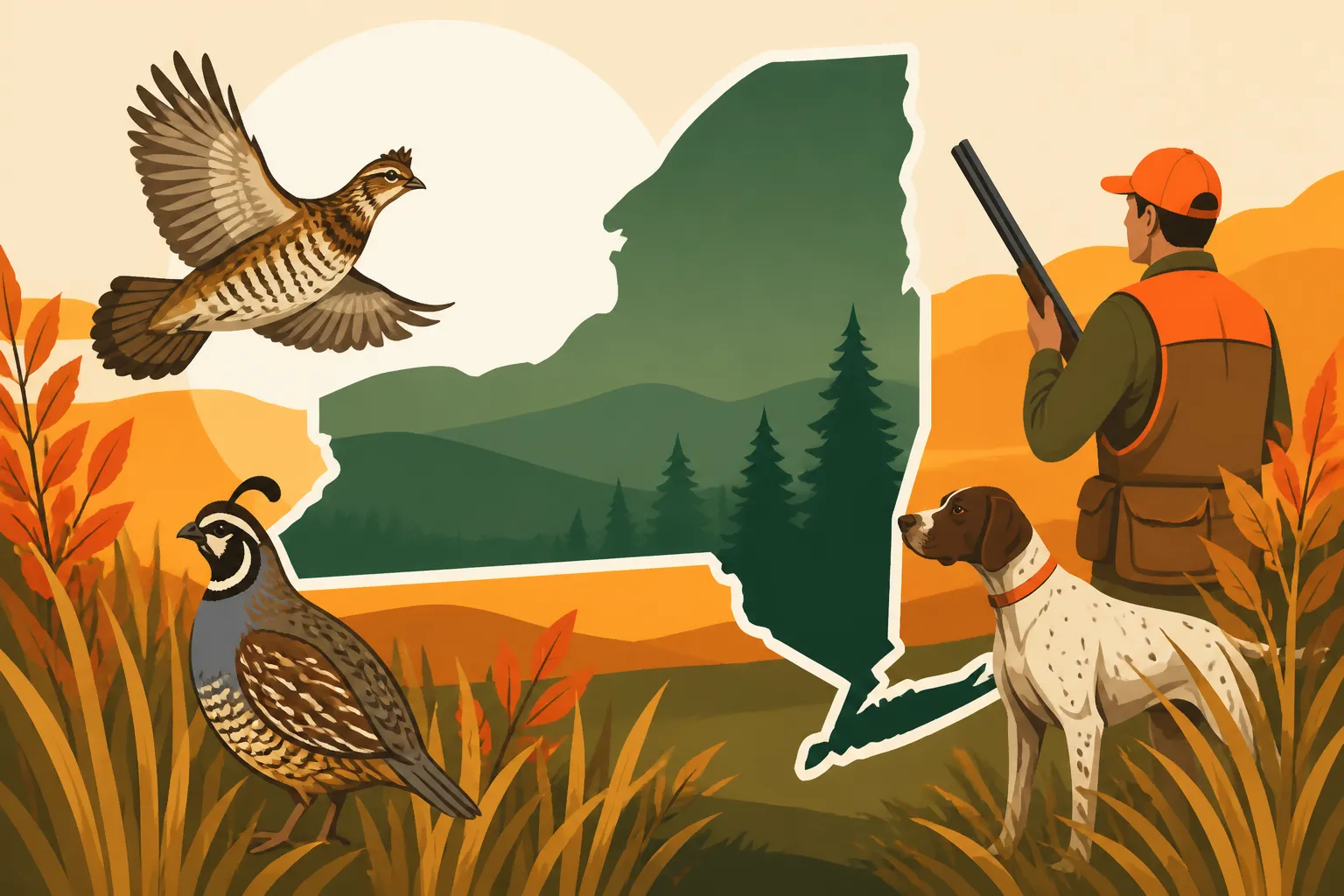
From the ubiquitous gray squirrel, a favorite target for new hunters learning the ropes, to the elusive snowshoe hare that demands keen tracking in winter snows, New York has it all. Upland bird hunters can chase the king of game birds, the ruffed grouse, through regenerating timber cuts, or follow migratory woodcock through alder runs. For those looking for a more managed experience, pheasant hunting, often bolstered by state stocking programs, provides fast-paced action in open fields. This diversity means that no matter your preferred style of hunting, there's a small game pursuit waiting for you, offering unique lessons in woodsmanship, tracking, and firearm proficiency. It's an excellent way to introduce young hunters to the sport or to simply enjoy a more relaxed outing with friends and a good dog.
Navigating Season Zones and Regulations
One of the biggest hurdles for small game hunters in New York is understanding that seasons aren't always statewide. Just like with big game, the state is often divided into different zones, and sometimes even specific wildlife management units (WMUs) that can have slightly different opening and closing dates, bag limits, or even unique regulations. This zonal complexity is a reflection of varying wildlife populations, habitat conditions, and hunting pressure across the Empire State.
For instance, the Southern Zone often has different season dates than the Northern Zone, particularly for species like varying hare (snowshoe hare), which are more prevalent in the colder, snowier Adirondack regions. Even within a zone, regulations can be quite specific; for example, some areas might have special provisions for pheasant stocking or youth hunting days. It’s absolutely critical to consult the New York State Department of Environmental Conservation (DEC) hunting and trapping regulations guide every single year. These guides are updated annually and are the definitive source for legal information. Relying on last year's guide or information from a friend might lead to an unintentional violation, which is something no responsible hunter wants. Being precise about where and when you're hunting is not just about following the law; it’s about respecting the resource and ensuring sustainable hunting opportunities for everyone.
Squirrel Hunting in New York
Squirrel hunting is often considered a gateway to hunting for many, and for good reason. It teaches patience, stealth, marksmanship, and the ability to read the woods. In New York, the primary targets are gray squirrels, but in certain areas, you might also encounter the larger, more vibrantly colored fox squirrel. Both offer excellent table fare and a challenging hunt.
Gray and Fox Squirrel Seasons
New York's squirrel season is typically one of the longest and most forgiving, often opening in early September and running well into late February of the following year. This extended window gives hunters plenty of opportunities to hit the woods, whether it's on a warm autumn afternoon or a crisp, cold winter morning. The bag limit for squirrels is usually generous, often set at six per day. This allows for a productive outing, especially when targeting a bushytail dinner.
Gray squirrels are widespread across most of New York's deciduous and mixed forests. They thrive in areas with abundant mast crops like oak, hickory, and beech, which are plentiful throughout the state, particularly in the Southern Tier and Catskill regions. Fox squirrels, while present, are less common and tend to favor more open, mature woodlands, often found in agricultural areas and river bottoms, particularly in western New York. Their larger size and somewhat shier nature can make them a prized trophy. It's always a good idea to check the specific dates for the zone you plan to hunt, though squirrel seasons tend to be more uniform than other small game species. The beauty of such a long season means you can hunt squirrels in various conditions, from dense autumn foliage to bare winter branches, each presenting its own unique challenges and rewards.
Effective Squirrel Hunting Tactics
Successful squirrel hunting often boils down to a few key tactics: patience, keen observation, and understanding their feeding habits. One of the most common and effective methods is still-hunting, which involves moving very slowly through the woods, pausing frequently to listen and scan the trees. Squirrels are incredibly active, constantly foraging on the forest floor or scampering up trunks, making them relatively easy to spot if you're patient enough.
Another excellent tactic is to simply find a good mast tree – an oak, hickory, or beech – and sit quietly. The best time for this is often early morning or late afternoon when squirrels are most active. You'll want to position yourself so you have a clear view but also some cover to break up your silhouette. Listening for the distinct "chunking" sound of a squirrel chewing on nuts or the rustle of leaves as they move across the forest floor is key. You'll learn to differentiate these sounds from other woodland creatures. Keep an eye out for "cuttings" – small pieces of nut shells scattered on logs or stumps – as these are sure signs of recent squirrel activity. A .22 caliber rifle is a popular choice for squirrel hunting, offering precise shot placement without excessive damage to the meat, but a small gauge shotgun with light loads (like a 20-gauge with #6 shot) can also be effective, especially for squirrels on the move or in thick canopy. When sitting near prime feeding areas, a good pair of binoculars can help you spot those wary squirrels before they spot you, increasing your chances for a successful harvest.
Rabbit and Hare Hunting in the Empire State
There's something uniquely exhilarating about rabbit and hare hunting in New York. Whether you're busting thickets for cottontails or tracking snowshoes in the frozen north, these quick-witted critters provide fast action and some of the finest wild game meat around.
Cottontail Rabbit Season Details
Cottontail rabbits are arguably New York's most popular small game animal, found in virtually every corner of the state where suitable habitat exists. Their season typically opens in mid-fall, often aligning with the opening of small game seasons in October or November, and extends through late winter, usually into March. This long season, coupled with a generous daily bag limit, often set at six per day, makes cottontail hunting a favorite pursuit for many.
Cottontails thrive in brushy areas, fencerows, overgrown fields, briar patches, and the edges of woodlands – basically anywhere with dense cover to escape predators. They are masters of camouflage and can sit tight, only flushing when you're almost on top of them. The best cottontail hunting often occurs after a fresh snowfall. Not only does the snow make tracking easier, but it also forces rabbits to seek out more visible food sources and makes them stand out against the white background. The Southern Tier and Hudson Valley, with their mix of agricultural fields and pockets of dense cover, are prime locations for cottontails. Understanding their preference for thick cover is key; you often need to literally push through dense brush to get them to move.
Snowshoe Hare Seasons and Adirondack Pursuits
For a more specialized and often more challenging hunt, New York offers opportunities to pursue snowshoe hares, also known as varying hares. These animals are truly creatures of the north, with their season typically opening later than cottontails, often in December, and extending through March. The bag limit for snowshoes is usually set at three per day. Their range is primarily concentrated in the higher elevations and conifer forests of the Adirondacks, Tug Hill Plateau, and parts of the Catskills.
Snowshoe hares are iconic for their seasonal coat change, turning from brown in summer to pure white in winter, perfectly camouflaged against the snow. They prefer dense coniferous swamps, thick spruce-fir stands, and alder thickets, often at higher elevations where snow accumulates early and stays late. Hunting snowshoes is often a physically demanding endeavor, involving trudging through deep snow and dense cover. However, the reward of seeing a hare bolt through the winter wonderland is truly something special. Knowing how to read snowshoe tracks and identify their preferred bedding and feeding areas is crucial for success, especially in vast stretches of winter timber. These hunts are truly an immersive experience in New York's winter wilderness.
Tactics for Chasing Rabbits and Hares
Whether you're after cottontails or snowshoes, the tactics for hunting rabbits and hares often revolve around getting them to move. One of the most traditional and effective methods, particularly for cottontails, is using beagles. These small hounds are perfectly suited for flushing rabbits from dense cover and circling them back past the hunters. The sound of a beagle pack in full cry is music to any rabbit hunter's ears.
For those without dogs, jump-shooting or still-hunting through prime cover can also be productive. This involves systematically working through briar patches, fencerows, and thickets, anticipating where a rabbit might be hiding. Walking slowly, pausing often, and carefully observing the ground ahead can lead to a sudden flush. After a fresh snowfall, tracking becomes a primary tactic. Following fresh tracks in the snow can lead you right to a rabbit or hare sitting tight in its form. This is where a resource like GoHunt can be invaluable, offering detailed topographic maps and public land boundaries to help you navigate dense cover and locate those prime hare hangouts. Shotguns are the firearm of choice for rabbit and hare hunting, as their quick, erratic movements demand the spread of shot. Small game loads with #6 or #7.5 shot are generally ideal for these fast-moving targets. Regardless of the method, wear sturdy brush pants and waterproof boots, as you'll be pushing through some of the thickest cover New York has to offer.
Upland Bird Hunting: Grouse, Woodcock, and Pheasants
Upland bird hunting holds a special place in the hearts of many New York hunters. The pursuit of grouse, woodcock, and pheasants offers a blend of physical challenge, intense anticipation, and the thrill of the flush. Each species presents its own unique habitat requirements and hunting styles, painting a diverse picture of the state's sporting opportunities.
Ruffed Grouse Season and Habitat
The ruffed grouse, often referred to as the "king of game birds," provides one of New York's most challenging and rewarding hunting experiences. The season for grouse typically opens in early fall, often in September or October, and extends through mid-winter, usually into February. The bag limit is commonly set at three per day. However, it's crucial to consult the DEC regulations for specific dates and any variations by zone, as grouse populations can fluctuate and management strategies sometimes adapt. For instance, you can find the detailed dates by checking New York Grouse Season Dates.
Ruffed grouse thrive in specific types of young, regenerating forest habitat, particularly areas with aspen cuts, mixed hardwoods, and conifer pockets that provide both food and protection. They prefer thick cover, making them notoriously difficult to spot until they explode from underfoot with a thunderous flush. Prime grouse cover can be found in the Adirondacks, Catskills, Tug Hill, and many State Forests throughout the Southern Tier. Unfortunately, New York's grouse populations have faced declines in recent decades, largely due to habitat maturation. However, focused efforts on creating early successional habitat, such as the strategic clear-cutting of aspen stands, are vital for their recovery. Hunting grouse often involves walking old logging roads, power lines, or simply still-hunting through dense young timber, always ready for that explosive flush that sends your heart into overdrive. When exploring these thickets, understanding prime habitat, like those found in Grouse Hunting New York Aspen Cover, can significantly increase your success.
Woodcock Migration and Season
The American Woodcock, a smaller, migratory upland bird, offers a completely different, yet equally engaging, hunting experience. Often referred to as "timberdoodles," woodcock season in New York typically aligns with or slightly overlaps with grouse season, usually opening in early October and running for a shorter period, often through early November. This shorter window is dictated by their migratory patterns, as they move south ahead of the freezing ground. The bag limit for woodcock is generally set at three per day.
Woodcock are unique in their preference for moist, young, successional habitats, particularly alder runs, willow thickets, and regenerating clearcuts near wetlands or low-lying areas. They use their long, sensitive bills to probe the soft earth for earthworms, their primary food source. Hunting woodcock often involves working through these dense, wet areas, relying on flushing them from their hidden lies. Because they are migratory, timing is everything. A strong cold front can push birds south quickly, so staying abreast of migration reports and local conditions is key. A good pointing dog can be invaluable for finding these cryptically camouflaged birds. For hunters targeting woodcock, knowing where to focus your efforts, such as Finding Woodcock in Alder Runs, can be a game-changer. These birds hold tight, making for close-range flushes and fast shooting, a true test of a shotgunner's skill.
Pheasant Season and Stocking Programs
Pheasant hunting in New York offers a more traditional "field and stream" experience, often reminiscent of classic upland hunts. The pheasant season typically runs for a shorter period, usually opening in mid-October and extending through mid-November, with some variations by zone. The daily bag limit is generally two pheasants. Unlike grouse and woodcock, wild pheasants are scarce in New York, and the majority of pheasant hunting opportunities are provided through the DEC's extensive stocking program.
The DEC annually releases thousands of pheasants on various public and private lands across the state, specifically managed for public access. These birds provide excellent opportunities, especially for new hunters, youth hunters, and those who enjoy hunting with pointing or flushing dogs. Hunters pursuing stocked pheasants must possess a valid New York State hunting license and often need a special pheasant stamp or permit. The stocking sites are primarily located in the agricultural regions of the Southern Tier, Finger Lakes, and Western New York. These open fields, interspersed with fencerows and pockets of brush, provide ideal habitat for stocked birds. Checking the New York Pheasant Season Opening Day and knowing which sites receive New York's Pheasant Stocking Program releases can make for a very productive hunt. While not native, stocked pheasants provide a valuable recreational opportunity and are a delicious addition to the table, offering thrilling flushes and a chance to experience upland hunting in a more managed setting.
Essential Gear and Regulations for Small Game Hunters
Stepping into the New York small game woods requires more than just knowing the season dates. Having the right gear and a solid understanding of fundamental regulations ensures a safe, comfortable, and successful outing. From your choice of firearm to the clothes on your back, preparation is key.
Firearms and Ammunition for Small Game
When it comes to small game, versatility in firearms is often appreciated. For squirrels, a .22 caliber rifle is a popular choice due to its accuracy and minimal meat damage. However, many hunters also opt for a shotgun, especially if they plan to combine squirrel hunting with other species or if shots might be at moving targets high in the canopy. For rabbits, hares, grouse, woodcock, and pheasants, a shotgun is almost universally the preferred tool.
Common shotgun gauges for upland and small game include 12, 20, and 28 gauge. A 20-gauge, for example, is a fantastic all-around choice, offering a good balance of weight, recoil, and effectiveness. When choosing ammunition, smaller shot sizes are key. For birds like grouse and woodcock, or for rabbits in thick cover, #7.5 or #6 shot is typically ideal. For pheasants, #6 or even #5 shot can be more effective. Always use appropriate loads for the species you are pursuing to ensure clean, ethical kills and to maximize your success. Remember to pattern your shotgun with your chosen loads to understand its effective range. For those heading into dense cover for birds like grouse, a nimble shotgun is a must, and understanding the best options can be found in a guide like Shotguns for New York Grouse Cover.
Clothing, Boots, and Navigational Aids
Small game hunting often involves a lot of walking through varying terrain and dense cover, so your clothing and footwear choices are paramount for comfort and safety. Durable, briar-resistant brush pants or chaps are almost a necessity, protecting your legs from thorns, sharp brush, and ticks. Layering is crucial, as you can start a hunt in cool morning air and work up a sweat quickly while busting through cover. A good base layer, a mid-layer for insulation, and a durable, waterproof outer shell will keep you comfortable in New York's often unpredictable weather.
For footwear, waterproof boots with good ankle support are non-negotiable, especially when slogging through damp woods, alder swamps for woodcock, or snow-covered fields for rabbits. A comfortable, supportive pair of boots will make a huge difference in your endurance and enjoyment. Beyond clothing, navigational aids are critical, especially when venturing into State Forests or Wildlife Management Areas. A GPS unit or a reliable mapping app on your smartphone, such as the one offered by GoHunt, can prevent you from getting lost and help you delineate public from private property. These tools allow you to track your movements, mark hotspots, and confidently navigate back to your vehicle, making your hunting experience safer and more efficient.
Understanding Blaze Orange Requirements
Safety is always the top priority when hunting, and in New York, that often means wearing blaze orange. When hunting small game with a firearm, New York State law generally requires hunters to wear a minimum amount of blaze orange (or blaze pink, an approved alternative). This requirement is not just a suggestion; it's a critical safety measure designed to make hunters visible to each other in the woods and fields, significantly reducing the risk of accidental shootings.
The specific regulations typically stipulate that you must wear a minimum of 250 square inches of solid or patterned blaze orange or pink, visible from all directions, or a blaze orange or pink cap. While archery-only seasons for small game might have different requirements, it's always best practice to wear blaze orange during any firearm season, even if it's not strictly mandated for your specific hunt, as it enhances safety for everyone in the field. This requirement applies to both public and private land. Always double-check the current DEC regulations, as rules can sometimes be updated. Understanding How Much Blaze Orange New York Requires is not just about compliance; it's about responsible hunting and ensuring everyone returns home safely. Don't leave home without it; your life, and the lives of those around you, could depend on it.
Public Land Access and Responsible Hunting Practices
New York State boasts an impressive amount of public land open to hunting, offering fantastic opportunities for small game and upland bird enthusiasts. However, knowing where to go, understanding access rules, and practicing ethical behavior are just as important as knowing the seasons and having the right gear.
Finding Public Land for Small Game
For many New York hunters, public land is the primary access point for small game and upland bird pursuits. The state offers a variety of options, including vast State Forests, dedicated Wildlife Management Areas (WMAs), and portions of the Adirondack and Catskill Forest Preserves. Each type of public land has its own characteristics and rules, so a little research beforehand is always a good idea. State Forests, managed by the DEC, often provide thousands of acres of accessible timber, perfect for grouse, squirrel, and rabbit hunting. Wildlife Management Areas are specifically managed for wildlife habitat and public recreation, often including areas for pheasant stocking or prime woodcock cover. You can find detailed information on these areas by exploring resources like New York State Forest Hunting and New York Wildlife Management Areas.
Digital mapping tools, like the HuntFishNY app from the DEC or commercial apps such as GoHunt, are invaluable for locating public land, understanding boundaries, and even identifying habitat features that might hold game. These apps allow you to scout from home, marking potential hotspots, parking areas, and access points. When you get to the field, they help you stay on public land and navigate dense cover. Remember that public land, especially WMAs, can sometimes see significant pressure, particularly on opening weekends. Consider walking further in, exploring less-obvious access points, or hunting during weekdays to find quieter spots. Scouting before the season opens is also a fantastic way to locate prime areas before the crowds arrive.
Respecting Private Land and Permission
While public land offers abundant opportunities, a significant portion of New York State is privately owned. Many productive small game areas, especially for cottontail rabbits and pheasants, exist on private farmlands or woodlots. Gaining access to private land can unlock incredible hunting experiences, but it absolutely requires respect and permission. New York's trespass laws are clear: hunting on private land without permission is illegal.
The golden rule is always to ask for permission well in advance of the season. A polite knock on the door, a clear explanation of your intentions, and an offer to share game can go a long way. Always leave the property cleaner than you found it, close all gates, and respect any specific requests the landowner might have. Building a good relationship with a landowner can secure hunting access for years to come. Remember, even if land isn't posted with "No Hunting" signs, it is still considered private, and permission is required. Never assume. Being clear on Do You Need Written Permission in New York? can prevent any misunderstandings. Many landowners are open to granting access to responsible hunters, but it's up to us to make a good impression and uphold the positive image of hunters.
Ethical Hunting and Conservation
Responsible hunting isn't just about following the law; it's about practicing ethics and contributing to conservation. Every time we step into the field, we carry the responsibility of being good stewards of the wildlife and the land. This means only taking clean, ethical shots, adhering strictly to bag limits, and ensuring that no game is wasted.
For small game, while mandatory reporting isn't as universal as for deer and bear, always be prepared to report any harvest if regulations change or if you participate in specific programs that require it. Beyond regulations, consider how your actions impact the resource and other users. Pack out everything you pack in, avoid disturbing other hunters, and educate yourself on the habitat needs of the species you pursue. Supporting conservation organizations and purchasing licenses and stamps directly contributes to wildlife management and habitat improvement efforts that benefit all small game species. By practicing ethical hunting, we ensure that the rich tradition of chasing squirrels, rabbits, grouse, woodcock, and pheasants will continue for generations to come in the great state of New York.
New York Small Game & Upland Bird Seasons at a Glance
For quick reference, here's a general overview of New York's small game and upland bird seasons. Please remember that these are general guidelines, and precise dates, bag limits, and specific regulations can vary by zone and year. Always consult the current New York State DEC Hunting and Trapping Regulations Guide for the most accurate and up-to-date information before heading afield.
| Species | Typical Season Dates (General) | Daily Bag Limit | Primary Habitat | Notes |
|---|---|---|---|---|
| Gray Squirrel | Mid-Sept/Oct – Late Feb (following year) | 6 | Deciduous & mixed forests, oak/hickory stands | Widespread, excellent for beginners. |
| Fox Squirrel | Mid-Sept/Oct – Late Feb (following year) | 6 | Open, mature woodlands, agricultural areas (less common) | Larger, less common than gray squirrels. |
| Cottontail Rabbit | Mid-Oct/Nov – Mid-March (following year) | 6 | Brush piles, fencerows, briar patches, field edges | Popular, good after snowfalls. |
| Snowshoe Hare | Mid-Dec – Mid-March (following year) | 3 | Coniferous swamps, spruce-fir stands, high elevations | Adirondacks/Tug Hill, turns white in winter, challenging. |
| Ruffed Grouse | Mid-Sept/Oct – Mid-Feb (following year) | 3 | Young aspen cuts, mixed hardwoods, dense forest edges | King of game birds, habitat loss concerns. |
| American Woodcock | Early Oct – Early Nov (migration-dependent) | 3 | Moist alder runs, willow thickets, regenerating clearcuts | Migratory, requires soft earth for feeding. |
| Pheasant | Mid-Oct – Mid-Nov (often shorter, stocking dependent) | 2 | Agricultural fields, fencerows, brushy cover | Primarily stocked birds, special permit may be required. |
Disclaimer
The information provided in this guide is for general informational purposes only and is not a substitute for the official New York State Department of Environmental Conservation (DEC) hunting and trapping regulations. Regulations, season dates, bag limits, and specific rules can change annually and may vary by wildlife management unit (WMU) or zone. Hunters are responsible for consulting the most current official DEC regulations before participating in any hunting activity. Failure to do so may result in legal penalties.