New York Mentored Youth Hunting Rules
Introducing a young hunter to the field can be one of the most rewarding experiences, but let's be honest, navigating all the rules and regulations in New York can feel like trying to track a ghost in a blizzard. You want to make sure your aspiring outdoors person has a safe, legal, and positive first experience, but the myriad of age restrictions, licensing requirements, and supervision rules can easily overwhelm even seasoned hunters. This comprehensive guide is here to untangle the complexities of New York's Mentored Youth Hunting Rules, ensuring you understand every detail to introduce the next generation to our cherished hunting heritage with confidence.
Understanding New York's Mentored Youth Hunting Program
New York’s Mentored Youth Hunting Program is a cornerstone of our state's efforts to foster new hunters and ensure the traditions of conservation and ethical hunting continue for generations. It’s not just about getting kids into the woods; it’s about carefully guiding them through their first experiences with safety, respect, and responsibility at the forefront.
The Philosophy Behind Mentored Youth Hunting
At its heart, the program is built on the understanding that hunting is a skill, a craft, and a set of ethics best learned hands-on, directly from an experienced mentor. The New York State Department of Environmental Conservation (DEC) recognizes the profound impact an adult role model can have on a young person, shaping not just their hunting abilities but also their understanding of wildlife management, habitat, and the importance of following regulations. It’s about more than just pulling a trigger; it’s about teaching patience, observation, and respect for the game and the land. For many of us, our earliest hunting memories are intertwined with a parent, grandparent, or another trusted adult who showed us the ropes, and this program formalizes that crucial mentorship. It’s an investment in the future of hunting and conservation, ensuring that young people develop a deep appreciation for the outdoors and the responsibilities that come with being a hunter.
This foundational philosophy stresses safety above all else. By requiring direct supervision, the program aims to minimize risks associated with inexperienced hunters, providing a controlled environment where learning can happen without undue pressure. It also serves as a vital tool for hunter recruitment. In an increasingly urbanized world, fewer young people have direct access to hunting knowledge. The Mentored Youth Hunting Program creates structured pathways for these new participants to enter the hunting community, offering opportunities that might not exist otherwise. It bridges the gap between generations, allowing mentors to pass down invaluable knowledge and stories, strengthening family bonds and community ties through shared outdoor experiences.
Evolution of Youth Hunting Opportunities in New York
New York hasn't always had such expansive youth hunting opportunities. For many years, the minimum age for big game hunting was 16, which meant a significant waiting period for eager young hunters. However, recognizing the declining participation rates in hunting nationwide and the importance of engaging youth early, the DEC, with legislative support, has progressively expanded these opportunities. The current structure is a testament to years of careful study and pilot programs designed to safely introduce younger participants to various game species. It's an ongoing evolution, with the DEC continually evaluating program effectiveness and safety outcomes to make data-driven decisions about future expansions or modifications.
One of the most significant expansions came with the introduction of special youth-only deer and turkey seasons. These dedicated weekends, often held prior to the general opening dates for adult hunters, provide a less crowded, focused environment for young hunters and their mentors. These are specifically designed to reduce pressure, increase success rates, and offer a more relaxed introduction to hunting, away from the hustle and bustle of opening day. For instance, the creation of the New York Youth Deer Hunt Rules and The New York Youth Spring Turkey Weekend were pivotal steps, giving younger hunters (often starting at age 12 for deer and turkey, or even younger for small game) a head start and a chance to truly focus on the hunt without the added competition. These youth-only seasons represent a forward-thinking approach to ensure hunting remains accessible and appealing to new generations.
Eligibility and Requirements for Young Hunters
Understanding who can participate and what they need to do is the first step in planning a successful mentored youth hunt in New York. The DEC has specific age, licensing, and education requirements designed to ensure safety and responsible participation.
Age Brackets and Licensing
New York's Mentored Youth Hunting Program is carefully structured by age, with different opportunities available depending on the game species. For big game, specifically deer and bear, a young hunter must be at least 12 years old to participate. This means they can hunt during the regular deer and bear seasons if properly mentored, and crucially, they can often take part in the special youth-only deer season. To do this, they’ll need to possess a valid New York junior hunting license and the appropriate big game tags. The junior license is a specific category designed for hunters aged 12 to 15, and it’s distinct from an adult license. For those interested, the New York Junior Hunting License Cost is typically lower than an adult license, making it more accessible for families.
For wild turkeys, the age threshold is even lower. Young hunters can participate in the spring youth turkey hunt starting at 12 years old, and often even as young as 10 years old if hunting during the general season or special youth weekend. Similar to big game, they'll need a junior hunting license and a valid turkey permit. This earlier entry point for turkey hunting recognizes the different nature of the hunt and the opportunities for close supervision. For small game, which includes everything from squirrels to rabbits to pheasants, the program extends to hunters as young as 12 years old. In some cases, younger hunters may be permitted with specific licenses or under different supervised hunting regulations, so it's always critical to check the most current DEC regulations each season. This tiered approach allows for a gradual introduction to hunting, starting with less complex hunts and progressing to big game as the young hunter matures and gains experience.
Hunter Education and Safety Course Requirements
One of the most common questions revolves around hunter education. For any young person to hunt big game (deer or bear) or turkey in New York, they must have successfully completed a New York State Hunter Education Course, or an approved equivalent from another state. This is a foundational requirement, regardless of whether they are hunting in a mentored program or as a licensed junior hunter during regular seasons. The course covers crucial topics like firearm safety, ethical hunting practices, wildlife identification, and conservation principles. It's a comprehensive program designed to instill a deep understanding of responsible hunting. You can find more information about how to complete this requirement by looking into New York Hunter Education Requirements.
However, there's a unique aspect for very young hunters. For specific small game or waterfowl opportunities, New York does offer a "Mentored Youth Hunter Privilege" which allows a youth aged 12 to 15 to hunt certain small game (including upland birds and migratory game birds) without first passing a hunter education course. This is a limited exception, and it comes with very strict mentor supervision requirements, as the mentor effectively assumes the role of ensuring the youth's safety and understanding of regulations. It's critical to note that this specific privilege does not apply to big game or turkey hunting, for which hunter education is always mandatory. The intent is to provide an early introduction to hunting small game, building interest and skills, before requiring the full hunter education certification for larger, more complex hunts. The GoHunt platform is an excellent resource for keeping track of these specific requirements and finding local course schedules, helping mentors guide their youth seamlessly through the process.
Mentor Responsibilities and Guidelines
The mentor is the linchpin of the Mentored Youth Hunting Program. Their role goes far beyond just accompanying a young hunter; it encompasses teaching, supervising, and ensuring safety every step of the way. This responsibility is significant and clearly defined by New York State law.
Who Qualifies as a Mentor?
Not just anyone can be a mentor. The State of New York has specific criteria to ensure that the adult guiding a young hunter is experienced, responsible, and legally authorized. To qualify as a mentor, an individual must be at least 21 years of age and hold a valid New York State hunting license for the species being hunted. This means if the youth is deer hunting, the mentor must possess a valid big game hunting license. If they are turkey hunting, the mentor needs a turkey permit. This ensures the mentor is familiar with the legal seasons, bag limits, and ethical considerations specific to that game. They must also have at least three years of hunting experience, providing a solid foundation of practical knowledge to share. This isn't just about technical expertise; it's about the ability to make sound judgments in the field and adapt to changing conditions.
Crucially, the mentor cannot have any past convictions for hunting-related offenses, ensuring a clean safety record and adherence to the law. They are expected to exemplify responsible hunting behavior at all times. This includes demonstrating proper firearm or bow handling, respecting wildlife, understanding property boundaries, and abiding by all relevant laws. The mentor is not just a supervisor; they are an educator and a role model. Their actions speak louder than words, so maintaining the highest standards of conduct is paramount.
Direct Supervision and Control
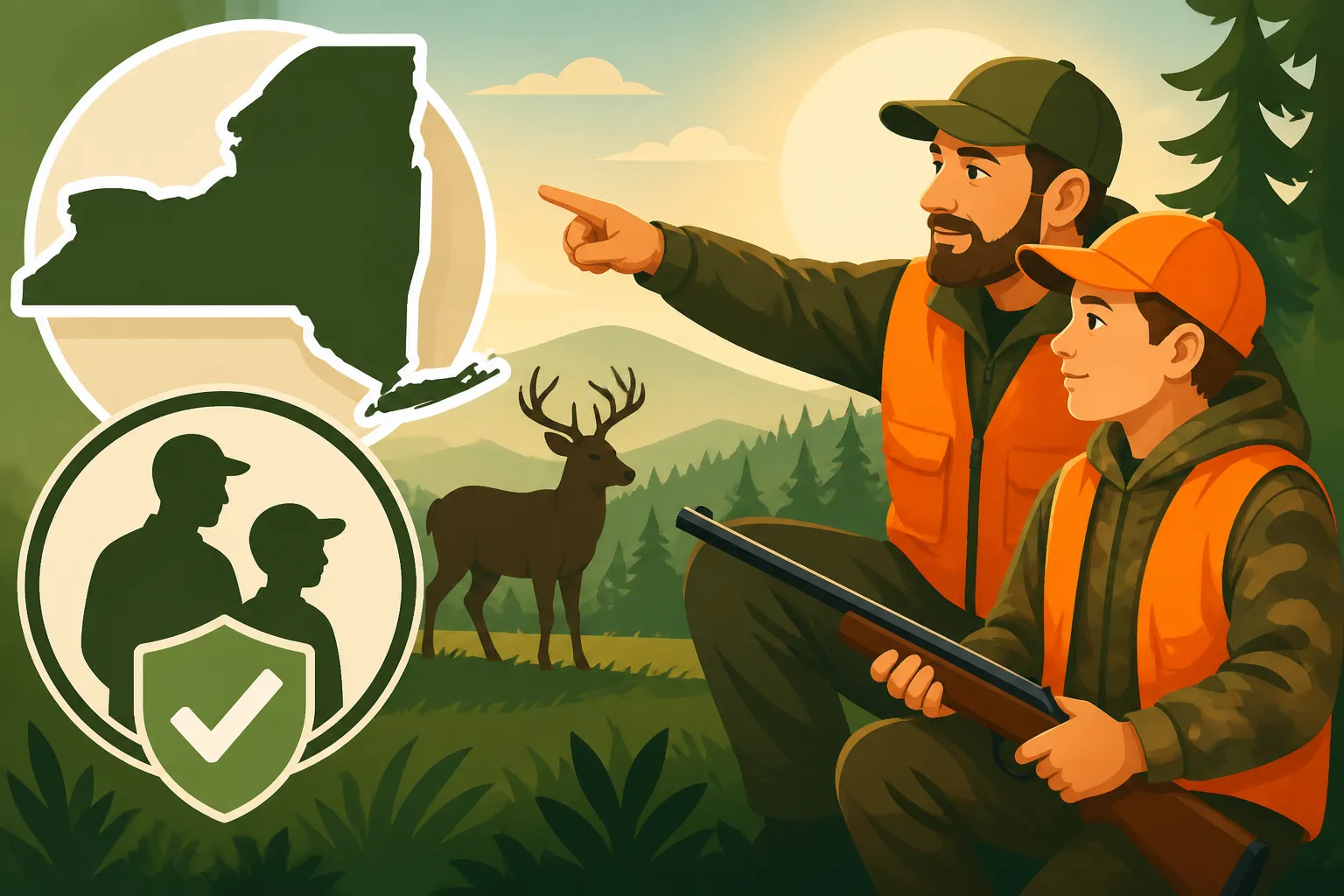
This is perhaps the most critical aspect of mentored youth hunting. New York law requires direct supervision and control of the youth hunter at all times. What does "direct supervision" truly mean? It means the mentor must be close enough to the youth to have immediate control over the hunting device and to provide continuous instruction and monitoring. For firearms, this typically means being within arm's reach. The mentor must be able to instantly take control of the firearm or bow if necessary, whether for safety reasons or to prevent an illegal or unethical shot. This isn't a passive role; it's an active one that demands constant attention.
The mentor is also solely responsible for the safe and ethical conduct of the hunt. They must ensure the youth knows the target, has a safe backdrop, and understands shot placement. They must also confirm the legal shooting hours, understand bag limits, and ensure all reporting requirements are met, such as for the New York Deer Reporting Requirements. If a youth is hunting with a firearm, the mentor is the only one who can carry an uncased and loaded firearm until the youth is in a stationary position, ready to shoot, and has a clear, safe shot. This prevents accidental discharges while moving through cover. The mentor's presence isn't just for legal compliance; it's for hands-on, real-time coaching and intervention. They are the ultimate safety net and guide.
Weapon Handling and Safety During Mentored Hunts
The rules around weapon handling during a mentored hunt are designed to prioritize safety and ensure the mentor maintains ultimate control. For instance, when a young hunter is participating in a youth-only deer or turkey season, only the youth is permitted to possess a firearm or bow. The mentor, while providing direct supervision, cannot carry a hunting device of the same type. This prevents any confusion about who is taking the shot and reinforces the focus on the youth’s experience. However, there are exceptions: if the mentor is also a licensed hunter and participating in a general season (where youth are allowed), they can carry their own hunting device, but the direct supervision rules for the youth remain absolutely critical.
For firearms, the mentor must carry the uncased and loaded firearm while moving through the field. Only when the youth is in a stationary position, with a safe shot opportunity identified, can the firearm be transferred to the youth for the shot. After the shot, or if the opportunity passes, the mentor typically takes possession of the firearm again. This prevents dangerous scenarios of young hunters stumbling with loaded firearms. All hunters, including mentors and youth, are required to wear blaze orange or blaze pink when specific seasons demand it, ensuring visibility and safety in the woods. Reviewing New York Blaze Orange Requirements is essential before heading out. The mentor is responsible for ensuring the youth understands and practices these crucial safety rules at all times, making every hunting trip a valuable lesson in responsible weapon handling. GoHunt offers great modules on safety best practices that can supplement field instruction.
Species and Seasons Available for Mentored Youth
New York offers a range of opportunities for mentored youth hunters, carefully staggered by species and season to provide the best and safest introduction possible. These specialized seasons are a fantastic way to ease young hunters into the sport without the typical pressures of a full general season.
Special Youth-Only Deer and Turkey Seasons
One of the most exciting aspects of mentored youth hunting in New York is the existence of dedicated youth-only seasons for both deer and wild turkey. These seasons are specifically designed to give young hunters an advantage by scheduling hunting periods before the general season opens to all hunters. For instance, the Youth Deer Hunt typically takes place over a weekend in early to mid-October, allowing 12-15 year-olds (with a junior hunting license and big game privileges) to pursue deer with a firearm or bow under the direct supervision of a licensed adult mentor. This early season often coincides with favorable weather conditions and before deer become heavily pressured, potentially increasing the chances of success for the young hunter. These specific dates can vary by year and zone, so always check the current New York Deer Seasons by Zone details from the DEC. During this youth hunt, antlerless deer may often be taken, providing valuable opportunity.
Similarly, the Youth Spring Turkey Hunt provides a special weekend opportunity, usually in late April, for 12-15 year-olds (and sometimes even 10-11 year-olds with specific rules) to hunt gobblers. This early opener, preceding the statewide spring season, offers a less crowded environment and a chance to experience the thrilling challenge of spring turkey hunting when birds are often very vocal and active. It's a prime chance for a young hunter to call in their first tom with their mentor beside them. As with deer, the mentor cannot carry a firearm during these youth-only turkey hunts. These specialized windows are invaluable for building confidence and creating lasting memories without the added competition of a full general season. For all the specifics on turkey season, be sure to look up Spring Turkey Hunting in New York each year.
Participation in Regular Hunting Seasons
Beyond the dedicated youth-only windows, mentored youth hunters can also participate in the general hunting seasons for various species, provided they meet the age, licensing, and education requirements. For deer and bear, a 12-15 year old with a junior hunting license can hunt during the regular archery, muzzleloader, and firearm seasons, always under direct mentor supervision. This means they can hunt during the crucial November rut in the Southern Zone, or take part in the challenging early firearm season in the Northern Zone. The key distinction during these general seasons is that the mentor, if they are also legally licensed to hunt, can carry their own hunting device. However, the youth must still be under direct supervision, and the mentor is responsible for ensuring safe and legal hunting practices by the young hunter.
For fall turkey hunting, similar rules apply. Youth hunters who meet the age and licensing requirements can participate in the regular fall turkey seasons across various zones. The flexibility to participate in both youth-specific and general seasons greatly expands the opportunities for young hunters to gain diverse experiences and hone their skills throughout the year. It's important for mentors to understand the specific rules for New York Crossbow and Bow Regulations if the youth is using these devices, as some restrictions may apply based on age and season. This layered approach ensures continuous opportunities for youth development in hunting.
Small Game and Waterfowl Opportunities
The Mentored Youth Hunting Program extends beyond just big game and turkey, offering significant opportunities for young hunters to pursue small game and waterfowl. For small game species like squirrels, rabbits, pheasants, and grouse, children as young as 12 can participate, and in some cases, even younger, especially if they are taking advantage of the "Mentored Youth Hunter Privilege" that waives the hunter education requirement for certain small game (with very strict supervision). These hunts are excellent for teaching basic hunting skills, such as tracking, stealth, and target acquisition, in a less intense environment than big game hunting.
For waterfowl, youth hunters can also participate in special youth waterfowl hunts, which typically occur on specific weekends before or after the regular waterfowl seasons. These hunts are governed by federal guidelines in addition to state rules, so obtaining a Harvest Information Program (HIP) certification and potentially a federal duck stamp is often required, even for youth. These hunts provide a unique opportunity to learn about decoy placement, calling, and retrieve strategies. Mentors should check the New York Small Game and Upland Bird Seasons and New York Waterfowl Hunting by Zone for specific dates, bag limits, and any additional requirements each year. These varied opportunities ensure that young hunters can find a niche that suits their interest and skill level, fostering a lifelong love for the outdoors.
Practical Considerations for a Successful Mentored Hunt
Beyond understanding the rules, making a mentored hunt successful and enjoyable for a young person requires thoughtful planning, appropriate gear, and a focus on the overall experience, not just the harvest.
Planning and Preparation
A well-planned mentored hunt is a safe and memorable hunt. Start by scouting the area you intend to hunt well in advance. This means checking for current game sign, identifying safe shooting lanes, and understanding potential challenges like terrain or dense cover. Tools like GoHunt can be invaluable here, offering detailed maps with public land boundaries, topo lines, and recent satellite imagery to help you identify promising spots. Consider areas with higher game density but lower hunting pressure, if possible, to maximize the youth's chances of success without overwhelming them with crowds. Learning Scouting New York Public Land Before Season is a crucial step.
Manage expectations from the outset. Emphasize that hunting is about the experience – spending time outdoors, learning about nature, and developing skills – rather than just bagging an animal. Discuss what a successful hunt looks like, even if no game is harvested. This prevents disappointment and reinforces the broader values of hunting. Practice shooting beforehand in a safe, controlled environment. Familiarity with their hunting device will build confidence and improve accuracy. Reviewing the rules for New York Legal Firearms for Deer Hunting and ensuring the youth's firearm is legal and properly sighted is essential. Also, pack smart: extra layers, plenty of water and snacks, and a small first-aid kit are always good ideas. Don't forget bug spray in early seasons and hand warmers for colder hunts.
Gear and Equipment for Youth Hunters
Choosing the right gear for a young hunter is paramount for their safety, comfort, and ultimately, their enjoyment. For firearms, a lightweight, youth-model rifle or shotgun with reduced recoil is ideal. A .243 Winchester or 7mm-08 Remington are excellent choices for deer, offering sufficient power with manageable recoil for a young shooter. For shotguns, a 20-gauge is often preferred over a 12-gauge for youth. Ensure the firearm fits them properly; a stock that is too long or heavy will make shooting difficult and uncomfortable. For archery, a compound bow with adjustable draw weight and length is best, allowing it to grow with the hunter. Check New York Crossbow and Bow Regulations for specific requirements related to bow setups.
Beyond the hunting device, appropriate clothing is crucial. Layering is key, as New York weather can change quickly, especially during youth seasons. Look for quiet, durable outer layers in camouflage or appropriate earth tones. Don't skimp on good boots that are waterproof and comfortable, as young feet can tire quickly. A comfortable, well-fitting safety harness is non-negotiable if hunting from a treestand, and the mentor must ensure its proper use. Even during a ground hunt, a comfortable seat cushion can make a world of difference for a young hunter's patience. A good quality pair of binoculars will help them spot game and develop their observational skills. Remember, comfort leads to patience, and patience often leads to success in the field.
Ethical Hunting and Conservation Lessons
The mentored hunt is a prime opportunity to instill deep-seated ethical values and an understanding of conservation. It’s not enough to just teach how to hunt; mentors must teach why we hunt and the responsibilities that come with it. Discuss fair chase principles, respecting private property, and understanding shot placement to ensure a clean, humane harvest. Talk about the role of hunting in wildlife management and how license fees contribute to conservation efforts across the state. Explain concepts like deer population management, habitat health, and how hunters are often the first line of defense for detecting issues like Chronic Wasting Disease.
Beyond the hunt itself, involve the youth in the entire process. This includes field dressing, dragging, and processing the animal, if appropriate for their age and comfort level. Explain where the meat comes from and the value of utilizing the harvest. Discuss the importance of reporting a harvest correctly and promptly to the DEC, as this data is vital for wildlife biologists. Emphasize leaving no trace behind, packing out all trash, and being a good steward of the land. These lessons, integrated into the practical experience of hunting, will shape not just a future hunter, but a responsible and engaged conservationist. The goal is to nurture a lifelong respect for wildlife and the outdoors, passing down a legacy far richer than any single trophy.
| Age Range | Eligible Species | License Required | Hunter Ed Required? | Mentor Supervision |
|---|---|---|---|---|
| 12-15 Years Old | Deer (Firearm, Bow, Muzzleloader) | Junior Hunting License + Big Game Tags | Yes (Mandatory) | Direct |
| Bear (Firearm, Bow, Muzzleloader) | Junior Hunting License + Big Game Tags | Yes (Mandatory) | Direct | |
| Turkey (Spring/Fall) | Junior Hunting License + Turkey Permit | Yes (Mandatory) | Direct | |
| Small Game (e.g., Squirrel, Rabbit, Pheasant) | Junior Hunting License | Yes (Mandatory) | Direct | |
| Migratory Game Birds (e.g., Ducks, Geese) | Junior Hunting License + HIP | Yes (Mandatory) | Direct | |
| 12-15 Years Old | Select Small Game (with Mentored Youth Privilege) | Junior Hunting License | No (Mentor assumes responsibility) | Direct |
Disclaimer
The information provided in this guide is intended for general informational purposes only and may not reflect the most current New York State Department of Environmental Conservation (DEC) regulations. Hunting laws and regulations are subject to change. Always consult the official New York State Hunting and Trapping Regulations Guide or the DEC website directly for the most up-to-date and accurate information before participating in any hunting activity. Failure to comply with all applicable laws and regulations can result in penalties.