Why WMU 1C Caps Spring Turkeys at One
Navigating New York's diverse hunting regulations can sometimes feel like trying to solve a complex puzzle, and few things are as perplexing as discovering different bag limits for the same species in different parts of the state. If you've ever planned a spring turkey hunt on Long Island and noticed that the rules for Wildlife Management Unit (WMU) 1C are a bit different from elsewhere, you're not alone. This guide aims to demystify why hunters in WMU 1C are restricted to a single bearded gobbler during the spring season, offering a clear, empathetic look at the ecological and management reasons behind this specific regulation.
Understanding New York's Spring Turkey Regulations
When you look at the New York State Department of Environmental Conservation (DEC) hunting guide, it's easy to assume a blanket set of rules applies across the board for a species like the wild turkey. However, New York is a vast state with incredibly varied ecosystems and population dynamics, and the DEC works hard to tailor regulations to specific local conditions.
The Standard Statewide Spring Bag Limit
For the vast majority of New York's turkey country, the spring hunting season allows for a generous bag limit. Typically, a hunter who has purchased a valid hunting license and turkey permit can harvest two bearded turkeys during the spring season. The only caveat is that you can only take one bird per day. This structure provides ample opportunity for hunters to enjoy multiple outings and try to call in a second bird, perhaps even a different gobbler from a new location, after success on their first.
This statewide rule reflects the generally robust and widespread turkey populations found across much of upstate New York. From the rolling hills of the Southern Tier to the farmlands of Western New York, wild turkeys have made an incredible comeback, thriving in diverse habitats. This success story is a testament to dedicated conservation efforts over many decades, including successful trap-and-transfer programs that helped re-establish populations where they had been extirpated.
So, when a hunter accustomed to these rules then glances at the regulations for Long Island, the single bird limit for WMU 1C can definitely raise an eyebrow. It stands in stark contrast to the rest of the state, making careful review of the regulations crucial, especially when planning a hunt in an unfamiliar area.
The Unique Case of WMU 1C
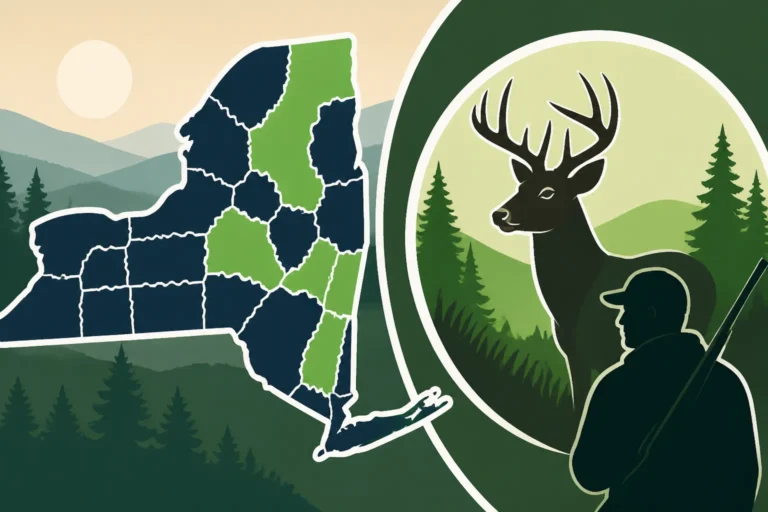
WMU 1C encompasses a significant portion of Long Island, an area that presents a unique set of challenges and conditions for wildlife management. Unlike the expansive forests and agricultural lands found in most of New York, Long Island is characterized by high population density, significant urban and suburban development, and relatively fragmented natural habitats. When it comes to wild turkeys, these factors combine to create a much more delicate ecological balance.
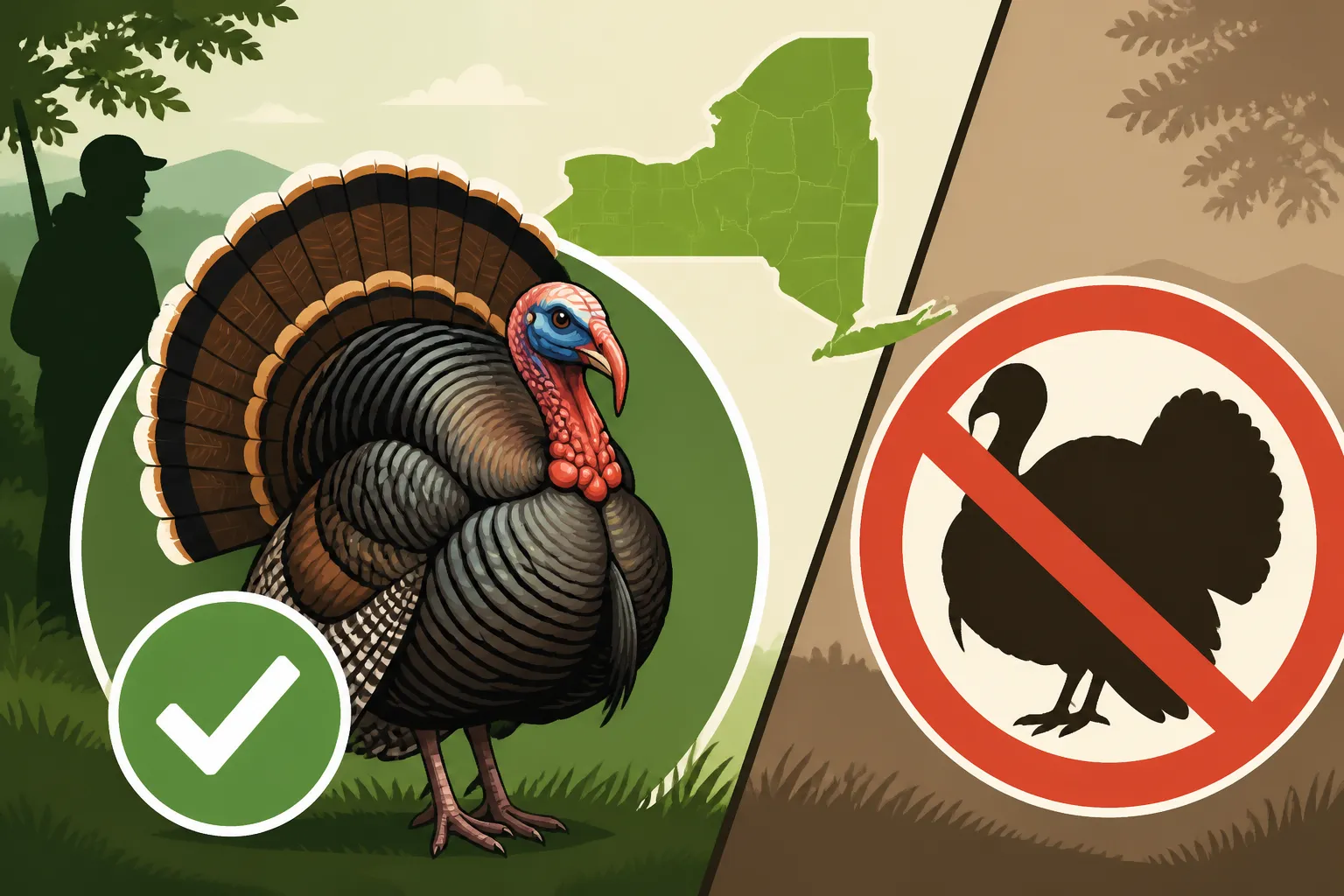
For hunters in WMU 1C, the regulation is explicit: only one bearded turkey may be harvested during the entire spring season. This isn't a "one per day" rule, but a strict seasonal limit. This means that once a hunter successfully tags their single gobbler, their spring turkey hunting for the year in WMU 1C is concluded. This specific restriction is a clear signal from the DEC that the turkey population in this particular unit requires a more conservative approach to hunting pressure compared to other parts of the state.
It's understandable to feel a bit short-changed if you're a passionate turkey hunter on Long Island. You've still invested the time and effort into scouting, calling, and executing a successful hunt, only to find your season ends after one bird. However, this restriction is not arbitrary; it's deeply rooted in the ecological realities of managing a wild turkey population in such a unique and pressured environment.
How Regulations are Established and Adapted
The New York State DEC doesn't just pull these rules out of a hat. Their regulatory framework is built upon extensive scientific research, long-term monitoring, and adaptive management principles. Wildlife biologists are constantly collecting data on turkey populations, including conducting annual gobbling surveys to estimate breeding male densities, poult-to-hen ratios to assess reproductive success, and analyzing hunter harvest data. These efforts, combined with habitat assessments, provide a comprehensive picture of the health and sustainability of turkey populations in different WMUs.
For an area like WMU 1C, the process is even more nuanced. Factors such as localized disease outbreaks, increased predation pressures due to human presence, and limited suitable habitat weigh heavily on population viability. The DEC's goal is always to strike a balance between providing recreational hunting opportunities and ensuring the long-term conservation of the resource. Regulations are not static; they are reviewed periodically and can be adapted based on new data or significant changes in population trends. This dynamic approach means that while the single-bird limit is currently in place, it's always subject to re-evaluation if the ecological conditions on Long Island change substantially over time.
Ecological Factors Behind WMU 1C's Restriction
Understanding the unique ecological pressures on Long Island helps to clarify why WMU 1C has a stricter bag limit. It's a prime example of how human development and habitat changes directly influence wildlife populations and, by extension, hunting regulations.
Turkey Population Dynamics in Long Island
The wild turkey population on Long Island is, in many ways, an island unto itself, both geographically and ecologically. Unlike the continuous turkey habitat found throughout much of New York, Long Island's turkeys exist in more isolated pockets. This isolation means that population recovery and expansion can be slower, and local factors can have a more pronounced effect. When discussing "New York Turkey Population Estimate," it's crucial to remember that this aggregate number masks significant regional differences, with WMU 1C representing a lower-density area.
Historically, wild turkeys were extirpated from Long Island, along with much of the rest of New York, by the late 1800s due to unregulated hunting and extensive habitat destruction. The story of how turkeys were restored to New York is a remarkable conservation success, largely through trap-and-transfer efforts in the mid-20th century. However, Long Island's reintroduction efforts faced unique challenges. The initial stocking in the 1990s helped establish a small, localized population, but its growth has been inherently limited by the surrounding suburban sprawl. These turkeys don't have the same vast, interconnected landscapes to roam and expand their numbers as their upstate cousins do. This means they can be more susceptible to events like harsh winters, disease, or increased predation, leading to slower overall population growth and lower population densities.
Habitat Constraints and Fragmentation
Perhaps the most significant factor influencing WMU 1C's turkey regulations is the intense habitat fragmentation found across Long Island. As you drive through Suffolk and Nassau counties, you quickly realize that large, unbroken tracts of forest are a rarity. The landscape is dominated by residential areas, commercial centers, and transportation infrastructure, leaving turkeys to navigate a patchwork of small woodlots, parklands, and nature preserves.
This fragmentation creates several problems for wild turkeys. First, it limits the available space for them to find food, water, and cover, especially during different seasons. Turkeys require diverse habitats for nesting, brooding, foraging, and roosting, and these resources may be scattered and hard to access on Long Island. Second, it isolates populations, making natural dispersal and genetic exchange between different groups more difficult. This can lead to localized vulnerabilities. Third, increased human presence in these fragmented areas often means more human-wildlife conflict, including higher rates of vehicle collisions and increased disturbance. The challenge of finding quality habitat to support a healthy turkey population is a constant concern for the DEC when managing these lands, and this directly impacts regulations like the "New York Spring Turkey Bag Limits."
Balancing Hunter Opportunity with Conservation Goals
At its heart, the single-bird limit in WMU 1C is a prime example of adaptive wildlife management aiming to strike a delicate balance. The DEC's primary mandate is the conservation of New York's wildlife resources for current and future generations. While providing recreational hunting opportunities is a vital component of this, it must always be balanced against the health and sustainability of the hunted population.
In areas with lower turkey densities and significant habitat constraints, allowing hunters to take two birds could put undue pressure on the breeding population. A single bearded bird limit ensures that a substantial number of gobblers remain in the population to breed with hens, thus safeguarding the reproductive potential of the flock. This conservative approach is especially important in a region where population recovery might be slower and more fragile. It prioritizes the long-term viability of the turkey resource over short-term hunting gratification, ensuring that there will be turkeys for future generations to pursue. It's a tough pill to swallow for some hunters, but it's a responsible management decision designed to protect a valuable, though limited, resource.
Practical Implications for Hunters in WMU 1C
Understanding why the single-gobbler limit exists is one thing; adapting your hunting strategy to it is another. For hunters in WMU 1C, success often hinges on meticulous planning and a deep appreciation for the unique conditions of hunting on Long Island.
Planning Your Hunt in a Limited Bag Unit
The primary implication for hunters in WMU 1C is that every opportunity becomes incredibly valuable. Since you can only harvest one bearded turkey for the entire spring season, the pressure to make that one opportunity count is significantly higher. This isn't the kind of hunt where you can afford to be casual or rely on luck. Thorough pre-season scouting becomes paramount. You'll want to identify roosting areas, strut zones, and feeding patterns with even greater diligence. Tools like the GoHunt app can be invaluable for identifying potential public access points, understanding property lines, and scouting terrain even before you step foot in the woods.
Furthermore, being acutely aware of "When New York's Spring Turkey Season Opens" and planning your days off accordingly is essential. You might want to focus your efforts on the early part of the season when gobblers are often most active and responsive to calls, before they become "henned up" or more wary. Knowing the specific public hunting lands available on Long Island, and understanding any additional local rules they might have, is also critical. Always double-check regulations for individual state parks or preserves, as they might have further restrictions or specific permit requirements beyond the general WMU 1C rules.
Maximizing Your Single Gobbler Opportunity
Given the single-bird limit, the emphasis shifts from quantity to quality of the hunting experience and the certainty of a clean, ethical harvest. Rather than rushing a shot, patience and precision become your best friends. Focus on establishing rock-solid setups that offer clear shooting lanes and minimize the chance of spooking a bird. This might involve using a ground blind, especially in areas with limited natural cover or high visibility, to ensure you can draw your bow or shoulder your shotgun undetected.
Calling strategy should also be thoughtful. Instead of aggressive, run-and-gun tactics, consider a more subtle, patient approach. Identifying a specific gobbler and trying to work that bird might be more effective than blind calling. If you hear a distant gobble, take the time to set up properly, observe the bird's likely travel routes, and then begin your calling sequence. Ethical shot placement is always crucial, but it's especially important when you only get one chance for the entire season. Practice your shooting before the season to ensure you're confident in your abilities. Every detail matters when that single opportunity presents itself.
Exploring Other New York Turkey Hunting Opportunities
For hunters who truly enjoy the pursuit of wild turkeys and wish to experience the thrill of harvesting more than one bird in a season, looking beyond WMU 1C is a viable option. New York is blessed with incredible turkey hunting across its other WMUs, where the two-bearded-bird limit is standard. This means a hunter could, theoretically, harvest their single bird on Long Island, and then plan another trip upstate to continue their season.
This might involve traveling to the Catskills, the Southern Tier, or the Finger Lakes regions, all of which offer fantastic turkey hunting. You could combine a trip to a state forest or a Wildlife Management Area (WMA) with a stay in a local cabin or campground. These regions provide different types of terrain, habitat, and turkey populations, offering a diverse hunting experience. Exploring the broader opportunities for "Spring Turkey Hunting in New York" can be a rewarding way to extend your season and enjoy more time in the turkey woods, while still respecting the specific conservation needs of WMU 1C.
The Role of Hunter Data and Future Outlook
Wildlife management is an ongoing process, and the regulations in WMU 1C, like all others, are subject to change. Hunter participation and data collection play a crucial role in informing these decisions.
Reporting Requirements and Data Collection
One of the most powerful tools the DEC has for managing turkey populations is the data collected from hunters. Every time a hunter successfully harvests a turkey anywhere in New York, they are legally required to report that harvest to the DEC. This isn't just a bureaucratic hurdle; it's a vital piece of the conservation puzzle. When hunters faithfully report their "New York Turkey Harvest Numbers," it provides the DEC with critical insights into regional harvest rates, success rates, and overall turkey population trends.
For WMU 1C, every reported bird adds to the detailed picture of the Long Island turkey population. Biologists analyze this data alongside other metrics like "Poult-to-Hen Ratios and What They Mean" from brood surveys and winter flock observations. By combining hunter-submitted information with their own field research, the DEC can assess if the population is growing, stable, or declining. Without accurate harvest data, making informed management decisions, including whether to maintain or adjust bag limits, becomes much more challenging. Therefore, it's not just a legal obligation but a genuine contribution to wildlife conservation to report your harvest promptly and accurately, just as hunters follow "New York Deer Reporting Requirements" for deer.
Potential for Future Regulation Changes
Regulations are rarely set in stone forever. The single-bird limit in WMU 1C is a reflection of current ecological conditions and population dynamics on Long Island. However, if those conditions change, the regulations could potentially follow suit. For instance, if years of conservative management, coupled with favorable environmental conditions and successful habitat projects, lead to a significant and sustained increase in the turkey population in WMU 1C, the DEC might consider re-evaluating the bag limit.
Conversely, if the population were to experience a severe downturn due to widespread disease, extreme weather events, or further habitat loss, the regulations could become even more restrictive. The adaptive nature of wildlife management means that the DEC is always observing, always learning, and always prepared to adjust its approach to ensure the long-term health of the resource. This ongoing assessment is why staying informed about the "New York Turkey Population Trends" is important for any hunter.
Leveraging Tools for Regulation Updates
For hunters, staying current with New York's ever-evolving hunting regulations is essential. The official NYS DEC website is always the authoritative source for the latest rules and season dates. However, third-party apps and resources can also be incredibly helpful in digesting and visualizing this information. Tools like GoHunt offer an excellent platform for hunters to access up-to-date regulations, view maps of WMU boundaries, and even receive alerts about changes that might impact their hunting plans.
By actively using such resources, hunters can ensure they are always operating within the legal framework and can better plan their seasons. Whether you're considering a spring hunt on Long Island or thinking about "Hunting the Long Island Fall Turkey Window," having instant access to reliable information through platforms like GoHunt helps you make informed decisions and remain a responsible conservationist.
| Feature | WMU 1C (Long Island) | Most Other NY WMUs (e.g., Southern Tier) |
|---|---|---|
| Spring Turkey Bag Limit | One bearded turkey per season | Two bearded turkeys per season (one per day) |
| Season Length | Typically May 1 – May 31 | Typically May 1 – May 31 |
| Typical Population Density | Lower, fragmented | Moderate to high, widespread |
| Habitat Type (General) | Fragmented suburban woodlots, small preserves | Extensive mixed forests, agricultural land |
| Primary Management Goal | Population stability and cautious growth | Sustainable harvest and population maintenance |
Disclaimer
Please note that hunting regulations, season dates, and bag limits are subject to change. Always consult the official New York State Department of Environmental Conservation (DEC) hunting regulations guide or their website for the most current and accurate information before planning any hunting trip. This article is intended for informational purposes only and should not be considered a substitute for official legal guidance.