New York Deer Reporting Requirements
You just bagged a deer, maybe a beautiful buck after a long, cold sit, or perhaps you finally filled that antlerless tag to help manage the local herd. The adrenaline is still pumping, and your mind is already on field dressing, butchering, and savoring that venison. But before you can truly relax and enjoy the fruits of your labor, there’s one critical, often overlooked step that New York hunters must take: reporting your harvest. This guide is going to walk you through exactly why, what, and how to properly report your deer in New York, saving you potential headaches and ensuring you stay on the right side of the law.
Why Deer Reporting Isn’t Just a Suggestion, It’s Essential
It’s easy to feel like reporting your deer is just another bureaucratic hoop to jump through, especially when you’re tired and want to get home. We’ve all been there, standing in the woods, phone in hand, hoping for enough signal to get the job done. But let me tell you, this isn't just about ticking a box; it's absolutely vital for the future of deer hunting in New York. The data collected from hunter reports forms the bedrock of deer management decisions across the state, impacting everything from season lengths to Deer Management Permits (DMPs).
How Reporting Impacts Deer Management
Every single deer you report provides a valuable data point for the New York State Department of Environmental Conservation (DEC). Think of it like a giant, statewide census for whitetails. Without accurate reporting, the DEC would be flying blind, making educated guesses about population trends, harvest success rates, and even the health of the herd. When you take the time to report your harvest, whether it's an antlered buck or an antlerless doe, you're directly contributing to the science that ensures sustainable hunting opportunities for years to come. This data helps the DEC understand the current New York Deer Population Estimate and adjust strategies accordingly.
For example, if hunters consistently report high numbers of antlerless deer in a particular Wildlife Management Unit (WMU), it signals to the DEC that the deer population there might be robust and can sustain additional harvest pressure, or even that more DMPs should be issued the following season. Conversely, a sharp drop in reported harvests might trigger investigations into potential disease outbreaks, habitat issues, or even overharvesting in that specific area. Your individual report, when combined with thousands of others, paints a comprehensive picture that guides management decisions for our beloved whitetails. It’s how they can gauge the Deer Density by New York Wildlife Unit.
Legal Obligations and Compliance
Beyond the ecological importance, deer reporting is a legal requirement in New York. Failure to report a deer harvest is a violation of state law, and it can carry fines and even impact your hunting privileges. It's not a rule the DEC put in place to be difficult; it’s a non-negotiable part of responsible hunting. When you purchase your New York Resident Hunting License Options or non-resident equivalent, you implicitly agree to abide by all hunting regulations, and harvest reporting is one of them.
Imagine the frustration of having a DEC Environmental Conservation Officer (ECO) stop you, only to find out you haven't reported your deer. Even if it was an honest oversight, the consequences can be real. The law specifies deadlines for reporting, and knowing these is crucial. It’s better to take a few minutes in the field, even if it's chilly and your hands are numb, to get that report submitted than to risk a fine or worse. The system is designed to be as straightforward as possible, recognizing that hunters are often in remote locations, but the responsibility still falls squarely on us.
What You Need to Report After a Harvest
So, you’ve made a successful shot, you’ve located your deer, and you’re starting the field dressing process. What exactly do you need to report? It’s not just a simple "I got a deer." The DEC requires specific information to ensure their data is as precise as possible, and having this information ready makes the reporting process smooth and quick.
Required Harvest Information
When you report a deer in New York, you'll need to provide several key pieces of information. This typically includes:
- Your Hunter ID Number: This is found on your hunting license.
- Date of Harvest: The exact date you took the deer.
- Time of Harvest: The approximate time of day.
- Location of Harvest: This is critical. You’ll need to specify the Wildlife Management Unit (WMU) where the deer was taken, and often the town or even specific coordinates if using an app like the Scouting With the New York HuntFishNY App.
- Sex of the Deer: Was it a buck or a doe?
- Antler Status (for bucks): If it was an antlered deer, you'll need to report the number of points on one side (at least 1 inch long).
- Tag Used: Which specific tag did you use? Your regular Big Game tag, a Deer Management Permit (DMP), or perhaps a Holiday Hunt tag? This is especially important as you might be utilizing various permits, like those discussed in New York Deer Management Permits Explained.
It's a good idea to write this information down on your tag itself or in a small notebook before you even attempt to report. Cold fingers and a low phone battery are not the ideal conditions for trying to remember all these details. Make it a habit: tag the deer, then fill out your notes for reporting.
Tagging Requirements Before Reporting
Before you even think about reporting, your deer must be physically tagged. This is a separate, but equally important, legal requirement. As soon as you recover your deer, you need to detach the appropriate carcass tag from your hunting license or permit and securely attach it to the deer. This tag must remain on the deer until it is processed for consumption.
The tag needs to include your name, address, and license number. For most deer, you'll use your regular deer carcass tag. If you harvested an antlerless deer using a DMP, you'll use the specific DMP tag. This tagging step needs to happen before you move the deer from the place of kill and certainly before you attempt to report it electronically. The physical tag is your immediate proof of legal harvest, while the electronic report solidifies the data for the DEC. Getting this sequence right is crucial to avoid any misunderstandings with law enforcement.
How to Report Your Deer in New York
The DEC has made great strides in recent years to simplify the reporting process, offering several convenient methods to get your harvest recorded. No more postcards to mail in, thankfully! You can choose the method that best suits your location and technological access, making it easier than ever to comply with The New York Deer Reporting Deadline.
Reporting Through HuntFishNY Online
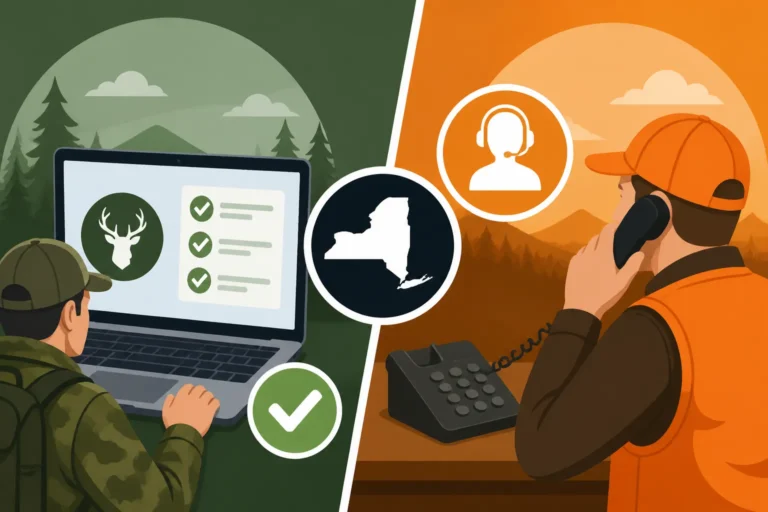
The most popular and often easiest method for many hunters is reporting online through the DEC's HuntFishNY portal. This web-based system is robust and user-friendly, allowing you to quickly submit all the necessary information from your computer, tablet, or smartphone.
To report online, you'll navigate to the DEC's official HuntFishNY website. You'll need your customer ID number and date of birth to log in. Once logged in, you'll find a clear section for reporting harvests. The system will prompt you for all the details we discussed earlier: date, time, WMU, sex, antler points, and the tag used. You'll click through a series of dropdown menus and input fields. It’s very intuitive. Just make sure you have a stable internet connection. If you're using a planning tool like GoHunt, you might even have some of your location data pre-loaded or easily accessible, making it even faster to find the WMU information. Reporting a Deer Through HuntFishNY is typically the fastest way to get it done.
A significant advantage of the online system is that it's available 24/7. So, whether you're reporting right after the shot or later that evening from the comfort of your home, the portal is ready. It also provides immediate confirmation that your report has been submitted, giving you peace of mind.
Using the HuntFishNY Mobile App
For those who are frequently in the field and might not always have a laptop handy, the HuntFishNY mobile app is an absolute game-changer. Available for both Apple and Android devices, this app brings the reporting system right to your pocket, often even in areas with spotty cell service.
The app functions very similarly to the online portal. Once downloaded and logged in with your customer ID, you can navigate to the harvest reporting section. The interface is optimized for mobile screens, making data entry straightforward. One of the best features of the app, especially for hunters deep in the woods, is its ability to often cache your location data. While you still need some signal to actually submit the report, you can sometimes enter all the information even without a connection and then hit "submit" once you return to an area with service. This flexibility is invaluable when you're Tracking a Deer in Fresh New York Snow or Recovering a Deer From a Steep Ravine and can't immediately get back to civilization.
The app also allows for other functionalities, like viewing your license details, checking season dates, and even scouting. While planning your hunt, consider how tools like GoHunt can complement the app by helping you mark potential stand locations or travel corridors, making it easier to pinpoint your exact harvest location on the app later.
Reporting Via Phone
For those who prefer a more traditional method or have limited internet access, reporting your deer via phone is still an option. The DEC provides a dedicated toll-free number for harvest reporting.
To use this method, you'll simply call the provided number and follow the automated prompts. You’ll need to have all your harvest information, including your customer ID, readily available to input using your phone's keypad. While it might take a little longer than the online or app methods, it’s a reliable backup, especially if you’re in a remote camp without Wi-Fi or struggling with a mobile signal. Keep in mind that calling during peak hours, especially on opening weekend of firearms season, might result in longer wait times, though the automated system generally handles volume well. Still, it’s a great option for folks who aren't tech-savvy or just prefer talking to a machine rather than wrestling with an app.
Here's a quick comparison of the reporting methods:
| Reporting Method | Pros | Cons | Ideal Use Case |
|---|---|---|---|
| HuntFishNY Online | User-friendly, 24/7 access, immediate confirmation | Requires internet connection | At home, camp with Wi-Fi, good cell service |
| HuntFishNY App | Mobile-optimized, location caching, often works with spotty signal, convenient in field | Requires smartphone, app download, still needs eventual signal for submission | In the field, remote locations, quick reporting on the go |
| Phone (Toll-Free) | No internet needed, traditional, accessible for all | Potentially slower, automated prompts can be tedious | No internet access, preference for phone, backup method |
When to Report Your Harvest
Timing is everything in hunting, and that extends to reporting your harvest. There are specific deadlines that hunters must adhere to, and understanding these can prevent unnecessary stress or legal issues. Don't procrastinate on this one!
New York’s Reporting Deadlines
The general rule in New York is that all deer harvests must be reported within seven days of the kill. This applies to deer taken during any open season, whether it's archery, muzzleloader, or firearms. So, if you shoot a deer on a Saturday morning, you have until the following Saturday morning to get that report submitted.
However, it's always best practice to report as soon as practically possible. Waiting until the last minute can lead to issues like forgetting details, encountering technical difficulties, or simply running out of time. Many experienced hunters make it a habit to report their deer before they even leave the woods, or at the very least, before they get home and get bogged down with other chores. This ensures the information is fresh in their mind, and they can move on to the next steps of processing their game with a clear conscience.
Special circumstances might have slightly different guidelines, but the seven-day rule is your primary deadline. This critical piece of information, "The New York Deer Reporting Deadline," is something every hunter should commit to memory.
Specific Season Considerations
While the seven-day rule is standard, let’s consider some specific scenarios to clarify.
During the busy New York's Southern Zone Firearm Season, especially opening day, many hunters are out, and deer are hitting the ground. The excitement can make reporting feel like an afterthought, but it's precisely when prompt reporting is most important. If you fill your regular Big Game tag and still have DMPs, knowing the success rates helps the DEC understand population health for subsequent harvests, like those during Hunting the Southern Zone Holiday Hunt.
For archers, who often hunt in warmer weather during Bowhunting New York's Long Archery Season, immediate reporting can be a bit more challenging if you're deep in the woods without service. However, it's even more crucial for data accuracy given the longer season length and varying conditions. The same goes for muzzleloader hunters, who might be out in colder, more remote conditions during Muzzleloader Deer Hunting in New York. Regardless of the method or season, the expectation for reporting remains consistent.
Remember, the goal is to provide the DEC with timely and accurate information. Your reporting habits directly influence the data available for managing deer across the state. Using mapping tools like those integrated with GoHunt can help you pinpoint your exact harvest location down to the WMU, which is crucial for accurate reporting.
Consequences of Not Reporting Your Deer
Let’s be honest, nobody wants to deal with legal trouble, especially over something that seems as simple as a few clicks or a phone call. But failing to report your deer harvest in New York can lead to real and unpleasant consequences. It’s not just a polite request; it’s a regulation that the DEC takes seriously.
Fines and Penalties
The primary consequence of not reporting your deer is usually a fine. While the exact amount can vary based on the specific circumstances and the discretion of the court, you can expect to pay a penalty for a reporting violation. This fine can easily run into the hundreds of dollars, which is a steep price to pay for forgetting or choosing not to take a few minutes to submit a report.
Beyond monetary fines, repeated or intentional failure to report could potentially lead to more severe penalties. While uncommon for a first-time, accidental oversight, egregious violations could theoretically impact your hunting license or privileges. No hunter wants to risk losing the ability to participate in their favorite pastime because they skipped a simple reporting step. It's truly not worth the risk. Always prioritize getting that report in, even if it feels inconvenient at the moment.
Data Integrity and Conservation Impact
While personal fines are certainly a motivator, the broader impact of unreported harvests on conservation and deer management cannot be overstated. When hunters fail to report, it creates gaps in the DEC's data. These gaps can lead to skewed population estimates, inaccurate harvest success rates, and ultimately, less effective management strategies.
Imagine the DEC believes a certain WMU has a healthy deer population, based on previous reported harvests. If a significant number of hunters in that area simply don't report, the DEC's perception of the population might be artificially inflated. This could lead to decisions, such as increasing DMP allocations or extending seasons, that might inadvertently overharvest a declining local herd. Conversely, if a population is actually thriving but reports are low, the DEC might be too conservative, missing opportunities to allow hunters to help manage the population effectively. The data from New York Deer Harvest Records is a tool for conservation, and every unreported deer dulls that tool.
Every hunter has a responsibility to contribute to the overall health of the resource we cherish. Reporting your deer is a fundamental part of that responsibility, ensuring that future generations of hunters have the same, if not better, opportunities we enjoy today. It's part of being a responsible steward of New York's wildlife.
Common Reporting Questions and Troubleshooting
Even with the best intentions, you might run into a snag or have a question about the reporting process. It's completely normal, especially if you're new to hunting in New York or if the technology isn't cooperating. Here are some common questions and tips to troubleshoot.
"I Can't Get Cell Service in My Hunting Area!"
This is a classic problem for many hunters, especially those who venture into the Adirondack Forest Preserve or parts of the Catskills. You’ve just shot a deer, but your phone shows "No Service." What do you do?
The key here is to prepare. First, always physically tag your deer immediately. That’s non-negotiable. Then, consider using the HuntFishNY app. As mentioned, the app often allows you to input all your harvest information even without a signal. You can then save it as a draft or simply hold onto it until you drive out to an area with service. Once you have a connection, open the app, find your saved information, and hit "submit."
Another strategy is to make a habit of carrying a small notepad and pen. Write down all the required information (date, time, WMU, sex, antler points, tag type). As soon as you hit an area with reliable cell service or Wi-Fi, you can then quickly report online or via the app. Never leave the woods without noting down the crucial details. Planning tools like GoHunt can also help you identify areas with historically poor service, allowing you to mentally prepare for this scenario before you even head out.
"What if I Lost My Carcass Tag?"
Losing a carcass tag is a stressful situation, but it doesn't mean your hunt is ruined or that you can't report your deer. The first step is to immediately contact the DEC Law Enforcement hotline or your local ECO. Explain the situation honestly. They can guide you on the proper steps, which might involve getting a replacement tag or receiving specific instructions on how to proceed.
It’s always a good idea to keep your hunting license and all associated tags in a secure, waterproof holder while in the field. Double-check before you leave home that you have all your necessary permits, including any DMPs you might be utilizing, as discussed in How Many DMPs You Can Apply For in 2026. Prevention is key here, but if it happens, don't panic—just reach out to the DEC immediately.
"I Reported the Wrong Information by Mistake!"
Mistakes happen, especially when you're excited or tired. If you realize you entered incorrect information during your harvest report (e.g., wrong WMU, incorrect antler points, or accidentally reported an antlered deer as antlerless), don't just leave it. You need to correct it.
The best course of action is to contact the DEC directly. You can typically find a contact number for the wildlife division or the licensing department on the DEC website. Explain your situation, provide them with your customer ID and the original harvest confirmation number if you have it. They can usually correct the information in their system. Do this as soon as you realize the error, rather than waiting. Accurate data is important, and the DEC understands that honest mistakes occur.
Ultimately, being informed and prepared is your best defense against any reporting issues. Make it a part of your hunting routine, just like checking your gear or patterning your shotgun.
Reporting for Specific Tags and Seasons
New York's deer hunting system is robust, offering various tags and seasons beyond the general big game license. Understanding how reporting applies to these specific situations is crucial for complete compliance.
Deer Management Permits (DMPs) and Special Seasons
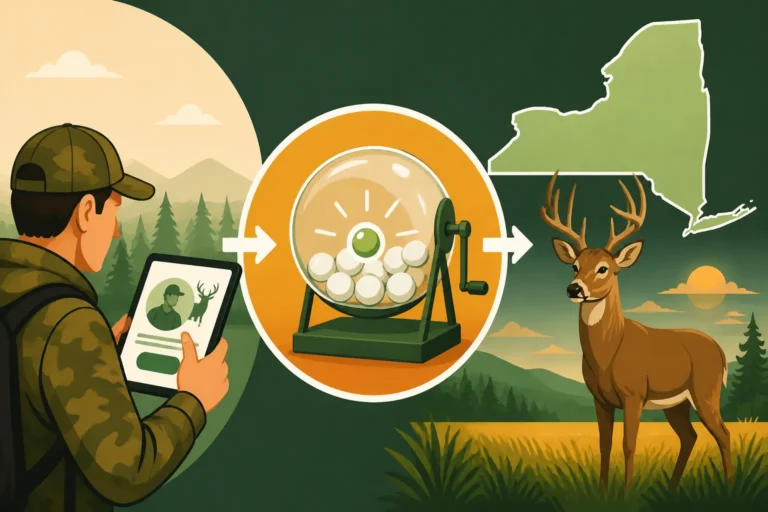
Deer Management Permits (DMPs) allow hunters to take additional antlerless deer in specific WMUs to help manage local populations. These are critical for herd health and balance, and properly reporting their use is paramount. Whether you secured your DMP through the initial lottery or picked one up later in the season via the instant lottery, the reporting process for a deer taken with a DMP is essentially the same as with your regular Big Game tag. You'll still need to provide the same harvest details: date, time, location (WMU), and sex. The main difference is you’ll specify that you used a DMP tag for the harvest.
For special seasons, like the New York Youth Deer Hunt Rules or the New York Holiday Deer Hunt Rules, the reporting requirements are identical. The youth hunter or the hunter participating in the Holiday Hunt must still report their deer within the seven-day window, using one of the approved methods. These special seasons are designed to offer additional opportunities or introduce new hunters to the sport, and accurate reporting helps the DEC assess their effectiveness and impact on the deer population.
Chronic Wasting Disease (CWD) Considerations
While New York has been incredibly fortunate to avoid widespread Chronic Wasting Disease (CWD) in its wild deer herd, there was a significant concern surrounding a captive deer facility in Herkimer County. This led to the establishment of the New York's Chronic Wasting Disease Containment Area. In areas designated as CWD containment zones or surveillance areas, there might be additional reporting or sampling requirements.
For instance, hunters harvesting deer within the Herkimer County CWD Containment Area are often asked to provide specific samples (e.g., lymph nodes or brainstem) for CWD testing. While this isn't part of the standard online/phone harvest report, it's an additional, crucial step for hunters in those specific zones. Always check the DEC regulations for any CWD-related requirements in your hunting area before and during the season. This vigilance helps protect our wild deer herd from this devastating disease, and your cooperation is vital. The DEC provides detailed information on where and how to submit samples if you're hunting in a CWD-affected area.
Final Thoughts on Responsible Reporting
Reporting your deer harvest might seem like a small detail in the grand scheme of your hunting season, but it's a mighty important one. It's a cornerstone of modern wildlife management, a legal obligation, and a testament to your commitment as a responsible conservationist. Taking those few minutes after a successful hunt to accurately report your harvest ensures that the DEC has the best possible data to make informed decisions about New York's deer populations.
Whether you prefer the ease of the HuntFishNY app in the field, the convenience of the online portal from home, or the reliability of the phone system, make reporting a non-negotiable part of your post-harvest routine. It's an investment in the future of hunting in our beautiful state. Remember, every piece of data helps paint a clearer picture, allowing for better management, healthier herds, and continued hunting opportunities for all of us.
Disclaimer
The information provided in this guide is for general informational purposes only and is subject to change. Hunting regulations, seasons, and reporting requirements in New York State are established by the New York State Department of Environmental Conservation (DEC). Always consult the official DEC hunting regulations guide or visit their website for the most current and accurate information before engaging in any hunting activities. Failure to comply with all applicable laws and regulations may result in penalties.