New York Spring Turkey Bag Limit
Understanding the ins and outs of New York's spring turkey bag limit can feel a bit like trying to decipher a secret code sometimes. With different zones, youth seasons, and even specific Wildlife Management Units (WMUs) having their own quirks, it's easy to get confused and worry about whether you're staying on the right side of the law. This comprehensive guide will cut through the jargon, clearly explaining everything you need to know about legally tagging spring gobblers in New York State.
Navigating New York's Statewide Spring Turkey Bag Limit
When the spring turkey season rolls around in New York, most hunters are eager to hit the woods, but a common question often pops up: how many gobblers can I actually take? The good news is that for the vast majority of the state, the rules are fairly straightforward, but there are crucial nuances you need to understand to avoid any missteps.
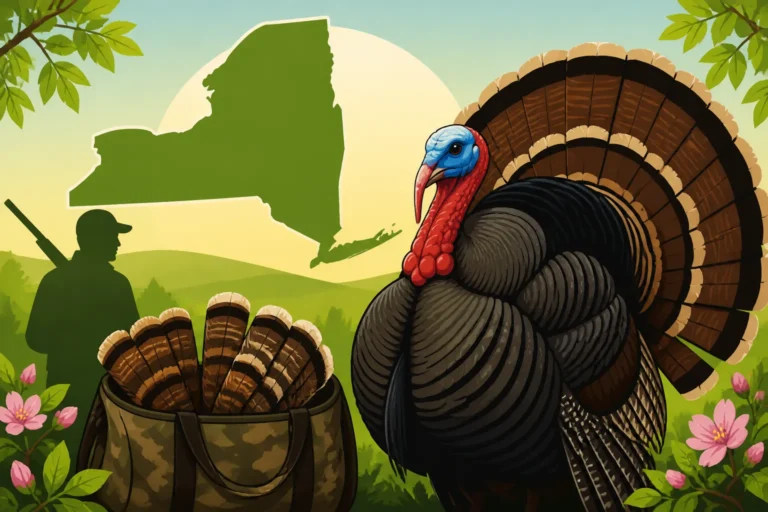
Across the state, the general rule of thumb for the regular spring turkey season is a bag limit of two bearded birds. This means you can legally harvest two male turkeys, identified by their beard, during the spring season. It's important to note that these two birds cannot be harvested on the same day. This isn't just a suggestion; it's a hard and fast rule designed to promote fair chase and prevent overharvesting. Imagine you call in a pair of gobblers, and both come strutting in. While it might be tempting to double up, you must resist. One bird a day, and then you've filled half your statewide tag. This rule helps manage the state's turkey population, ensuring healthy numbers for future seasons.
The concept of "bearded birds" is also critical here. While hens can sometimes grow a beard, the vast majority of bearded turkeys are males, or gobblers. The DEC specifies "bearded birds" to simplify identification for hunters, ensuring that reproductive hens are protected during the spring breeding season. So, when you're glassing a bird or it's approaching your setup, confirm that beard before you even think about shouldering your shotgun. For most hunters heading out into the Southern Tier or across much of the Northern Zone, this two-bearded-birds-total-and-one-per-day limit will be your primary guideline. Knowing this core regulation is the first step to a successful and legal spring turkey hunt, allowing you to focus on the thrilling hunt itself without second-guessing your tags.
Special Considerations and Regional Exceptions
While the statewide limit of two bearded birds (one per day) covers most of New York, there are a few important exceptions and special scenarios that every turkey hunter needs to be aware of. Overlooking these details could lead to unnecessary penalties, and nobody wants to spoil a great hunt with a violation.
Understanding WMU 1C's Unique Rule
Perhaps the most significant exception to the general spring turkey bag limit is found in Wildlife Management Unit (WMU) 1C, located on Long Island. This particular WMU operates under a much stricter regulation, limiting hunters to a bag limit of just one bearded bird for the entire spring season. This is a crucial detail, especially if you typically hunt upstate and decide to try your luck on Long Island, or if you reside in the area. The reason for this reduced limit is often tied to local population dynamics, habitat constraints, or specific management goals for that region. It’s always smart to check the latest regulations for the specific WMU you plan to hunt, and tools like the GoHunt app can be invaluable for quickly verifying these hyper-local rules. For more details on this specific area, you can delve into why WMU 1C Caps Spring Turkeys at One. Always assume the general statewide rule, but double-check if you're venturing into less familiar territory.
The New York Youth Spring Turkey Weekend
New York State also provides a special opportunity for its younger hunters with the New York Youth Spring Turkey Weekend. This dedicated weekend, which typically precedes the regular statewide opener, allows eligible junior hunters to get out into the field with a mentor. During this youth-specific season, the bag limit is usually one bearded bird. Any bird harvested during this youth weekend counts towards the junior hunter's total statewide bag limit of two bearded birds. This means if a junior hunter takes a bird during the youth weekend, they still have one more bearded bird they can harvest during the regular season. This initiative is fantastic for fostering new generations of hunters and offering them a less pressured environment to learn the ropes. Mentors must be diligent in ensuring their young partners understand these limits, as it's a critical part of ethical and legal hunting.
General Restrictions and Best Practices
Beyond WMU 1C and the Youth Weekend, it's vital to remember that the "one bearded bird per day" rule remains constant across all zones. This isn't just a technicality; it's about fair chase and ensuring every hunter has a chance. You can't just fill both tags on opening morning, no matter how many birds are gobbling. Additionally, while most of the state's turkey population is robust, understanding New York Turkey Population Trends can give you insight into why these regulations are in place. These regulations are meticulously crafted by the DEC to maintain a healthy and sustainable wild turkey population throughout New York State. Always consult the official New York DEC hunting regulations guide annually, as rules can occasionally be adjusted. Taking the time to read through it thoroughly will save you headaches in the long run.
Here's a quick reference table for spring turkey bag limits:
| Hunting Scenario | Bag Limit (Bearded Birds) | Daily Limit (Bearded Birds) | Additional Notes |
|---|---|---|---|
| Regular Statewide Season | 2 | 1 | Must be bearded birds. No more than one per day. |
| WMU 1C (Long Island) | 1 | 1 | Special exception. Only one bearded bird for the entire season. |
| New York Youth Spring Turkey Weekend | 1 (counts towards total) | 1 | Harvested bird counts towards the regular 2-bird statewide limit. |
Tagging and Reporting Your Spring Gobbler
After the thrill of a successful hunt and a gobbler down, the next crucial steps involve properly tagging and reporting your bird. This isn't just bureaucratic red tape; it's a vital part of wildlife management, providing the DEC with essential data to monitor New York Turkey Harvest Numbers and ensure the health of the state's turkey population. Skipping these steps is not only illegal but undermines conservation efforts.
Immediate Tagging Requirements
Once you've harvested your bearded bird, the very first thing you need to do, before moving it from the kill site, is tag it. New York law requires hunters to fill out the tag that comes with your turkey permit immediately. This tag needs to be securely attached to the bird. Make sure all the required information is clearly written, usually including the date of harvest, time, and the WMU where the bird was taken. It’s a good practice to carry a pen or pencil that works reliably in various weather conditions – nothing worse than a tag rendered unreadable by rain or a broken pen. You also need to retain your hunting license and separate turkey permit with you at all times while hunting and while transporting the harvested bird. This immediate tagging is critical for demonstrating legal possession and prevents any confusion if you encounter an Environmental Conservation Officer (ECO) in the field.
Reporting Your Harvest Online or by Phone
After your bird is tagged and you've transported it home, the next mandatory step is to report your harvest. New York State offers convenient methods for this, primarily through the DEC's online reporting system or by phone. You typically have 7 days from the date of harvest to report your turkey. The online system, often accessible through the same platform where you purchased your license, is usually the quickest and most straightforward method. You'll need your customer ID number from your license and the details of your harvest, such as the date, time, and WMU.
Reporting a deer through HuntFishNY is a similar process, and the turkey reporting follows a familiar pattern. This data collection is incredibly important. It allows the DEC to track harvest rates, identify population trends, and make informed decisions about future season structures and bag limits. Imagine if no one reported their harvests – the state wouldn't have a clear picture of how many birds are being taken, making sustainable management impossible. So, while it might seem like a small detail at the end of a long day, reporting is your contribution to the ongoing health of New York's wild turkey resource.
Maximizing Your Spring Turkey Opportunity Within the Limits
Adhering to the bag limit doesn't mean your spring turkey hunting experience has to be any less rewarding. In fact, understanding the limits can encourage more thoughtful and strategic hunting. With two bearded birds as your goal in most areas (one per day), you can tailor your efforts to maximize your chances and truly appreciate each harvest.
Strategic Hunting for Two Birds
If you're hunting in a zone with the two-bearded-bird limit, like much of the Southern Zone or parts of the Adirondacks, you essentially have two distinct opportunities to fill your tags. This can influence how you approach your season. Many hunters choose to dedicate specific days or weekends to hunting their first bird, perhaps trying different tactics like Calling a New York Gobbler Off the Roost early in the morning, or run-and-gunning through likely areas in the afternoon. Once that first bird is down, tagged, and reported, you can then shift your focus.
For your second bird, you might decide to explore new ground or target a different type of habitat. Maybe you spent the first part of the season in familiar woodlots and want to try some more aggressive tactics on public land. Or perhaps you'll dedicate a day to still-hunting or patiently waiting in a well-scouted spot, knowing you only need one more encounter. Utilizing mapping resources like GoHunt can help you scout potential new areas, identify prime roosting sites, or pinpoint overlooked food sources that might hold your second gobbler. This strategic approach turns the bag limit into a framework for a diverse and engaging season, rather than a restriction.
Ethical Hunting and Respecting the Resource
Beyond the legal limits, there’s an ethical dimension to spring turkey hunting. The "one bird per day" rule, in particular, encourages responsible hunting. It prevents hunters from taking multiple birds from a single flock in a short timeframe, which can disrupt breeding dynamics. It also means you’re not just looking for quantity, but quality of experience. Each successful harvest becomes a more significant achievement when it's the culmination of a dedicated daily effort.
Consider the role of decoys. Setting up against a big oak with a well-placed decoy spread can be incredibly effective, but remember to be mindful of your target. Misidentifying a bird or taking an illegal shot (like at a hen) is not only against the law but goes against the principles of responsible hunting. These regulations, combined with practices like Scouting New York Public Land Before Season, are all about preserving the resource and the traditions for everyone. By embracing the challenge within the established limits, you contribute to the sustainability of New York's wild turkey population and ensure that future generations can enjoy the same thrilling spring hunts.
Disclaimer
The information provided in this guide is for general informational purposes only and is not legal advice. Hunting regulations in New York State can change, and it is the hunter's responsibility to consult the official New York State Department of Environmental Conservation (DEC) hunting regulations guide annually before heading afield. Always verify specific dates, bag limits, and rules for your chosen Wildlife Management Unit directly with the DEC.