Why Long Island’s Fall Turkey Window Runs Latest
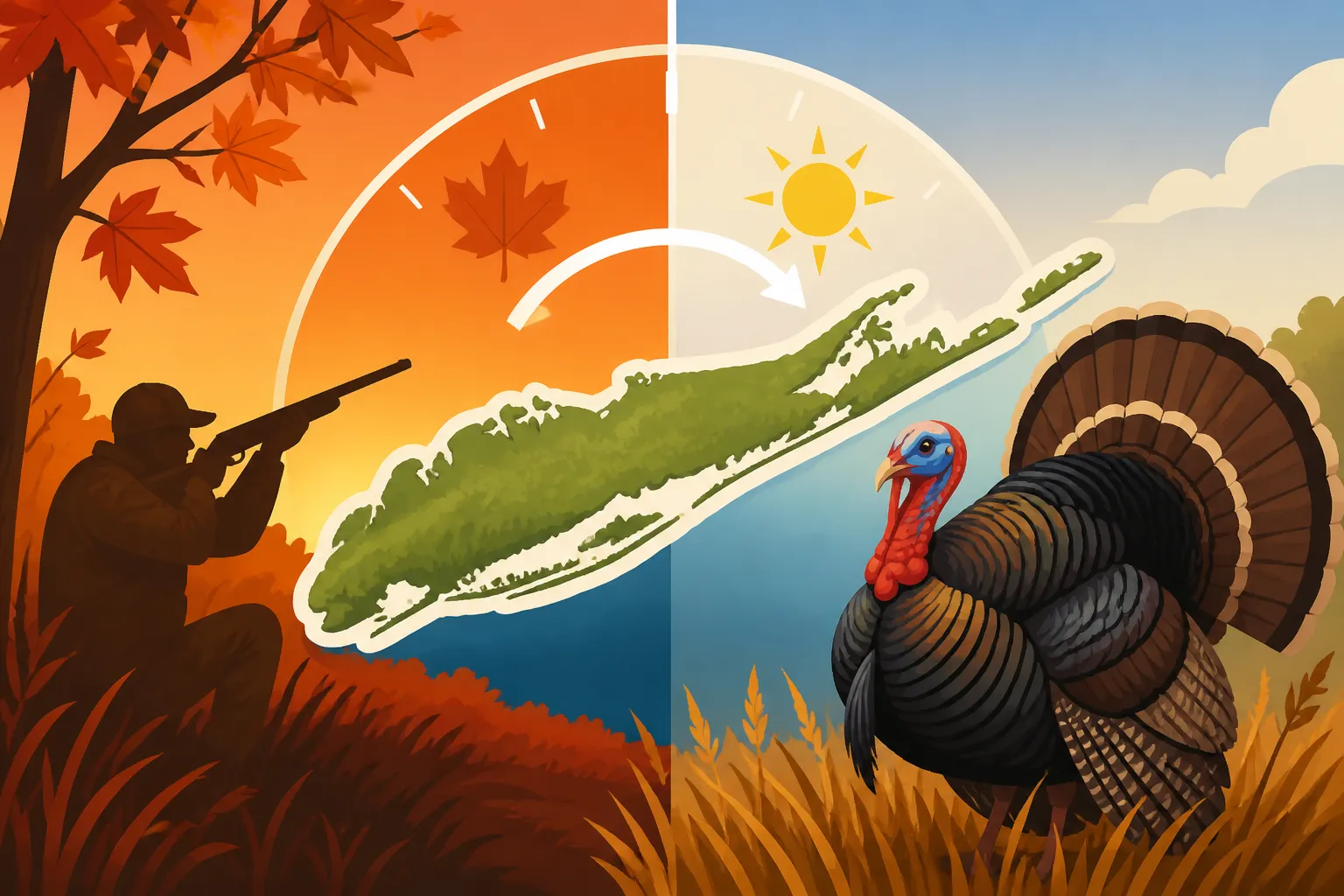
If you've ever glanced at the New York Department of Environmental Conservation's (DEC) hunting regulations, you might have noticed something peculiar about the fall turkey season on Long Island. While most of the state sees its fall turkey window open in October, Long Island's season often doesn't kick off until December, running a very brief, often just a few days, stretch. This stark difference can be incredibly frustrating and confusing for hunters trying to plan their season, especially if they hunt in multiple zones or are visiting from off-island. This guide is here to unravel the mystery and explain exactly why Long Island's fall turkey window marches to the beat of its own drum.
Understanding New York's Fall Turkey Season Zones
New York State is a big place, geographically diverse, and home to varying wildlife populations. To manage game species effectively, particularly wild turkeys, the DEC divides the state into specific hunting zones. These zones are not arbitrary; they're carefully drawn based on scientific data, including habitat, turkey population density, reproductive success (poult production), and harvest data. It’s this intricate balance that dictates when seasons open and close, and how many birds hunters can take.
How Different Zones Affect Season Lengths
Across New York, you'll generally encounter two primary fall turkey hunting zones: the Northern Zone and the Southern Zone. The Northern Zone, encompassing the Adirondacks and surrounding areas, typically has a shorter fall season due to harsher winters and generally lower turkey densities. The Southern Zone, covering most of the rest of the state, usually offers a longer season, reflecting healthier, more widespread populations. Then, there's Long Island, specifically Wildlife Management Unit (WMU) 1C, which operates under its own distinct set of rules. This unique approach means that while hunters upstate might be chasing deer and anticipating the firearm opener, Long Island turkey hunters are still patiently waiting for their chance, often in much colder, later-season conditions. For a broader overview of the various turkey season dates, you can check out the guide on New York Fall Turkey Zone Windows.
The Anomaly of Long Island's Turkey Season
The most striking difference for Long Island is the timing and duration of its fall turkey season. Instead of an October start, hunters on the island usually see their season begin in December. And it’s not just late; it’s notably short, sometimes only running for a weekend or a handful of weekdays. This isn't an oversight or an attempt to make things difficult; it's a very deliberate, data-driven decision by the DEC. They are trying to balance hunting opportunity with the specific needs of a recovering and relatively fragile turkey population that faces unique challenges on the island. Understanding this is key to appreciating the management efforts.
The Unique Ecology and History of Long Island Turkeys
To truly grasp why Long Island's fall turkey season is so late, we need to delve into the island's ecological history and the specific challenges its turkey population faces. Unlike much of mainland New York, wild turkeys were historically extirpated from Long Island, meaning they were completely wiped out. The story of their return is a testament to conservation efforts, but it also highlights their vulnerability.
The Reintroduction and Slow Growth of the Population
Wild turkeys disappeared from Long Island by the mid-1800s due to unregulated hunting and extensive habitat loss. For over a century, the island was turkey-free. Starting in the early 1990s, the DEC began reintroducing turkeys to Long Island, primarily through trap-and-transfer programs. Birds were captured from robust populations upstate, often in areas like the Catskills or the Southern Tier, and released into suitable habitats on Long Island. This wasn't a quick fix; it took years for these initial stockings to establish viable, self-sustaining populations. The turkey population on Long Island is still considered relatively young and, in many areas, localized. Unlike the booming turkey numbers found in other parts of the state, Long Island's flock is still very much a work in progress, making every bird, especially the hens, crucial for continued growth. For more on the statewide turkey population story, see How Turkeys Were Restored to New York.
Fragmented Habitat and Urban Pressures
Long Island's landscape presents a very different picture from the vast, continuous forests of upstate New York. The island is one of the most densely populated regions in the United States, leading to significant habitat fragmentation. While there are still substantial tracts of wild land, such as the Central Pine Barrens, these areas are often broken up by suburban sprawl, major highways, and residential developments.
This fragmented habitat impacts turkeys in several ways:
- Limited Range Expansion: Turkeys struggle to expand their range naturally when confronted with urban barriers, reducing genetic exchange and overall population resilience.
- Increased Predation: Turkeys in fragmented landscapes can be more susceptible to predators like coyotes, foxes, and raccoons, whose populations often thrive in human-altered environments.
- Human-Wildlife Conflict: Turkeys can come into closer contact with humans, leading to potential issues like road mortality or nuisance complaints, further impacting population stability.
These pressures mean that the Long Island turkey population isn't just smaller; it's inherently more vulnerable to declines. The DEC must manage it with extreme caution to ensure its long-term survival and growth, which directly influences hunting regulations.
DEC's Conservation Strategy for Long Island's Turkey Flock
The primary driver behind Long Island's late and brief fall turkey season is a conservative management strategy designed to protect and grow the still-developing turkey population. The DEC's decisions are rooted in data, aiming to ensure sustainable hunting opportunities without jeopardizing the long-term health of the flock.
Protecting Hens and Maximizing Recruitment
One of the most critical aspects of turkey management is protecting the breeding stock, particularly hens. In the fall, turkey flocks often consist of hens and their poults (young birds) from the spring hatch, or adult gobblers. Hunting pressure during the fall can inadvertently lead to the harvest of hens, which directly impacts the following spring's breeding potential. Given the relatively delicate state of Long Island's turkey population, minimizing hen harvest is paramount.
The late season timing helps in a few ways:
- Increased Poult Survival: By December, the poults that hatched in the spring have had several more months to grow and mature, increasing their chances of surviving the winter and eventually reproducing.
- Flock Break-up: As winter approaches, larger fall flocks, particularly those comprised of hens and their young, may naturally begin to disperse or become less cohesive. This dispersal can make it slightly harder for hunters to target entire family groups, reducing the likelihood of accidental hen harvest.
- Focus on Opportunistic Harvest: A very short season often leads to more opportunistic hunting rather than prolonged, heavy pressure on specific flocks. This limits overall harvest numbers and allows more birds to survive into the breeding season.
The DEC's goal is to ensure that enough hens survive the hunting season to produce a healthy crop of poults in the spring, thereby slowly increasing the island's turkey numbers. You can learn more about statewide population trends by reading New York Turkey Population Trends.
Data-Driven Decisions and WMU 1C Specifics
The DEC continuously monitors turkey populations through various surveys, including brood surveys (counting poults per hen in summer), harvest reports, and hunter feedback. This data provides crucial insights into the health of the population in each WMU. For WMU 1C (Long Island), the data consistently indicates a need for a more cautious approach compared to other zones.
The specific reasoning for the late December window boils down to:
- Lower Population Density: Turkey densities on Long Island are generally lower than in prime habitats upstate. A robust population can withstand more hunting pressure. A sparse one cannot.
- Conservation First: The DEC prioritizes population growth over maximum hunting opportunity for a species still establishing itself. The late, short season reflects this conservation-first approach.
- Unique Local Factors: Local weather patterns, food availability (especially late mast crops), and specific human-impact factors on Long Island all play a role in the precise timing.
This table provides a generalized comparison of New York's primary fall turkey zones:
| Zone | Typical Fall Season Open Date | Typical Fall Season Length | Bag Limit (Fall) | Primary Management Goal |
|---|---|---|---|---|
| Northern Zone | October 1 | ~2 weeks | 1 bird, either sex | Stable population, lower density |
| Southern Zone | October 1 | ~3-4 weeks | 1 bird, either sex | Sustainable harvest, higher density |
| Long Island (WMU 1C) | Early December | ~3-5 days | 1 bird, either sex | Population growth & protection |
Note: These dates and lengths are generalized and can change annually. Always consult the current DEC regulations guide.
This table vividly illustrates the significant difference in management approach for Long Island. It’s a clear indication that the DEC views this population as needing more protection.
Hunting Considerations for Long Island's Late Fall Season
If you're one of the dedicated hunters planning to participate in Long Island's unique late fall turkey season, understanding these management decisions helps you approach your hunt with appropriate expectations and tactics. The season's timing means you'll be dealing with different conditions and potentially more challenging hunting scenarios than those faced by upstate hunters.
Scouting and Locating Birds in December
Hunting turkeys in December on Long Island means adapting your scouting strategy. Fall turkeys are largely driven by food sources, and by late fall, many of the earlier mast crops (acorns, beechnuts) might be picked over or covered by snow. Turkeys will often key in on persistent food sources, such as lingering acorns, late-season agricultural fields if available (though less common on public land), or evergreens providing shelter and occasional food.
- Pre-Season Scouting: Even with a short season, pre-season scouting is crucial. Look for tracks, droppings, and scratchings in areas like the Long Island Pine Barrens. A good GPS app like GoHunt can help you mark sign and understand property boundaries.
- Food Focus: Identify areas with white oaks or other trees that might still be holding acorns. Turkeys will often concentrate in these areas during colder weather.
- Roosting Areas: Pay attention to large, mature trees, especially pines, which turkeys might use for roosting. Locating a consistent roost site can be invaluable for a short season hunt.
- Public Lands: Much of the hunting opportunity on Long Island is on public lands, such as state forests and portions of the Pine Barrens. Familiarize yourself with Long Island State Parkland Hunting Rules and map your routes carefully.
Tactics for a Short, Late-Season Hunt
Given the brevity of the season, your tactics need to be efficient and opportunistic. You likely won't have the luxury of multiple days to pattern birds.
- Calling Strategy: Fall turkey calling is different from spring. Instead of trying to attract a love-struck gobbler, you're aiming to locate and then call in a scattered flock, often using kee-kee runs or lost calls to mimic a separated poult. However, in December, birds are often less vocal and more wary. Soft clucks and purrs can sometimes work, but don't expect birds to come running from a quarter-mile away. Sometimes, silent still-hunting or stalking is more effective.
- Weather Considerations: December on Long Island can bring cold temperatures, strong winds, and even snow. Dress in layers, paying attention to warmth and moisture wicking. Your gear, including your shotgun and ammunition, should be ready for cold, damp conditions.
- Ambush Points: Focus on setting up in ambush points near known travel corridors between roosting areas and feeding grounds. This might involve using natural cover or a well-placed ground blind, especially if hunting pressured birds. A good strategy is to find a hidden vantage point overlooking a promising food source or trail, then wait patiently.
- Decoy Use: While less common in late fall than spring, a single hen or jake decoy might still be effective, especially if you can get birds to commit to an open area. Remember that Decoy Placement for Pressured Birds is always key, regardless of the season.
- Check Regulations: Always, always double-check the current year's DEC regulations, especially for WMU 1C. Season dates, bag limits, and shooting hours can change. You can use resources like the GoHunt platform to stay updated on these specific rules.
Hunting Long Island's fall turkey season is a unique challenge, but a rewarding one. By understanding the underlying conservation reasons for its late timing and adapting your approach, you can increase your chances of success and appreciate the efforts to sustain this valuable resource.
Disclaimer
This article provides general information about New York hunting regulations and practices. Hunting regulations, seasons, and bag limits are subject to change. Always consult the most current New York State Department of Environmental Conservation (DEC) hunting regulations guide before heading afield. It is the hunter's responsibility to know and follow all applicable laws.