New York Spring Turkey Bag Limits
There's nothing quite like the sound of a spring gobbler hammering on the roost, making the hair stand up on your arms as the pre-dawn mist hangs heavy in a New York woodlot. But before you head out there, it’s absolutely critical to understand the specific rules that govern how many of these magnificent birds you can take home. Navigating New York's spring turkey bag limits can feel a bit confusing with statewide rules, youth exceptions, and even unique regional considerations, but this guide will meticulously break down everything you need to know to stay legal and ethical while pursuing spring longbeards.
Understanding New York's Spring Turkey Bag Limits
When you’re out chasing spring turkeys in New York, the rules around how many birds you can harvest are designed to ensure a healthy, sustainable population for generations of hunters. It’s not just about filling your freezer; it’s about responsible wildlife management. The Department of Environmental Conservation (DEC) carefully monitors turkey populations to set these guidelines.
The Standard Statewide Limit
For most of New York State, the spring turkey season adheres to a straightforward bag limit: one bearded bird per day, with a seasonal limit of two bearded birds. This means you can't harvest two birds in the same morning, even if you manage to call in a double. You take one, tag it, and then if you're lucky enough to have another opportunity later in the season, you can try for your second bird. The term "bearded bird" is key here; while it usually refers to a tom or jake, a hen with a beard is also legal to harvest. This distinction is crucial because the primary goal of spring turkey hunting regulations is to protect the breeding hens, ensuring future generations of turkeys.
The season itself generally opens in early May for most of the state, running through the month. If you want to dive deeper into the specific dates and durations, you can find comprehensive information in our guide on New York Spring Turkey Season Rules. It’s always a good idea to double-check the exact dates for your specific Wildlife Management Unit (WMU) each year, as they can occasionally see minor adjustments. Imagine calling in a magnificent tom on a dewy May morning, getting your shot, and then heading home with that hard-earned bird. That's your first bird down. Now, you’ve got another tag in your pocket, and the thrill of the hunt continues, knowing you have one more opportunity to fill your freezer with delicious wild turkey.
Youth Hunt Specifics
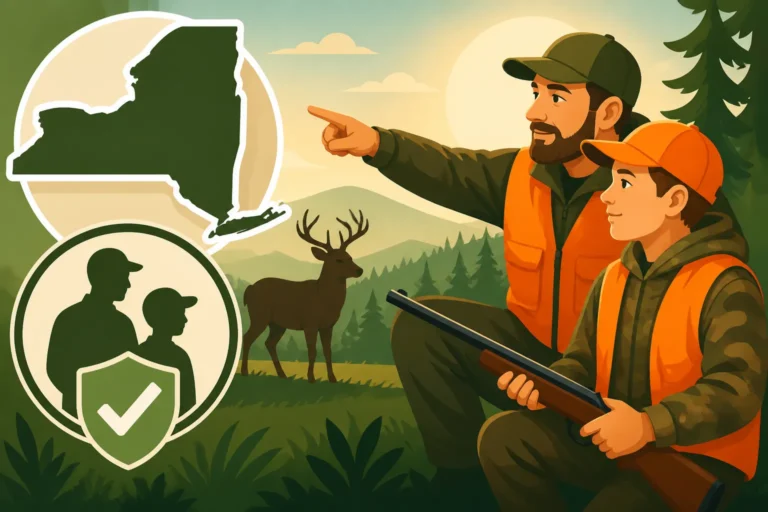
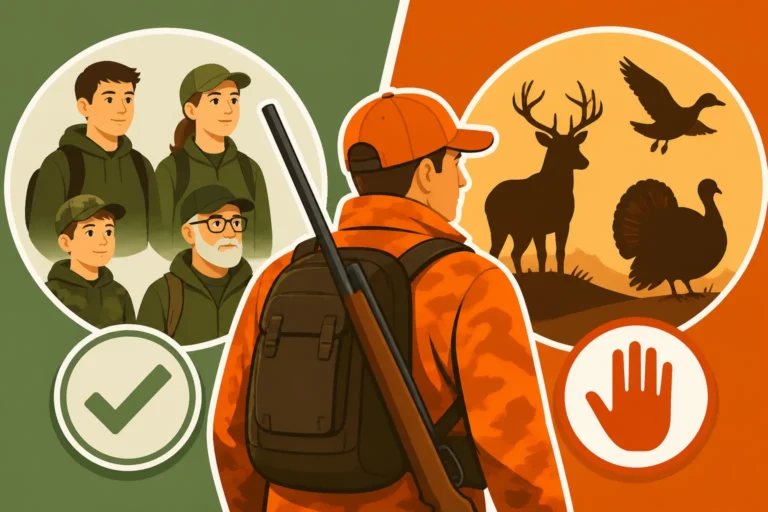
New York is committed to fostering the next generation of hunters, and that includes special provisions for youth hunters during the spring turkey season. The state typically offers a special youth turkey hunt weekend that precedes the regular season opener by a week or so. During this youth-only weekend, junior hunters, typically aged 12 to 15, can hunt bearded turkeys under the supervision of a licensed adult mentor.
The bag limit for these junior hunters during this special weekend is the same as the regular season: one bearded bird per day, with a seasonal limit of two bearded birds. However, any bird harvested during the youth hunt counts towards their overall two-bird seasonal limit. So, if a youth hunter takes a bird during the youth weekend, they still have one tag left for the regular season. This provides an incredible opportunity for young hunters to experience the thrill of turkey hunting with less pressure from adult hunters, often leading to a more focused and successful experience. For all the details on eligibility, supervision requirements, and specific dates, our guide on The New York Youth Spring Turkey Weekend is an excellent resource. These mentored hunts are vital not just for harvesting a bird, but for teaching conservation, ethics, and woodsmanship. The GoHunt app can be a great tool for mentors and youth hunters alike to review regulations and scout potential hunting spots digitally.
Differentiating Spring and Fall Limits
It's easy to get spring and fall turkey hunting regulations mixed up, especially if you hunt both seasons. However, the bag limits and legal birds are distinctly different, reflecting different management objectives for each season. In the spring, as we’ve discussed, the focus is strictly on "bearded birds." This is a conservation measure aimed at protecting hens during their critical nesting and brooding period, ensuring the next generation of turkeys. Taking a hen in the spring, even by accident, is a serious violation.
Fall turkey hunting, on the other hand, typically allows for the harvest of either sex, meaning you can take both hens and gobblers. The bag limits also differ; for example, in the Southern Zone, the fall limit might be one bird of either sex, while in the Northern Zone, it could be two birds of either sex. These differences are based on population assessments conducted by the DEC. Understanding these distinctions is paramount to hunting legally. Imagine you’re out in October, and a flock of turkeys presents itself. If you think it’s still spring, you might hesitate on a hen, but in the fall, it’s often a legal bird. Always verify the regulations for the specific season and zone you are hunting to avoid any misunderstandings.
Why Bag Limits Matter: Conservation and Management
Bag limits aren't arbitrary numbers pulled from a hat. They are carefully determined by wildlife biologists and management professionals based on years of data, research, and population modeling. These limits are a cornerstone of sustainable hunting, ensuring that we can continue to enjoy robust turkey populations long into the future.
Population Health and Sustainable Harvest
The primary reason for spring turkey bag limits is to maintain healthy and stable turkey populations. Wild turkeys, particularly in New York, have an incredible success story. They were once virtually extirpated from the state, but thanks to extensive reintroduction efforts and sound management, they have rebounded remarkably. This success, however, is not guaranteed forever. The DEC constantly monitors various metrics, such as brood surveys, poult-to-hen ratios, and harvest data, to understand the health and trajectory of the turkey population.
Bag limits, especially the "bearded bird only" rule in spring, directly support this by ensuring that enough breeding stock remains to replenish the population each year. Without such limits, overharvesting, particularly of hens, could quickly decimate local populations and undermine decades of conservation work. It’s a delicate balance: providing ample hunting opportunities while safeguarding the resource. The idea is to take a sustainable number of birds that the population can easily replace. Our guide on New York Turkey Population Trends offers a deeper dive into how these populations are monitored and managed. It's a testament to effective conservation that New York hunters can enjoy such a robust turkey season, and adhering to bag limits is a personal responsibility in maintaining that success.
The Importance of Protecting Hens
During the spring, hens are critically important for the future of the turkey population. This is their nesting and brooding season, when they lay eggs and raise young poults. Removing hens from the population during this time can have a disproportionately negative impact on population recruitment and overall health. That's why the spring bag limit specifically targets "bearded birds." While a small percentage of hens do grow beards, the vast majority of bearded birds are adult gobblers (toms) and sub-adult gobblers (jakes).
By focusing harvest pressure on these males, we allow the hens to successfully nest and raise their clutches without additional hunting pressure. A successful nesting season, measured by a good New York Wild Turkey Nesting Success rate and healthy poult-to-hen ratios, is paramount for a thriving turkey population. Every hen that successfully hatches and raises a brood contributes significantly more to the population than a single gobbler. So, when you pass on a clean shot at what you suspect might be a hen, even if it's got a tiny patch of beard, you're making a conscious decision to support the future of New York's wild turkeys. It’s a powerful act of conservation woven directly into the hunt itself.
Regional Differences: Special Considerations for WMU 1C
While the statewide bag limit of two bearded birds per season is generally applicable, New York State has a few specific areas where regulations might vary slightly based on local population dynamics. It's vital to be aware of these regional nuances to ensure you're always hunting legally.
The Unique Situation in WMU 1C
One of the most notable exceptions to the standard statewide spring turkey bag limit is Wildlife Management Unit 1C. This WMU covers a significant portion of Long Island, and its turkey hunting regulations differ from the rest of the state. In WMU 1C, the spring turkey bag limit is restricted to one bearded bird per season. This means hunters in this specific area only get one tag for the entire spring season, not two.
There's a good reason for this more conservative approach. Turkey populations on Long Island, while present, are generally not as robust or widespread as they are in other parts of the state, such as the Southern Tier or the Catskills. Habitat fragmentation, higher human population density, and other ecological factors contribute to a smaller, more sensitive turkey population in this region. The DEC implements this tighter restriction to ensure the long-term viability of the Long Island turkey flock. Understanding Why WMU 1C Caps Spring Turkeys at One is crucial for hunters in that area. It's not about making it harder; it's about making it sustainable. If you're planning a hunt on Long Island, make sure your plans align with this specific, more restrictive bag limit.
Checking Your Specific WMU Rules
Given these regional differences, the absolute most important advice for any New York turkey hunter is to always verify the regulations for the specific Wildlife Management Unit you plan to hunt in. Relying solely on general statewide rules without checking your specific location can lead to unintentional violations. The New York State DEC website is the official source for all hunting regulations, and it's updated annually. You can navigate to the "Hunting and Trapping Regulations Guide" section, where detailed maps and tables outline WMU boundaries and specific rules.
Beyond the official DEC site, digital mapping and hunting apps like GoHunt are incredibly valuable tools. Many of these apps allow you to overlay WMU boundaries onto interactive maps, showing you exactly where you stand and what rules apply. Before every hunting trip, especially if you're exploring a new area or a new WMU, take a few minutes to:
- Identify your WMU using a reliable map.
- Consult the DEC regulations guide for that specific WMU.
- Confirm bag limits, season dates, and any other local rules (e.g., specific public land restrictions, legal shooting hours).
This diligence ensures that your hunt is not only successful but also fully compliant with New York law. It's a small investment of time that prevents potential headaches and supports the integrity of hunting.
Legal Requirements and Reporting Your Harvest
Harvesting a wild turkey in New York involves more than just pulling the trigger. There are crucial legal steps you must follow, from having the right paperwork to accurately reporting your success. These steps are vital for both law enforcement and wildlife management.
Licensing and Permits
Before you even step foot in the woods with your shotgun or bow during spring turkey season, you absolutely must possess the correct licenses and permits. In New York, this includes:
- A valid New York State Hunting License: This is your foundational license that allows you to hunt small game and big game.
- A Turkey Permit (often called a turkey tag): This permit is specifically for wild turkeys and is purchased in addition to your general hunting license. It comes with the actual tags you’ll attach to your harvested birds.
Without both of these, you are not legally allowed to hunt wild turkeys. The cost of these permits can vary, especially for residents versus non-residents. Our guide on New York Turkey Permit Cost provides a detailed breakdown of what to expect. You can purchase these through the New York DEC's online licensing system, by phone, or from authorized license issuing agents across the state. The DEC has made the process quite accessible, allowing hunters to easily acquire their necessary documentation. It's also a good idea to check out Buying a License Through New York's DEC System for a step-by-step guide on how to navigate the purchasing process. Remember, these licenses and permits are not just bureaucratic hurdles; they fund critical conservation efforts, habitat improvements, and wildlife research that directly benefit the animals you pursue.
Mandatory Harvest Reporting
One of the most critical legal requirements after harvesting a turkey in New York is mandatory harvest reporting. This isn't just a suggestion; it's a legal obligation. All successful turkey hunters must report their harvest to the DEC within seven days of taking the bird. This data is incredibly important for wildlife managers. It helps them:
- Monitor harvest rates: Understanding how many birds are taken each year is essential for assessing population health.
- Track population trends: Combined with other survey data, harvest reports help biologists see if turkey populations are increasing, decreasing, or stable.
- Inform future regulations: If harvest rates are too high or too low, the DEC can adjust bag limits, season lengths, or other rules in subsequent years to ensure sustainable management.
The reporting process is designed to be convenient for hunters. You can report your harvest online through the DEC's HuntFishNY portal, via a special toll-free phone number, or through the HuntFishNY mobile app. When you report, you'll need information from your turkey tag, the date of harvest, the WMU where you killed the bird, and details about the bird itself (e.g., bearded, spur length, beard length). While our guide Reporting a Deer Through HuntFishNY focuses on deer, the process for turkeys is very similar and will give you a good idea of what to expect. Make sure you don’t delay this reporting. It’s a simple but vital step that every responsible hunter must complete, contributing directly to the future of turkey hunting in New York.
Beyond the Bag Limit: Ethical Hunting Practices
While knowing and adhering to bag limits is fundamental, ethical hunting goes far beyond just what's legally allowed. It encompasses a broader set of principles that ensure respect for the animal, the land, and the hunting tradition itself. True sportsmen strive for clean kills and responsible behavior in the field.
Responsible Hunting and Shot Placement
Ethical turkey hunting prioritizes a clean, quick kill. This means making sure your equipment is properly matched for turkeys, practicing your shooting, and understanding optimal shot placement. A standard 12- or 20-gauge shotgun with a tight choke (like a full or extra-full) and appropriate turkey loads (often containing heavier-than-lead shot like tungsten alloys) is typically recommended. Before the season, pattern your shotgun at various distances to understand its effective range and shot density. This crucial step lets you know exactly how far you can confidently take a shot. Our deep dive into Turkey Chokes and Patterning can provide more specific guidance on this.
When targeting a turkey, the aim is to hit the head and neck region. This area, when hit squarely, results in an almost instantaneous kill, minimizing suffering. Avoid body shots with a shotgun, as the pellets often don't penetrate deep enough to quickly dispatch the bird, leading to wounded animals and difficult tracking jobs. Patience is key; wait for the bird to present a clear, ethical head shot. This might mean letting a gobbler walk away if he never offers the right angle, but that’s part of responsible hunting. You can learn more about how to set yourself up for success on the Hunting the Statewide Spring Turkey Opener with ethical shots in mind. Using a proper turkey vest with a comfortable seat, like those from brands like Primos or ALPS OutdoorZ, can help you stay still and patient, waiting for that perfect shot opportunity.
Respecting Land and Other Hunters
New York State offers a wealth of hunting opportunities on both public and private lands. Regardless of where you hunt, demonstrating respect for the land and other hunters is paramount. On public lands, which can sometimes see significant pressure, especially during opening weekend, being mindful of other hunters' presence is crucial. Avoid setting up too close to another hunter’s setup, give them plenty of space, and don't "sky-bust" (shoot at birds too far away) which can scare off birds for everyone. Understanding how to navigate areas like those mentioned in Run-and-Gun Turkey Tactics on Public Land means recognizing when to move and when to be quiet.
If you’re hunting private land, maintaining a positive relationship with landowners is essential. Always obtain explicit permission before entering their property, and follow any specific rules they might have. Leave gates as you found them, don't litter, and report any signs of trespass or poaching you observe. A simple "thank you" or a small gesture of appreciation for allowing you access can go a long way in securing future hunting opportunities. Our guide on Asking a New York Farmer for Permission offers some excellent tips for approaching landowners respectfully. The hunting community thrives on mutual respect and shared passion, and upholding these ethics ensures that everyone can enjoy the sport responsibly.
Planning Your Spring Turkey Season Effectively
A successful spring turkey hunt in New York is rarely accidental. It's the culmination of careful planning, diligent scouting, and the ability to adapt to ever-changing conditions in the field. Beyond just knowing your bag limits, putting in the legwork beforehand significantly increases your odds of punching those tags.
Pre-Season Scouting and Calling Strategies
Effective pre-season scouting is arguably the most critical component of a successful spring turkey hunt. This means getting out into the woods before the season opens, ideally in late March or April, to locate where turkeys are roosting, feeding, and traveling. Look for tell-tale signs:
- Roosting areas: Turkeys prefer to roost in large, sturdy trees, often near water sources or on prominent ridges. Listen for their distinctive gobbling at dawn and dusk. Understanding Where New York Gobblers Roost can give you a significant advantage.
- Scratchings: Look for areas where turkeys have been scratching the leaf litter to find insects and acorns.
- Droppings and tracks: Fresh sign indicates recent activity.
- Strut zones: Flat, open areas where gobblers display for hens.
Once you have located birds, develop a calling strategy. Turkey calls are designed to mimic the sounds of turkeys to attract gobblers. There's a wide array of calls, including slate calls, box calls, mouth calls (diaphragm calls), and locator calls (owl hoots, crow calls). Practice your calling extensively before the season to ensure you sound realistic. Learn how to make basic hen yelps, clucks, purrs, and the seductive "kee-kee" run. Knowing how to adapt your calling to get a gobbler off the roost, as detailed in Calling a New York Gobbler Off the Roost, is a skill that takes practice but yields incredible results. Use locator calls to pinpoint gobblers without directly alerting them to your presence, then move in quietly and set up. A GoHunt subscription can help you locate potential habitat features like hardwood ridges or open fields that might concentrate birds, even before you set foot in the woods.
Adapting to Conditions
Wild turkeys are intelligent birds, and their behavior can change rapidly based on weather, hunting pressure, and the breeding cycle. The most effective turkey hunters are those who can adapt their tactics to the prevailing conditions.
- Weather: Rainy, windy, or cold weather can make turkeys less vocal and harder to locate. On blustery days, gobblers might stick to sheltered areas or be less inclined to leave their roosts. In these conditions, focusing on known travel corridors, food sources, or patience at a good setup can be more productive than aggressive calling.
- Hunting Pressure: Early in the season, particularly on public land, turkeys can be very responsive to calls. However, as the season progresses and birds encounter more hunters, they can become "call-shy" or "henned-up," meaning they're with hens and less likely to respond to a lone hen call. When New York Gobblers Go Quiet, you might need to become more mobile, employ different calls, or try to "run and gun" if on public land, attempting to strike a hot gobbler.
- Time of Day: Gobbling activity is typically highest right after fly-down in the morning, gradually tapering off as the day progresses. Midday can be an excellent time to cover ground and locate birds that might be feeding or looking for new hens.
Having a versatile setup is also key. While treestands aren't common for turkey hunting, choosing a natural blind that offers good concealment and a clear shooting lane is vital. Think about Setting Up Against a Big Oak or in a dense thicket that offers cover while still allowing you to see approaching birds. Also, consider your decoy setup. Sometimes a single hen decoy is all you need, while other times a jake and hen combination might be more effective at drawing in a dominant tom. Mastering Decoy Placement for Pressured Birds can make all the difference when dealing with wary longbeards. The more flexible you are with your approach, the better your chances of filling your tag, even when the birds aren't cooperating.
| New York Spring Turkey Bag Limits Overview | ||
|---|---|---|
| Category | Bag Limit | Notes |
| Adult Hunters (Statewide, excl. WMU 1C) | 1 bearded bird/day, 2 bearded birds/season | Standard regulation for most of New York State. |
| Youth Hunters (Youth Weekend) | 1 bearded bird/day, 2 bearded birds/season | Harvest counts towards the youth's total seasonal limit. Requires adult mentor. |
| WMU 1C (Long Island) | 1 bearded bird/season | Due to specific local population dynamics and habitat, more restrictive. No daily limit mentioned, as only one is allowed total. |
| Fall Turkey Season (For Comparison) | Varies by zone, typically 1 or 2 birds/season | Allows either sex (hens or gobblers). Separate season, different rules. |
| Reporting Requirement | Mandatory within 7 days of harvest | Essential for DEC wildlife management and population tracking. |
Disclaimer
Always consult the official New York State Department of Environmental Conservation (DEC) hunting regulations guide for the most current and comprehensive information before participating in any hunting activity. Regulations can change, and it is the hunter's responsibility to be aware of and comply with all applicable laws.