New York Bear Denning Behavior
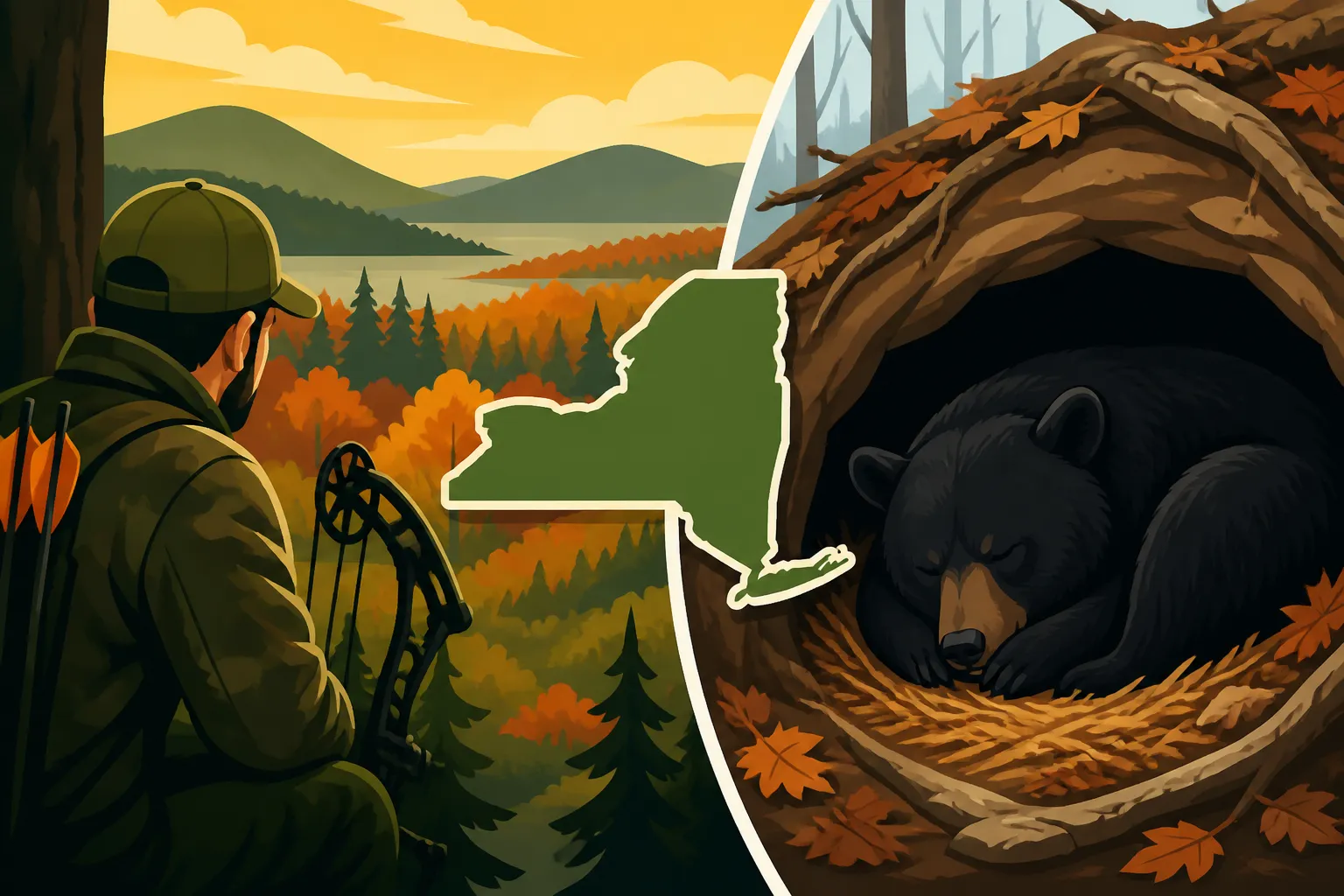
The deep woods of New York, from the rugged Adirondacks to the rolling Catskills, hold a fascinating secret each winter: the hidden world of black bear denning. For many of us who trek through the frozen forests in late fall and early spring, the question of where these magnificent creatures go, and what truly happens when they disappear, is a persistent mystery. This guide aims to pull back the curtain on New York's black bear denning behavior, helping you understand their annual cycle and why it’s so critical to their survival.
Why Black Bears Seek Their Winter Dens
The decision for a black bear to enter its winter den isn't just a casual choice; it's a profound evolutionary adaptation, driven by a combination of environmental pressures and biological imperatives. Unlike true hibernators, New York black bears enter a state often referred to as torpor, a lighter sleep from which they can be aroused. However, the reasons for this long winter's nap are just as critical for their survival as deep hibernation is for other species.
Surviving Food Scarcity
Perhaps the most obvious driver for denning is the dramatic decrease in food availability once the colder weather truly sets in. New York's black bears are omnivores, relying heavily on a diverse diet of berries, nuts, acorns, insects, and vegetation throughout the spring, summer, and fall. As the leaves drop and the snow begins to fly, these vital food sources vanish. Without enough sustenance, a bear simply couldn't maintain its massive body mass and energy levels through the lean months.
Imagine a plump bear in late October, gorging on the last of the available beechnuts or hard mast. It's not just enjoying a tasty snack; it's packing on critical fat reserves, sometimes adding 30-50% to its body weight. This accumulation of fat is absolutely essential, acting as its sole energy supply for months. During the denning period, their metabolic rate drops, their heart rate slows, and their body temperature decreases slightly, all designed to conserve this precious fat. This remarkable biological feat allows them to essentially press pause on the most difficult time of year, ensuring they emerge in spring ready to forage anew. Understanding this intense preparation helps you anticipate bear movements, especially when thinking about hunting bears over natural food sources.
Protection from the Elements
Beyond the lack of food, the harsh New York winter itself poses a significant threat. Frigid temperatures, relentless snow, ice, and biting winds would make simply surviving outdoors a monumental challenge for a bear. While their thick fur offers some insulation, constant exposure would demand an immense amount of energy expenditure to stay warm, energy that simply isn't available when food is scarce.
A well-chosen den provides a critical refuge from these elements. It's a sanctuary, offering insulation and a consistent microclimate that can be several degrees warmer than the outside air. Think about trying to sleep comfortably outside in January in the Adirondacks; it’s nearly impossible without specialized gear. For a bear, a cozy den minimizes heat loss, allowing those fat reserves to stretch much further. This protection is especially vital for sows and cubs, who are particularly vulnerable to the cold.
Reproductive Cycle and Cub Rearing
The den isn't just a place of survival; it's a nursery. For pregnant sows, denning is absolutely integral to their reproductive success. Black bear cubs are born blind, hairless, and tiny – sometimes weighing less than a pound – in the depths of winter, typically in January or February. This timing, while seemingly counterintuitive, offers a distinct advantage.
Inside the den, the cubs are protected from predators and the elements, nursed by their mother in a relatively safe, warm environment. They grow rapidly, suckling rich milk, and by the time spring arrives, they're much larger and more robust, better equipped to face the outside world. This period allows them to gain strength and develop sufficiently before emerging into the active, often dangerous world of the New York forest. In fact, understanding New York bear cub survival rates often ties back directly to the quality and security of the denning period.
When New York Bears Head for Their Dens
The exact timing of when New York black bears enter their winter dens isn't a hard-and-fast date on the calendar. It's a dynamic process influenced by a range of factors, primarily driven by environmental cues and the individual bear's condition. However, there are general patterns that hold true across the state's diverse landscapes.
Regional Variations and Weather Patterns
Across New York, you'll see some variations in denning behavior depending on whether you're in the colder, snowier Northern Zone or the generally milder Southern Zone. In regions like the Adirondacks, where winter arrives earlier and harsher, bears tend to den earlier. You might see bears in the High Peaks area starting to settle into their dens by mid-November, sometimes even earlier if a significant cold snap or heavy snowfall hits.
Conversely, in the southern parts of the state, particularly in areas like the lower Catskills or the Southern Tier, bears might remain active later into December, especially if acorn or beechnut crops are abundant and the temperatures remain relatively mild. A severe early cold front with persistent snow will certainly expedite denning across the board, pushing even well-fed bears to seek shelter. This is why knowing the specific local conditions is crucial, much like how hunters learn about the New York Southern Zone Firearm Dates or the New York Northern Zone Firearm Dates.
Food Availability and Fat Reserves
The single most critical factor determining denning timing is the availability of food and, consequently, the bear's fat reserves. A bear that has successfully fattened up on a bumper crop of acorns, apples, or corn will often den earlier than a bear that struggled to find food throughout the fall. The more energy stores a bear has, the sooner it can afford to "shut down" for the winter.
Conversely, if natural food sources are scarce, bears might prolong their active period, desperately searching for any remaining calories. This can sometimes lead to increased human-bear conflicts in late fall as hungry bears venture closer to human settlements looking for easy meals from bird feeders or unsecured garbage. For hunters using resources like GoHunt, understanding these patterns can offer insights into late-season bear activity.
Sex and Age Differences
Not all bears den at the same time. There's a clear hierarchy in denning behavior based on sex and age. Pregnant sows are typically the first to enter their dens. Their biological imperative to protect their unborn cubs and provide a safe birthing environment means they prioritize securing a den site and settling in well before the harshest weather hits. You might see them disappear from trail cameras or public sightings in early November.
Adult males, often the largest and hardiest bears, tend to den later than sows, especially if there's still food to be found or if they're looking to breed late in the fall. They have greater resilience to the cold and are less burdened by immediate reproductive needs. Sows with yearling cubs from the previous year will also den, often together, usually after pregnant sows but before solitary males. Yearlings and subadults, still growing and learning, generally follow their mother's lead or den when their own fat reserves and environmental cues tell them it's time.
Where New York Black Bears Make Their Dens
Finding a black bear den in the vastness of New York's wildlands is like finding a needle in a haystack. These animals are incredibly resourceful and secretive when it comes to selecting their winter homes, prioritizing safety, insulation, and concealment. Their choices can vary widely, from natural rock crevices to excavated earth, each serving the same critical purpose.
Types of Den Structures
New York bears utilize a variety of natural and semi-natural structures for their winter dens. These aren't elaborate constructions, but rather opportunistic choices of existing shelter that can be modified slightly.
- Rock Caves and Crevices: These are often prime real estate for bears. The natural insulation of rock, combined with existing chambers, provides excellent protection from the elements. A bear might find a deep fissure in a cliff face, a hollow under a massive boulder, or a small cave system. These dens require minimal modification, perhaps just a lining of leaves or branches for bedding. In the rugged terrain of the Catskill Forest Preserve, such formations are relatively common and highly sought after by bears.
- Hollow Logs and Tree Cavities: Large, downed hollow logs or cavities within old-growth trees provide another secure option. These are especially prevalent in older forests where decaying timber offers ample space. A bear might squeeze into a hollow log, or climb into a tree with a sufficiently large opening. These offer good insulation and are often well-hidden.
- Excavated Earth Dens: Sometimes, a bear will create its own den by digging into the earth. This usually happens in areas with softer soil, often under the root ball of a fallen tree, at the base of a standing tree, or into a steep embankment. The excavated dirt and root structure provide excellent insulation. These dens are often more challenging to spot from the outside, as the entrance can be small and camouflaged.
- Brush Piles and Windfalls: Less common, but still used, are dense brush piles or thick tangles of fallen trees (windfalls). These provide excellent cover and some insulation, though they might not offer the same level of protection from extreme cold as a rock cave or earth den. A bear might simply burrow into a thicket of tangled branches, creating a surprisingly snug pocket within. When scouting New York public land before season, you might pass right by a potential den site without ever knowing it.
Den Site Characteristics and Preferences
Regardless of the type, bears look for specific characteristics in a den site that maximize their chances of survival. Secrecy is paramount; a den needs to be well-hidden from potential predators and human disturbance. This often means choosing locations away from well-used trails or roads.
Elevation can also play a role. While bears don't exclusively den at high altitudes, they often choose sites on slopes or ridges that allow for good drainage, preventing the den from flooding with meltwater. Many sites will be chosen in thick, undisturbed cover – dense conifer stands, steep ravines, or remote pockets of mixed hardwoods. For hunters tracking bear activity, tools like GoHunt can help identify these undisturbed zones, though finding a specific den is still incredibly rare. Areas with dense undergrowth or heavy snow accumulation can also add to the insulation and concealment. It’s truly remarkable how adaptable they are in their choices across the diverse landscapes that make up New York's black bear population.
Life Inside the Den: Torpor and New Life
Once a New York black bear settles into its chosen den, a remarkable physiological transformation occurs. It's not a deep, unresponsive hibernation, but a controlled, energy-saving state called torpor, allowing them to endure months without food or water. Within this state, some of the most critical events in a bear's life unfold.
The Physiology of Torpor
Entering torpor is a complex and efficient biological process. A bear's heart rate can drop dramatically, from an active 40-50 beats per minute down to as low as 8-10 beats per minute. Their respiratory rate also slows, and their body temperature, while not as low as a true hibernator, can decrease by several degrees, typically hovering around 88-92 degrees Fahrenheit. This slight drop is enough to significantly reduce their metabolic rate, conserving the precious fat reserves accumulated during the fall.
During this period, bears do not eat, drink, defecate, or urinate. Their bodies recycle waste products, with urea being converted back into protein, preventing muscle atrophy and maintaining bone density. This incredible metabolic efficiency means they emerge in spring with minimal muscle loss, ready to forage. While they are in a deep sleep, they are not entirely unconscious. A loud disturbance nearby, or an unseasonably warm spell, can rouse them, though they will usually settle back down. This is different from the deep dormancy of some other animals, highlighting the unique nature of bear denning behavior.
The Birthing and Rearing of Cubs
For pregnant sows, the den is much more than a resting place; it's a maternity ward. Typically in January or February, within the warmth and security of the den, the tiny cubs are born. A litter usually consists of one to three cubs, each weighing about as much as a can of soda. They are incredibly vulnerable, blind, and covered in only a fine downy fur.
The sow, despite being in a state of torpor, is instinctively attentive. She nurses her cubs frequently with rich, fatty milk, which allows them to grow at an astonishing rate. By the time March or April rolls around, the cubs have transformed into furry, active little bundles, weighing several pounds. They can see, are mobile, and have a playful curiosity. This period of rapid growth within the den is crucial for their survival, providing a safe head start before they face the challenges of the outside world, a critical factor for the overall health of New York's black bear population.
Emergence and Early Season Activity
The timing of emergence from the den, much like entry, is influenced by weather and the bear's condition. Generally, adult males and sows without cubs are the first to stir and leave their dens, often in late March or early April in the Southern Zone, or late April to early May in the Northern Zone. They emerge looking gaunt, having lost a significant amount of weight, and their primary drive is to find food.
Sows with newborn cubs are typically the last to emerge, waiting until the weather is consistently milder and new vegetation starts to appear. They might linger in the den for an extra few weeks, giving their cubs more time to grow. Once out, these family units will move cautiously, staying close to the den initially, as the cubs learn to navigate their new world. This early season movement, particularly in areas like the Adirondack Forest Preserve, is fascinating to observe, though encounters are rare given their cautious nature.
| Factor | Typical Den Entry (New York) | Typical Den Exit (New York) | Primary Driver | Notes |
|---|---|---|---|---|
| Pregnant Sows | Mid-November – Early December | Mid-April – Early May | Cub Rearing, Weather | First to enter, last to leave. Cubs born in den. |
| Sows with Yearlings | Late November – Mid-December | Late March – Mid-April | Weather, Food Scarcity | Often den together with yearlings. |
| Adult Males | Mid-December – Early January | Late March – Early April | Food Scarcity, Weather | Last to enter, first to leave (generally). |
| Subadults/Yearlings | Late November – Mid-December | Late March – Mid-April | Weather, Food Scarcity | Follow adult patterns, may den with mother. |
| Overall Influence | Severe cold, early snow, poor mast crops accelerate entry. Mild weather, abundant late food delay entry. | Warm spring, abundant green-up accelerate exit. Cold, snowy spring delay exit. | Bears can be roused during torpor. |
Post-Denning Behavior and Hunting Considerations
When New York's black bears finally shake off the last vestiges of winter torpor and emerge from their dens, their behavior shifts dramatically. This post-denning period is crucial for their recovery and sets the stage for the rest of their active year, impacting everything from their foraging habits to their movements, which can be of particular interest to hunters.
Spring and Summer Foraging Patterns
Upon emerging, bears are incredibly hungry and focused entirely on replenishing the vast stores of energy they expended during denning. Their bodies are lean, and their metabolic drive is high. In early spring, their diet consists primarily of fresh green vegetation – skunk cabbage, grasses, tender shoots, and emerging leaves. They'll also turn over rocks and logs to find insects, grubs, and larvae, which provide a good protein boost.
As spring transitions into summer, their diet diversifies, including berries like blueberries, raspberries, and blackberries. They'll also actively seek out carrion or fawn deer if the opportunity arises. This intense focus on foraging means they are highly driven by food sources, often traveling considerable distances to capitalize on a localized abundance. This is an important consideration when thinking about when New York's bear season opens in either the Northern Zone or the Southern Zone, as early season bear activity is all about putting on weight.
Interactions with Young Cubs
For sows with new cubs, the post-denning period is a delicate balance of protection and teaching. The cubs, born in the den, are experiencing the outside world for the first time. The sow will lead them cautiously, teaching them what to eat, how to forage, and how to recognize and avoid danger. They will stay close to the sow for nearly a year and a half, until she pushes them off to fend for themselves just before she is ready to breed again.
During this time, sows are particularly vigilant and protective. Encounters with sows and cubs are rare, as the sow will usually detect you long before you see her and lead her cubs away. However, it's a good reminder for anyone venturing into bear country to be aware, make noise, and carry appropriate deterrents. While New York bear hunters cannot use bait, understanding these family dynamics is still part of respecting the animal.
Implications for New York Hunters
Understanding bear denning behavior offers valuable insights for hunters. The late fall den entry means that bears are actively foraging and attempting to put on as much weight as possible right up until they den. This can make them more predictable in terms of their movement patterns, often concentrating around prime food sources like oak ridges or abandoned apple orchards. Knowledge of these behaviors can assist in effective scouting and developing tactics, whether you're planning for a regular season hunt or the specialized Muzzleloader Deer Hunting in New York.
Conversely, knowing when bears are typically denned helps manage expectations for late-season hunts. By the time the calendar flips to December, many bears, especially pregnant sows, will already be tucked away for the winter. However, large boars in the Southern Zone, particularly in a year with a strong mast crop, might still be out and about well into the late firearm season or even the New York's Southern Zone Firearm Season or New York's Northern Zone Firearm Season. Monitoring local conditions and reports on resources like GoHunt can provide real-time indicators of bear activity, allowing hunters to adapt their strategies based on observed behavior and weather trends.
Disclaimer
This article is for general informational purposes only and does not constitute professional advice. Laws, prices and regulations vary by location and change over time. Consult a qualified professional for guidance on your specific situation.