Best-Eating Game in New York
Every hunter I know has a favorite wild game recipe, a meal they dream about all year, but what truly makes certain game meat stand out as the "best eating" in New York? It's a question that goes beyond just a successful hunt; it delves into the nuances of flavor, texture, and preparation. This guide is here to unravel the mysteries behind delicious wild game, helping you understand what factors contribute to exceptional eating and highlighting the top contenders for the most flavorful quarry you can pursue in our beautiful state.
The Factors Influencing Game Meat Flavor
Before we dive into specific species, it’s crucial to understand that the taste of wild game isn’t just some random lottery. Several key factors play a massive role, from the animal's life in the wild to the care it receives after the shot. If you neglect these elements, even the most inherently delicious species can end up tasting… less than stellar.
Diet and Habitat
Think about it: what an animal eats literally becomes part of its flesh. This is perhaps the single biggest influence on game meat flavor. A deer that’s been gorging on acorns and succulent clover in a rich agricultural valley is going to taste very different from one scraping by on browse in a dense Adirondack spruce thicket. Likewise, ducks feeding on corn in a harvested field will have a milder flavor profile than those sifting through marsh mud for invertebrates. Understanding the typical diet of game in a particular area, which can be part of your scouting strategy, even using tools like Scouting With the New York HuntFishNY App, can give you a huge leg up.
For instance, whitetails found in areas like the Southern Tier, where there’s often a mix of hardwoods, agriculture, and abundant mast crops, tend to have a rich, yet not overly gamey, flavor. This varied diet provides them with diverse nutrients that translate into delicious venison. In contrast, deer from deep wilderness areas might have a more pronounced "wild" flavor, often attributed to a diet heavy in woody browse. When you’re planning your hunt, consider the food sources available in your chosen hunting grounds. GoHunt mapping software can sometimes show agricultural fields or specific timber stands that might hold certain food sources, influencing your choice of hunting spot for a better-tasting animal.
Age and Sex
Just like with domestic livestock, the age and sex of a wild animal can significantly impact the tenderness and flavor of its meat. Younger animals generally have more tender meat, as their muscles haven't developed as much connective tissue. This is why a young deer, whether it's a fawn or a yearling, will often yield incredibly tender venison, while an old, battle-scarred mature buck might be tougher and have a stronger, more intense flavor. This isn't to say an older animal isn't good eating – far from it – but it often requires different cooking methods to achieve optimal results.
For example, a big, rutting buck in November, full of hormones and running himself ragged chasing does, often has a much stronger, sometimes even "tallowy," flavor compared to a doe or a buck taken early in the season before the rut kicks in. This is a common frustration for hunters who harvest a monster buck only to find the meat a bit overwhelming. Does, especially younger ones, are almost universally considered excellent eating, providing consistent tenderness and a milder flavor. When targeting game primarily for the table, you might find yourself prioritizing a healthy, younger animal over the biggest antlers in the woods.
Field Care
This factor cannot be stressed enough: the care you give your animal immediately after the shot is paramount to its eating quality. A clean kill is the first step, ensuring minimal stress hormones flood the meat. But beyond that, proper and prompt field dressing to remove entrails, followed by rapid cooling, is absolutely essential. Leaving an animal to sit for hours in warm temperatures, especially in early archery season, can quickly lead to bacterial growth and spoilage, resulting in off-flavors and tough meat, regardless of the species.
Think of it as starting a race. You want your game meat to begin its journey to your plate on the best possible foot. Getting that animal gutted, cooled, and perhaps even skinned as quickly as possible, especially on a warm day, will prevent that unpleasant, sometimes gamey taste often associated with poor handling. Even in cold weather, proper bleeding and gutting are critical. Knowing how to perform tasks like Field Dressing a Deer in Cold Weather can make all the difference. Many experienced hunters will tell you that bad field care ruins more game meat than any other single factor.
Top Contenders for Best-Eating Game in New York
New York offers an incredible array of hunting opportunities, and with those opportunities come diverse culinary experiences. While individual preferences always play a role, some species consistently rank high on hunters' lists for their delicious meat.
White-Tailed Deer
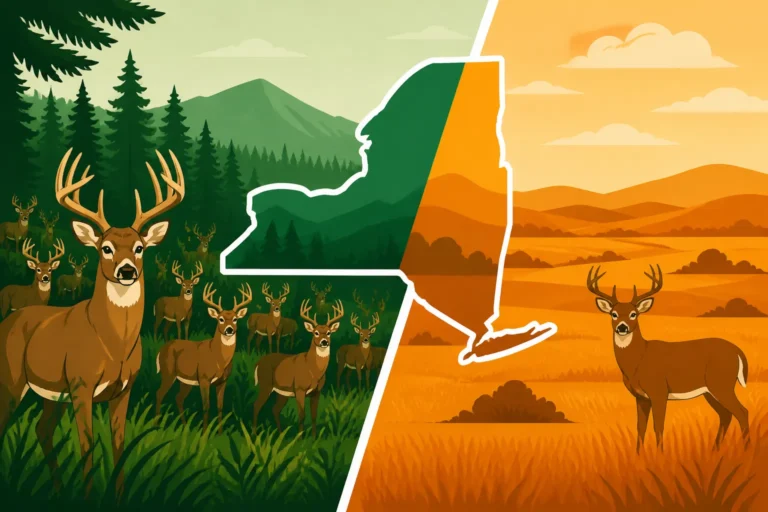
Ah, venison! For many, the whitetail is the quintessential game animal, and its meat is truly a New York staple. When properly harvested and cared for, venison is lean, flavorful, and incredibly versatile. It's not just for chili; it can be transformed into steaks, roasts, burgers, sausage, and even delicate carpaccio. The flavor profile often ranges from mild and beef-like in younger, acorn-fed deer to more robust and earthy in older, browse-fed animals. White-Tailed Deer Across New York thrive in diverse habitats, offering a variety of venison flavors.
The trick to great venison often lies in minimizing its natural leanness, which can sometimes lead to dryness if overcooked. Many hunters choose to wrap steaks in bacon, or grind leaner cuts with a bit of pork fat when making burgers or sausage. The tenderness can also be dramatically improved with proper aging, allowing enzymes to break down muscle fibers before Butchering a Deer at Camp. The key is respecting the animal and its meat from the moment of harvest right through to the dinner plate. Venison is an incredible protein source, and once you master its preparation, it will easily become a favorite.
Wild Turkey
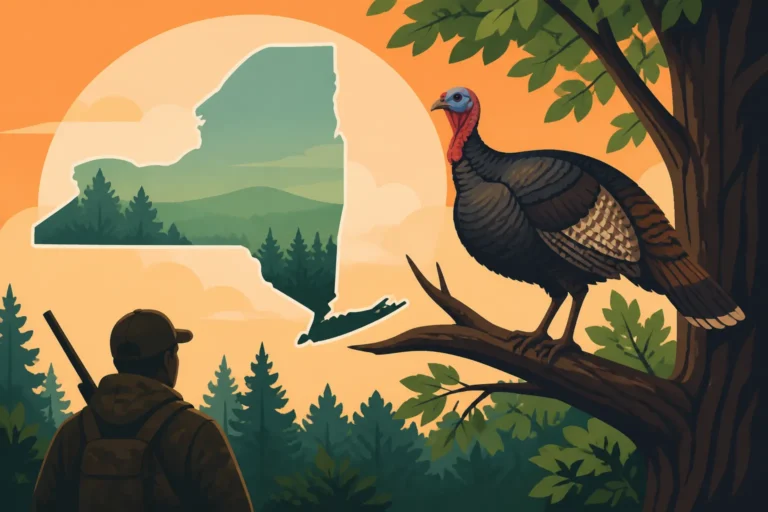
There's nothing quite like a wild turkey, especially a big spring gobbler, on the dinner table. Wild turkey meat is a world apart from its domesticated cousins – leaner, richer, and with a distinctly wild, earthy flavor. The breast meat is white and can be cooked similarly to domestic turkey breast, while the legs and thighs are darker, tougher, and incredibly flavorful, often best suited for slow-cooking methods like braising or stewing. Understanding Wild Turkeys in New York and their habits can lead you to prime birds.
Many hunters swear that a springtime gobbler, taken after he's spent months foraging on wild berries, seeds, and insects, offers the pinnacle of flavor. The meat tends to be firmer and more flavorful than fall birds, which can sometimes be younger hens or jakes. A freshly harvested wild turkey, quickly field dressed and cooled, will provide a memorable meal. Don't be afraid to experiment with different preparations – a pan-seared wild turkey breast seasoned simply can be magnificent, while a slow-cooked leg can turn into tender, pull-apart goodness.
Ruffed Grouse and Woodcock
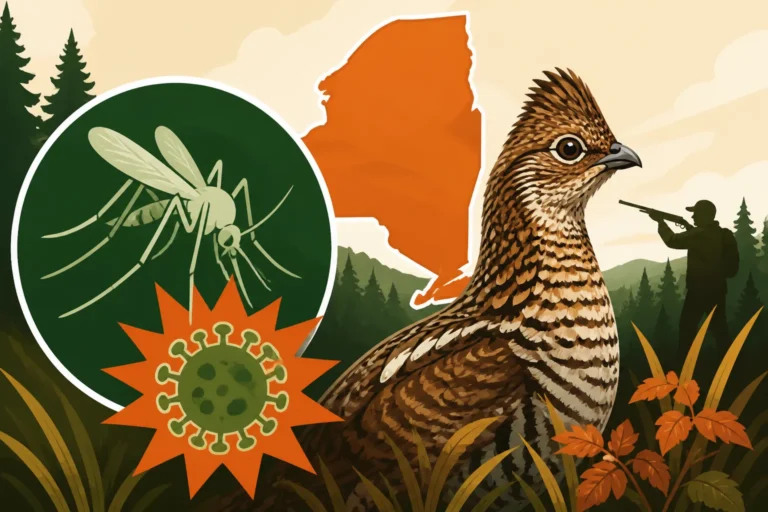
For those who cherish upland bird hunting, the ruffed grouse and woodcock are truly treasures, both in the coverts and on the plate. These birds offer a delicate, subtle flavor that many consider the finest of all wild game. Grouse, often found in aspen and alder thickets, particularly if you're Grouse Hunting New York Aspen Cover, have a slightly stronger, yet still mild, dark meat. Woodcock, with their worm-heavy diet, possess an even more refined, almost sweet taste. Both birds are small, so you might need a few for a meal, but the effort is always worth it.
The key to preparing these birds is to avoid overcooking them, which can dry out their tender meat. A quick pan-sear, roasting, or grilling is often all that's needed to highlight their natural flavors. Many chefs and hunters consider the ruffed grouse the "king of game birds" for its exquisite taste. Pairing these birds with simple accompaniments like wild rice or roasted root vegetables allows their unique flavors to shine. For a truly special meal, the pursuit of Ruffed Grouse and Woodcock in New York is a worthy endeavor.
Waterfowl
New York, sitting on the Atlantic Flyway, offers incredible waterfowl hunting, and the ducks and geese provide a diverse range of culinary experiences. Generally, puddle ducks (mallards, wood ducks, teal) are considered milder and more palatable than diving ducks (scaup, goldeneyes, buffleheads), which often have a stronger, fishier flavor due to their diet. Geese, particularly younger birds, can be excellent table fare, though their sheer size often means a different approach to cooking.
To maximize the eating quality of waterfowl, proper field care is again paramount. Bleed the bird immediately, and cool it quickly. For diver ducks, many hunters remove the skin and fat entirely, as this is where much of the stronger flavor resides. Marinating, brining, or even smoking can do wonders for waterfowl, especially for species with a more robust taste. New York Waterfowl Hunting by Zone can dictate the types of birds you'll encounter, and thus the flavors you'll bring home. Don't let a "gamey" reputation deter you; with the right preparation, wild duck and goose can be incredibly rich and rewarding. GoHunt's detailed maps can often help identify wetlands and feeding grounds that might hold certain species of ducks, indirectly guiding you towards better-eating birds.
Lesser-Known but Delicious New York Game
While deer, turkey, grouse, and ducks often get the spotlight, New York offers other opportunities to fill your freezer with unique and delicious wild game. Don't overlook these often-underestimated options!
Cottontail Rabbits and Squirrels
When it comes to small game, cottontail rabbits and squirrels are often overlooked as table fare, which is a shame because they are absolutely delicious! Rabbit meat is lean, white, and mild, often compared to chicken, but with a richer, slightly sweeter flavor. They are fantastic stewed, fried, or roasted. Cottontail and Snowshoe Hare Range in New York is widespread, making them accessible. Squirrel meat, particularly from gray squirrels in areas with abundant nut trees, is dark, rich, and flavorful, though it can be a bit tougher than rabbit. It's superb in stews, pot pies, or slow-cooked until it falls off the bone.
These animals are a great way to introduce new hunters to the joys of wild game cooking, as their small size makes field dressing and preparation less intimidating. A simple fried rabbit or squirrel with gravy and biscuits is a classic for a reason – it's comforting and packed with natural flavor. If you find yourself Hunting Squirrels in New York Hardwoods, remember that a successful hunt means more than just a trophy; it's a delicious meal waiting to happen.
Bear Meat
Bear meat might not be the first thing many hunters think of when "best eating" comes to mind, but when handled correctly, it can be a surprisingly delicious and rich addition to your table. The flavor profile can vary significantly depending on the bear's diet leading up to the harvest. A bear gorging on berries and nuts will taste vastly different from one that’s been feasting on carrion. Proper handling, including thorough cooking, is essential due to potential parasites like trichinosis. New York's Black Bear Population provides opportunities for this unique meat.
Bear meat is dark and rich, often compared to a cross between beef and pork. It has a higher fat content than venison, which can be both a blessing and a curse. The fat can carry a strong flavor, so many hunters trim off excess fat before cooking. Slow-cooking methods like roasting, stewing, or grinding for sausage are popular, as these help tenderize the meat and infuse it with other flavors. Always cook bear meat to a well-done temperature to ensure safety. Hunting Bears Over Natural Food Sources is key not only for success but also for better-tasting meat.
Other Edible Small Game and Furbearers
While not as commonly consumed as the others, a few other New York species can offer unique culinary experiences. Some hunters enjoy preparing raccoon, particularly the hindquarters, which can be braised or slow-cooked. The meat is dark and fatty, often requiring extensive trimming and a long cook time. Beaver tail, a traditional survival food, is also consumed by some, though its preparation is certainly an acquired taste and not for the faint of heart.
It’s always important to research and understand proper preparation for any less common game species, paying close attention to diet, potential parasites, and best cooking practices. For any game, ensuring a clean kill and prompt, thorough field care are the ultimate starting points for a delicious meal, regardless of how "exotic" the species might seem.
Tips for Maximizing Your Wild Game Culinary Experience
Harvesting an animal is only half the journey; the other half is transforming it into a truly memorable meal. Even the best-eating game in New York can be ruined by poor handling and cooking. Here are some essential tips to elevate your wild game culinary experience.
Quick and Clean Field Dressing
We've touched on this, but it bears repeating: immediate and meticulous field dressing is non-negotiable for quality game meat. As soon as an animal is down, the clock starts ticking. Get the guts out, remove the primary heat source, and get that carcass cooling down. This isn't just about hygiene; it's about flavor. Blood left in the meat or gut bacteria allowed to proliferate will infuse unpleasant flavors and make the meat tough. Carry good gloves, a sharp knife, and know your process for Field Dressing a Deer in Cold Weather or any other game you pursue.
Even if you're hunting in warmer early archery seasons, having a plan to cool the meat quickly – whether that's quartering and packing it on ice, or utilizing game bags in a shaded, breezy spot – is critical. Don't just drag it out and throw it in the back of the truck for hours; treat that meat with the respect it deserves, and your taste buds will thank you.
Proper Aging and Butchering
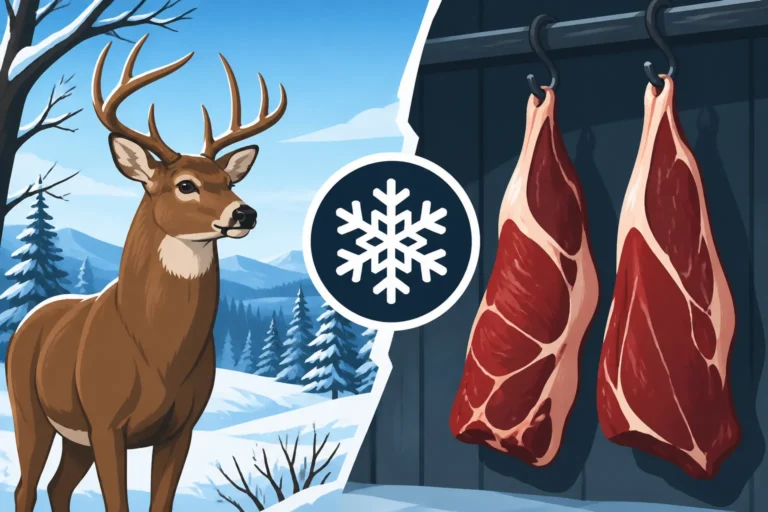
Once your animal is field dressed and cooled, the next steps are crucial. Aging, for many types of game like deer, involves allowing the meat to hang in a cool, controlled environment for several days to a week or more. This process allows natural enzymes to break down muscle fibers, resulting in more tender meat. The ideal temperature for aging is just above freezing, typically between 34-40°F. Without proper aging, even the best venison can feel a bit chewy.
Butchering is where you transform the carcass into usable cuts. Learning to properly butcher an animal, whether it's a deer, turkey, or rabbit, will ensure you get the most out of your harvest. Knowing where to separate cuts, how to remove silverskin and gristle, and how to prepare different sections for various cooking methods will save you money and greatly enhance your eating experience. If you’re not comfortable doing it yourself, many local butchers offer wild game processing services. Taking the time to properly age and butcher your game, perhaps even using insights from Butchering a Deer at Camp, is a commitment that pays dividends in flavor.
Marinades, Brines, and Cooking Methods
Wild game meat, by its nature, is lean and can be prone to drying out if not cooked properly. This is where marinades, brines, and thoughtful cooking methods come into play. Marinades, often acidic (vinegar, wine, citrus) with oils and seasonings, not only add flavor but also tenderize the meat. Brining, particularly for birds like turkey or waterfowl, helps to retain moisture, resulting in juicier final products.
The cooking method itself is paramount. For leaner cuts like venison backstraps or turkey breast, quick, high-heat searing followed by a rest is often ideal to prevent overcooking. For tougher cuts like deer shanks or bear roasts, slow-cooking methods such as braising, stewing, or smoking are perfect for breaking down connective tissues and creating incredibly tender, flavorful meals. Experiment with different recipes and techniques. Don't be afraid to try new things – you might just discover your next favorite dish!
| Game Species | Typical Flavor Profile | Ideal Cooking Methods | Best Season for Eating |
|---|---|---|---|
| White-Tailed Deer | Lean, earthy, beef-like (variable) | Steaks, roasts, stewing, grinding for sausage | Fall/Early Winter |
| Wild Turkey | Lean, rich, wild, earthy (like fowl) | Roasting, grilling (breast), braising (legs) | Spring |
| Ruffed Grouse | Delicate, mild, slightly earthy | Pan-searing, roasting, grilling | Fall |
| Woodcock | Very delicate, subtle, slightly sweet | Pan-searing, roasting | Fall |
| Mallard Duck | Rich, earthy, beef-like | Roasting, searing, smoking, stewing | Fall |
| Canada Goose | Rich, dark, beefy, strong | Roasting, slow-cooking, grinding for sausage | Fall/Early Winter |
| Cottontail Rabbit | Mild, white, sweet, chicken-like | Frying, stewing, roasting, braising | Fall/Winter |
| Gray Squirrel | Dark, rich, nutty, gamey | Stewing, pot pies, slow-cooking | Fall/Winter |
| Black Bear | Rich, dark, pork/beef-like (variable) | Slow-roasting, stewing, grinding for sausage | Fall |
Disclaimer
This article is for general informational purposes only and does not constitute professional advice. Laws, prices and regulations vary by location and change over time. Consult a qualified professional for guidance on your specific situation.