River Otters in New York Waters
There's a fascinating, often unseen world thriving in the waterways of New York State, a world of sleek, playful hunters that many residents might not even realize are living right alongside them. If you've ever wondered about the swift, aquatic creatures leaving tracks along a muddy creek bank or seen a flash of dark fur disappear into a river, chances are you've caught a glimpse of a river otter. This guide will take a deep dive into the lives of New York's river otters, exploring their habitats, their remarkable comeback story, and how they fit into the complex tapestry of our state's wild places.
The Resilient River Otter: New York's Aquatic Ambassadors
River otters (Lontra canadensis) are charismatic members of New York's diverse wildlife, known for their playful demeanor and incredible adaptability. They're often described as the jesters of the river, with their seemingly boundless energy and curious nature. However, their secretive lives mean that many people go years without spotting one, even in areas where their populations are robust. These semi-aquatic mammals are perfectly designed for life in and around water, showcasing a blend of strength, agility, and intelligence that makes them truly remarkable.
Understanding river otters is more than just appreciating a cute face; it's about recognizing the health of our aquatic ecosystems. Their presence is often a strong indicator of clean water and a thriving food web, as they rely on a steady supply of fish, crustaceans, and amphibians. For decades, these animals faced significant challenges due to habitat loss and unregulated trapping, but through dedicated conservation efforts and changing land use, they have made a significant resurgence across much of the state.
A Closer Look: Physical Characteristics and Behavior
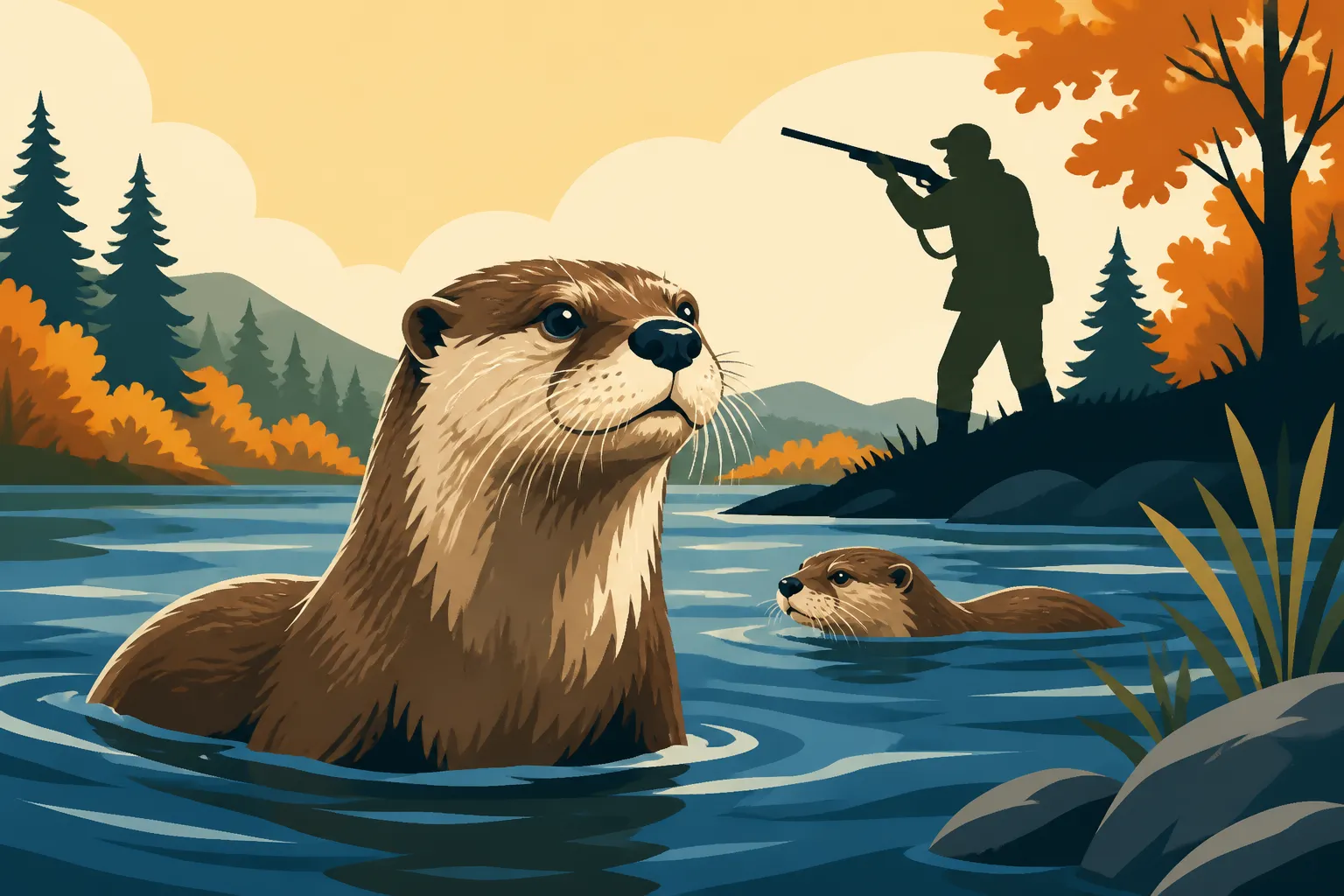
River otters are unmistakable once you get a good look at them. They possess a long, muscular body, typically ranging from 3 to 4.5 feet in length, including their powerful, tapered tail which makes up about a third of their total length. Their fur is dense and dark brown, almost black, with a lighter, silvery-grey underside, providing excellent insulation in cold water. They can weigh anywhere from 10 to 30 pounds, with males generally being larger than females. Their flattened heads, small ears, and nostrils that can close underwater further highlight their aquatic adaptations.
Their behavior is what truly sets them apart. Otters are highly social, especially family groups, and are known for their playful antics. They slide down muddy or snowy banks, chase each other through the water, and engage in wrestling matches. These games aren't just for fun; they're essential for developing hunting skills, strengthening bonds, and maintaining physical fitness. When they aren't playing, they are formidable predators, using their keen sense of smell, sight, and sensitive whiskers to locate prey, even in murky waters. They are primarily nocturnal or crepuscular, meaning they are most active at dawn and dusk, which contributes to their elusive nature. This makes catching a glimpse of them a truly special experience, a reward for patience and knowing where to look.
What They Eat: The Otter's Aquatic Diet
River otters are carnivores, with a diet that primarily consists of what's readily available in their watery homes. Fish are their staple, from slow-moving carp and suckers to more agile trout and perch. They are incredibly efficient hunters, capable of pursuing fish with remarkable speed and agility. However, they aren't picky eaters; their diet will shift based on seasonal availability and local abundance.
Beyond fish, otters readily consume a variety of other aquatic creatures. Crayfish are a favorite, and you might find their discarded shells along riverbanks. Frogs, salamanders, and even small turtles can also end up on the menu. Occasionally, if the opportunity arises, they might prey on muskrats, small birds, or even mice and other rodents that venture too close to the water's edge. This diverse diet is a testament to their opportunistic nature and their ability to thrive in various aquatic environments. Observing their scat, which often contains fish scales and bone fragments, is one of the most common ways to confirm their presence in an area.
Life by the Water: River Otter Habitat in New York
New York State, with its incredible network of rivers, lakes, streams, and wetlands, provides an ideal home for river otters. These animals are true generalists when it comes to habitat, as long as there's a reliable source of clean water and food. From the vast Adirondack wilderness to the winding creeks of the Southern Tier and the coastal marshes of Long Island, otters have found a way to thrive. Their ability to adapt to different aquatic conditions has been key to their successful recovery across the state.
When scouting for potential otter habitat, whether you're a hunter, trapper, or wildlife enthusiast, you'll want to focus on areas that offer both ample food sources and secure denning sites. Think about what a creature that spends most of its life in and around water would need to survive and raise young. Tools like the topographical maps found on platforms like GoHunt can be invaluable for pinpointing these promising locations, showing you the intricate details of water flow, wetland presence, and surrounding cover.
Preferred Waterways and Shorelines
Otters prefer habitats with a continuous supply of unpolluted water. This can include large rivers like the Hudson or the St. Lawrence, smaller tributaries, freshwater lakes, ponds, and even brackish coastal marshes. They especially favor areas with a mix of slow-moving and faster currents, which create diverse feeding opportunities. Look for stretches of water with plenty of submerged vegetation, fallen trees, and rock formations, as these provide excellent cover for fish and other prey.
The shoreline itself is just as important. Otters need stable banks with dense vegetation, root systems, or rocky crevices where they can construct or find their dens, known as "holts." These holts are typically found in abandoned beaver lodges, hollow logs, rock piles, or burrows dug into banks. The presence of beavers, in particular, is a boon for otters, as beavers create and maintain wetlands and ponds that provide abundant food and shelter. Many an otter has taken up residence in an old beaver lodge, enjoying the ready-made home. When you are looking at aerial photos with a mapping app, pay close attention to the confluence of smaller streams entering larger bodies of water, or sections of rivers with oxbows and quiet backwaters – these are often otter hotspots.
Denning and Resting Sites
Beyond their preference for old beaver lodges, otters are quite resourceful when it comes to finding or creating shelter. They might dig their own burrows, often with an underwater entrance for stealth and an above-water chamber for resting. These dens are crucial for protection from predators, harsh weather, and for raising their kits. Females give birth to 1-5 kits in early spring, and these young otters remain in the den for several weeks, completely dependent on their mother.
Resting sites are also important. Otters will often haul out onto logs, rocks, or grassy banks to dry off, groom their fur, and bask in the sun. You might find "slides" where they've repeatedly entered and exited the water, creating smooth, worn paths. These slides are often found on steep, muddy banks leading directly into the water, and they are one of the clearest indicators of otter activity in an area. They also use "latrines" – communal sites where they deposit scat – which serve as a form of communication among individuals. These latrines are often located on prominent features like rocks, logs, or sandy banks, making them a tell-tale sign for anyone scouting for wildlife. Understanding these preferences can really help with Scouting New York Public Land Before Season for signs of not just deer, but other fascinating furbearers.
A Remarkable Comeback: River Otter Population in New York
The story of the river otter in New York is a conservation success story. Historically, otters were found throughout the state, but by the mid-20th century, their populations had declined significantly, primarily due to habitat destruction, water pollution, and unregulated trapping. However, through concerted efforts, their numbers have rebounded dramatically, and they are now considered to have a stable and widespread population across New York.
This recovery didn't happen by accident. Improved water quality due to environmental regulations, increased beaver populations creating more prime otter habitat, and responsible wildlife management practices have all played a crucial role. Trapping seasons for otters are carefully managed, ensuring that harvest levels are sustainable and do not negatively impact the overall population.
Historical Declines and Recovery Efforts
In the early 1900s, river otters were largely extirpated from much of central and western New York, confined mostly to the more remote Adirondack and Catskill regions. Their soft, luxurious fur made them highly sought after by trappers, and without proper management, populations couldn't sustain the pressure. Compounded by rampant industrial pollution degrading waterways and extensive wetland drainage for agriculture and development, the outlook for otters was bleak.
However, starting in the latter half of the 20th century, a shift occurred. Stricter environmental laws like the Clean Water Act led to significant improvements in water quality, allowing aquatic ecosystems to begin healing. Simultaneously, beaver populations, which had also suffered declines, began to recover and expand, creating a wealth of new ponds, lodges, and associated wetlands that were perfect for otters. Reintroduction programs also played a part in some areas, physically relocating otters to re-establish populations where they had been lost. These multi-faceted efforts truly demonstrate the power of thoughtful conservation and management. Trappers interested in these species should always review the New York Trapping Seasons and Tagging regulations for current guidelines.
Current Population Status and Distribution
Today, river otters are once again a common sight throughout much of New York. While their densities might be lower in highly urbanized areas or those with extensive agricultural runoff, they are widely distributed in all major watersheds. The Adirondack Park and the Catskill Forest Preserve remain strongholds, but healthy populations are also found in the Finger Lakes region, the Southern Tier, and even parts of the Hudson Valley and Long Island.
Estimating precise numbers of such an elusive and wide-ranging animal can be challenging, but wildlife biologists monitor populations through various methods, including harvest data from trappers, public sightings, and habitat surveys. The general consensus is that New York's river otter population is healthy and stable, a testament to the state's ongoing commitment to wildlife and habitat protection. This stable population means that while otters are still furbearers, they contribute positively to the overall ecological balance, much like New York Mink and Muskrat Populations.
Otters in the Ecosystem: Role and Interactions
River otters are not just a charming sight; they are also important components of New York's aquatic ecosystems. As apex predators in their watery domains, they help keep prey populations in check, contributing to the overall health and balance of the food web. Their interactions with other wildlife and with humans are diverse, ranging from competition for resources to their value as indicators of environmental health.
For those venturing into the outdoors, understanding these interactions can enrich your experience. Whether you're hunting New York Waterfowl on the Atlantic Flyway in a marsh where otters also live, or just enjoying a quiet stream, recognizing the signs of an otter can tell you a lot about the vitality of that specific area.
Their Place in the Food Web
As efficient carnivores, otters play a vital role in regulating fish and amphibian populations. By preying on a variety of species, they help prevent any single species from becoming overabundant and potentially outcompeting others. This predation can also help remove sick or weak individuals, contributing to healthier overall prey populations. In many ways, their role is similar to that of a wolf pack on land, ensuring balance in their specific niche.
While they are primarily predators, otters can occasionally fall prey to larger animals, especially when they are young. Coyotes, bobcats, and large raptors might take an otter, particularly if they are caught out of the water. However, adult otters are quite formidable defenders, and their agility in water makes them difficult targets. Their presence is generally a good sign that the aquatic ecosystem is thriving and can support a diverse array of life.
Coexisting with Humans and Other Wildlife
Otters generally prefer to avoid human contact, but as their populations expand, encounters are becoming more common, especially in areas where human development encroaches on their habitat. Most interactions are harmless, with people simply enjoying a rare sighting. However, like any wild animal, they should be observed from a respectful distance. For landowners near prime otter habitat, particularly those with stocked fish ponds, otters can sometimes be seen as a nuisance, as they are not shy about taking advantage of an easy meal. This highlights the ongoing challenge of managing wildlife populations in an increasingly human-dominated landscape.
They share their watery homes with many other species. They might compete with mink for certain food items, or with waterfowl for nesting sites if they choose to den in bank burrows. Yet, the overall impact is generally positive. For example, their preference for using beaver lodges and creating their own slides helps maintain open water in winter, benefiting other species like ducks. Learning to spot otter sign, alongside other furbearers, can enhance any outdoor outing, and digital mapping tools from GoHunt can help you visualize these interconnected habitats, from small streams to larger wetlands, improving your Reading Aerial Photos for Southern Tier Deer or simply looking for wildlife.
Conservation and Management: Protecting New York's Otters
New York State has a long history of wildlife conservation, and the river otter is a shining example of how effective management can bring a species back from the brink. While their populations are currently robust, ongoing monitoring and careful management are essential to ensure their continued prosperity. This involves a combination of regulatory frameworks, habitat protection, and public education.
For hunters and trappers, understanding these management strategies is crucial. Trapping, when conducted responsibly, can be a valuable tool for monitoring populations and can contribute to conservation efforts. However, all activities must adhere strictly to state regulations to ensure the long-term health of the species.
Trapping Regulations and Sustainable Harvest
River otters are classified as furbearers in New York, and regulated trapping seasons are permitted in many parts of the state. These seasons are carefully set by the New York State Department of Environmental Conservation (DEC) based on population data, harvest trends, and scientific research. The goal is always to allow for a sustainable harvest that does not jeopardize the long-term health of the otter population.
Trappers are required to have the appropriate licenses and permits, and there are often specific regulations regarding trap types, set locations, and bag limits. These rules are designed to ensure humane practices and to prevent accidental catches of non-target species. Information on specific seasons, zones, and regulations is updated annually and can be found on the DEC's official website. For anyone interested in Trapping New York Furbearers, it’s essential to be thoroughly familiar with these rules before heading afield.
| Characteristic | River Otter | Mink | Muskrat | Beaver |
|---|---|---|---|---|
| Size (Body Length) | 24-36 inches (plus 12-18 inch tail) | 12-18 inches (plus 6-9 inch tail) | 10-14 inches (plus 8-10 inch tail) | 25-35 inches (plus 10-15 inch flat tail) |
| Tail | Thick, tapered, muscular | Bushy, cylindrical | Thin, flattened vertically | Broad, flat, paddle-like |
| Color | Dark brown to black, lighter belly | Dark chocolate brown, white chin spot | Dark brown to black | Brown to reddish-brown |
| Diet | Fish, crayfish, frogs, turtles | Small mammals, birds, fish, frogs | Aquatic vegetation, mussels | Tree bark, aquatic plants |
| Habitat | Rivers, lakes, streams, wetlands, marshes | Streams, ponds, marshes (often near otters) | Marshes, ponds, slow-moving streams | Rivers, streams, ponds (creates habitat) |
| Activity | Mostly nocturnal/crepuscular, highly playful | Nocturnal/crepuscular, secretive | Nocturnal/crepuscular | Nocturnal, industrious |
Habitat Protection and Future Outlook
Beyond regulated trapping, habitat protection remains paramount for the future of river otters. Efforts to maintain and improve water quality, protect wetlands, and conserve riparian corridors (the vegetated areas along water bodies) are critical. These habitats not only benefit otters but also countless other species, from fish to New York Waterfowl Hunting by Zone.
The outlook for river otters in New York is overwhelmingly positive. With continued responsible management, enforcement of environmental protections, and public awareness, these playful aquatic acrobats are poised to thrive for generations to come. Their presence is a vibrant reminder of the rich natural heritage we have in New York, and a symbol of what can be achieved through dedicated conservation. From the deepest Adirondack forests to the most remote corners of the Lake Champlain Marshes, the river otter is a testament to the resilience of New York’s wild places.
Disclaimer
This article is for general informational purposes only and does not constitute professional advice. Laws, prices and regulations vary by location and change over time. Consult a qualified professional for guidance on your specific situation.