New York Mink and Muskrat Populations
For many of us who chase whitetails or call in a spring gobbler, the world of furbearers often remains a bit of a mystery. Yet, New York is home to a rich tapestry of these elusive creatures, with mink and muskrat playing vital roles in our waterways and wetlands. If you've ever wondered about these sleek, semi-aquatic residents, where they thrive, or how their numbers are faring, this guide is for you. We're going to dive deep into understanding these fascinating furbearers, offering insights that can help you appreciate their presence or even plan your next trapping adventure.
Understanding New York's Mink Population
Mink are some of the most captivating predators in New York's aquatic ecosystems. These sleek, dark-furred members of the weasel family are incredibly adaptable, making a living along almost any waterway you can find across the state. They're often spotted darting in and out of streambanks, navigating frozen rivers, or even slipping through the marshy edges of a quiet pond. Their very presence speaks to the health of an area's small mammal and fish populations.
Characteristics and Habitat Preferences
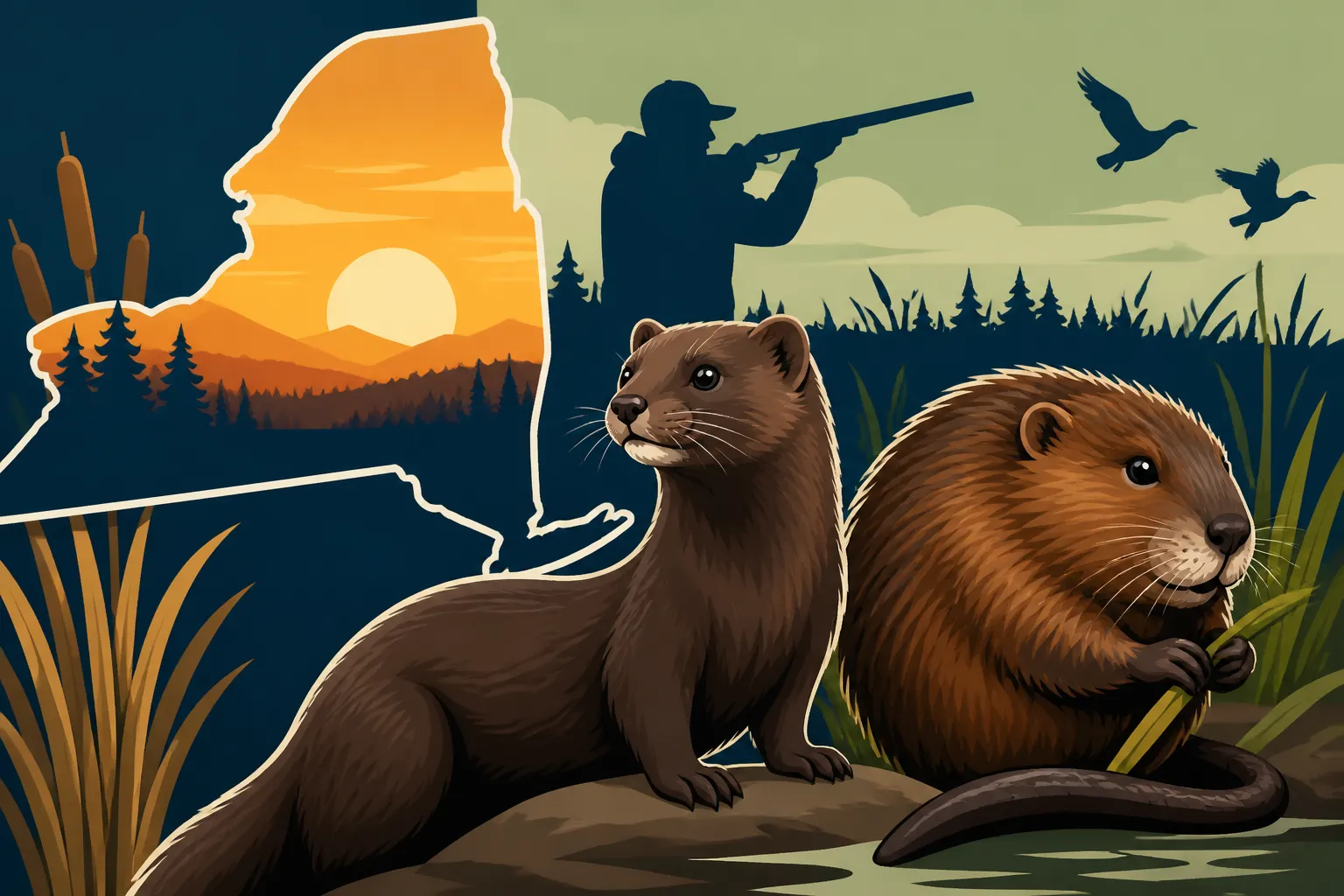
When you think of a mink, imagine a long, slender body, rich dark brown fur, and a distinctive white patch often found on their chin or chest. They're built for speed and stealth, both on land and in the water. These agile hunters can weigh anywhere from one to three pounds, with males generally being larger than females. Their partially webbed feet and water-repellent fur are perfect adaptations for their semi-aquatic lifestyle, allowing them to pursue prey with remarkable efficiency in both elements.
Their preferred habitats in New York are incredibly diverse. You'll find mink along rivers, streams, lakes, ponds, and even coastal marshes. They are highly territorial and will establish dens in abandoned muskrat burrows, hollow logs, rock crevices, or under tree roots close to water. The key ingredient for a thriving mink population is a consistent food supply, which typically includes small mammals like voles, mice, and rabbits, as well as fish, frogs, crayfish, and even birds. A healthy riparian zone with plenty of cover is crucial for them to thrive, providing both hunting grounds and protection from larger predators.
Diet and Predatory Behavior
Mink are opportunistic carnivores, and their diet is a testament to their adaptability. They are relentless hunters, known for their ability to quickly dispatch prey. While they are often associated with aquatic environments, don't underestimate their terrestrial hunting skills. I've seen them track rabbits through fresh snow along a creek bank, and they're notoriously good at raiding poultry coops if they get the chance. Their long, slender bodies allow them to pursue rodents and other small prey right into their burrows.
In the water, they are equally formidable. They'll dive and swim with impressive speed, ambushing fish or crayfish. It's not uncommon to find a mink's tracks leading right to a shallow pool where they've been actively fishing. This diverse diet is what allows them to survive across so many different environments in New York, from the remote reaches of the Adirondacks to the more settled farmlands of the Southern Tier. Understanding their diet helps us understand their role in the ecosystem, keeping populations of their prey in check and contributing to the overall balance.
Exploring New York's Muskrat Populations
Muskrats are perhaps the unsung heroes of New York's wetlands. These small, semi-aquatic rodents are incredibly prolific and play a crucial role in shaping marsh and pond habitats. They are often seen as indicators of a healthy wetland environment, as their presence suggests a robust plant community and stable water levels. While they might seem unassuming, their engineering feats in creating lodges and burrows are quite impressive.
Physical Attributes and Habitat Construction
Muskrats are considerably smaller than beavers, typically weighing between two and four pounds, with a rounder body shape than a mink. They have rich brown fur, a long, vertically flattened tail (which helps them swim), and partially webbed hind feet. They're built for life in and around water, with small ears and eyes that are well-suited for their aquatic existence.
What truly sets muskrats apart is their incredible ability to construct homes. In shallow marshes and ponds, they build distinctive lodges out of vegetation like cattails and sedges, often resembling small haystacks sticking out of the water. These lodges can be quite elaborate, with underwater entrances leading to dry nesting chambers. In areas with deeper water or stable banks, muskrats prefer to dig burrows into the banks, creating tunnels that extend well above the waterline for their dens. These burrows can be extensive, sometimes impacting the structural integrity of dikes or pond edges, a point of contention for some landowners. Finding areas with healthy populations means looking for these signs of their industrious activity, whether it's a lodge in a marsh or a series of tunnels along a riverbank.
Diet and Ecological Role
Unlike the carnivorous mink, muskrats are primarily herbivores. Their diet mainly consists of aquatic vegetation, such as cattails, bulrushes, pond weeds, and various grasses. They'll often clip off vegetation and carry it back to their lodges or eating platforms, sometimes leaving trails through the shallow water. While plants are their staple, they are also known to occasionally consume small amounts of animal matter, like mussels, crayfish, or frogs, especially when plant food is scarce.
Their ecological role is significant. By feeding on and cutting down vegetation, muskrats help maintain open water areas in dense marshes, which benefits other waterfowl and aquatic species. Their lodges and burrows also provide shelter for a variety of other animals, from ducks to turtles. They are a primary food source for many predators, including mink, foxes, coyotes, and birds of prey, placing them squarely in the middle of the food chain in many wetland environments. Understanding the New York Small Game and Furbearers in our state includes appreciating the foundational role muskrats play.
Habitat and Population Trends in New York
New York State boasts a wide array of habitats that support both mink and muskrat, but their populations can fluctuate based on a variety of factors. These two species, while sharing some common ground in their aquatic preference, often occupy slightly different niches, which helps them coexist without direct competition for prime habitat.
Where They Thrive Across the State
Mink are widely distributed across virtually all of New York, from the dense forests of the Adirondacks and Catskills to the agricultural plains of Western New York and the marshlands of the Lake Champlain and St. Lawrence River Valleys. Their adaptability to various water bodies means that as long as there's food and cover, you're likely to find mink. Even in suburban areas with healthy stream systems, mink can establish territories. I've often seen their tracks along the small creeks even in more developed areas, a testament to their stealth and resilience.
Muskrats, on the other hand, tend to be more concentrated in areas with abundant, shallow aquatic vegetation. This means they are particularly numerous in the extensive marshes along the Great Lakes, the Finger Lakes Region, and the major river systems. While you can find them in smaller ponds and streams statewide, their true strongholds are in those rich, fertile wetlands that offer an endless buffet of their preferred plant foods. If you're looking to find a solid population, think cattail marshes, slow-moving rivers with soft banks, and beaver ponds. New York Waterfowl on the Atlantic Flyway often thrive in the same types of rich wetland habitats that are perfect for muskrats.
Factors Influencing Population Health
Both mink and muskrat populations are influenced by a combination of environmental factors and human activities.
Water Quality and Habitat Degradation: One of the most significant impacts on both species is the health and availability of clean water. Pollution from agricultural runoff, industrial discharge, or inadequate wastewater treatment can directly affect the aquatic life that mink prey upon or the vegetation that muskrats consume. Habitat destruction, such as the draining of wetlands for development or changes in water flow from dams, can severely limit the areas where muskrats can build their lodges and burrows, and where mink can find sustenance.
Food Availability: For mink, a healthy population of small rodents, fish, and amphibians is paramount. If these prey bases decline due to disease, severe winters, or habitat loss, mink numbers will naturally follow. For muskrats, the abundance of aquatic vegetation is key. Droughts that lower water levels or invasive species that outcompete native plants can directly impact their food supply and the materials they need for their homes.
Predation and Disease: Both species face predation from larger animals like coyotes, foxes, raptors, and even bobcats. Mink themselves are significant predators of muskrats, a classic predator-prey relationship. While both species are generally robust, diseases can occasionally impact local populations.
Trapping Pressure and Management: New York has regulated trapping seasons for both mink and muskrat, which are managed to ensure sustainable populations. The harvest numbers provide valuable data on population health. When researching potential new areas or trying to understand local trends, tools like GoHunt can sometimes provide historical harvest data overlays or insights into land features that might indicate prime furbearer habitat. The goal of management is to maintain healthy, viable populations that can continue to fulfill their ecological roles. New York Trapping Seasons and Tagging are carefully structured to reflect these management goals.
Trapping and Conservation Efforts
For generations, trapping these furbearers has been a part of New York's heritage, providing a source of income and recreation for many. Today, conservation efforts ensure that these traditions can continue responsibly, focusing on sustainable practices and habitat preservation.
Trapping Regulations and Techniques
Trapping mink and muskrat in New York requires a valid New York trapping license and adherence to specific regulations, including season dates, trap types, and tagging requirements. Trapping seasons are typically set to coincide with the prime fur quality, usually in the late fall and winter months. The New York Small Game and Furbearer Seasons details these windows, ensuring trappers operate ethically and legally.
For mink, trappers often use body-grip traps or foothold traps set along waterways, near dens, or at pinch points where mink are funneled. Submergence sets are common to ensure a quick and humane harvest. Muskrat trapping often involves similar traps, set at their den entrances, along travel lanes in shallow water, or on their feeding platforms. Skillful trappers understand the habits of these animals, using natural attractants and careful trap placement to be effective. It’s not just about setting a trap, it’s about reading the landscape, understanding animal behavior, and being mindful of the environment.
Trappers often scout potential areas before the season begins, looking for fresh sign like tracks, scat, cuttings, or den activity. Modern mapping tools and apps, even those like GoHunt, can be incredibly useful for identifying potential trapping routes, assessing terrain, and marking key spots where furbearer sign is concentrated. This kind of diligent scouting is critical for success and ethical trapping.
Conservation and Management in New York
Conservation efforts for mink and muskrats in New York are primarily focused on habitat protection and responsible population management. Because both species are so closely tied to water quality and wetland health, protecting and restoring these habitats benefits them directly. This includes efforts to reduce water pollution, preserve natural riparian zones, and prevent wetland destruction.
The New York State Department of Environmental Conservation (DEC) monitors populations through various surveys and harvest data submitted by trappers. This information helps inform season lengths, bag limits, and other regulations to ensure that trapping remains sustainable and does not negatively impact overall population numbers. Educating trappers on best practices, humane trapping techniques, and reporting requirements is also a key component of conservation. By understanding and respecting the intricate balance of these ecosystems, we can ensure that New York's mink and muskrat populations continue to thrive for future generations.
Disclaimer
This article is for general informational purposes only and does not constitute professional advice. Laws, prices and regulations vary by location and change over time. Consult a qualified professional for guidance on your specific situation.