New York Trapping Seasons and Tagging
The world of trapping in New York State can feel like navigating a dense, tangled thicket of regulations, species-specific seasons, and strict tagging requirements. It's not as simple as just setting a few traps; there’s a real art and science to doing it legally and effectively. This comprehensive guide is here to untangle that thicket for you, providing clear, up-to-date information on New York's trapping seasons and crucial tagging rules, so you can pursue furbearers with confidence and compliance.
Understanding New York's Trapping Landscape
Before you even think about setting a single trap, it’s vital to understand the foundational rules and the commitment trapping demands in New York. This isn't just a casual hobby; it's a regulated activity aimed at managing furbearer populations responsibly, and it requires dedication to learning the ropes.
The Importance of Trapper Education
Let's be honest, trying to figure out all the nuances of trapping on your own can be overwhelming. That's why New York, like many states, mandates a Trapper Education course for anyone seeking a trapping license for the first time. This isn't just a hoop to jump through; it's a critical component that ensures new trappers understand ethics, safety, furbearer identification, proper trap types and sets, and, of course, the intricate web of state regulations. You'll learn about animal handling, pelt preparation, and the importance of quick, humane dispatch, which are all cornerstones of responsible trapping.
Many experienced trappers will tell you that the education course is just the beginning. The real learning happens in the field, often mentored by someone with decades of experience. If you’re a new hunter, you’ll also want to look into the New York Hunter Education Requirements because safe firearm handling and outdoor ethics overlap considerably. Don't underestimate the value of hands-on experience and continuous learning, because furbearers are notoriously intelligent and challenging to pursue.
Licensing and General Regulations
To legally trap in New York, you must possess a valid trapping license. This is separate from a general hunting license, although many trappers hold both. You can find detailed information on obtaining your license, including fees and requirements, by exploring options like New York Resident Hunting License Options or New York Nonresident Hunting License Options which will also detail trapping license specifics. The license year runs from September 1st to August 31st, so always ensure yours is current before heading out.
Beyond the license, there are overarching regulations that apply to almost all trapping activities. These include rules about checking your traps (generally once every 24 hours), avoiding sets that could injure domestic animals, and specific distances from public roads or occupied dwellings where certain trap types are prohibited. It’s also important to remember that New York State prohibits the use of "conibear-type" traps (body-gripping traps) larger than 6×6 inches on land, which is a significant consideration for many furbearer species. Water sets, however, often have different rules. Understanding these general tenets before diving into species-specific rules will save you a lot of headaches and potential legal trouble. For tracking regulations and finding information on the go, tools like the Using the New York HuntFishNY App can be invaluable.
Navigating Specific Trapping Seasons by Species
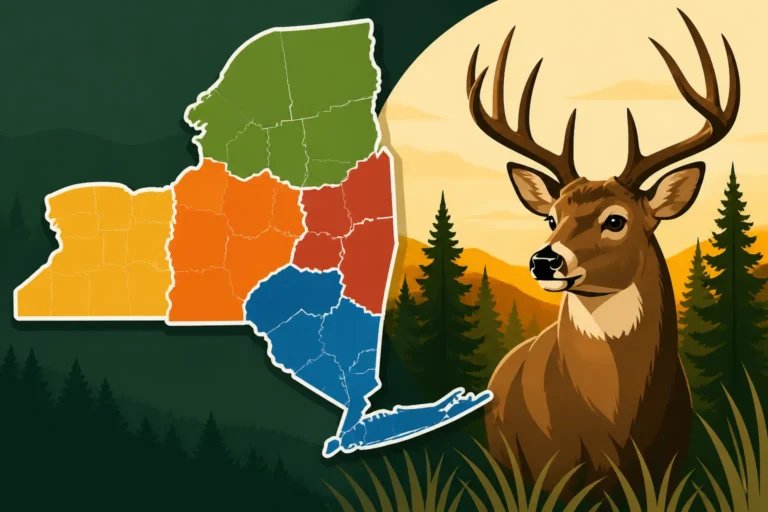
The biggest challenge for many aspiring and even seasoned trappers in New York is the sheer variability of seasons. Unlike deer or turkey, where zones are relatively consistent, furbearer seasons can differ dramatically not just by species, but also by Wildlife Management Unit (WMU) or geographic zone (Northern, Southern, Long Island). This requires diligent research for your specific target species and location.
Common Furbearers and Their Seasons
Let’s talk about the furbearers you’re most likely to encounter and the general breakdown of their seasons. Keep in mind that these dates can shift slightly year to year, so always consult the most current New York State DEC Hunting and Trapping Guide.
- Coyote and Fox (Red and Gray): These are often grouped together as they are widely distributed across the state. Coyote seasons are incredibly generous, often running almost year-round in many areas, aligning with New York Coyote Hunting Season Rules. Trapping seasons for both coyote and fox typically open in late October or early November in the Southern Zone and run through February or March. The Northern Zone usually sees earlier openings, often in mid-October. Given their adaptability, these animals are present in almost every landscape, from farmlands to deep woods.
- Raccoon, Skunk, Opossum, Weasel: These furbearers also have quite extensive seasons, usually opening around late October in the Southern Zone and extending well into March. Northern Zone seasons generally align with fox and coyote. These species are incredibly common, often found in agricultural areas, suburban fringes, and forested environments alike. Their populations are robust, making them good targets for new trappers.
- Mink and Muskrat: These semi-aquatic furbearers are trapped exclusively in water sets. Their seasons tend to be shorter and more tightly regulated than land furbearers, often opening in early November and running into April in the Southern Zone, with similar dates in the Northern Zone. The timing is crucial for optimal fur quality. You can learn more about New York Mink and Muskrat Populations to better understand their habitat preferences.
- Beaver and Otter: These larger, valuable furbearers have distinct seasons that vary significantly by WMU. Many units have specific opening and closing dates for beaver and otter, designed to manage localized populations. Beaver seasons can open as early as late October or early November in some WMUs and extend through April, while otter seasons are often shorter and more restricted. Managing New York Beaver Population and Damage is a significant aspect of trapping these animals.
It's absolutely critical to pinpoint the specific WMU you intend to trap in and check the exact dates. For example, some WMUs on Long Island might have completely different dates or even closures for certain species compared to, say, the Adirondacks. Websites and apps like GoHunt can be incredibly useful for quickly cross-referencing your intended trapping grounds with the official DEC regulations.
Restricted and Protected Furbearers
Not all furbearers are fair game, and some come with very strict rules. This is where understanding your target species becomes paramount, not just for season dates but also for special permits and tagging.
- Bobcat and Fisher: These two species are highly valued and, consequently, heavily regulated. Their trapping seasons are significantly shorter and occur only in specific WMUs where populations can sustain harvest. For instance, bobcat trapping is primarily permitted in the Northern Zone and parts of the Catskills, while fisher are mostly restricted to the Adirondacks and parts of the Catskills and Tug Hill. Both require a special carcass tag (a CITES tag) issued by the DEC before you can harvest one. Without that tag, you cannot possess the animal. This is a crucial distinction, and failing to understand New York Fisher and Bobcat Trapping Rules could lead to serious penalties.
- Protected Species: Species like Marten are entirely protected in New York and have no open season. This means if you accidentally catch one, you must release it unharmed. It's a sobering reminder that trappers need to be constantly vigilant about what their traps might encounter. Always be able to identify animals quickly and accurately. This is part of the ethical responsibility taught in trapper education and reinforced by organizations promoting Trapping New York Furbearers responsibly.
The key takeaway here is: always consult the official DEC regulations for the current year. Never assume last year's dates are the same, and always double-check the specific WMU you plan to trap in. There's no substitute for being thoroughly informed.
Essential Tagging and Reporting Requirements
Congratulations, you’ve successfully harvested a furbearer! But the work isn’t over. New York has clear requirements for tagging and reporting your catch, and adhering to them is non-negotiable. This isn't just bureaucracy; it's how wildlife managers collect vital data to ensure sustainable populations for the future.
General Carcass Tagging
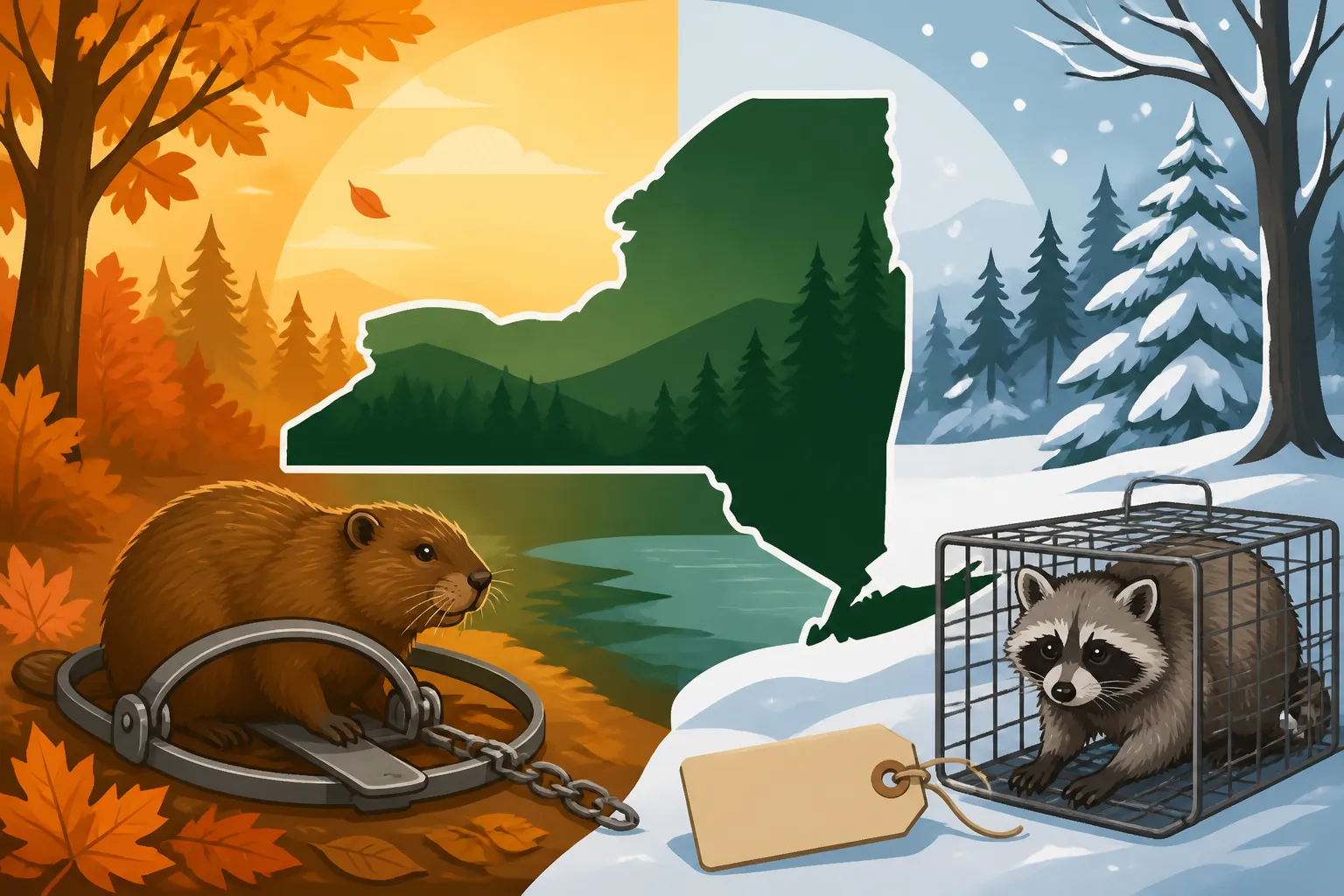
For most furbearers — think coyote, fox, raccoon, skunk, opossum, weasel, mink, and muskrat — the tagging requirement is relatively straightforward. Upon taking a furbearer, you must immediately attach a tag that contains your name, address, trapping license number, and the date and town of harvest. This tag must remain attached to the carcass or pelt until it is processed or transported to a taxidermist or fur buyer.
Imagine you're out Running a Trapline in the Adirondacks and catch a beautiful red fox. As soon as you retrieve it, you'd pull out your pre-filled tag (many trappers prepare these in advance, perhaps even laminating them for durability in wet conditions) and securely attach it. This simple act is your immediate declaration of legal harvest and traceability. For species like beaver and otter, this general tagging is often sufficient, although some specific WMUs might have additional reporting requirements, which brings us to the next point.
Special CITES Tags and Reporting
This is where things get a bit more complex, and failure to comply can have severe consequences. Bobcat and fisher, due to their lower populations and value, require special CITES (Convention on International Trade in Endangered Species of Wild Fauna and Flora) tags. These tags are critical for both state management and international trade monitoring.
Here’s the breakdown:
- Obtain Tags Before Trapping: You cannot harvest a bobcat or fisher without first obtaining a CITES tag from the DEC. These tags are usually available at DEC regional offices. You apply for them, and they are issued with a unique number.
- Immediate Tagging: Once you trap a bobcat or fisher, you must immediately attach one of these specific CITES tags to the animal. The tag must remain affixed until the pelt is processed.
- Reporting and Sealing: This is the crucial step. Within a specified timeframe (typically 5 days, but always check the current regulations), you must report your harvest to the DEC and present the animal (or its pelt, depending on specific instructions) to a DEC official for "sealing." During this process, the DEC verifies the species and ensures the tag is properly affixed. They then apply an official seal to the pelt, which is required before the fur can be sold, transferred, or even transported out of state. This system provides critical data on harvest numbers and helps prevent illegal trafficking.
Otter in certain WMUs may also require a similar sealing process, even if they don't use CITES tags. The bottom line: if you're targeting bobcat, fisher, or otter, you must know the specific, often unit-dependent, reporting and sealing requirements. Think of it like punching your deer tag; it’s an immediate, mandatory step after the animal is down. Ignoring these rules can lead to significant New York Wildlife Violation Penalties, including fines and loss of trapping privileges.
Equipment and Ethical Considerations for Trappers
Trapping is more than just knowing seasons; it's about employing the right tools and upholding a strong ethical code. Responsible trapping minimizes animal suffering, respects public perception, and ensures the long-term health of furbearer populations.
Choosing the Right Traps and Sets
The type of trap you choose, and how you set it, is paramount. New York has strict regulations on trap size, jaw spread, and even the type of chains and swivels you can use, especially for land sets.
- Leg-Hold Traps (Footholds): These are the most common traps for land furbearers like fox and coyote. New York limits the jaw spread of leg-hold traps on land to 5.75 inches for smooth-jawed traps and 4.75 inches for serrated-jawed traps (though serrated jaws are largely phased out for ethical reasons). You must also use a specific number of swivels and chain length to prevent animal injury and escape. Many trappers prefer offset jaws or padded jaws, which are designed to minimize injury. A good resource for understanding proper equipment and sets is the information on Trapping New York Furbearers.
- Body-Gripping Traps (Conibears): While highly effective for certain species, New York has significant restrictions. As mentioned earlier, body-gripping traps larger than 6×6 inches are generally prohibited on land. They are commonly used for water sets (for beaver, muskrat, mink, otter) where the animal quickly drowns, ensuring a humane kill. Specific size limits apply to water sets too.
- Snare/Cable Restraints: Cable restraints (often referred to as snares, though there are technical differences) are legal in New York but come with very specific design, diameter, length, and breaking strength requirements. They are often used for coyote and fox in specific situations but must include a stop that prevents them from fully closing and a break-away device.
- Water Sets: Trapping in water (for beaver, muskrat, mink, otter) allows for larger body-gripping traps and often different regulations. These sets are designed for quick dispatch, and proper placement is key to efficiency and humane practice.
No matter the trap type, proper trap maintenance, including rust prevention and waxing, is essential for functionality and animal safety. You’ll also learn about different sets, like dirt hole sets for canids or dive poles for muskrats, all designed to target specific animals while minimizing non-target catches.
Humane Practices and Ethical Responsibility
Trapping carries a significant ethical responsibility. You are dealing with live animals, and ensuring their welfare – from capture to dispatch – is crucial.
- Humane Dispatch: The goal of any trapper is to ensure quick, humane dispatch of captured animals. This is a core tenet of trapper education and ethical practice. Techniques are taught to minimize stress and suffering.
- Trap Checks: New York law requires all traps to be checked at least once every 24 hours. This is vital to prevent prolonged suffering, reduce the risk of non-target captures, and ensure fur quality. Regular trap checks mean you must be committed to your trapline, regardless of weather or other commitments. Imagine checking a trapline in deep snow up north; it's physically demanding but essential.
- Avoiding Non-Target Catches: Responsible trappers go to great lengths to avoid catching non-target animals, especially protected species or domestic pets. This involves careful trap placement, using appropriate baits and lures, and understanding animal behavior. If a non-target animal is caught, it must be released unharmed immediately.
- Respect for Landowners and Public: Trappers often operate on private land (with permission) or public lands. Always adhere to Scouting New York Public Land Before Season guidelines, respect property lines, leave no trace, and be a good ambassador for trapping. Public perception of trapping is heavily influenced by the actions of individual trappers. Tools like GoHunt can help you identify public land boundaries and avoid accidental trespass.
These ethical considerations are not just "nice-to-haves"; they are integral to being a responsible and respected trapper in New York.
Important Resources and Best Practices
Staying informed and connected is paramount for any trapper in New York. Regulations change, populations fluctuate, and learning from others can significantly improve your success and adherence to best practices.
Leveraging Official DEC Resources
Your primary resource should always be the New York State Department of Environmental Conservation (DEC). They publish the official Hunting and Trapping Regulations Guide annually, which is the definitive word on seasons, bag limits, and specific rules.
- DEC Website: The DEC website is a treasure trove of information. You can download the current regulations guide, find regional office contact information, look up specific WMU maps, and even apply for certain permits. It's the first place to check for any uncertainties.
- Regional DEC Offices: Don't hesitate to call or visit your local DEC regional office. The wildlife biologists and law enforcement officers there are excellent resources for clarifying regulations, discussing local furbearer populations, and getting advice on trapping in your area. They are often the best source for localized nuances that might not be explicitly detailed in the statewide guide.
- HuntFishNY App: As mentioned earlier, the Using the New York HuntFishNY App is a fantastic digital tool for accessing regulations, maps, and even reporting harvests on the go. Having this in your pocket can be a lifesaver when you're deep in the woods or far from cell service.
Remember, ignorance of the law is not an excuse. It's your responsibility to know and follow all current regulations.
Connecting with the Trapping Community
Trapping, while often solitary in practice, thrives on community. Connecting with other trappers can be an invaluable asset for learning, sharing experiences, and staying current.
- New York State Trappers Association (NYSTA): This organization is a fantastic resource. They advocate for trappers, offer educational programs, host conventions, and provide a forum for members to connect. Joining a local chapter can provide hands-on mentorship, access to group buys for supplies, and opportunities to participate in conservation efforts. Many experienced trappers got their start through such associations.
- Online Forums and Social Media Groups: There are numerous online communities dedicated to trapping in New York. These can be great for asking questions, sharing tips, and learning about specific techniques. However, always verify information from online sources with official DEC regulations.
- Mentorship: If you're new to trapping, finding a mentor is perhaps the single best thing you can do. An experienced trapper can teach you nuances that no book or course ever could, from reading sign to making effective sets in local conditions. Just like for young hunters, New York Apprentice Hunter Rules highlight the value of mentorship, and this holds true for trapping.
Building a network not only enhances your trapping skills but also ensures you're part of a community that upholds ethical standards and promotes the future of trapping in New York. This communal knowledge and support are especially helpful when dealing with species like beaver, where managing New York Beaver Population and Damage effectively often requires shared strategies.
Trapping Season and Tagging Summary
To help keep track of the key differences, here's a quick reference table for some common furbearers regarding their general season length and specific tagging requirements in New York. Please remember this is a general overview; always consult the current official DEC regulations for precise dates and WMU-specific rules.
| Furbearer Species | General Season Length (Example Zones) | General Tagging Requirements | Special Requirements |
|---|---|---|---|
| Coyote, Red Fox, Gray Fox | Oct/Nov – Feb/Mar (Southern & Northern Zone) | Name, Address, License #, Date, Town on carcass/pelt | None beyond general tagging |
| Raccoon, Skunk, Opossum, Weasel | Oct/Nov – Mar (Statewide) | Name, Address, License #, Date, Town on carcass/pelt | None beyond general tagging |
| Mink, Muskrat | Nov – Apr (Varies by Zone/WMU) | Name, Address, License #, Date, Town on carcass/pelt | Water sets required |
| Beaver | Oct/Nov – Apr (Varies significantly by WMU) | Name, Address, License #, Date, Town on carcass/pelt | Specific WMU regulations for season dates. Possible additional reporting in some areas. |
| River Otter | Nov – Apr (Varies significantly by WMU) | Name, Address, License #, Date, Town on carcass/pelt | Specific WMU regulations for season dates. Mandatory sealing in designated WMUs. |
| Bobcat | Oct/Nov – Feb (Specific Northern/Catskill WMUs) | Name, Address, License #, Date, Town on carcass/pelt | Requires pre-obtained CITES tag, mandatory sealing within 5 days. |
| Fisher | Oct/Nov – Feb (Specific Adirondack/Catskill WMUs) | Name, Address, License #, Date, Town on carcass/pelt | Requires pre-obtained CITES tag, mandatory sealing within 5 days. |
| Marten | No Open Season | N/A (Protected Species) | Must be immediately released if accidentally caught. |
This table highlights the differences you need to be aware of. The stricter requirements for species like bobcat, fisher, and otter underscore the need for meticulous planning and regulation review.
Final Thoughts on Trapping in New York
Trapping in New York is a deeply rewarding activity that connects you with the natural world in a unique way. It’s also a challenging pursuit that demands knowledge, respect, and unwavering adherence to regulations. From understanding the specifics of New York Trapping License Cost to mastering the nuances of Running a Trapline in the Adirondacks, every detail matters. By immersing yourself in education, staying informed about season dates and tagging rules, choosing your equipment wisely, and embracing ethical practices, you’ll not only find success but also contribute positively to the rich heritage of furbearer management in New York State.
Disclaimer
The information provided in this guide is for general informational purposes only and is not intended as legal advice. Hunting and trapping regulations in New York are subject to change. Always consult the most current official New York State Department of Environmental Conservation (DEC) Hunting and Trapping Regulations Guide or contact a DEC regional office for precise and up-to-date information before engaging in any hunting or trapping activities.