Asking a New York Farmer for Permission
Finding quality hunting land in New York can feel like an impossible task sometimes, especially if you're not lucky enough to own a sprawling piece of property yourself. Public land often sees heavy pressure, and securing a consistent, private spot where you can truly manage deer or turkeys can be a game-changer. This guide is all about helping you overcome that hurdle, walking you through the respectful and effective ways to approach New York farmers and landowners to ask for hunting permission, building relationships that can last for years.
The Unique Value of Private Land Access in New York
Let's be real, New York is a state with incredible hunting opportunities, but access can be tricky. While we boast vast tracts of public land, particularly in the Adirondacks and Catskills, a huge amount of prime hunting ground – especially for deer and turkey – lies on private farms and woodlots. These are often the places with better food sources, less hunting pressure, and therefore, potentially more consistent success. But getting a foot in the door often feels intimidating, like you're bothering someone or asking for something they'll automatically say no to.
Why Private Land Offers More Than Just Space
Beyond just having acreage to hunt, private land often provides a more intimate and productive hunting experience. On private farms, especially those with agricultural fields, you're likely to find better food sources like corn, alfalfa, or soybean plots that draw deer in from surrounding cover. This isn't just about food; it's about predictable patterns. Deer might bed in nearby woodlots and move to these fields at dawn and dusk, creating reliable travel corridors that are less disturbed by other hunters. You can also implement management strategies, like passing on younger bucks, without worrying that another hunter will harvest them the next day. This kind of consistent, low-pressure environment can lead to seeing more mature animals and having a more satisfying hunt overall.
What's more, private landowners often have unique insights into the local wildlife. They might know where a big buck has been seen crossing their property for years, where turkeys roost consistently, or where a particular flock of geese likes to feed. This local knowledge is invaluable and can significantly shorten your learning curve on a new property. It’s a partnership where your respectful presence and perhaps a little help can be a benefit to them as well.
Overcoming the Intimidation Factor of Asking
It's natural to feel a bit nervous about knocking on a stranger's door and asking for a favor. Most hunters have been there. We worry about rejection, about being seen as a nuisance, or about not knowing the right thing to say. This apprehension often stops people before they even start, limiting them to public land or relying on existing connections.
However, many landowners, especially farmers, are simply looking for respectful individuals who understand the value of their property and are willing to abide by their rules. They might have specific issues, like deer eating their crops, that a responsible hunter can help mitigate. The key is to approach the interaction not as a one-sided request, but as an opportunity to build a mutually beneficial relationship. Think of it as an interview, where you're presenting yourself as a trustworthy and responsible person who can be a good steward of their land. It takes a bit of courage, but the rewards of gaining private land access are often well worth the initial discomfort.
Preparing for Your Private Land Permission Request
Before you even think about knocking on a farmhouse door, you need to do your homework. Showing up prepared, knowledgeable, and with a clear understanding of their property demonstrates respect and seriousness, immediately setting you apart from someone who just shows up on a whim. This groundwork is crucial for increasing your chances of success.
Researching Potential Properties and Landowners
The first step is identifying where you want to hunt and who owns that land. This isn't about trespassing, but about smart, ethical scouting. I often start by looking at online mapping tools like onX Hunt or even the free mapping features on the New York State Department of Environmental Conservation (DEC) website. These tools allow you to view property lines, identify landowners, and often even find contact information like mailing addresses or phone numbers. You can also overlay aerial photos to see fields, woodlots, and potential travel corridors. Look for properties that have good cover, water sources, and especially agricultural fields that hold deer or turkeys. Reading Aerial Photos for Southern Tier Deer can be a huge help here, as can using the Scouting With the New York HuntFishNY App.
Beyond maps, drive or walk public roads that border areas of interest. You might spot promising signs, like heavy deer trails leading into a cornfield or turkey scratchings along a hedgerow. Pay attention to "Posted" signs, as those indicate a landowner has already taken steps to control access, and your approach will need to be even more careful and respectful. Also, think about the type of farming operation. A dairy farmer might have different concerns and opportunities than someone growing cash crops or managing timber. Knowing a little about their operation can help tailor your request.
Understanding New York Hunting Regulations and Landowner Rights
Before you talk to anyone, you absolutely must be fluent in New York's hunting laws, especially those pertaining to private land. Landowners want to know you're not going to get them into trouble or create a liability. Understand things like New York Trespass and Permission Law, the specific rules regarding firearms discharge setbacks from dwellings, and the importance of having written permission, even if it's not always legally required for unposted land. The general rule of thumb in New York is that if land is not posted, you can hunt it unless the landowner tells you otherwise, but it's always better to ask first. Even on unposted land, you need permission. Do You Need Written Permission in New York? covers this in detail.
Knowing what you can and cannot do on their property under state law, and being able to articulate that, builds trust. You should also be aware of the concept of liability. Many landowners worry about hunters getting hurt on their property. While New York has recreational use statutes that offer some protection to landowners who allow free public access, it's a valid concern for them. Reassuring them that you carry proper insurance (which you absolutely should as a hunter) and that you understand and accept the risks associated with hunting can go a long way. Showing a hunting license and proof of hunter education can also bolster your credibility.
What to Bring and How to Present Yourself
When you make your approach, presentation matters. Think of it like a job interview. You want to look presentable, but also practical for a hunting conversation. Clean, respectful clothing is key – no torn jeans or dirty boots. Leave your full camo rig at home for the first meeting; it can come across as overly aggressive or presumptuous.
Here’s a small checklist of things to have with you:
- Your hunting license and tags: Proves you're a legal, licensed hunter.
- Proof of hunter education: Shows you've been trained in safety and ethics.
- A simple, polite letter of introduction: This can introduce yourself, state your intentions, and provide your contact information. It’s also a good place to mention any specific skills you might offer, like helping with chores.
- A map of their property: Printed from onX Hunt or similar, clearly marking their boundaries. This shows you've done your research and understand their land. You can then discuss specific areas to hunt or avoid.
- A small, thoughtful gesture (optional): This isn't about bribery, but a genuine token of appreciation. A small gift certificate to a local diner, a homemade pie, or a promise to help with a small chore on the farm can show your goodwill.
- A clear, concise request: Know exactly what you're asking for – bowhunting, firearm hunting, specific species, specific times. Be flexible, but be clear.
Being organized and articulate demonstrates respect for their time and property.
Making the "Ask": Your Approach to the Landowner
The moment of truth arrives when you finally approach the landowner. This is where all your preparation pays off. Your demeanor, your words, and your willingness to listen are paramount to building a positive rapport. Remember, you're asking for a privilege, not asserting a right.
The Initial Contact: Timing and Tone
Timing is everything. Never approach a farmer during peak planting or harvest season, or when they're clearly busy with urgent farm work. Imagine someone bothering you at the most stressful point of your workday; it's just not going to go well. Aim for late mornings or early afternoons when chores might be winding down, or perhaps on a Sunday afternoon if they're not at church. Weekends are generally better than weekdays for this kind of conversation.
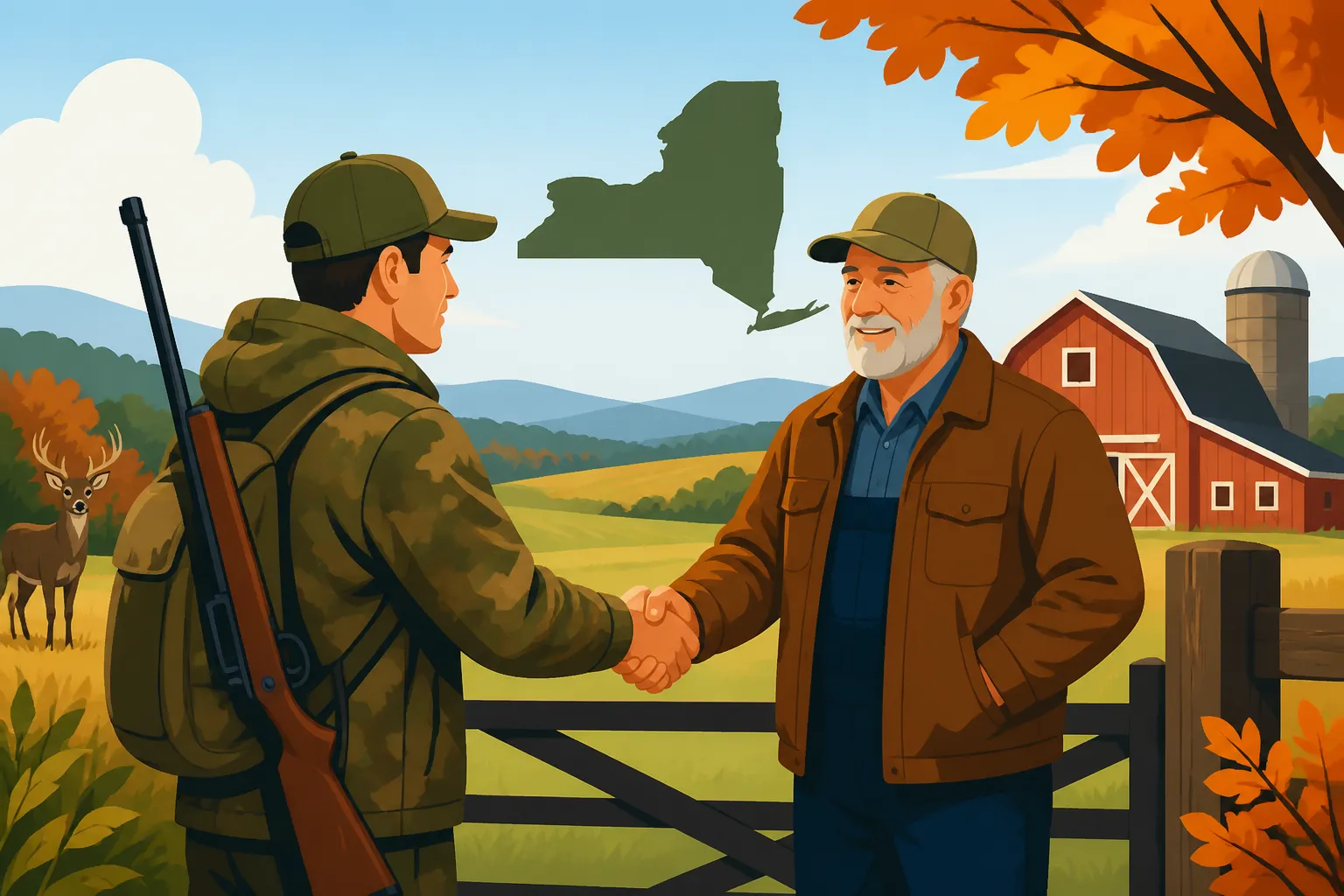
When you see them, make eye contact, smile, and introduce yourself politely. Start with something friendly and non-hunting related, like complimenting their farm or asking about a local landmark. "Good morning, Mr./Ms. [Last Name], my name is [Your Name]. I hope I'm not bothering you, but I was admiring your cornfields from the road and wanted to introduce myself. My family and I live just a few towns over in [Your Town]." This breaks the ice and shows you're a decent, neighborly person, not just someone with a hand out.
| Approach Type | Best Time of Day | General Success Rate | Key Considerations |
|---|---|---|---|
| In-Person Knock | Late Morning/Early Afternoon, Weekends | Moderate to High | Most personal, allows immediate conversation. |
| Written Letter | Anytime | Low to Moderate | Less personal, but allows landowner to respond at their leisure. |
| Phone Call | Evening (check local listings) | Low to Moderate | Can be intrusive, best if referred by someone. |
| Mutual Contact | Anytime | High | Leverage existing relationships, most effective. |
This table illustrates the common ways to connect, with in-person being the most impactful for building a relationship quickly.
What to Say: Crafting Your Request
Once you've made a friendly introduction, gently pivot to your request. Be direct but respectful. "I'm an avid hunter, and I've noticed your property has some wonderful habitat for deer/turkeys. I was wondering if you ever allow respectful hunters like myself to access your land for hunting."
Then, be prepared to share details about yourself without being asked. Offer your name, where you live, and how long you've been hunting. Emphasize your commitment to safety, ethical hunting, and respecting property. "I'm extremely safety-conscious, always follow all DEC regulations, and treat every property as if it were my own. I'm just looking for a quiet, responsible place to enjoy the outdoors." Mention that you're only interested in Hunting Southern Tier Farmland Deer or Hunting a Standing Cornfield in Farm Country, or whatever your specific interest might be.
It's also a good idea to bring up practical benefits for them. "I've heard deer can cause a lot of damage to crops, and I'd be happy to help reduce their numbers if you're experiencing issues." Or, "I'm very careful about gates, fences, and will always close them behind me." If you have specific skills, offer them: "I'm pretty handy with a chainsaw, and I'd be happy to help clear some downed trees if that's something you need." This transforms your request into a potential win-win. Don't forget to ask about specific areas they prefer you avoid, such as near their home, livestock, or sensitive areas.
Addressing Concerns and Setting Expectations
Be prepared for questions and potential objections. A landowner might ask about your experience, your hunting style, what kind of weapon you use, or if you'll bring guests. Answer honestly and calmly. If they express concerns about liability, you can mention your personal liability insurance (if you have it) and emphasize your commitment to safety.
Be ready to agree to any reasonable conditions they set. This might include:
- Only hunting specific species.
- Hunting only certain days or times.
- Staying out of specific fields or pastures.
- Parking in a designated spot.
- Checking in and out each time you hunt.
- No ATVs or specific vehicles.
- No guests without prior approval.
Always ask about any specific areas that are off-limits, like a sensitive woodlot, a specific corner field, or areas where children or livestock are present. Make sure you fully understand and agree to all their terms. It’s better to agree to strict conditions and then build trust over time than to push for more initially and risk losing the opportunity. Ask if they prefer a verbal agreement or written permission. Many landowners appreciate a simple written agreement outlining the terms.
Cultivating a Long-Term Relationship
Getting initial permission is a fantastic first step, but the real art lies in maintaining that relationship. You want to be the kind of hunter a landowner is thrilled to have back year after year, someone they can truly rely on and trust.
Respecting the Land and the Rules
This is non-negotiable. If you're granted permission, you must, without exception, follow every rule the landowner sets, and every state regulation. Leave no trash, track no mud into buildings, and never drive off-road without explicit permission. Close all gates, avoid damaging fences, and be mindful of crops, livestock, and structures. If you see something amiss on their property – a downed fence, a broken gate, suspicious activity – bring it to their attention respectfully. This shows you're not just there to hunt, but you're also looking out for their interests.
Always park where instructed, and avoid blocking access to fields or driveways. If you are harvesting a deer, Field Dressing a Deer in Cold Weather or Dragging a Deer Off a Catskill Ridge should be done with minimal impact to the property. If you accidentally cause any damage, no matter how minor, report it immediately and offer to fix it. Honesty and accountability are paramount. Remember, they've given you a privilege, and treating their land with the utmost respect is how you show your appreciation.
Communication and Follow-Up
Good communication is the bedrock of any strong relationship. Before you hunt, always check in with the landowner. A quick text or phone call saying, "Heading out this morning, just wanted to let you know," is a small gesture that makes a big difference. It allows them to know who is on their property and when, easing any potential concerns.
After your hunt, check out. Even if you didn't harvest anything, let them know you're leaving. If you were successful, offer to show them your harvest and share some of the meat. Many farmers appreciate fresh venison, especially if deer have been causing crop damage. A simple, "Just wanted to let you know I tagged a nice doe this morning. Would you like some backstrap?" can solidify your bond. This gesture shows gratitude and reinforces the idea that you're helping them manage their deer population.
Going the Extra Mile: Beyond the Hunt
Being a good private land hunter isn't just about what you do in the deer woods; it's about being a good neighbor. Offer to help out with small chores around the farm, especially outside of hunting season. This could be anything from helping mend a fence, picking up fallen branches after a storm, or simply bringing them a pie or a batch of cookies as a thank you. Even just stopping by to say hello occasionally, without asking to hunt, reinforces your positive presence.
Consider sending a thank-you card or a small gift at the end of the season. It doesn't have to be expensive – a gift certificate to a local store or restaurant, or something related to their farm operation. Remember, this isn't about buying access, but about expressing genuine gratitude for a privilege they've extended. By consistently showing respect, being reliable, and going that extra mile, you'll become a trusted friend and ensure you have a valuable hunting spot for years to come.
Disclaimer
This article is for general informational purposes only and does not constitute professional advice. Laws, prices and regulations vary by location and change over time. Consult a qualified professional for guidance on your specific situation.