Field Dressing a Deer in Cold Weather
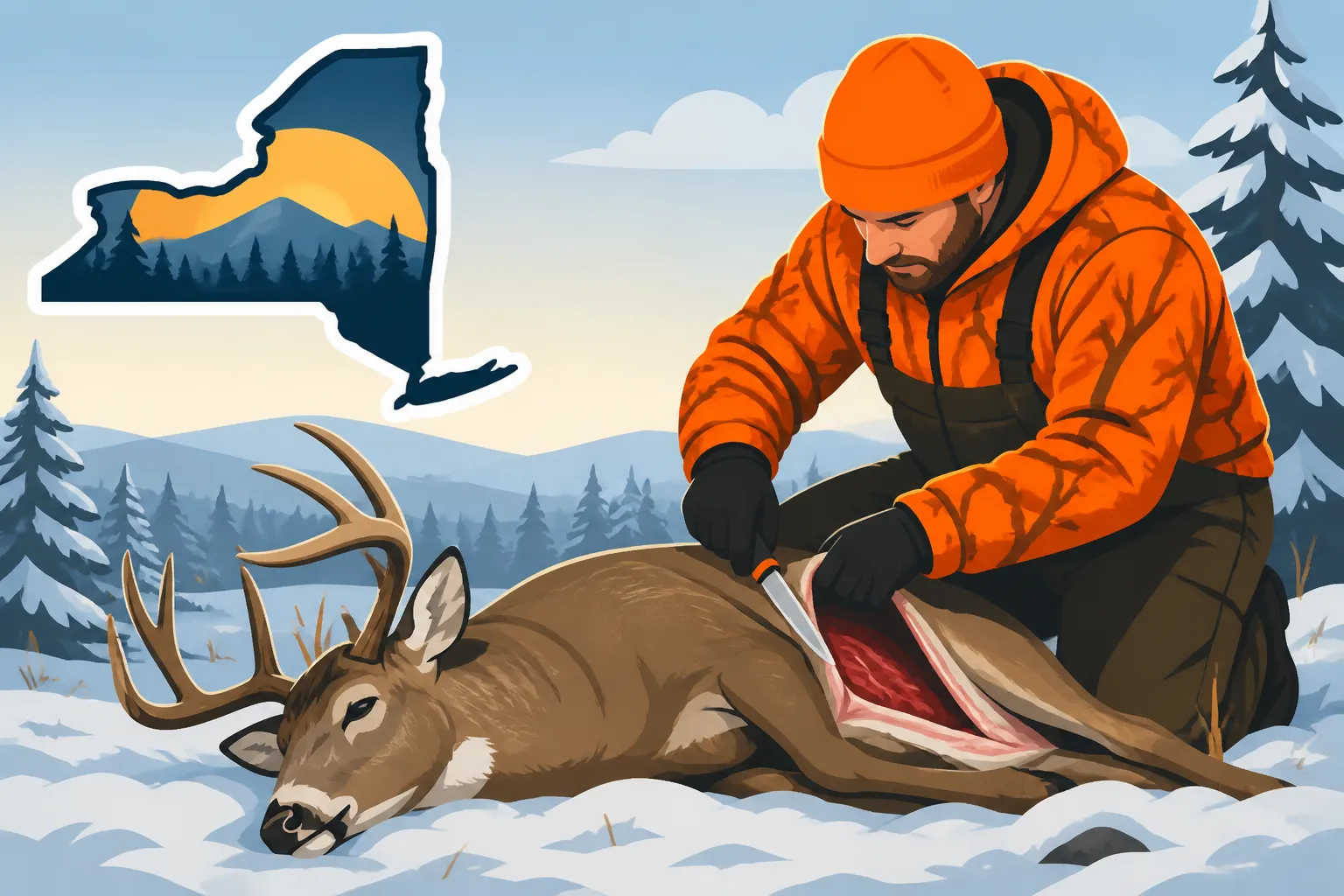
Few things are as brutal as the biting wind and numbing cold when you've just dropped a deer in late-season New York. The thought of getting your hands messy in freezing temperatures can honestly make you question your life choices, but proper field dressing is crucial for preserving the meat. This guide will walk you through making that essential, chilly task as efficient and tolerable as possible, ensuring your hard-earned venison makes it to the table in prime condition.
Essential Gear and Preparation for Cold-Weather Field Dressing
When the mercury drops, your field dressing routine needs to adapt significantly. It’s not just about getting the job done; it’s about doing it safely and efficiently, without succumbing to the elements or making the process more difficult than it needs to be. Preparing beforehand can make all the difference between a quick, clean job and a miserable, drawn-out ordeal.
Specialized Tools for Frozen Conditions
You might think a standard hunting knife is all you need, but cold weather introduces challenges that warrant specific considerations. For one, a bare metal handle can be brutal on ungloved hands, not to mention how quickly blood can freeze to a blade.
- Knives with Ergonomic, Non-Slip Grips: Look for knives with handles made of G-10, rubberized synthetic, or even thick paracord wraps. These materials offer better insulation and a surer grip when your hands are cold, wet, or gloved. A fixed blade is always preferable for durability and ease of cleaning compared to a folder. Consider a gut hook knife as well; while not essential, it can make opening the cavity much cleaner and faster in icy conditions, preventing you from accidentally puncturing the stomach or intestines. Brands like Outdoor Edge or Gerber often offer excellent field dressing kits with multiple blades and tools designed for such tasks. For more insights on this, you might find "Field Dressing Knives Worth Carrying" helpful.
- Bone Saw or Reciprocating Saw: If you plan on splitting the pelvis or breastbone to remove organs more easily or reduce drag weight, a small bone saw is invaluable. In extreme cold, cartilage and bone can become quite brittle and difficult to cut with a knife alone. A compact, manual bone saw gets the job done without excessive exertion. For those who hunt frequently in rough, cold terrain, some hunters even carry a small, battery-powered reciprocating saw for larger animals, though this is a significant investment in bulk and weight.
- Latex or Nitrile Gloves (Multiple Pairs): This is non-negotiable. Not only do gloves provide a sanitary barrier, but in cold weather, they also add a crucial layer of insulation. Your hands will get wet, and that wetness, combined with cold air, can lead to painful, quickly numbing fingers. Carry several pairs, as they can tear, especially if you're working with stiff hide or bone. Wearing a thin pair of wool gloves underneath the nitrile gloves can add an extra layer of warmth and still allow for dexterity.
Layering for Comfort and Warmth
Sitting still for hours in a stand is one thing, but actively field dressing a deer is another. You'll generate body heat, but your hands and extremities will still be exposed. The key is intelligent layering, allowing you to shed or add as needed.
-
Base Layers that Wick Moisture: Start with a good quality merino wool or synthetic base layer. This will keep sweat off your skin, which is paramount in cold weather. If sweat cools, it will rapidly chill you.
-
Insulating Mid-Layers: A fleece jacket or vest is ideal for providing warmth without too much bulk. You might shed this during the most active part of field dressing, but it's vital for warmth before and after.
-
Windproof and Water-Resistant Outer Shell: This is critical. New York winters can bring biting winds and unexpected snow or freezing rain. A good outer layer will block the wind and repel moisture, keeping your core warm. Look for something that’s not overly bulky, allowing for freedom of movement. For more detailed advice on dressing for the elements, check out "Clothing for a New York November."
-
Warm, Dexterous Gloves and Hat: This goes beyond the internal gloves for field dressing. You need a good pair of insulated, water-resistant gloves or mittens for when you're not actively cutting. A warm hat is also a must, as a significant amount of body heat escapes through your head. Consider options with flip-back mitts for easy access to your fingers when fine motor skills are needed.
-
Additional Cold-Weather Considerations:
- Headlamp with Extra Batteries: The sun sets early in late fall and winter, and field dressing often extends into darkness. A powerful headlamp is essential, allowing you to work hands-free. Cold weather drains batteries faster, so always carry spares.
- Hot Packs/Hand Warmers: These can be a lifesaver. Stick them in your pockets, inside your gloves, or even against your core to maintain body heat.
- Emergency Kit: Don't forget a basic first aid kit, especially for cuts that can happen more easily with numb fingers. A small, insulated thermos with hot coffee, tea, or broth can also be incredibly comforting and help warm you from the inside out. When you’re hunting in remote areas, like many of New York's State Forests, being self-sufficient is key, and a good first aid kit is part of that.
The Cold-Weather Field Dressing Process
Now that you’re prepared, let's get down to the actual task. Field dressing a deer in cold weather presents unique challenges, mainly due to the temperature itself, but also offers some distinct advantages. Speed and efficiency are paramount to avoid unnecessary exposure for yourself and to begin the cooling process for the deer.
Positioning and Opening the Cavity
Getting the deer in the right position is the first step, and it can be a challenge on uneven, potentially frozen ground.
- Optimal Positioning: Try to position the deer on its back, ideally slightly downhill if possible, to allow gravity to assist with drainage. If the ground is frozen solid or steeply sloped, this might be tough. Use rocks, logs, or even your pack to prop it up and keep it stable. In deep snow, you can often create a stable trench.
- The Initial Cut: Make a shallow incision from the breastbone to the pelvis, cutting around the genitalia. The key here is to keep the blade shallow to avoid puncturing the gut. In cold weather, blood can coagulate faster, and the hide might be stiffer, making the initial cut a bit more resistant. Take your time, use a sharp knife, and use two fingers to lift the hide away from the viscera as you cut. This is where a gut hook can really shine, making a clean, swift opening without risking organ puncture.
- Circumventing the Anus: Carefully cut around the anus and rectum to free it. This step is often the messiest, but doing it cleanly helps prevent contamination of the meat. In cold weather, tissues can be less pliable, so patience is key. Pulling the rectum out from inside the cavity later, once the pelvis is split (if you choose to do so), can also be effective.
Evacuating Organs and Internal Cleaning
This is where the bulk of the work happens. Speed is beneficial, but so is precision.
-
Severing the Trachea and Esophagus: Reach deep into the chest cavity, past the diaphragm, and cut the windpipe and gullet as high as you can. This allows the heart and lungs to be pulled out more easily. In cold weather, the organs might be a bit stiffer and colder to the touch, but the process is largely the same.
-
Removing the Heart and Lungs: Pull these out first. They are often less messy and can be set aside if you plan to keep them.
-
Removing the Remaining Viscera: Systematically work your way from the chest cavity down to the pelvis, freeing all the internal organs. Cut the membrane holding the diaphragm to the body wall. If you’ve opted to split the pelvis, it provides a much wider opening for easier removal of the bladder and rectum, reducing the chance of spilling contents. In New York, many hunters don't split the pelvis for a simple drag out, but if you're Butchering a Deer at Camp directly, it can be a helpful step. As you work, be mindful of any internal bleeding; in cold weather, blood can quickly congeal, making it thicker and sometimes harder to wipe away cleanly.
-
Internal Cleaning: Once all organs are out, inspect the cavity. Remove any loose tissue, blood clots, or debris. A clean cavity is essential for proper cooling and meat preservation. In cold weather, you don't have to worry as much about flies or rapid bacterial growth, which is a major advantage. However, you still want to be thorough. Use a handful of snow or clean leaves to wipe the cavity if available, or a clean cloth. GoHunt often features articles on efficient field dressing techniques, and even a small detail like wiping down the cavity can make a big difference.
-
Immediate Benefits of Cold: The biggest advantage of field dressing in cold weather is the natural refrigeration. The lower temperatures immediately start to cool the carcass, slowing bacterial growth. This means you have a little more leeway if you can't get the deer to a cooler or processing facility immediately. However, it also means your hands get colder faster.
Post-Dressing Care and Transport in the Cold
Once the deer is field dressed, your job isn't over. How you handle it next, especially in cold conditions, impacts the quality of the meat and the ease of transport.
Proper Cooling and Airflow
Even with cold air, you need to ensure the carcass cools properly from the inside out.
- Prop Open the Cavity: Crucially, prop the deer’s chest cavity open to allow air to circulate. Use a stick, a small piece of wood, or even a couple of empty water bottles if nothing else is available. This prevents pockets of warm air from lingering, especially around the spine, and ensures a more even cooling process.
- Elevate the Carcass: If possible, elevate the deer off the ground. This promotes airflow around the entire animal and keeps it out of any potential snowmelt or standing water. A few logs or rocks can do the trick. If you're hunting in areas like the Tug Hill Plateau, where snow can be deep, elevating the deer can prevent it from freezing to the ground or getting soaked.
- Protection from Scavengers: In New York, coyotes, foxes, and even bears (if they're still active) will quickly find an unattended carcass. If you have to leave the deer for any length of time, cover it with a tarp or drag it to a less accessible spot. Some hunters will even string it up in a tree if they have the means, though this is difficult in the backcountry and requires a block and tackle. Checking the deer periodically, especially if you plan to leave it overnight, is a good practice.
Efficient Transport
Dragging a field-dressed deer can be a real workout, especially when snow or frozen ground adds resistance.
- Sleds and Game Carts: These are your best friends in cold weather. A sturdy deer sled glides over snow and frozen ground with far less effort than dragging directly. A game cart is excellent for open ground or logging roads, though less effective in deep snow or thick brush. When considering a long drag back to the truck, especially from somewhere like a remote Catskill ridge, planning your extraction route beforehand is smart. For tips on easier transport, look into "Dragging a Deer Off a Catskill Ridge."
- Minimizing Contamination During Transport: Keep the cavity clean and protected. If you're dragging, consider placing a plastic bag or tarp inside the cavity to prevent dirt, leaves, or snow from entering. Game bags can also be used to protect the entire carcass if you're concerned about further contamination or leaving it exposed.
- Reporting Your Harvest: Don't forget that after all that hard work, you need to report your harvest. New York requires hunters to report their deer within seven days of harvest. The HuntFishNY app or website makes this simple, even if you’re tired and cold. For specific reporting requirements, consult "New York Deer Reporting Requirements."
Common Mistakes and Troubleshooting in Cold Weather
Even experienced hunters can make mistakes, especially when fatigue and cold start to set in. Knowing what to avoid and how to fix common problems can save you a lot of grief.
Rushing and Contamination
The desire to get out of the cold is strong, but rushing can lead to bigger problems.
- Puncturing Organs: Rushing leads to slips, and puncturing the stomach or intestines can spoil a significant amount of meat. Take your time with each cut, maintaining control of your knife. If you do accidentally puncture something, immediately try to clean out any spilled contents with snow or clean material. Don't spread the contamination by continuing to cut through it.
- Dirtying the Meat: Snow, dirt, leaves, or even animal hair can adhere to the wet surfaces of the meat in the cavity. While a little bit is inevitable, excessive contamination can introduce bacteria. Use a clean cloth or snow to wipe down the cavity as you work, and try to keep the deer as clean as possible during transport. This is particularly important if you're not planning to process the deer immediately.
- Not Fully Evacuating: Leaving behind parts of the entrails, especially in the pelvic area, can lead to accelerated spoilage. In the cold, it might seem less urgent, but it's still crucial for proper air circulation and minimizing bacterial growth. Double-check the cavity to ensure everything is removed.
Dealing with the Elements
The cold itself is the primary challenge, and not preparing for it can lead to more than just discomfort.
-
Hypothermia and Frostbite: These are real risks. If you start to shiver uncontrollably, lose dexterity in your fingers, or feel disoriented, take a break. Get moving, add layers, or get to a warmer spot if possible. Carrying hand warmers and warm fluids (like those in an insulated thermos) can help combat the cold during the field dressing process. Remember, a successful hunt isn't worth risking your health. Before heading out, especially for Muzzleloader Deer Hunting in New York during the colder seasons, ensure you have sufficient insulation.
-
Frozen Ground and Stiff Carcass: Frozen ground can make it difficult to position the deer or stake it out. A stiff, cold carcass can be harder to manipulate. Use leverage and your body weight to help move the deer. If the hide is frozen solid in spots, it might require extra force with a very sharp knife to make the initial cuts.
-
Visibility in Low Light: As mentioned earlier, carrying extra batteries for your headlamp is critical. A dimming light source in the middle of field dressing in the dark can be incredibly frustrating and dangerous. Using a high-quality headlamp with a broad beam can also help illuminate the entire work area.
-
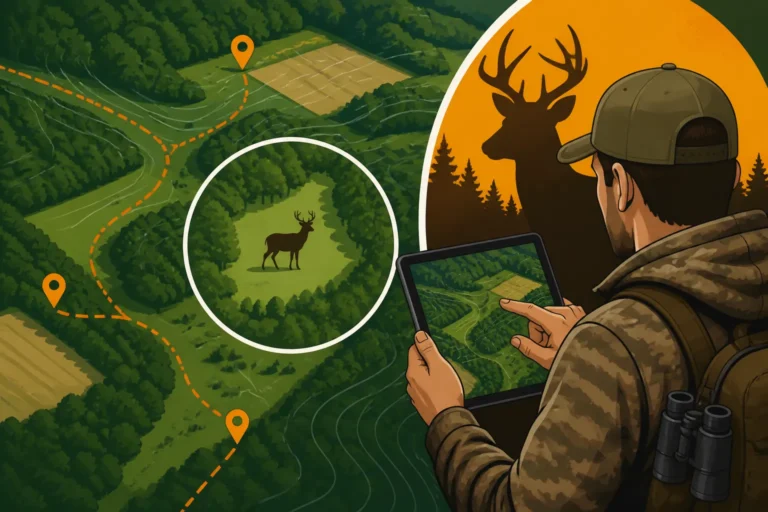
GoHunt's Role in Preparation: Many hunters use GoHunt for its detailed mapping features to scout potential harvest areas and plan extraction routes. In cold weather, knowing the terrain, elevation changes, and proximity to roads can significantly influence where you decide to field dress and how you get your deer out. You can also use mapping tools to mark spots where you’ve previously had to deal with difficult cold-weather field dressing conditions, helping you to refine future hunt plans and avoid similar frustrations. Whether you're anticipating Hunting the Rut in the Northern Zone or managing a Cold-Weather Sitting Strategy in New York for late season, preparation is always the difference-maker.
Conclusion
Field dressing a deer in cold weather is an unavoidable part of late-season hunting in New York. While it presents its own set of challenges, from numb fingers to a stiff carcass, proper preparation and a systematic approach can make the process manageable and even efficient. By carrying the right tools, layering appropriately, and understanding the unique considerations of cold conditions, you'll not only stay safer and more comfortable but also ensure that the venison you worked so hard for is preserved to the highest standard. It's all part of the tradition and effort that goes into being a responsible hunter in our great state.
Disclaimer
Always consult the latest New York State Department of Environmental Conservation (DEC) hunting regulations and guidelines before heading afield. Hunting laws and season dates can change, and it is the hunter's responsibility to stay informed and comply with all applicable rules and regulations.