Cottontail and Snowshoe Hare Range in New York
Eastern cottontails and snowshoe hares inhabit distinct New York ranges, requiring hunters to target specific regional habitats.
Know what you’re after.
Big game, small game, upland birds, and waterfowl — identification, behavior, rut and migration timing, and how each species moves through the season.
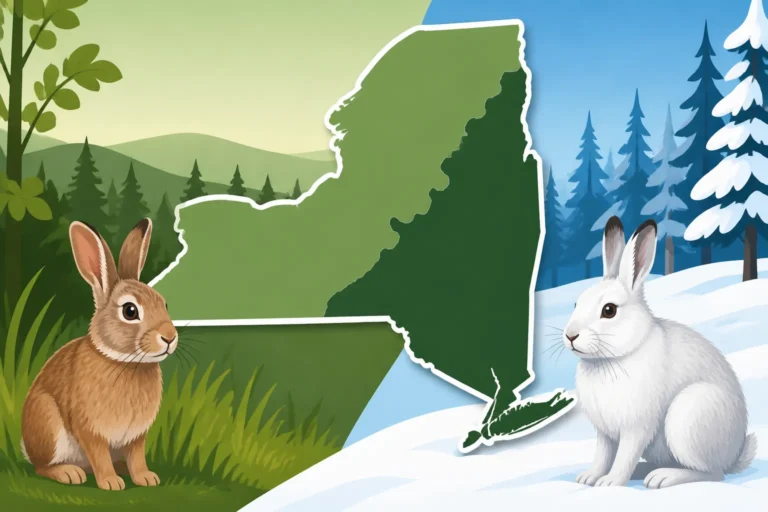
Eastern cottontails and snowshoe hares inhabit distinct New York ranges, requiring hunters to target specific regional habitats.
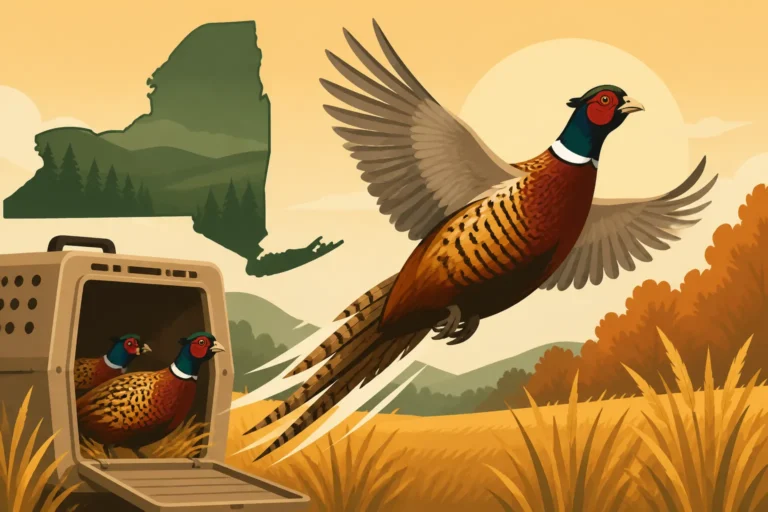
New York State releases thirty thousand pheasants annually from the Reynolds Game Farm to maintain upland hunting opportunities.
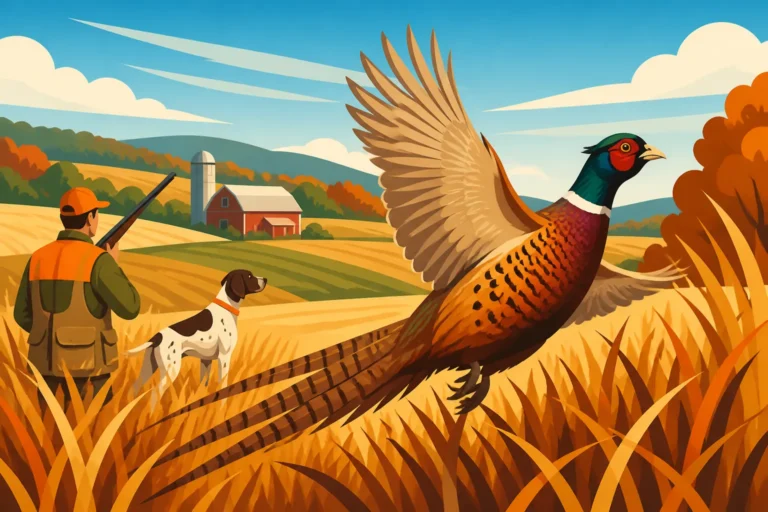
Pheasant hunting history, agricultural changes, and habitat biology help hunters find wild and stocked game birds across New York.
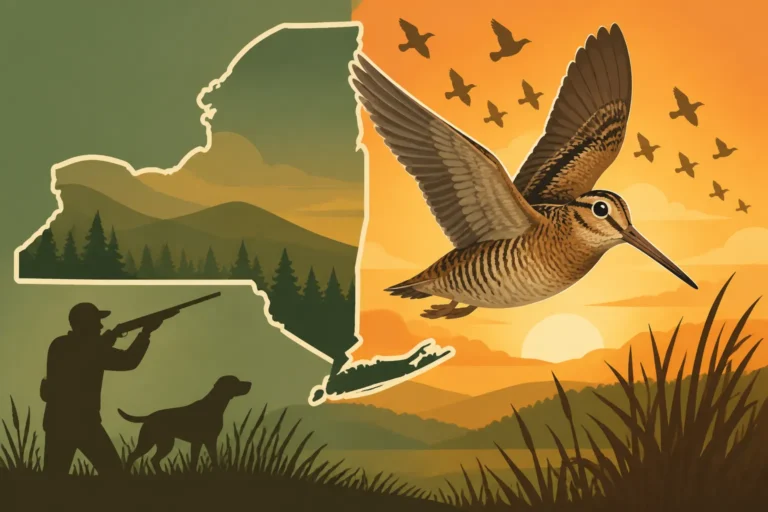
American woodcock migration patterns, New York habitats, and hunting tactics for finding elusive game birds during autumn.
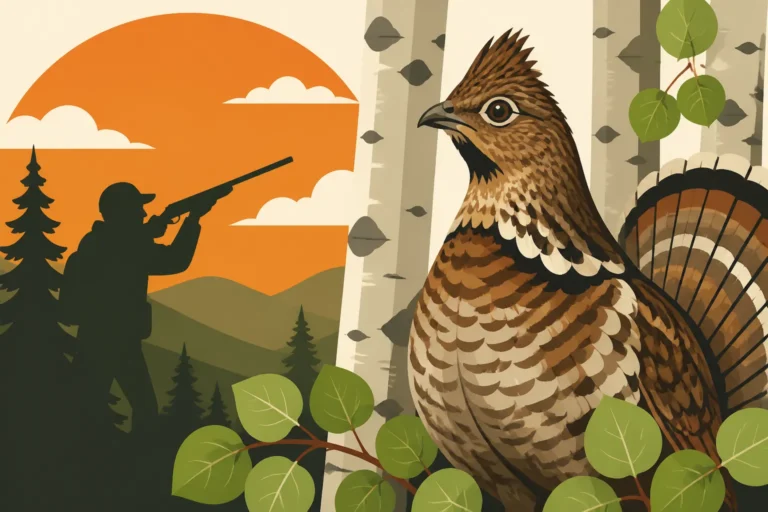
Targeted aspen management restores declining ruffed grouse populations in New York by reviving young, dense forest habitats.
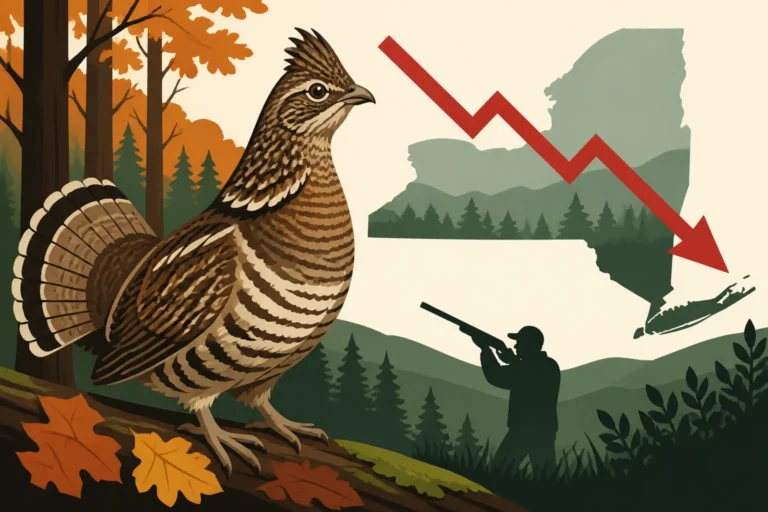
New York ruffed grouse populations are declining sharply due to habitat loss, as confirmed by state drumming surveys and hunters.
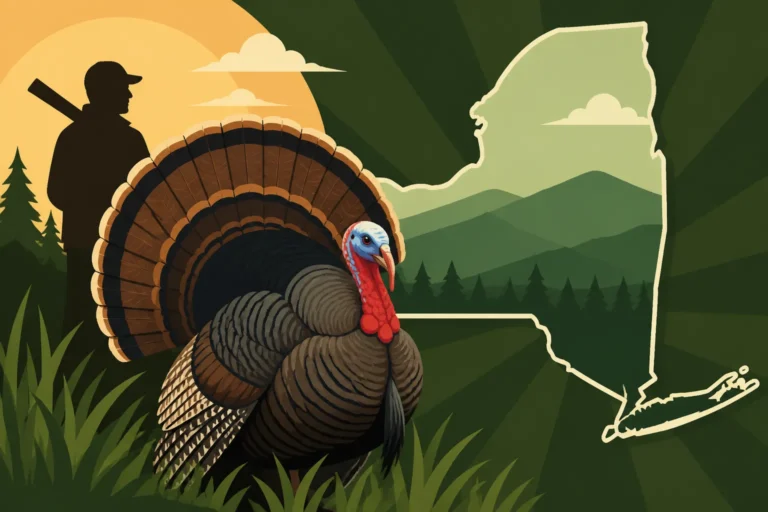
New York wild turkey harvest data helps the DEC manage populations and lets hunters track success rates across the state.
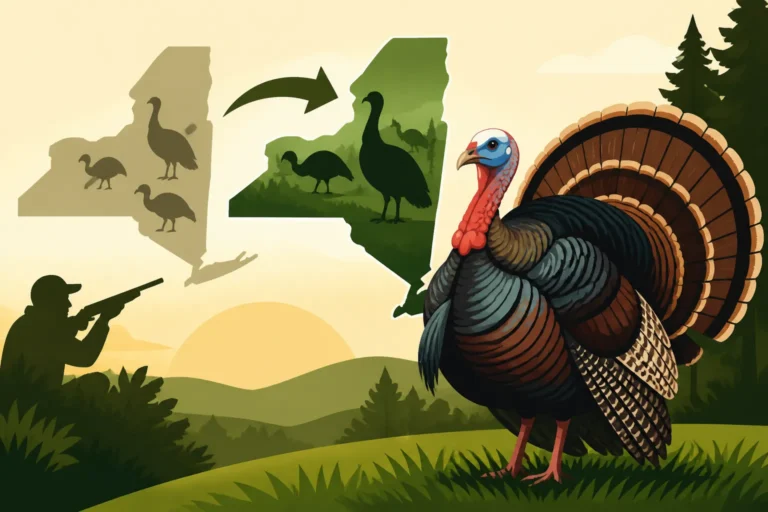
Wild turkey populations in New York vanished due to deforestation and market hunting before conservationists restored them.
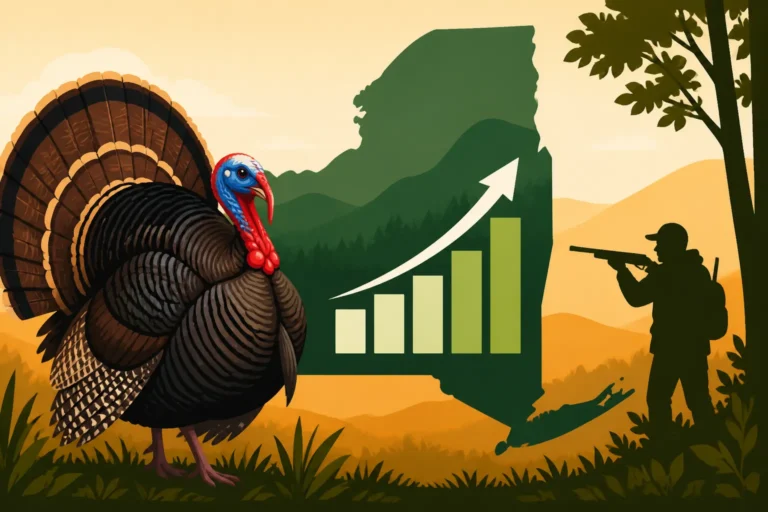
New York wild turkey population trends explain shifting gobbler numbers and conservation efforts since the mid-eighteenth century.
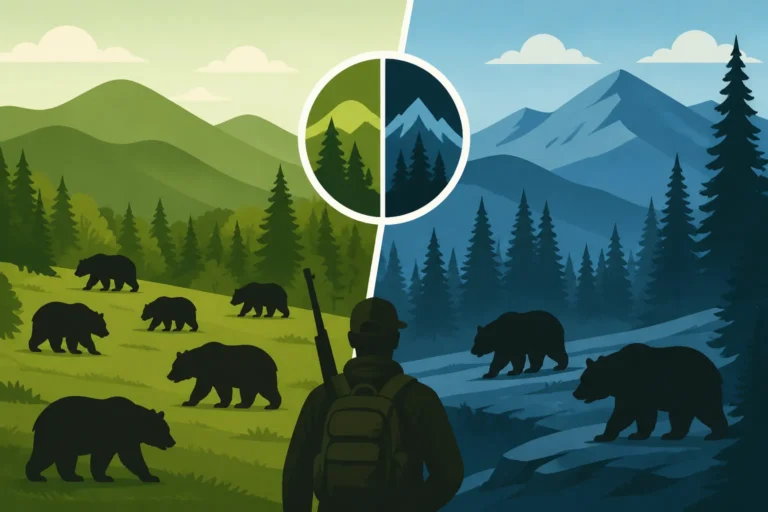
Black bear population density in the Catskills compared to the Adirondacks explains regional differences for New York hunters.