Pheasants and Western New York Farmland
Many of us who grew up hunting in New York, or even just heard stories from our fathers and grandfathers, remember a time when pheasants seemed to be everywhere, particularly across the fertile farmlands of Western New York. It’s a bit different now, and finding these colorful, explosive game birds can be a real challenge if you don't know where to look or what to expect. This guide is here to walk you through the past, present, and future of pheasant hunting in this iconic region, offering practical advice to help you put some birds in the bag.
The Rich History and Decline of Pheasants in Western New York
It’s hard to talk about pheasants in New York without a healthy dose of nostalgia, especially for those of us who cut our teeth hunting them in the state’s western counties. The Ring-necked Pheasant, originally introduced from Asia, found a perfect home in the patchwork of fields, fencerows, and brushy cover that characterized Western New York's agricultural landscape for decades.
The Heyday of Wild Pheasant Populations
Back in the mid-20th century, pheasants truly thrived in New York, particularly in regions like the Genesee Valley, the Finger Lakes, and the Lake Ontario plain. Farmers practiced less intensive agriculture, leaving behind plenty of small grain stubble, brushy creek bottoms, and hedgerows that provided ideal nesting cover, winter refuge, and abundant food. It wasn't uncommon for hunters to flush multiple coveys in a single outing, the air filled with the distinctive cackle and whirring wings of a rooster exploding from cover. These were truly wild birds, tough as nails, and a testament to how well an introduced species could integrate into an ecosystem when conditions were just right. The sheer numbers meant that even without a dog, a diligent hunter could often find success. These were the golden years, shaping the memories and expectations for generations of upland hunters.
Factors Contributing to Their Decline
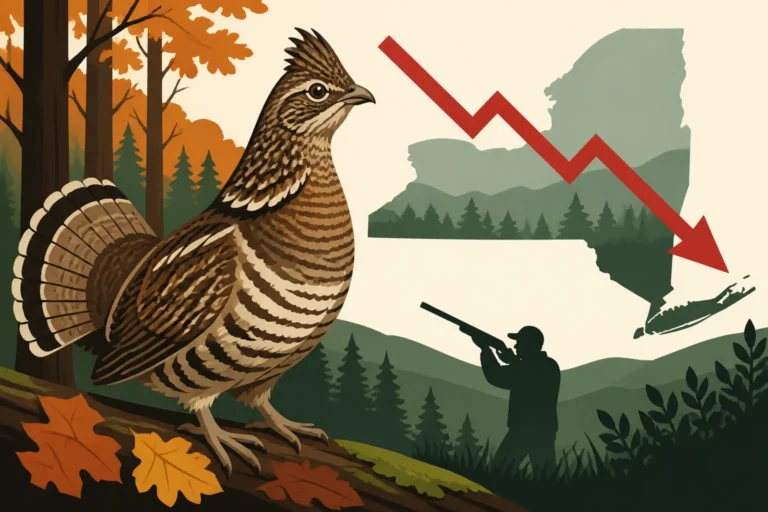
Sadly, those glory days are largely behind us, and the decline of wild pheasant populations is a complex story with several culprits. One of the biggest changes has been the transformation of agricultural practices. Modern farming is incredibly efficient, often leaving little in the way of waste grain or uncultivated edges that pheasants rely on. Fields are tilled right to the road, fencerows are ripped out, and monoculture crops dominate vast expanses. This eliminates crucial nesting cover, brood-rearing habitat, and winter thermal protection. Beyond agriculture, increased predation from a booming coyote and fox population, coupled with habitat fragmentation from development, has also taken a toll. Furthermore, harsh winters can decimate local populations if birds don't have adequate food and cover to survive the cold and deep snow. The cumulative effect of these changes has been a dramatic reduction in self-sustaining wild pheasant numbers across most of their former range in New York. While small, isolated pockets of wild birds might persist, they are the exception, not the rule.
Understanding Pheasant Habitat and Biology on Farmland
To effectively hunt pheasants in Western New York, even stocked birds, it helps to understand their basic biology and what kind of habitat they instinctively seek out. These aren't forest birds; they're creatures of the field and its edges, perfectly adapted to a specific type of landscape.
Ideal Cover and Food Sources
Pheasants are opportunists when it comes to habitat, but they thrive in areas that offer a mix of dense cover for protection, open areas for foraging, and reliable water sources. In Western New York's farmland, this translates to specific features. Think about heavy, brushy fencerows – especially those with thick multiflora rose or dense brambles – that provide excellent escape cover from predators and thermal protection in winter. Swale bottoms, often filled with switchgrass, cattails, or tall weeds, are also prime spots, acting as natural travel corridors and roosting areas. Unmowed field borders, fallow fields, and even standing corn or sorghum food plots planted specifically for wildlife can be magnets for pheasants, providing both shelter and food. They'll feed on waste grains like corn and soybeans, various weed seeds, and insects, especially during the crucial brood-rearing period in summer. A hunter should always be looking for these "edge" habitats where different cover types meet, as pheasants rarely venture far into wide-open spaces without immediate refuge nearby.
Pheasant Behavior and Life Cycle
Pheasants are generally ground-dwelling birds, preferring to run from danger rather than fly. This is a critical piece of information for hunters, as they will often hold tight in dense cover, allowing hunters and dogs to walk right past them before erupting. Their spectacular flush, with that distinct cackle, is often a last resort. Roosters are known for their vibrant plumage and long tail feathers, making them easily identifiable, especially during the breeding season. The breeding cycle begins in spring, with roosters establishing territories and attracting hens. Hens lay clutches of eggs in ground nests, typically in dense grasses, and the chicks hatch after about 23 days. The chicks are precocial, meaning they can move and feed themselves shortly after hatching. Survival rates for young pheasants in the wild are low due to predation and habitat loss, which further contributes to the overall decline of wild populations. Understanding this life cycle helps us appreciate why habitat is so vital and why conservation efforts focus on providing safe nesting and brood-rearing areas.
Effective Hunting Strategies for Western New York Pheasants
Hunting pheasants in Western New York, whether you're after a wily wild bird or a freshly stocked one, requires a blend of strategy, patience, and often, the help of a good dog. The tactics you employ will depend heavily on the type of land you're hunting.
Hunting Publicly Stocked Areas
New York's pheasant stocking program is a vital part of providing hunting opportunities, especially in Western New York. The DEC releases thousands of pheasants annually on designated Wildlife Management Areas (WMAs) and cooperatively managed private lands. These stocked birds, while providing a fun and often fast-paced hunt, behave differently from their wild counterparts. They tend to hold tighter, sometimes allowing a hunter to get quite close before flushing. This can be both a blessing and a curse. On one hand, it offers great shooting opportunities; on the other, it means hunters can walk right past birds without a dog to push them out.
When hunting stocked areas, focus on the heaviest cover available – dense hedgerows, tall grass fields, cattail marshes, and thick brush. These birds have been raised in pens and seek the most secure cover they can find. Expect company on opening days and weekends; these areas can draw a crowd. The key to success often lies in moving slowly, systematically, and thoroughly. Don't be afraid to double back or work small pockets of cover multiple times. A well-behaved flushing dog, like a Labrador or Springer Spaniel, is incredibly effective, as it will charge into dense cover that you might hesitate to enter, pushing birds into the air. Without a dog, a line of hunters walking abreast can be effective, ensuring comprehensive coverage of the area. Remember to wear plenty of blaze orange for safety, especially with other hunters around, and be mindful of your shooting lanes. For details on specific release sites, check the New York Pheasant Season and Stocking page on the DEC website.
Working Private Farmland with Permission
The real gems for pheasant hunting, particularly for the chance at a truly wild bird, often lie on private farmland. Gaining access to private land can be challenging, but the rewards are often worth the effort. These properties tend to have less hunting pressure than public lands, and landowners might maintain habitat that benefits pheasants, even if unintentionally.
When seeking permission, always be respectful, well-spoken, and prepared. Approach landowners well in advance of the season, not on opening day. Introduce yourself, explain your intentions clearly, and offer to share some game or help with a small chore. Emphasize safety and your commitment to respecting their property. Highlight that you're an ethical hunter who will close gates, avoid livestock, and leave no trash. A map, perhaps from a tool like GoHunt, can help you show the landowner exactly where you'd like to hunt and demonstrate your preparedness. Once you have permission, stick to your word. Focus your hunting efforts on field edges, old equipment lines, un-mowed corners, and any brushy draws or stream corridors. These are the places where wild birds, if they exist, will hold out. These areas often receive less intense farming, providing better residual cover. Remember that Getting Private Land Permission in New York is about building relationships, and a good first impression can lead to years of enjoyable hunting.
Gear and Dog Considerations
For pheasant hunting, your gear choices can make a significant difference. A reliable shotgun is paramount. Many hunters prefer a 12 or 20 gauge with an improved cylinder or modified choke to handle fast-flushing birds at varying ranges. Number 4, 5, or 6 shot is generally ideal for pheasants, offering a good balance of pattern density and knockdown power. A good pair of brush pants or chaps is non-negotiable for navigating the thorny, dense cover pheasants love. Sturdy, waterproof boots are also essential, as you’ll be walking through damp fields and potentially marshy areas.
However, the single most valuable piece of "gear" for pheasant hunting is often a well-trained dog. Pointers like German Shorthaired Pointers or English Setters excel at finding and holding wild birds, allowing you to approach for the flush. Retrievers like Labs or Golden Retrievers are fantastic at pushing birds from heavy cover and, crucially, finding downed birds in dense vegetation, preventing lost game. Even if you don't own a dog, hunting with friends who do can dramatically increase your success and enjoyment. Make sure your dog is properly conditioned for the rigorous walking involved, and always carry water for them. For those interested in working with a canine partner, there's a wealth of information available on Running Pointing Dogs on New York Pheasants.
New York's Pheasant Stocking Program and Conservation
While the romantic notion of vast numbers of wild pheasants persists, the reality for most hunters in New York is that the majority of their pheasant encounters will be with birds released through the state's dedicated stocking program. This program is a cornerstone of pheasant hunting in New York, actively managed by the DEC.
How Stocking Works in Western New York
The New York State Department of Environmental Conservation (DEC) operates a robust pheasant stocking program, specifically designed to provide hunting opportunities where wild populations are scarce. Pheasants are raised at the John White Memorial Game Farm in Basom, NY, a significant operation in Western New York. Each year, tens of thousands of pheasants are released on public lands and private lands enrolled in the Cooperative Hunter Access Program. In Western New York, this includes numerous WMAs and private farms where landowners have agreed to allow public hunting access.
These birds are typically released just prior to or during the hunting season, ensuring a fresh supply for hunters. The program usually focuses on areas with suitable cover that can hold birds for at least a short period, offering a good chance for hunters to find them. While these birds are not "wild" in the traditional sense, they offer an exciting and challenging hunt, especially with a dog. They still possess a strong instinct to seek cover, and their explosive flush is just as thrilling as that of a wild bird. Hunters planning to pursue pheasants on these stocked areas should always check the DEC website for the latest stocking schedules and locations. This helps manage expectations and directs hunters to where they're most likely to find birds. Remember, a New York Pheasant Permit Requirement is in place for these hunts, so ensure you have the necessary endorsement.
Habitat Improvement and Future Outlook
Beyond direct stocking, conservation efforts for pheasants, both wild and stocked, revolve heavily around habitat improvement. The DEC and various conservation groups, like Pheasants Forever, work to create and maintain suitable pheasant habitat. This includes planting native grasses and legumes for nesting and brood-rearing, establishing food plots of corn or sorghum, and managing brushy cover along fencerows and stream banks. These efforts not only benefit pheasants but also a wide array of other grassland and shrubland wildlife.
The future outlook for wild pheasants in New York remains challenging, primarily due to the ongoing pressures of modern agriculture and development. However, the stocking program provides a consistent, high-quality hunting experience for thousands of hunters annually. Continued focus on habitat conservation on both public and private lands, coupled with the reliable stocking program, is crucial. Organizations like Pheasants Forever play a vital role by partnering with landowners to implement habitat projects, offering technical advice, and even providing seed mixes. Hunters can contribute by supporting these organizations, advocating for habitat preservation, and respecting the land they hunt on. The collective efforts ensure that the tradition of pheasant hunting, even if modified, continues in Western New York.
Finding Access and Making the Most of Your Hunt
One of the biggest hurdles for any hunter, especially when pursuing small game like pheasants, is finding reliable access to suitable land. Western New York offers a mix of opportunities, but knowing how to navigate them is key.
Navigating Wildlife Management Areas and Public Access
New York State boasts a number of excellent Wildlife Management Areas (WMAs) and other public lands that are specifically managed to provide habitat for pheasants and offer public hunting access. In Western New York, WMAs like John White Memorial (near the game farm itself), Rattlesnake Hill WMA, and Tonawanda WMA are known for their pheasant hunting potential, often being release sites for stocked birds. These areas are typically characterized by a mix of agricultural fields, dense grasslands, brushy cover, and some wetlands – all ideal pheasant habitat.
When planning a hunt on a WMA, it’s crucial to do your homework. First, check the DEC's official website for specific regulations for each WMA, as rules regarding hunting hours, permitted equipment, and even dog use can vary. Utilize mapping tools; the Using the New York HuntFishNY Map Tool app is invaluable for pinpointing boundaries, identifying cover types, and understanding access points. For even more detailed scouting, a platform like GoHunt can provide satellite imagery and topographic maps that help identify subtle changes in cover that pheasants might favor. On busy days, consider walking a little further from parking areas to find less pressured birds. Be patient, work the cover thoroughly, and pay close attention to safety, especially with other hunters potentially in the vicinity.
Tips for Securing Private Land Opportunities
While public lands are a great resource, many of the best pheasant hunting opportunities, particularly for those seeking a more solitary experience or the chance at a truly wild bird, lie on private farmland. As mentioned, gaining permission is a process that requires courtesy and respect. Beyond the initial ask, there are several things you can do to improve your odds and maintain access.
Firstly, start early. Approach landowners in the late summer or early fall, long before the season opens. This gives them time to consider your request and avoids the rush of last-minute hunters. Dress neatly, introduce yourself politely, and have a clear, concise request. Bringing along references, or even offering a small token of appreciation after a successful hunt (like a package of pheasant breasts or a gift certificate to a local store), can go a long way in fostering goodwill. Emphasize your commitment to safety, ethical hunting, and respecting their property – leaving no trash, closing gates, and staying away from houses or livestock. Using tools like GoHunt or local county plat maps to research land ownership can help you identify potential landowners to approach. Look for farms that have diverse crops, un-mowed edges, or brushy areas that might hold pheasants. Remember, a handshake and a promise often carry more weight than anything else on private land, so always uphold your end of the bargain. Building these relationships is not just about gaining access for one season, but potentially for years to come.
| Aspect | Wild Pheasants (Historical/Rare) | Stocked Pheasants (Western NY Program) |
|---|---|---|
| Primary Habitat | Diversified farmland, extensive idle land | Managed WMAs, cooperator farms |
| Behavior | Extremely wary, prone to running | May hold tight, less prone to running far |
| Hunting Pressure | Low, if found on private land | High, especially on opening days/weekends |
| Dog Requirement | Essential for finding and flushing | Highly recommended for finding and retrieving |
| Typical Terrain | Mixed agriculture, fencerows, heavy cover | Designated fields, brush, cattails |
| Season Availability | Rare, unpredictable | Consistent, tied to stocking schedule |
| Permit/License Needed | NY Hunting License | NY Hunting License + Pheasant Permit |
Disclaimer
Always consult the most current New York State Department of Environmental Conservation (DEC) hunting regulations before heading afield. Seasons, bag limits, and rules can change, and it is the hunter's responsibility to be aware of and comply with all applicable laws.