New York’s Pheasant Stocking Program
For many New York hunters, the dream of a classic pheasant hunt — complete with flushing birds and pointing dogs — feels like something out of a magazine, far removed from the realities of dense woods and elusive whitetails. The decline of wild pheasant populations and limited private land access can be incredibly frustrating. This comprehensive guide aims to shed light on New York's Pheasant Stocking Program, showing you how the state is working to create upland bird opportunities and how you can get in on the action, even if you don't own a fancy pointing dog or sprawling farmland.
The Enduring Appeal and Decline of New York's Wild Pheasants
It's no secret that the sight of a rooster pheasant rocketing into the sky, crowing its defiance, is one of the most thrilling experiences an upland hunter can have. For generations, these colorful birds symbolized prime agricultural land and abundant game. However, the reality in New York today is that truly wild, self-sustaining pheasant populations are a rarity, found only in fragmented pockets of ideal habitat. This decline is a source of real disappointment for many who remember a time when pheasants were more common.
Why Wild Pheasant Numbers Dwindled
The primary culprit behind the dramatic reduction in New York's wild pheasant numbers is habitat loss and alteration. These birds thrive in diverse agricultural landscapes, requiring a mosaic of tall grasses for nesting, dense cover for winter survival, and grain fields for food. Modern farming practices, while incredibly efficient, often mean larger fields, fewer hedgerows, and earlier mowing of hayfields, all of which remove critical nesting and brood-rearing cover. When a farmer cuts their hay too early, it can devastate a pheasant nest, leaving hens vulnerable and preventing chicks from hatching.
Beyond farming changes, increased development and suburban sprawl have chipped away at remaining suitable habitats. Predators, like foxes, coyotes, and various raptors, also play a role, especially when habitat is scarce and birds are more concentrated. The combination of these factors has made it incredibly difficult for wild pheasants to establish and maintain strong populations across much of the state.
The Need for Stocking Programs
Given the uphill battle for wild pheasants, the New York State Department of Environmental Conservation (DEC) recognized decades ago that a robust pheasant stocking program was essential to provide hunting opportunities. Without it, many aspiring upland hunters, especially those in areas with no natural pheasant populations, simply wouldn't have a chance to experience this type of hunting. The program ensures that there are still birds in the field, even if they aren't wild-hatched, creating a vital link to a cherished hunting tradition and serving as an important tool for hunter recruitment and retention. It's about maintaining a connection to the sport and providing a tangible target for hunters who might otherwise hang up their shotgun for upland birds.
How New York's Pheasant Stocking Program Operates
The New York Pheasant Stocking Program isn't just about throwing birds out of a truck; it's a carefully managed effort that involves raising tens of thousands of pheasants each year and strategically releasing them to maximize hunter access and success. It's a testament to the state's commitment to providing diverse hunting opportunities, even when natural populations can't support the demand.
Raising and Releasing Pheasants
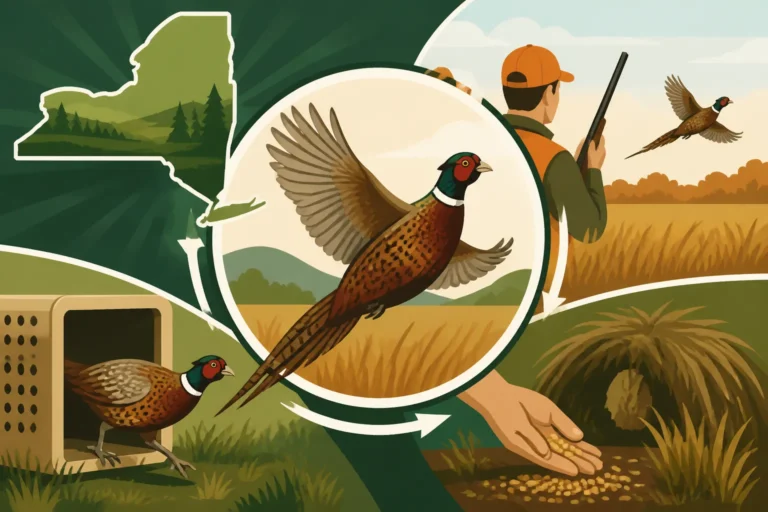
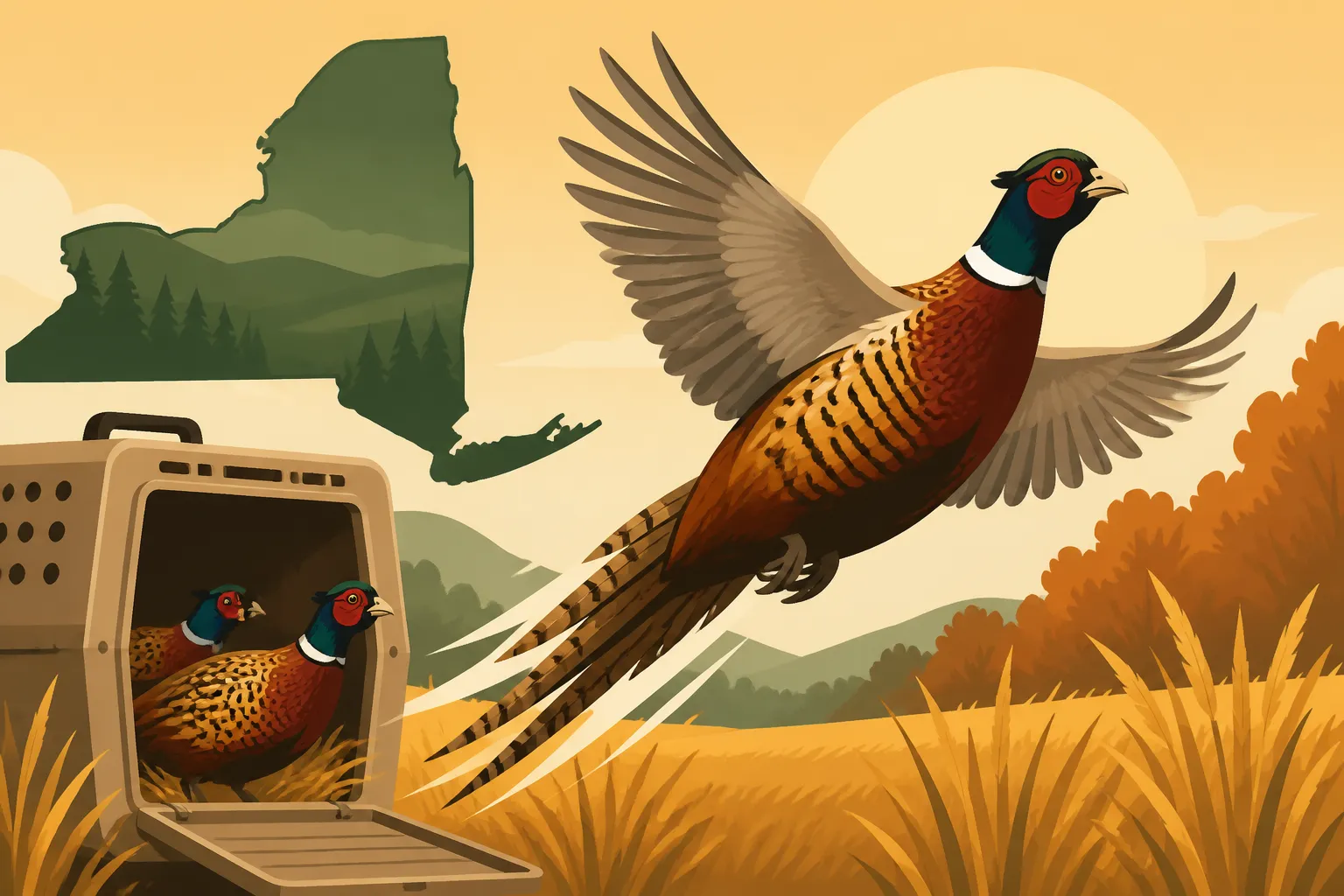
The heart of the program lies at the DEC's Reynolds Game Farm in Ithaca. This facility is responsible for raising approximately 30,000 pheasants annually, starting from day-old chicks. These birds are cared for, fed, and allowed to mature, developing the strong flight feathers and instincts necessary to survive, albeit briefly, in the wild. The goal isn't to create long-term wild populations with these released birds, but to provide a quality experience for hunters during the season.
Once the birds reach maturity, they are distributed to various public and private lands across the state. The release schedule is carefully timed to coincide with the opening of the pheasant season in different zones, ensuring that fresh birds are available for hunters. It’s a logistical undertaking that involves countless hours of work by DEC staff and dedicated volunteers who transport and release the pheasants into designated coverts. The success of the program really hinges on this consistent supply of birds.
Partnerships for Public Access
The DEC's pheasant stocking efforts wouldn't be nearly as effective without strong partnerships, particularly with private landowners. While many birds are released on publicly owned Wildlife Management Areas (WMAs) and State Forests, a significant portion goes to participating "Cooperator Farms" through the Cooperative Hunting Area Program. These are private landowners who agree to allow public hunting access on their property in exchange for receiving stocked pheasants. This is a huge benefit for hunters, as it dramatically expands the available acreage for pheasant hunting beyond just state lands.
To hunt pheasants in New York, you'll need a valid New York Resident Hunting License Options or New York Nonresident Hunting License Options and, importantly, a New York Pheasant Permit Requirement. This permit helps fund the program and ensures that those benefiting are contributing to its continuation. The DEC works hard to ensure that these cooperator farms are well-marked with signs indicating public access, making it easier for hunters to identify where they can legally pursue pheasants. Many hunters use mapping applications like GoHunt to scout these areas ahead of time, looking for ideal cover and understanding property boundaries to maximize their chances of success and respect private land rules.
Hunter Contributions and Program Funding
The pheasant stocking program is largely supported by hunters themselves. A portion of the fees from general hunting licenses, and specifically the pheasant permit, directly funnels back into the costs of operating the Reynolds Game Farm, purchasing feed, paying staff, and maintaining equipment. This funding model ensures that the hunters who benefit most directly from the program are also its primary financial stewards. It's a clear example of how hunter dollars directly contribute to on-the-ground conservation and recreational opportunities, a point often overlooked by those outside the hunting community. Without this dedicated financial support, the scale of the stocking program would be significantly curtailed, impacting access for thousands of New York hunters.
Where New York's Pheasants Are Stocked
Finding stocked pheasants in New York is all about knowing where to look and understanding the landscape. While the DEC distributes birds across various regions, certain areas are historically known for their stocking efforts and better habitat suited to hold pheasants, even if temporarily. It’s not just random, it’s a strategic effort to put birds where hunters have a reasonable chance of success.
Key Public Hunting Areas
Across New York, several Wildlife Management Areas (WMAs) and State Forests are prime locations for pheasant stocking. These areas are specifically managed for wildlife habitat, often including a mix of agricultural fields, brushy cover, and grasslands that provide decent holding cover for pheasants. Western New York, in particular, has a strong tradition of Pheasant Hunting Western New York Farmland, with WMAs like Tonawanda and Oak Orchard often receiving a substantial number of birds. Other notable locations might include areas in Central New York like Three Mile Bay WMA or Cicero Swamp. These public lands are invaluable, offering accessible hunting grounds for everyone.
Hunters often find themselves navigating these public lands, sometimes dealing with Hunting Pressure on New York Public Land, especially on opening weekend. To mitigate this, many experienced pheasant hunters use tools like the Using the New York HuntFishNY Map Tool or GoHunt, which can help pinpoint specific fields, identify access points, and even show recent harvest data in some cases, allowing them to find less-pressured areas. It's essential to check the DEC's specific stocking schedules, usually released closer to the season, as these can vary slightly year to year.
Cooperator Farms and Private Land Opportunities
Beyond the WMAs, cooperator farms form a crucial part of the stocking network. These private lands, often in agricultural areas, are excellent places to find pheasants. The landowners permit public access, effectively expanding the amount of huntable ground. The DEC marks these properties clearly, usually with distinctive yellow "Public Hunting" signs, so you know you're on legal ground. It's always a good idea to check with the DEC region office for a list of participating cooperator farms in your desired hunting area, as these agreements can change.
Hunting these cooperator farms often requires a bit more legwork and respect for the landowner's property. Always park in designated areas, leave gates as you found them, and avoid disturbing any livestock or crops. Establishing a good relationship with a landowner, even if it's just by being a respectful hunter, can sometimes lead to even better opportunities down the line. Remember, these landowners are doing a service by allowing public access, so treat their property with the utmost care.
Regional Stocking Overview
While pheasants are stocked throughout various regions, certain parts of New York are traditionally more focused on these efforts due to suitable habitat and hunter demand.
Here's a general overview of common stocking regions:
| Region | Typical Landscape | Example WMAs/Counties (check DEC for current lists) | Hunting Tips |
|---|---|---|---|
| Western New York | Farmland, grasslands, brushy field edges | Tonawanda WMA, Oak Orchard WMA (Genesee, Orleans) | Expect competition, focus on thick cover, use a dog if possible. |
| Central New York | Mixed agriculture, old fields, wetland edges | Three Mile Bay WMA, Cicero Swamp (Cayuga, Onondaga) | Look for diverse habitat, less pressure than WNY. |
| Finger Lakes | Rolling hills, vineyards, diverse crop fields | Stid Hill Multiple Use Area, Montezuma WMA (Ontario, Seneca) | Seek permission on private land, focus on unharvested crops. |
| Southern Tier | Hilly terrain, smaller farms, extensive woodlands | Rattlesnake Hill WMA (Allegany, Livingston) | Pheasants can be scarcer, focus on field corners and brushy draws. |
| Eastern New York | Mixed woods, some agriculture, suburban interface | Capital Region, Hudson Valley (Columbia, Dutchess) | Often smaller, scattered stocking, crucial to check specific sites. |
Always verify the most current stocking information directly from the New York DEC website or regional offices before planning your hunt. The stocking points within these regions are chosen based on cover, accessibility, and previous hunter success rates.
Tactics and Considerations for Hunting Stocked Pheasants
Hunting stocked pheasants presents a unique set of challenges and rewards. These birds, while raised in captivity, still possess strong instincts, and they can be incredibly wary. Unlike their wild counterparts, they're often released into new environments, which can make their behavior a bit unpredictable. Success often comes down to knowing their habits and employing effective strategies.
Strategies for Hunters Without Dogs
Let's be real: not everyone has a well-trained bird dog, and that's perfectly okay. You can absolutely hunt stocked pheasants effectively without one, though it requires a different approach. The most common method is the "push-and-block" strategy. This involves a group of hunters (three or more works best) walking a field or strip of cover, pushing birds towards blockers positioned at the end of the cover. Pheasants, when flushed, will often run before taking flight, so having hunters at the end can intercept them as they try to escape on foot. This requires good communication and a clear understanding of the terrain.
Another effective tactic, even for a single hunter, is to focus on thick, dense cover, especially later in the day or after initial hunting pressure has subsided. Pheasants will dive into the nastiest stuff – multiflora rose thickets, cattail marshes, or dense brush piles – to escape. Work these areas slowly, pausing frequently. Sometimes, a quick stomp or a sudden noise can cause a bird to flush that you would have walked right past. Remember, these birds want to stay hidden, so make them nervous enough to fly. Also, always remember New York Hunter Education Requirements are mandatory for all hunters, regardless of whether you hunt with or without a dog, ensuring everyone understands safe hunting practices.
The Advantage of Hunting with Dogs
For many, pheasant hunting goes hand-in-hand with a good dog. Whether it's a flushing breed like a Labrador Retriever or a pointing dog like a German Shorthaired Pointer, dogs can dramatically increase your success rate and enhance the overall experience. A flushing dog will systematically work a field, sending birds into the air that you might never have found on your own. Their scenting ability is unparalleled, allowing them to locate birds that are holding tight or running ahead.
Pointing dogs offer a different, often more methodical, experience. They will lock up on scent, signaling the presence of a bird, allowing the hunter to move in for the flush. This can lead to more controlled shots and fewer missed opportunities. Whether you're Running Pointing Dogs on New York Pheasants or using a flusher, a dog's primary advantage is its nose and its ability to cover ground more thoroughly than a human. Just be sure your dog is accustomed to the sounds of gunfire and trained to retrieve, as a downed bird can quickly vanish in dense cover.
Safety, Regulations, and Etiquette
Safety is paramount when hunting stocked pheasants, especially on public lands where you might encounter other hunters. New York Blaze Orange Requirements mandate that during specific seasons, all hunters must wear a minimum amount of fluorescent orange or pink. Always exceed the minimum, especially when hunting in a group or in dense cover. Being visible is critical.
Beyond blaze orange, understand and follow all New York Small Game and Upland Bird Seasons and bag limits. The DEC sets specific dates for pheasant season, which can vary by zone. Remember to report your harvest if required, and always ensure your shotgun is unloaded and carried safely when moving between hunting areas or in vehicles.
In terms of etiquette, be respectful of other hunters. Stocked pheasant areas can sometimes draw crowds, especially on opening days. Give other groups ample space, avoid cutting them off, and if you hear shots or see a dog working, consider moving to a different section of the property. Acknowledging others with a friendly nod or wave goes a long way. This shared courtesy makes the experience more enjoyable for everyone involved.
The Broader Impact and Future of the Program
New York's Pheasant Stocking Program isn't just about providing targets for hunters; it has far-reaching benefits for hunter recruitment, local economies, and even serves as a stark reminder of the challenges facing wildlife conservation. Its continued success is vital for the health of New York's hunting traditions.
Hunter Recruitment and Economic Benefits
Perhaps one of the most significant impacts of the stocking program is its role in hunter recruitment and retention. Pheasant hunting offers an accessible entry point into the hunting world, particularly for new hunters, youth, and those who may not have access to deer or turkey hunting opportunities. The chance of success is often higher with stocked birds, which can build confidence and foster a lifelong passion for the outdoors. Why New York Runs a Separate Youth Weekend for deer, for example, shares a similar goal of getting young people involved, and pheasant hunting provides another avenue for this. Introducing new generations to hunting ensures the continuation of conservation funding, as license sales directly support wildlife management.
Economically, the program stimulates local businesses in hunting communities. Hunters traveling to pursue pheasants often purchase gas, food, lodging, and supplies from small towns, providing a valuable boost to rural economies. From sporting goods stores to local diners, these dollars ripple through communities, supporting jobs and services that might otherwise struggle. The pheasant program, therefore, is more than just birds in a field; it's an economic engine and a critical piece of the hunter-conservation model.
Challenges and Sustainability
Despite its successes, the pheasant stocking program and the idea of wild pheasants face significant challenges. The core issue remains habitat loss. While stocked birds provide a temporary fix, they don't address the underlying problem of suitable habitat for Pheasants on New York Farmland to thrive naturally. Efforts to enhance habitat on public lands, such as planting switchgrass or creating brushy cover, are ongoing, but reversing decades of agricultural change is a monumental task. The constant threat to quality habitat means that the reliance on stocking is unlikely to diminish anytime soon.
Another challenge is balancing hunter expectations with program resources. Raising and distributing tens of thousands of pheasants is expensive. The DEC continually evaluates the program's efficiency, looking for ways to maximize the impact of every dollar spent. This includes assessing optimal release locations, timing, and bird numbers. The sustainability of the program depends on continued hunter support through license and permit purchases, and also on the public's understanding and appreciation of its value. Without it, the vibrant experience of a pheasant flushing from cover would become even rarer.
Looking Forward: Maintaining a Hunting Heritage
The future of pheasant hunting in New York, at least in its accessible form, will likely remain tied to the stocking program. While conservationists continue to work on habitat restoration to support wild populations where feasible, the stocked bird program provides a bridge, ensuring that the thrill of a pheasant flush remains a part of New York's hunting heritage. Hunters can contribute to this future by supporting the program financially, advocating for habitat conservation, and introducing new individuals to the sport responsibly. By doing so, we help ensure that the unique cackle of a flushing rooster will continue to echo across the fields of New York for generations to come.
Disclaimer
Please remember that hunting regulations and seasons are subject to change. Always consult the official New York State Department of Environmental Conservation (DEC) hunting regulations guide for the most up-to-date and accurate information before planning any hunting activity. Safety should always be your top priority.