Rabbit Hunting Thick New York Brush
Cottontail rabbit hunting in New York brush explains how to flush hidden small game from dense briar patches and thickets.
Close the distance.
Archery, muzzleloader, and firearm techniques — calling, stand placement, still-hunting, spot-and-stalk, and the weapon rules that change at the state line.
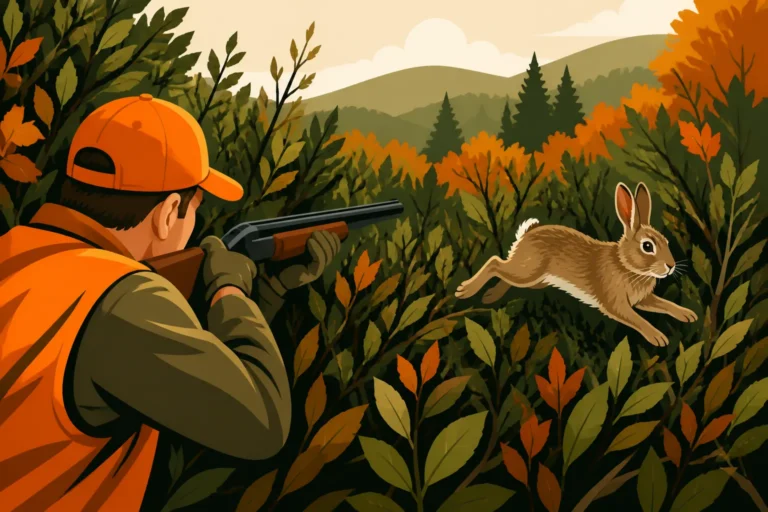
Cottontail rabbit hunting in New York brush explains how to flush hidden small game from dense briar patches and thickets.
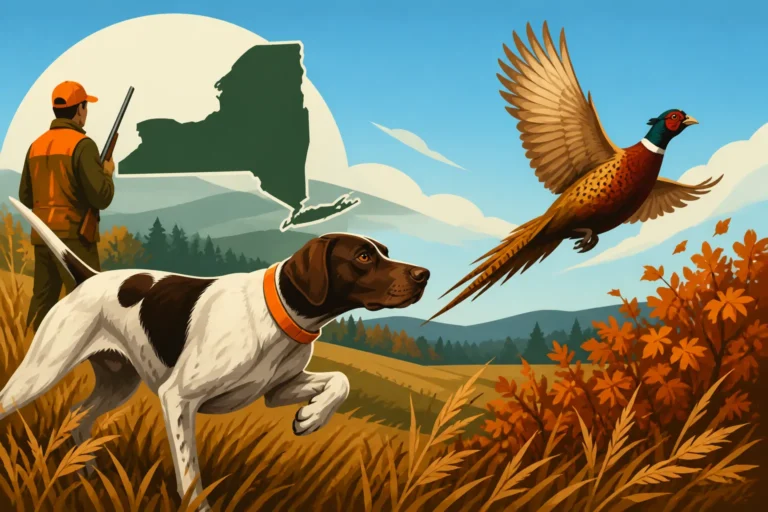
New York pheasant hunting strategies help pointing dogs track stocked birds across public lands, old hayfields, and hedgerows.
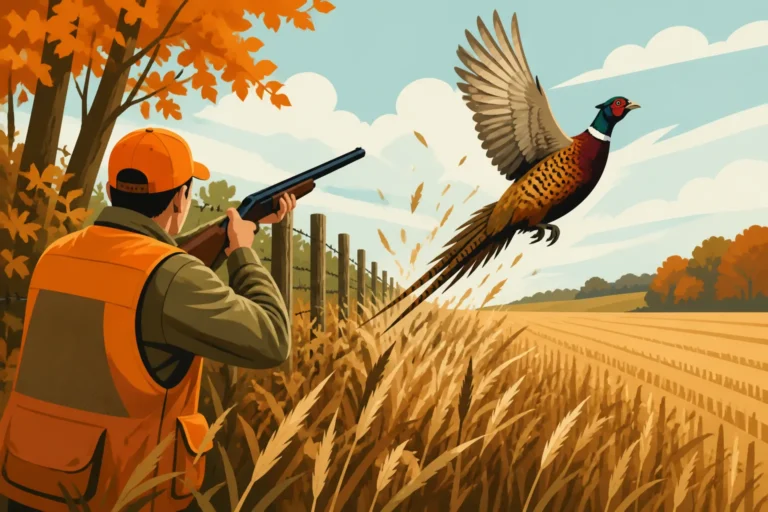
Pheasant hunting along New York farm fencerows provides shelter, food sources, and travel corridors that hide birds during winter.
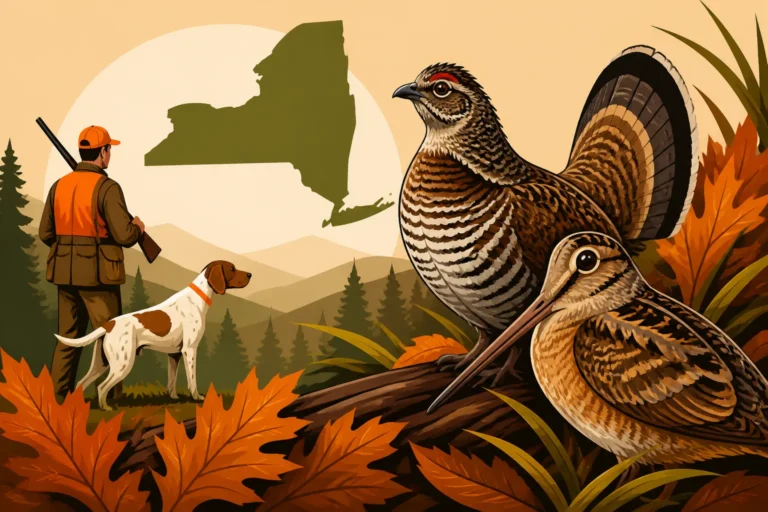
New York upland hunters finding overlapping grouse and woodcock habitats in aspen stands and alder thickets during autumn.
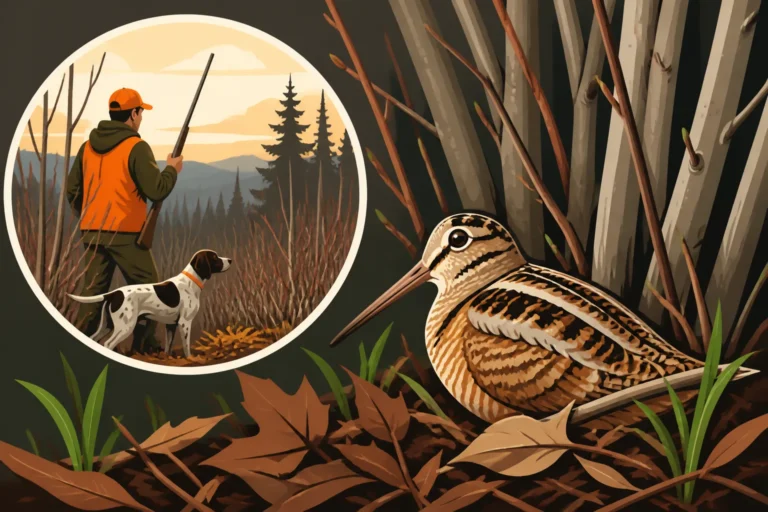
Woodcock eat almost only earthworms, so they need soft, moist soil and dense young cover, which makes alder stands prime ground unlike grouse aspen stands.
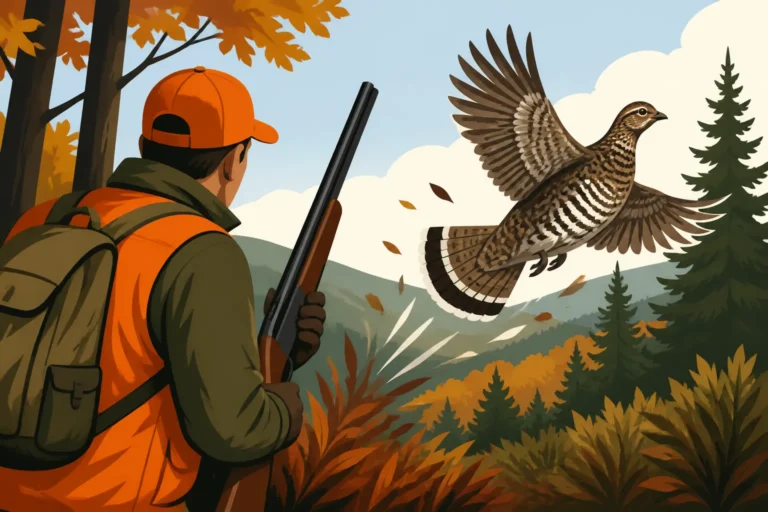
Ruffed grouse hunting strategies without a dog explain habitat preferences, seasonal movements, and the stop-and-go flushing method.
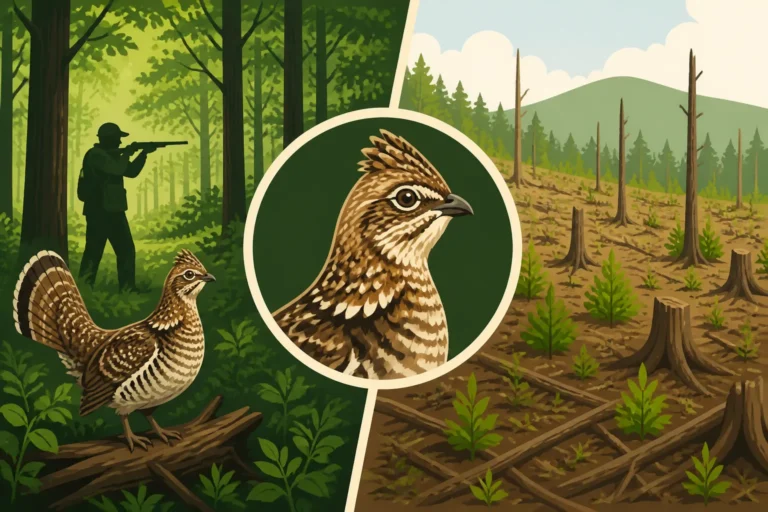
Timber cut ages between five and fifteen years provide ruffed grouse with dense regenerating woodlands for food and cover.
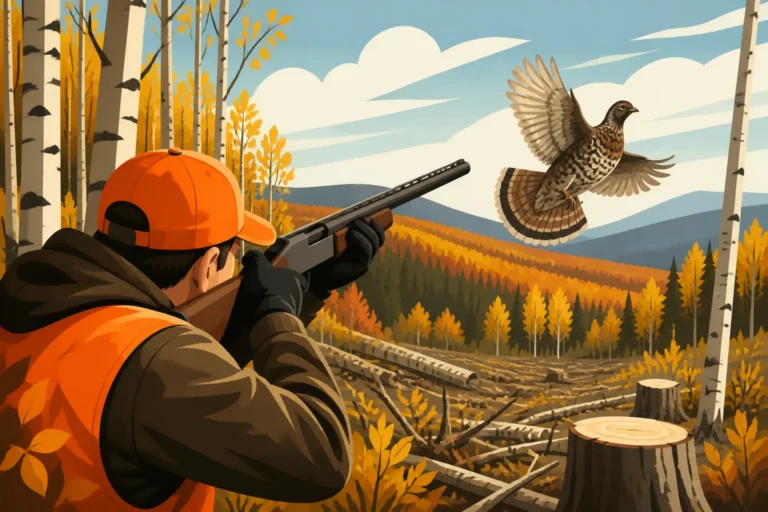
New York ruffed grouse hunting in eight to twenty year old aspen cuts explains dense stem thickets and predator protection.
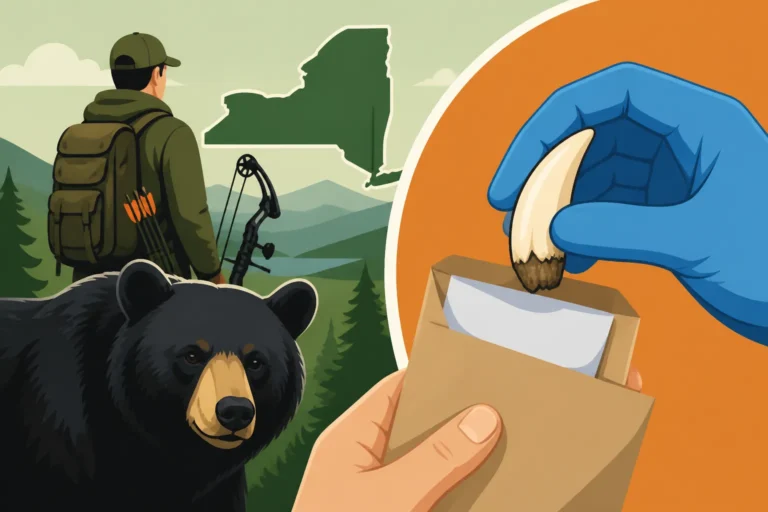
New York bear hunters learn how to submit a premolar tooth so wildlife biologists can determine bear age and manage populations.
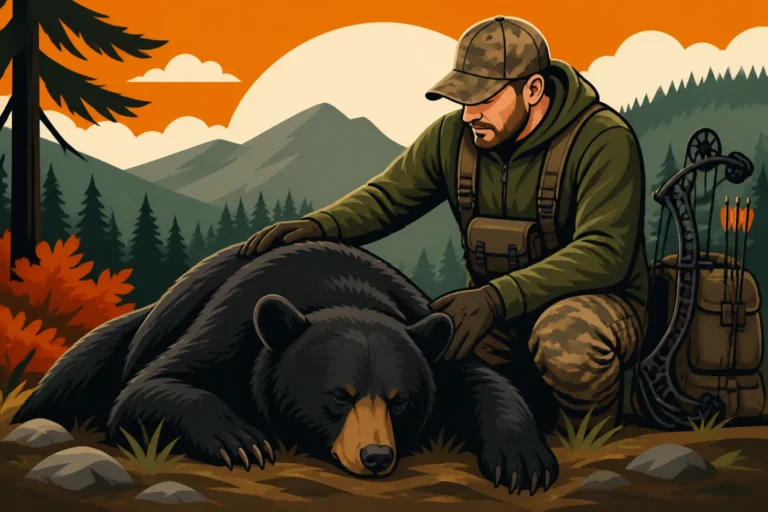
Safe tracking and field dressing methods for a New York black bear help hunters recover and preserve their harvested animal.